Newsletters




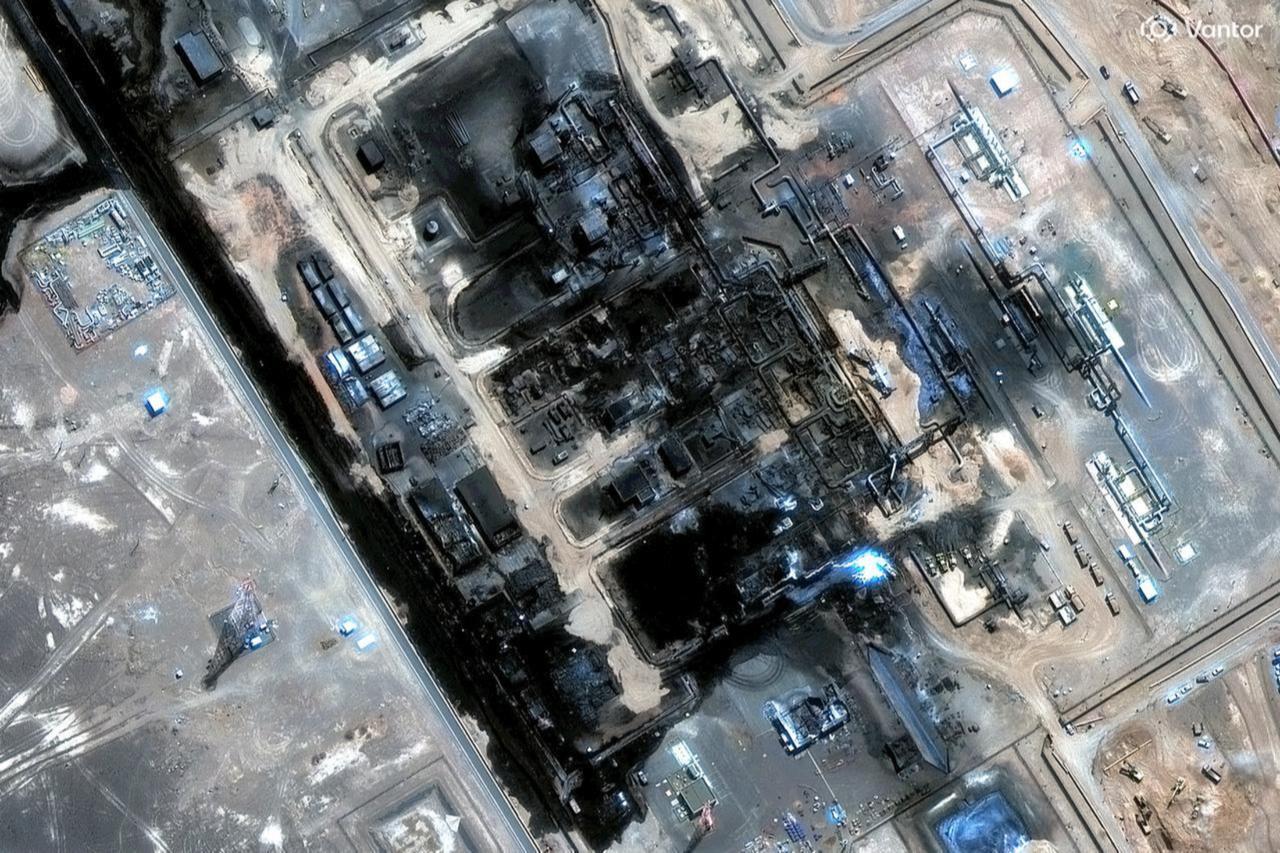
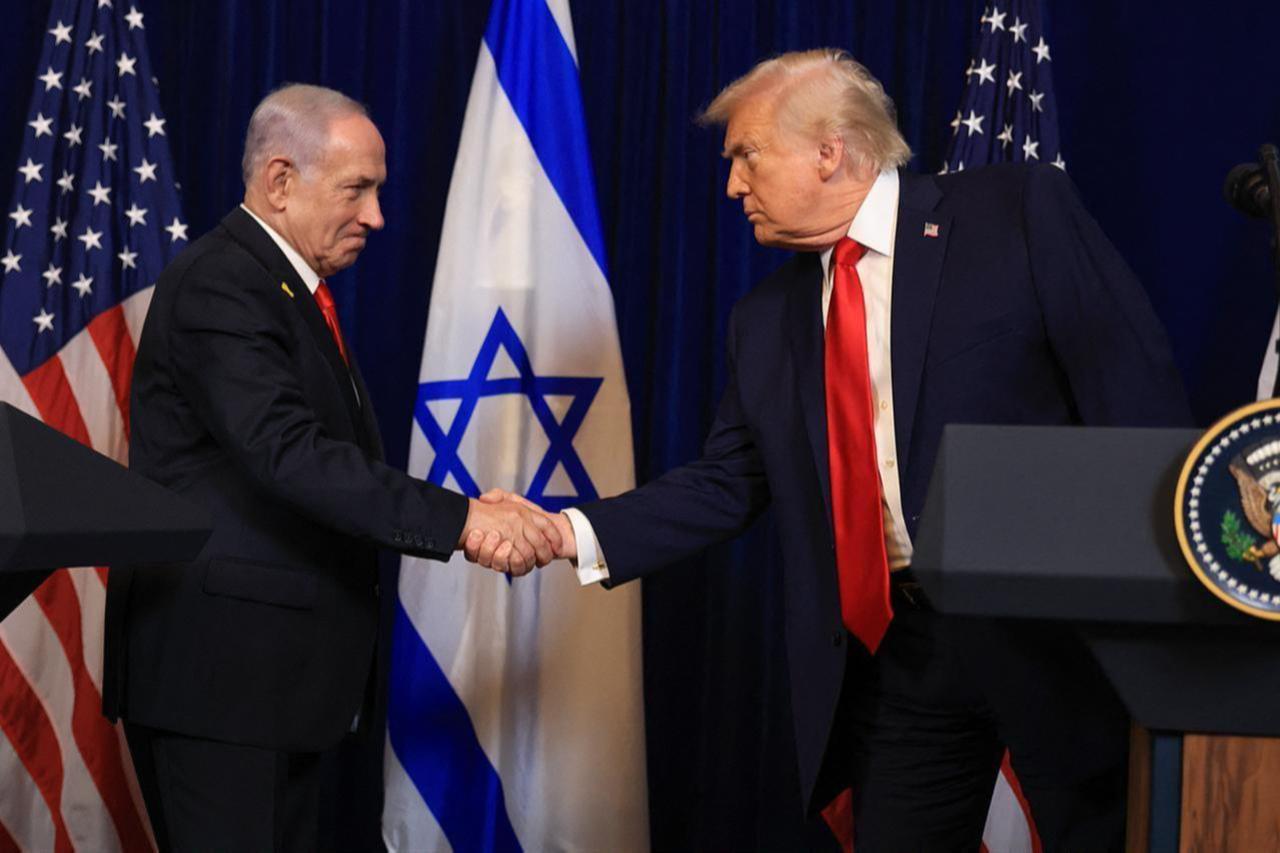
U.S. President Donald Trump told Israeli Prime Minister Benjamin Netanyahu during a December meeting at Mar-a-Lago that Washington would support Israeli strikes on Iran's ballistic missile program if negotiations with Tehran collapse, CBS News reported Sunday, citing sources familiar with the matter.
Two months after that meeting, internal discussions between senior U.S. military and intelligence officials have begun contemplating how to support a fresh round of Israeli strikes on Iran, according to the report.
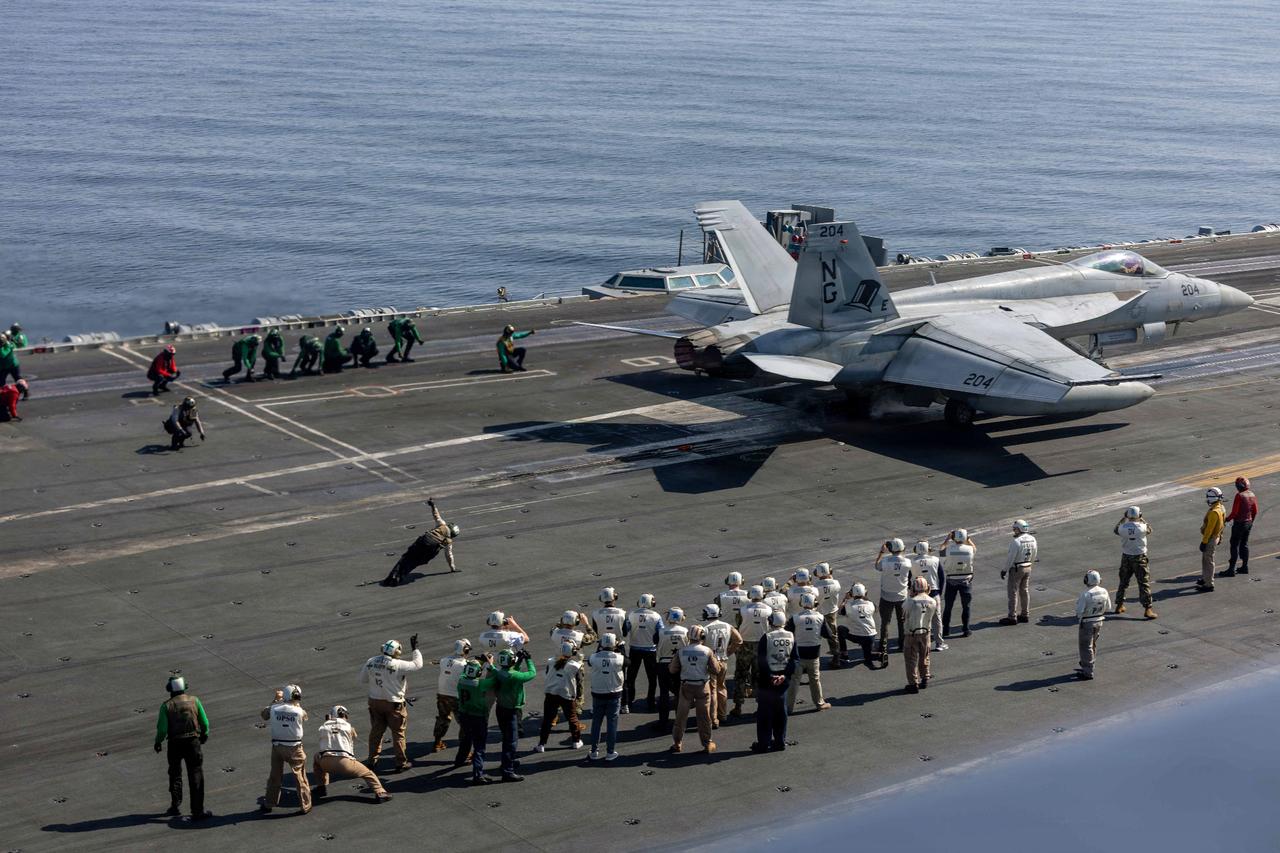
"American deliberations have focused less on whether Israel could act than on how the United States might assist, including providing aerial refueling for Israeli aircraft and securing overflight permission from countries along potential routes," two U.S. officials with knowledge of the matter told CBS News.
Jordan, Saudi Arabia and the United Arab Emirates have publicly stated they would not allow their airspace to be used for strikes on Iran.

The discussions coincide with a visible show of American force toward Iran.
CBS News reported Thursday that a second U.S. aircraft carrier, the USS Gerald R. Ford and its flotilla of warships, would be dispatched to the Middle East, joining an already substantial American naval presence.
Four U.S. officials said the carrier strike group is expected to redeploy from the Caribbean, placing formidable firepower within range of Iran at a moment of heightened strain.

Trump, speaking at the White House on Friday, framed the carrier deployment as prudent insurance if negotiations fail.
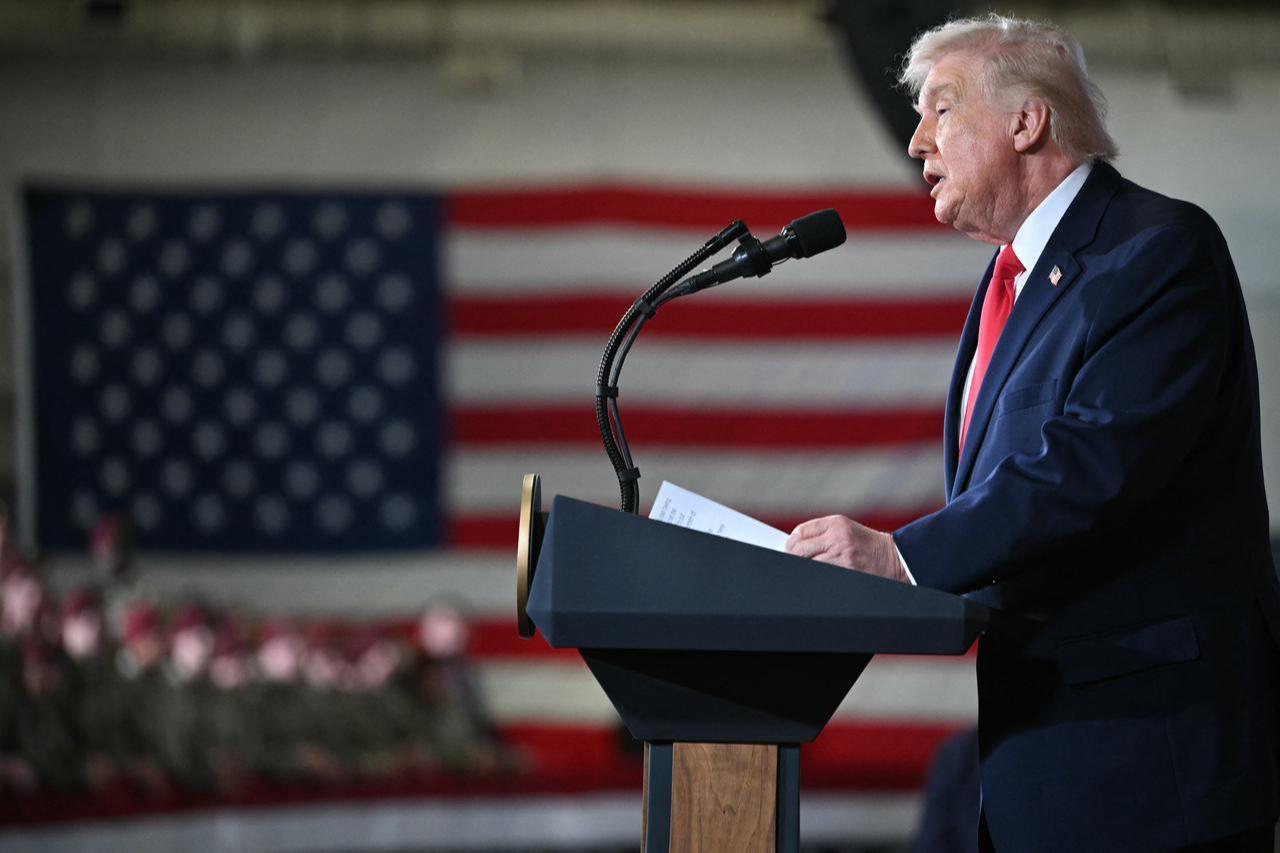
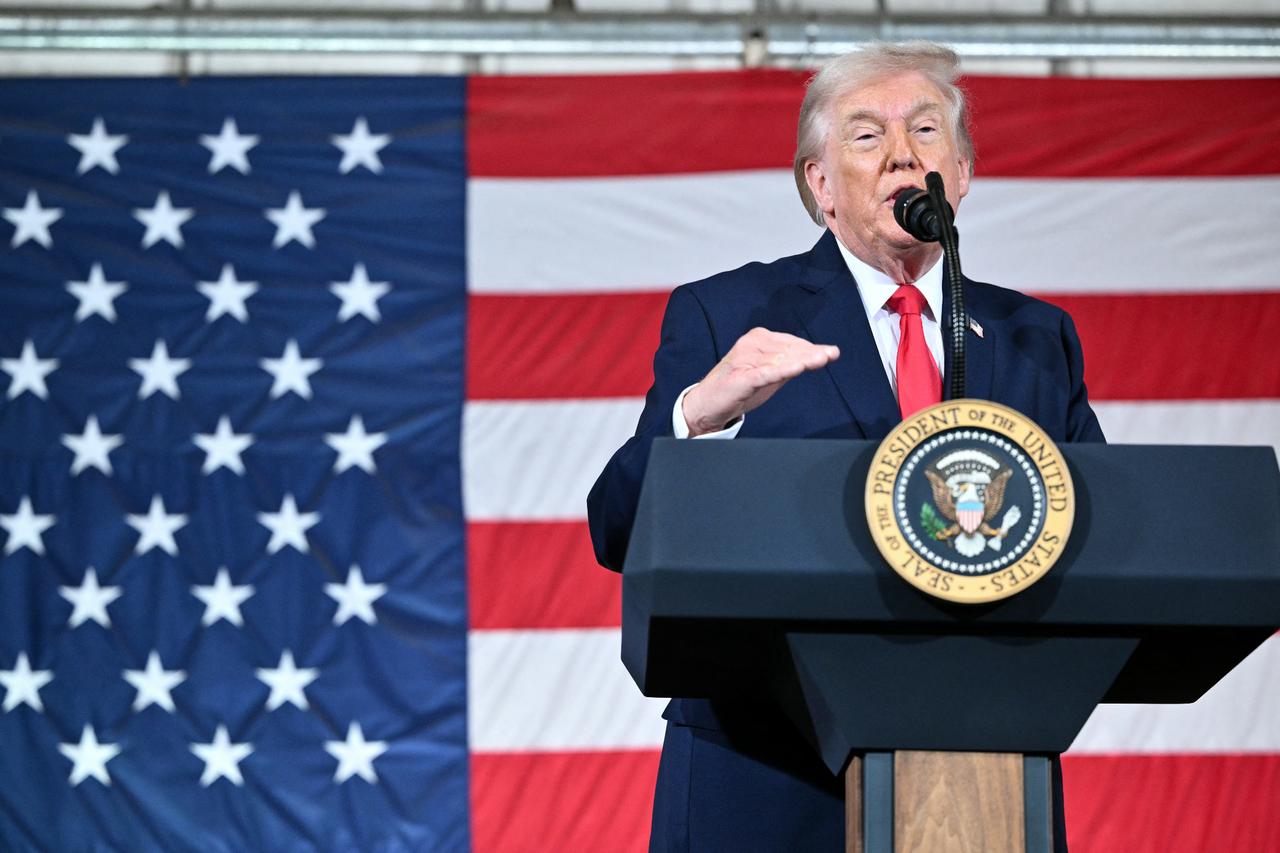
"America's respected again. And, perhaps most importantly, we are feared by the enemies all over the globe," Trump said during a separate appearance at Fort Bragg.
"I don't like to say fear. But, sometimes, you have to have fear because that's the only thing that really will get the situation taken care of," he added.
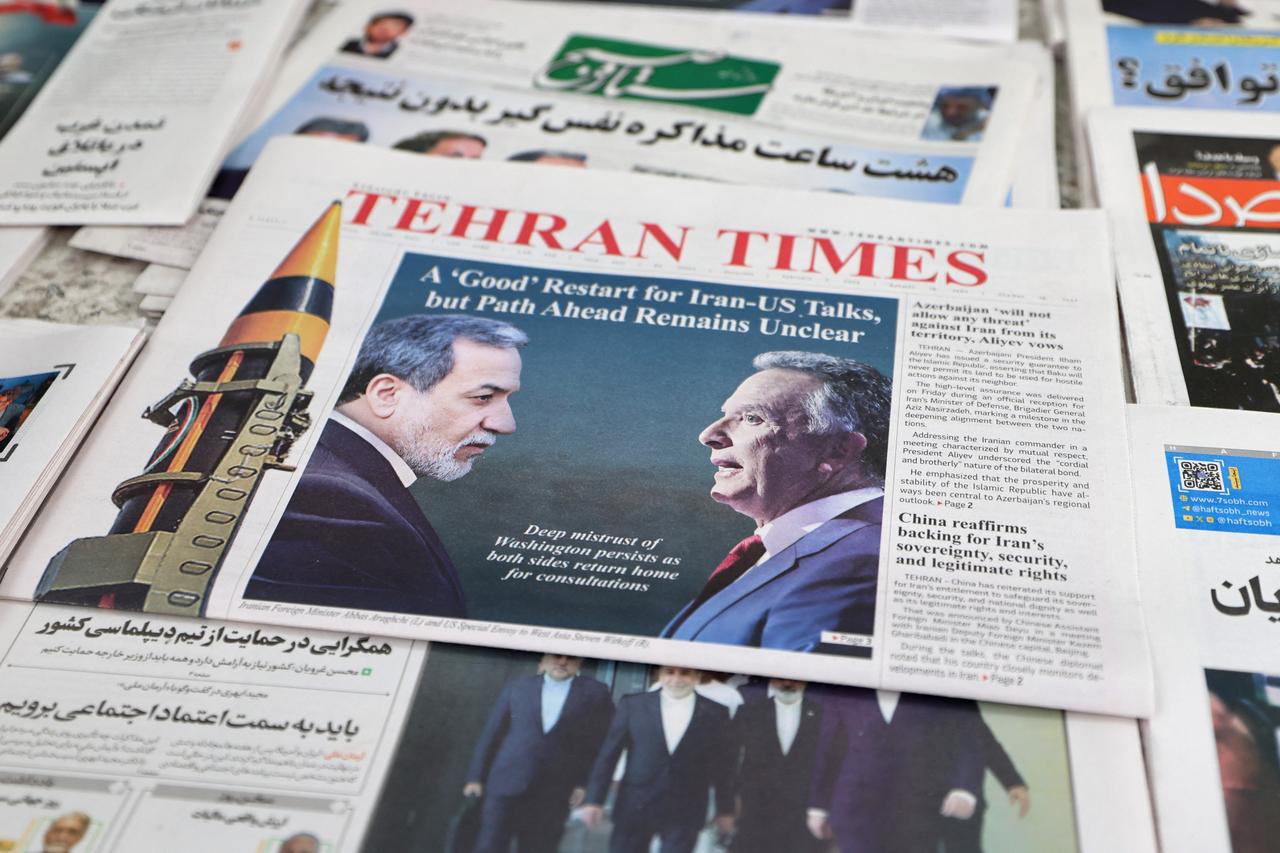
U.S. and Iranian delegations are expected to hold a second round of nuclear talks in Geneva on Feb. 17.
Iranian state media reported Foreign Minister Abbas Araghchi and his delegation departed for Switzerland for the indirect talks, with Omani representatives serving as mediators.
Secretary of State Marco Rubio said Sunday he has "made clear he prefers diplomacy" on Iran and confirmed U.S. envoys Steve Witkoff and Jared Kushner are traveling "to have important meetings" with Iranian counterparts.
"We'll see how that comes out," Rubio added.
Iranian officials have signaled a conditional willingness to curb some uranium enrichment in exchange for sanctions relief, but talks have yet to produce any written agreement.
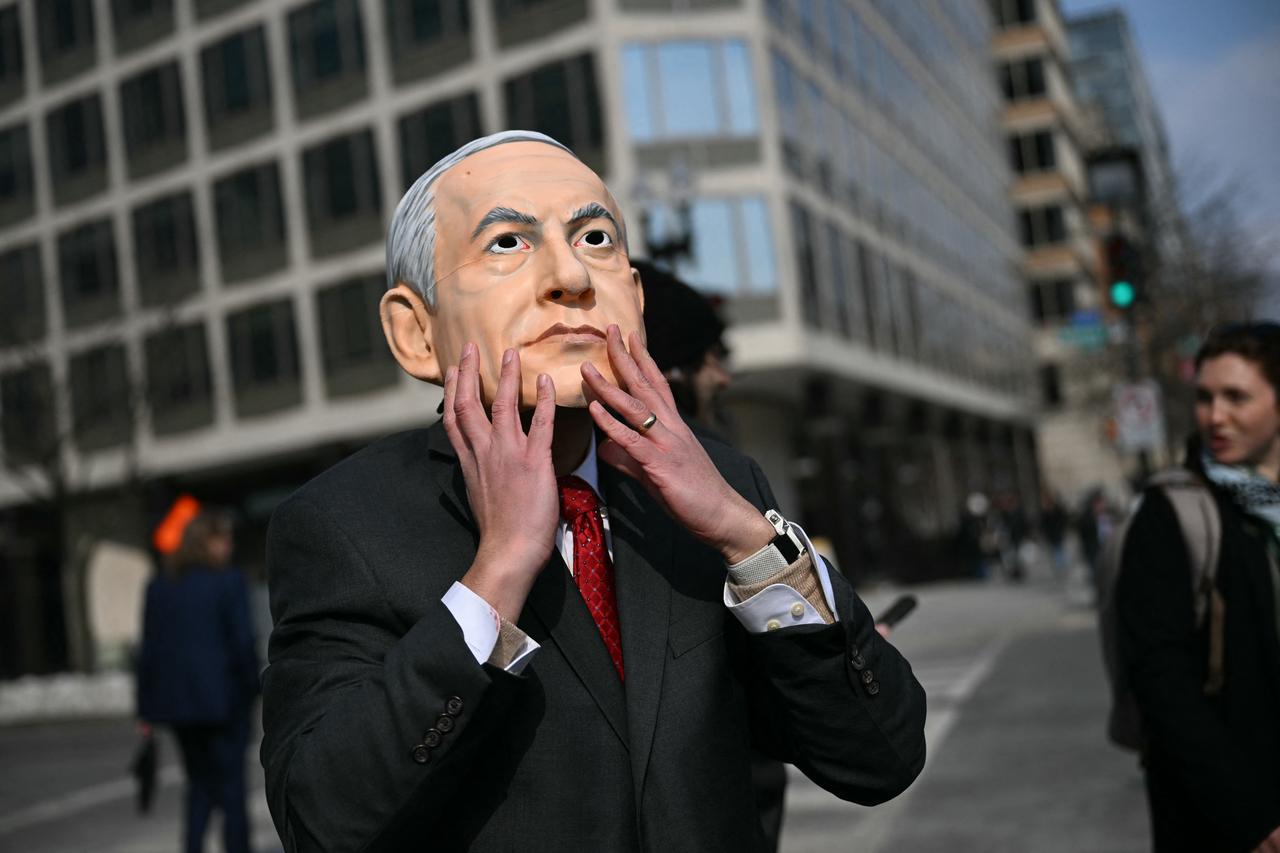
Netanyahu, who remains openly skeptical of diplomacy with Iran, outlined maximalist conditions for any U.S.-Iran deal during a speech in Jerusalem on Sunday.
"The first is that all enriched material has to leave Iran," Netanyahu told a conference of presidents of major American Jewish organizations.
"The second is that there should be no enrichment capability... dismantle the equipment and the infrastructure that allows you to enrich in the first place," he added.
The third condition, he said, was resolving the issue of ballistic missiles. Netanyahu also called for Tehran to end support for regional proxies.
"There has to be real inspection, substantive inspections, no lead-time inspections, but effective inspections for all of the above," Netanyahu said.
He said Trump believes Iran is unlikely to miss this opportunity after failing to reach an agreement in previous negotiations.
Netanyahu also said Israel aims to phase out U.S. military aid over the next decade.
"In the remaining three years of the current agreement and the subsequent seven years, we will reduce this aid to zero," Netanyahu said.
"Israel, which fights on its own, can also be self-sufficient. Our goal is to build an independent weapons industry in Israel," he noted.
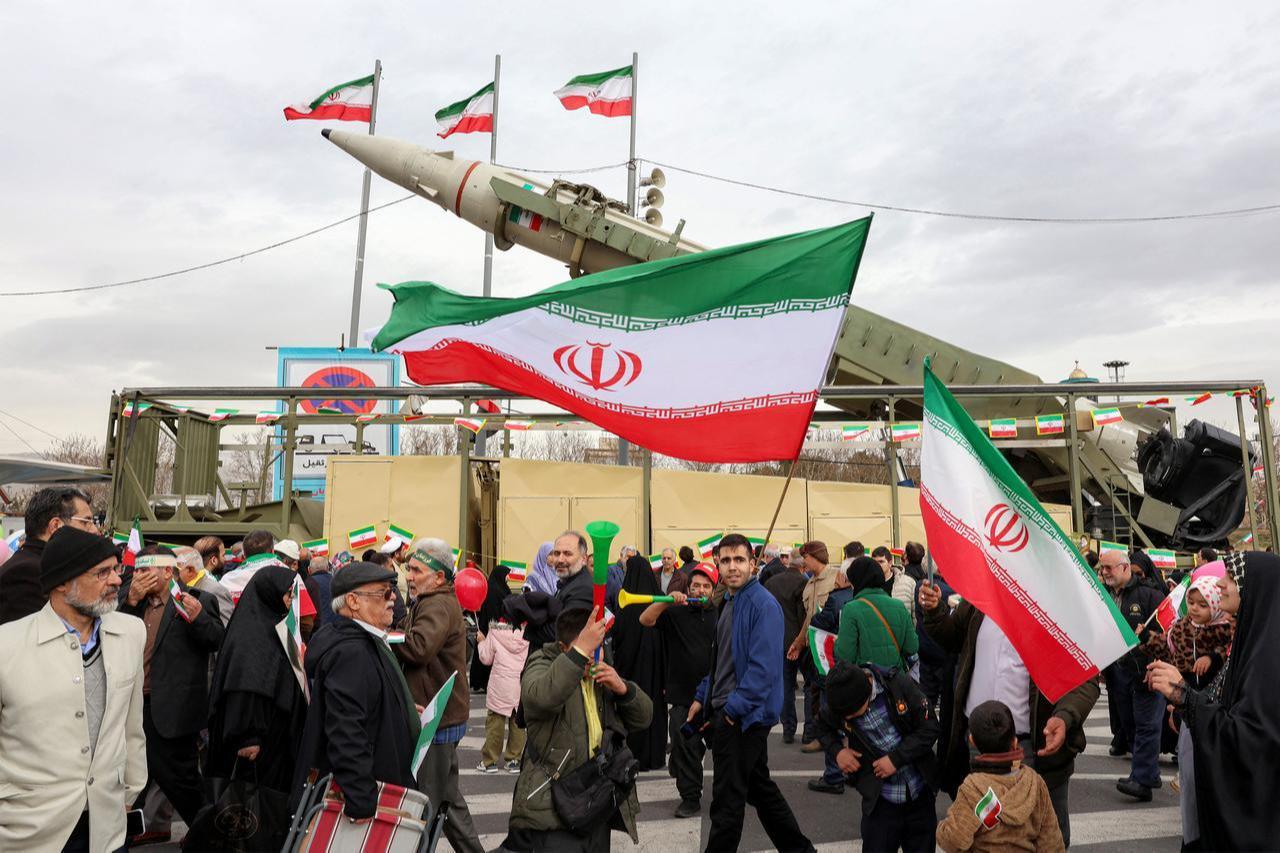
Iran has recently firmly rejected including its missile program in nuclear talks.
Ali Larijani, secretary of Iran's Supreme National Security Council, told Al Jazeera that Tehran remains open to negotiations but insisted missile capabilities are off the table.
"Our missile program stands entirely separate from the nuclear one. It is a domestic matter, basically linked to our national security. As such, it cannot be part of these negotiations," Larijani said.
He also dismissed demands to eliminate enrichment entirely.
"It is impractical for a country that has already mastered this technology to reduce it to zero," Larijani said, citing needs for medical research and treatment.
Larijani accused Israel of attempting to sabotage the negotiations.
"Our negotiations are exclusively with the United States. We are not engaged in any talks with Israel," he said, adding that, "However, Israel has inserted itself into this process, with their intent on undermining and sabotaging these negotiations."


 Set as preferred source
 Set as preferred source


 1 min read
 1 min read