Newsletters




A senior Iranian lawmaker said Saturday that U.S. strikes on Iran during talks exposed what he called Washington's lack of commitment to diplomacy and cease-fire understandings.
Ibrahim Azizi, head of parliament's National Security and Foreign Policy Commission, said the U.S. had "once again attacked Iran in the middle of negotiations."
"The failed U.S. president has shown he has no commitment to the principles of negotiation or a ceasefire," Azizi said.
He said the "reckless violation" of the cease-fire would, "as always, lead to retreat and regret" for the U.S.
"The blame game does not work anymore," he added.

Azizi's remarks came hours after Iran's Islamic Revolutionary Guard Corps said its naval forces targeted U.S. military positions across the region in response to American strikes on southern Iran.
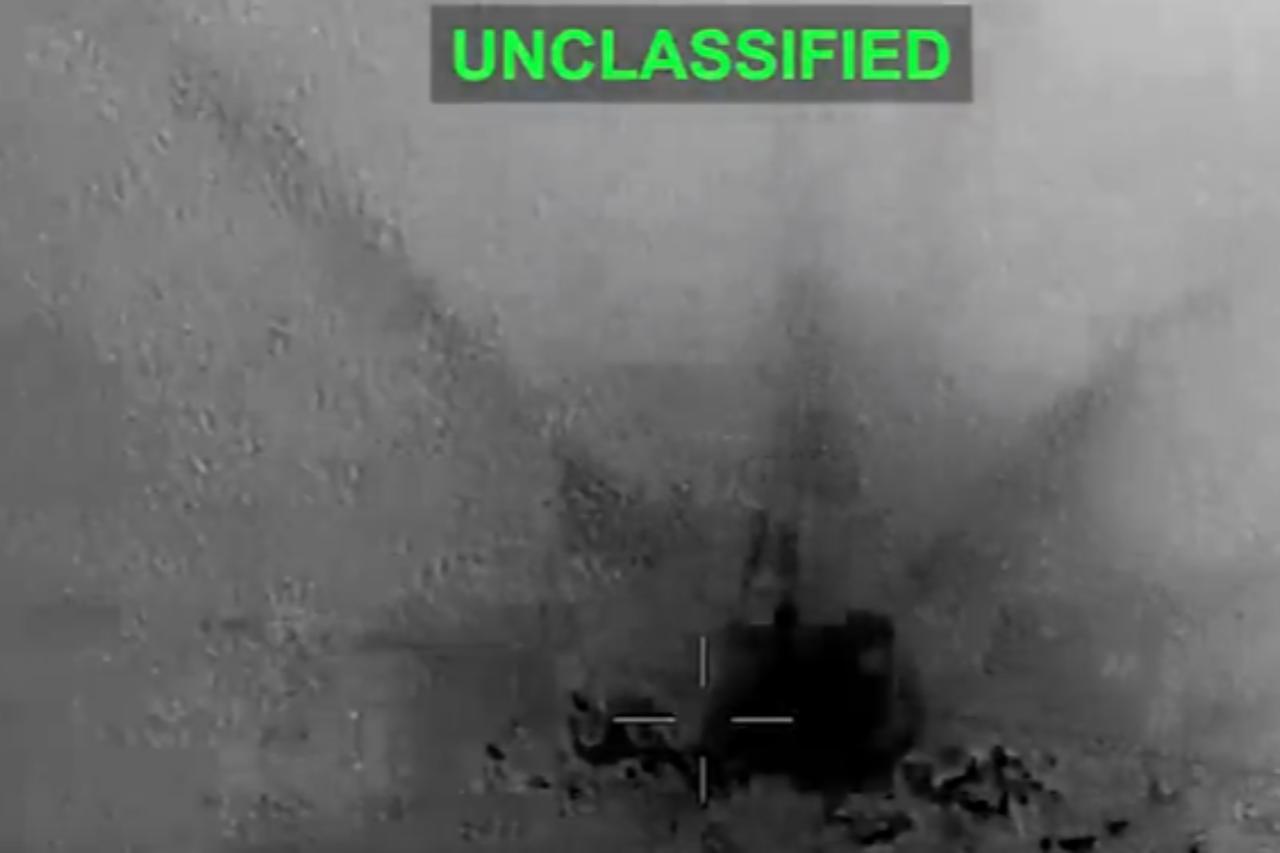
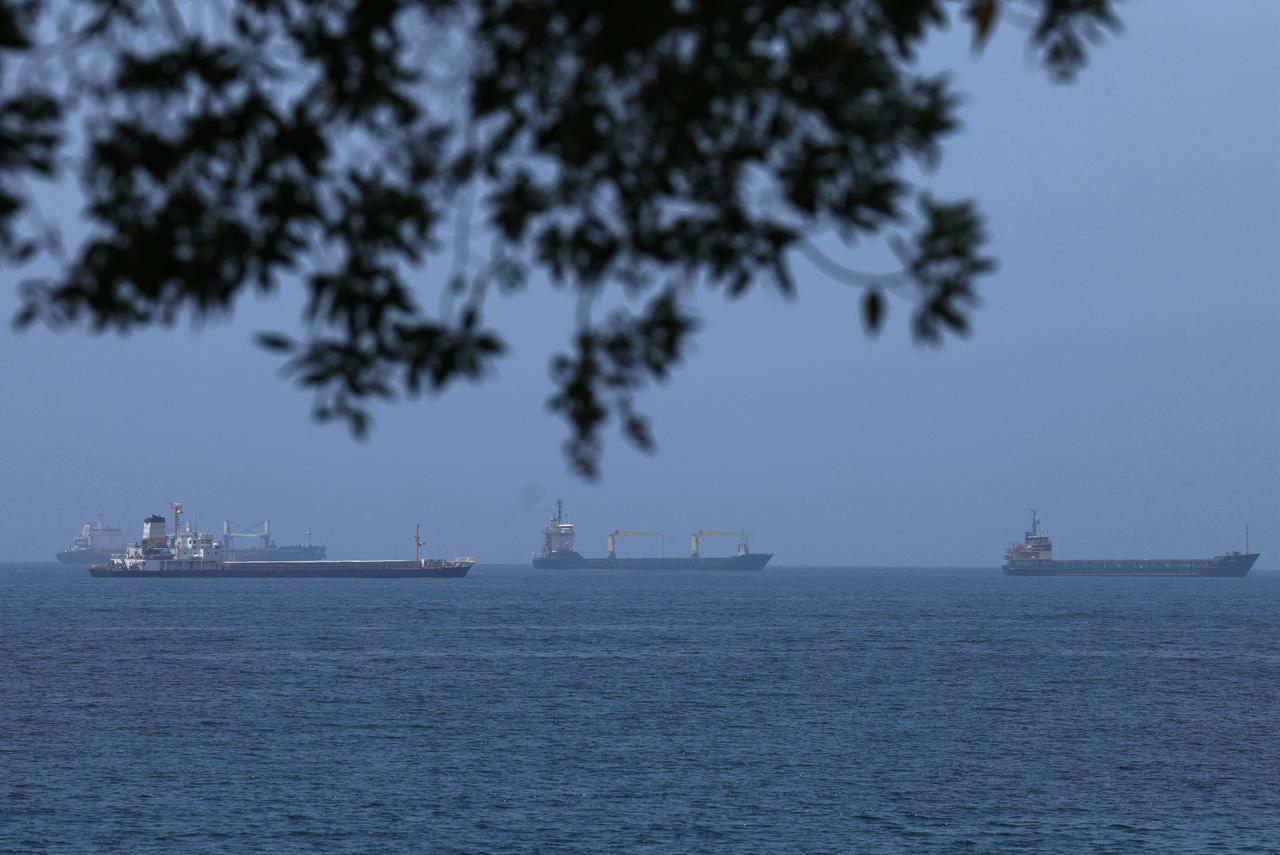
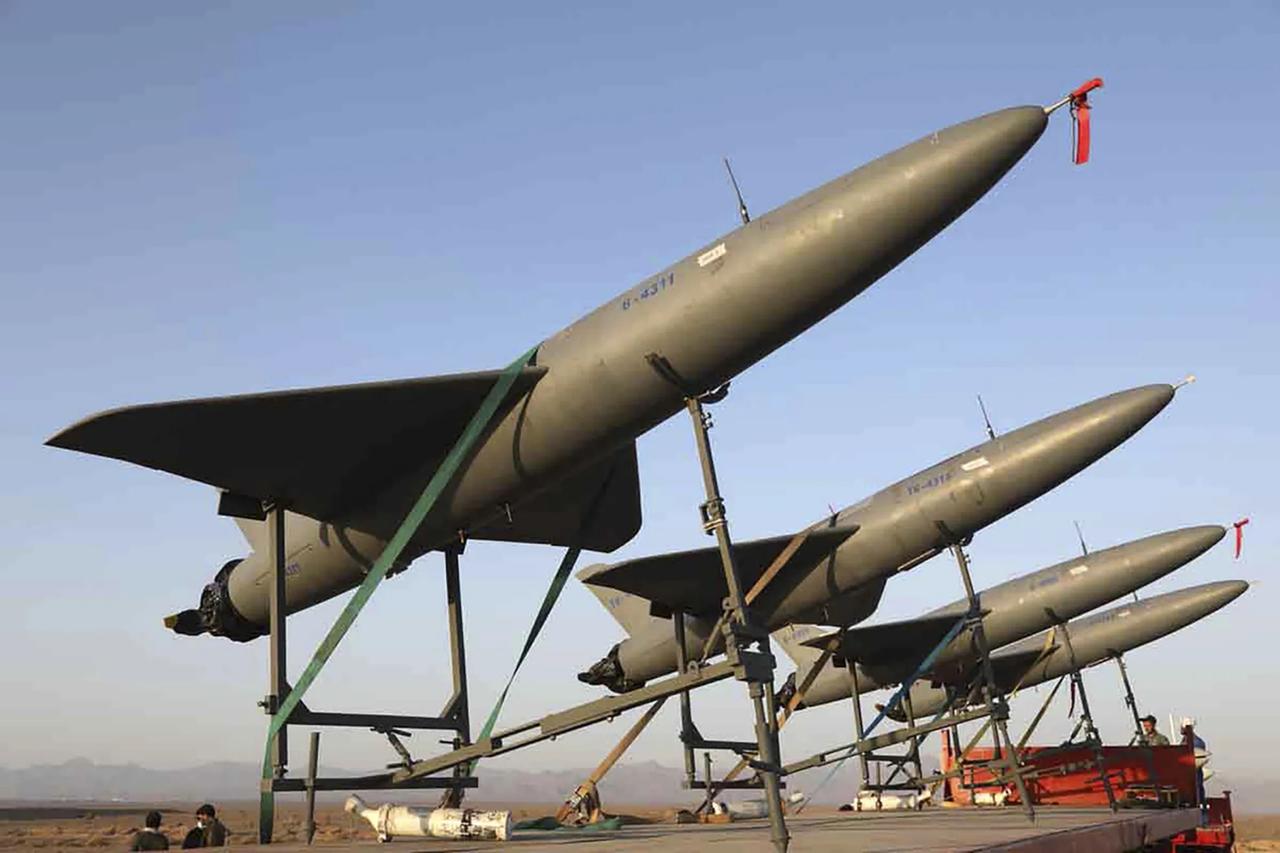
The U.S. military's Central Command said late Friday that American forces struck Iranian missile, drone, and radar sites after accusing Tehran of being behind an attack on a commercial vessel crossing the Strait of Hormuz.
Iran on Saturday condemned U.S. strikes on several sites along its southern coastline, accusing Washington of violating the U.N. Charter and a recently signed pact aimed at ending the war.
In a statement, Iran's Foreign Ministry said the attacks targeted coastal surveillance facilities and reaffirmed Iran's right to self-defense, saying its armed forces had conducted retaliatory strikes on U.S.-linked targets.
The ministry urged Gulf states "to prevent any aggressor parties from using their territory and facilities to carry out acts of aggression" against Tehran.
It also called on the U.N. and international bodies "not to remain indifferent to the blatant violation" of international law.
Later, the Islamic Revolutionary Guard Corps said its naval forces had targeted U.S. military positions across the region and vowed a harsh response if escalation continues.
Earlier this month, Tehran and Washington reached a 14-point memorandum of understanding mediated by Pakistan.
The agreement entered into force on June 18 after being electronically signed by Iranian President Masoud Pezeshkian and U.S. President Donald Trump.
The agreement includes provisions on ending hostilities across multiple fronts, including Lebanon, reopening the Strait of Hormuz, and lifting the U.S. naval blockade on Iran, while 60 days of talks continue toward a broader and lasting deal.


 Set as preferred source
 Set as preferred source


 1 min read
 1 min read