Newsletters


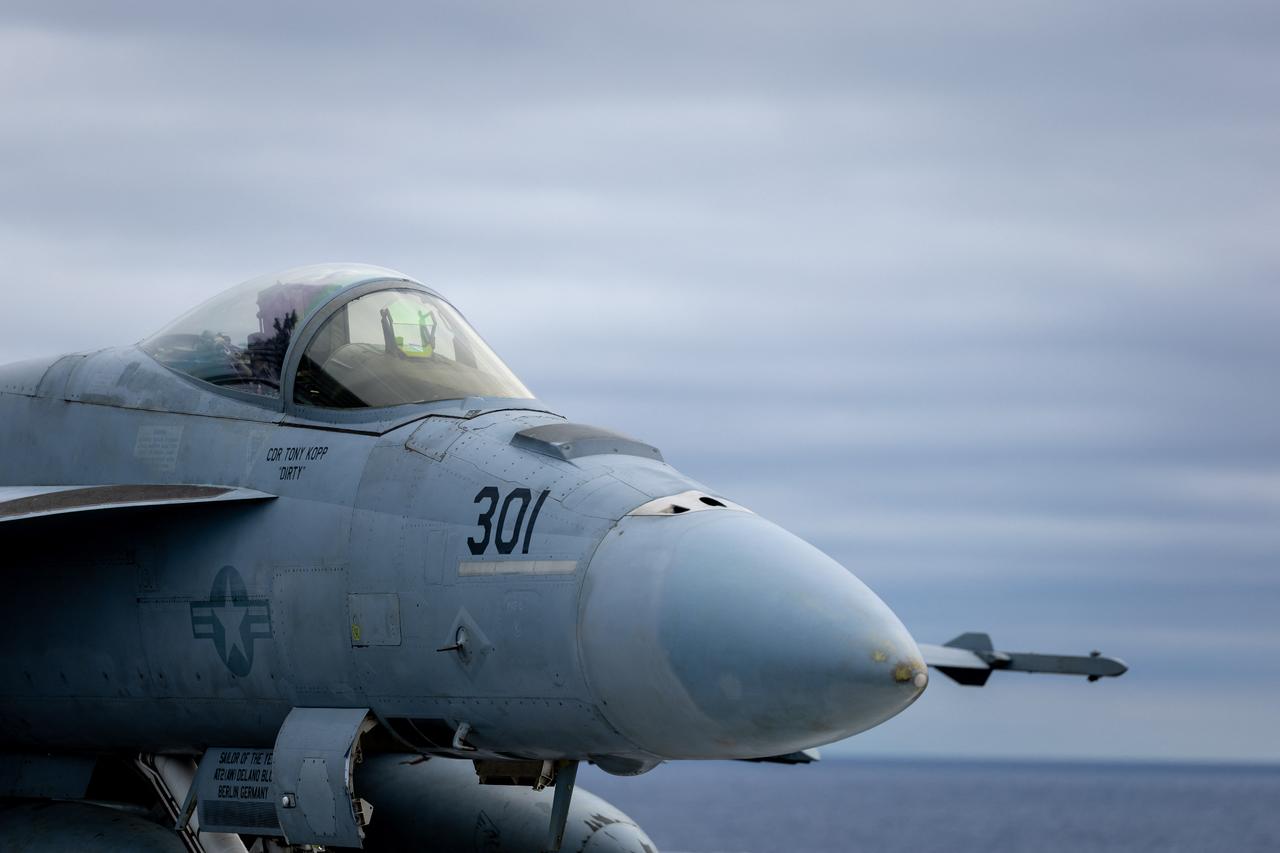


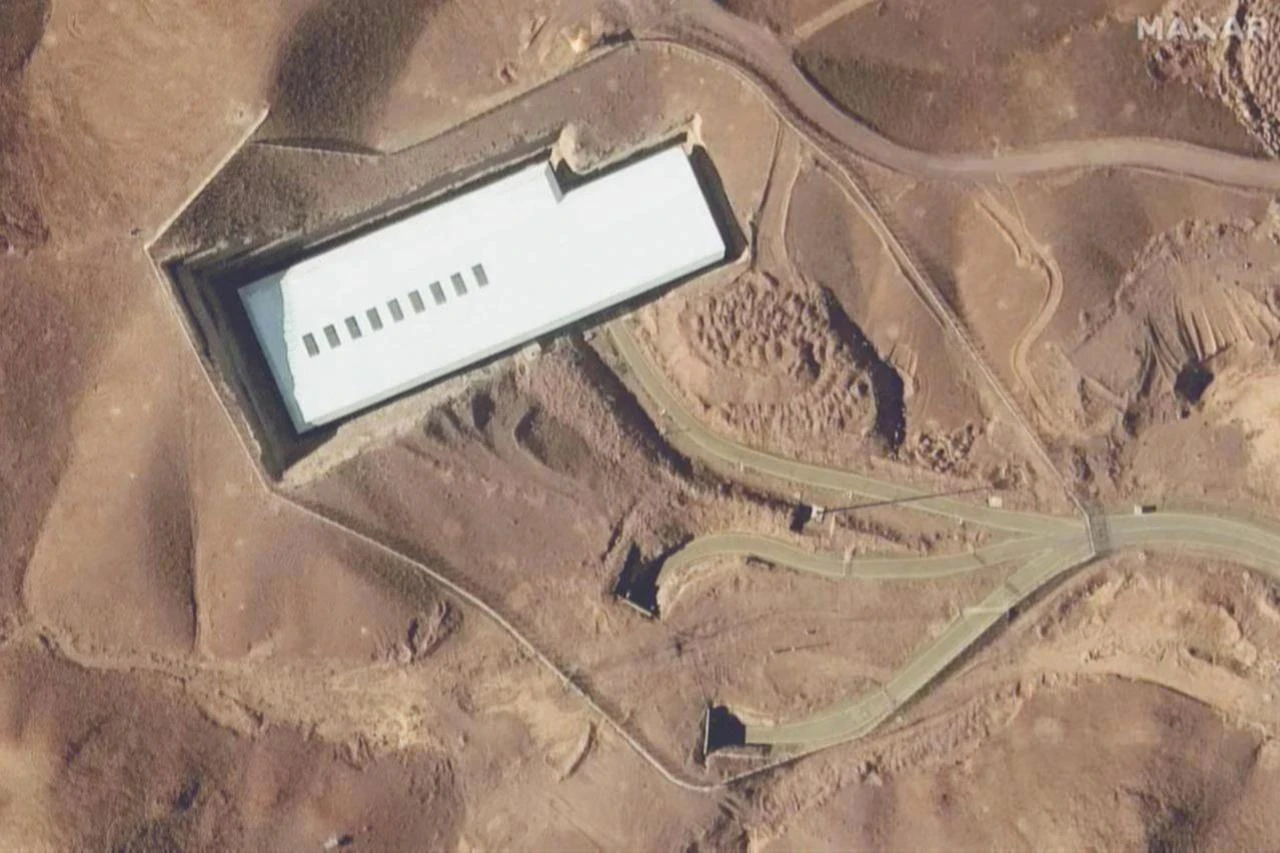
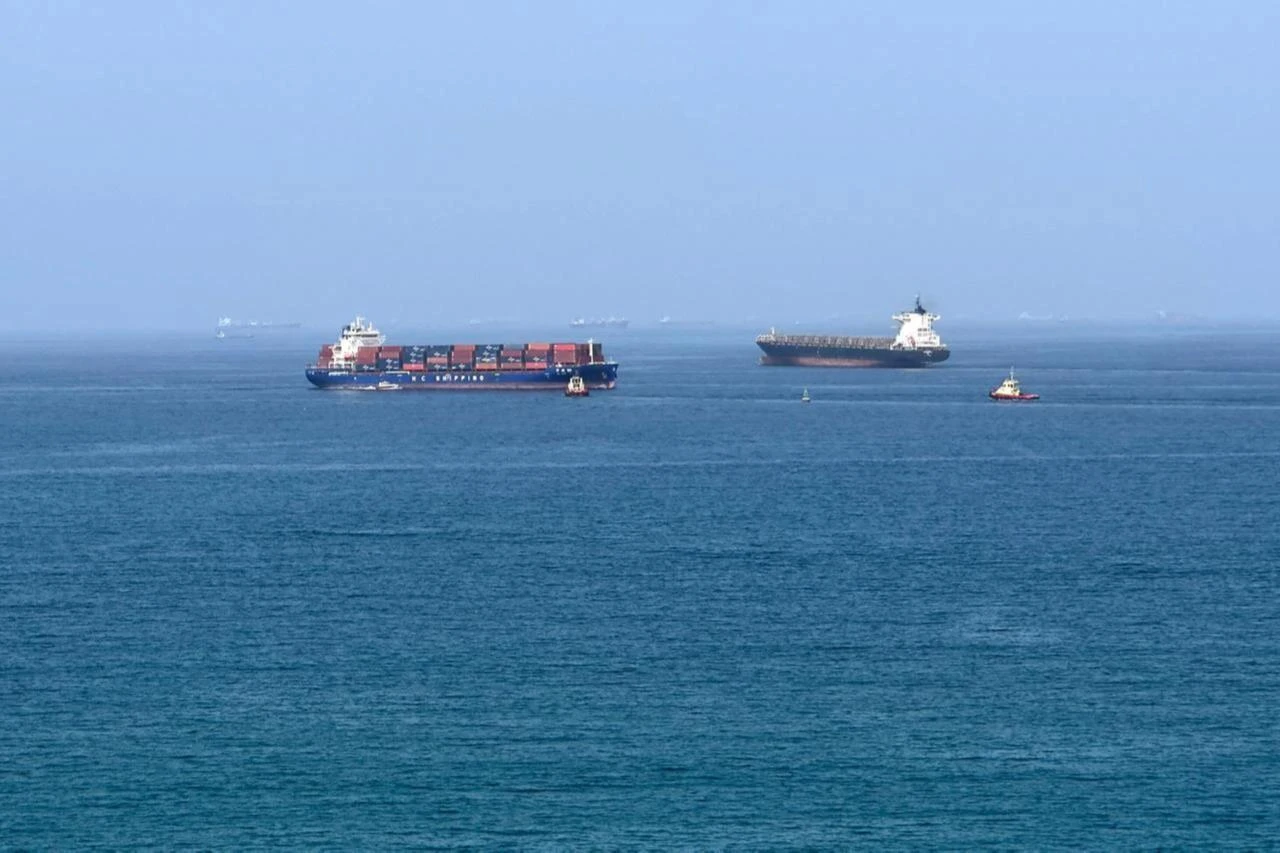
U.S. Central Command (CENTCOM) said Friday that American forces struck Iranian missile and drone storage sites, along with coastal radar facilities, after Washington blamed Tehran for an attack on a commercial cargo ship transiting the Strait of Hormuz.
The military described the operation as a response to Iran's "unwarranted aggression" against commercial shipping, arguing the incident violated the ceasefire and threatened freedom of navigation through one of the world's busiest maritime trade routes.
Iranian state television reported an explosion in the city of Sirik in Hormozgan Province, overlooking the Strait of Hormuz, shortly after the strikes, but did not identify the cause.
State media later reported that the Taheruyi Pier in Sirik had come under attack. Military sources also said Iranian forces had fired warning shots earlier in the day at vessels attempting to pass through the Strait of Hormuz without authorization.
Several Iranian media outlets, including ISNA and Tabnak, initially attributed a statement to the Islamic Revolutionary Guard Corps (IRGC) promising a "swift and decisive" response and claiming its forces had repelled a U.S. attack on Sirik.
However, Iran's Fars News Agency, citing the IRGC's spokesperson, later reported that the statement was not issued by the force and that the attributed remarks were inaccurate. Following the clarification, several news agencies withdrew their earlier reports.
Responding to the U.S. operation, Vice President JD Vance warned Iran against carrying out further attacks, saying Washington had upheld the ceasefire agreement.
"Iran signed a ceasefire agreement. We have honored it. If they have disagreements about how the MOU is being applied, they can pick up the phone. But violence will be met with violence," Vance wrote on X, referring to the memorandum of understanding aimed at ending nearly four months of conflict.
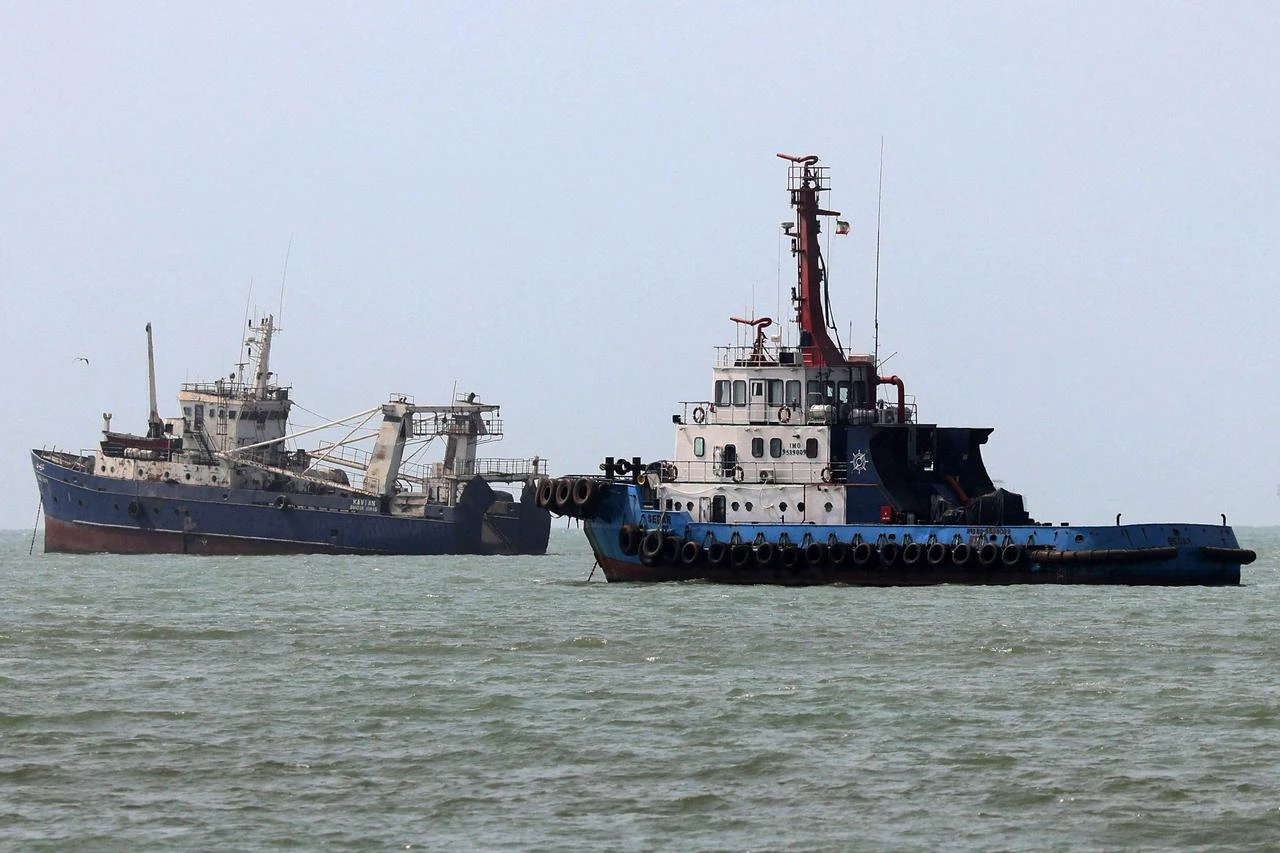
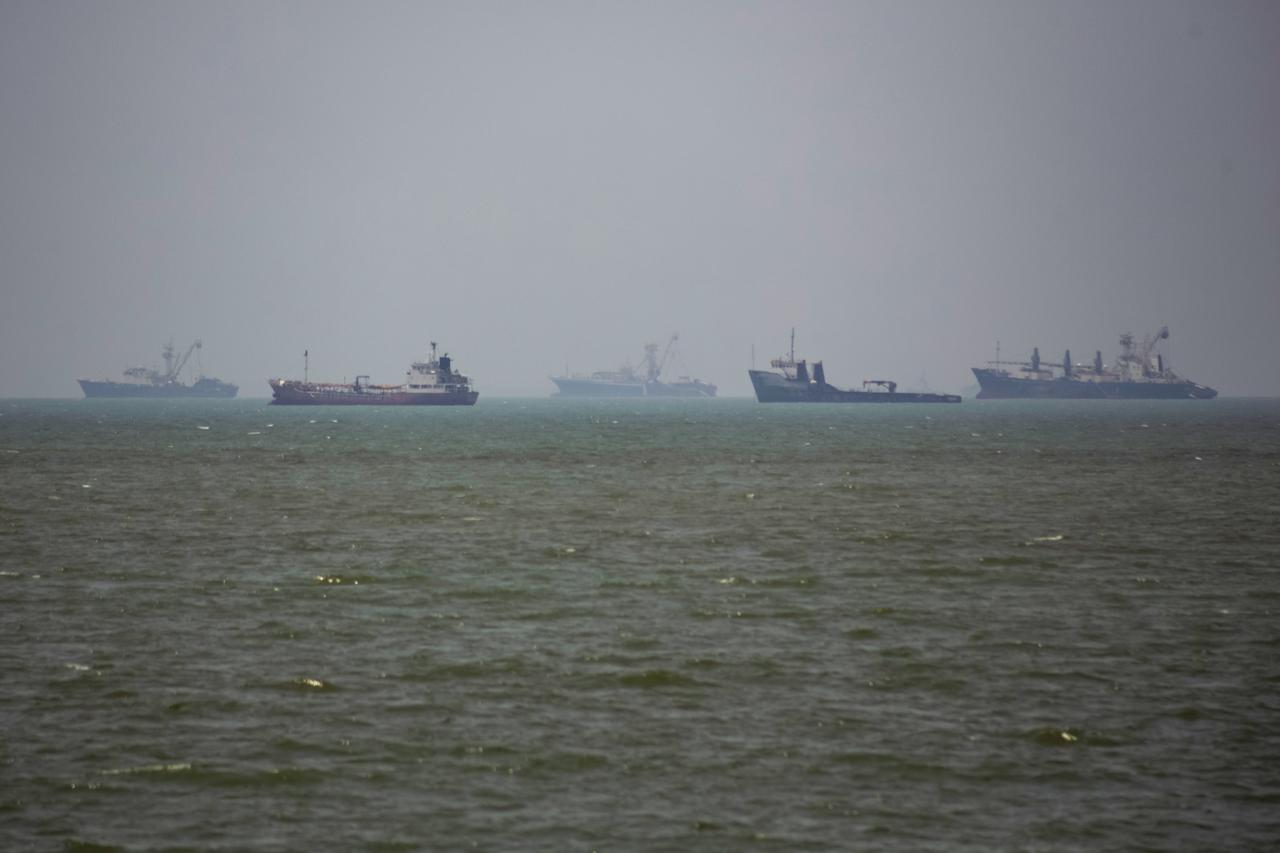
On Thursday, the UK Maritime Trade Operations (UKMTO) center reported that an unidentified projectile struck a cargo vessel off the coast of Oman, damaging the ship's bridge. No casualties or environmental damage were reported.
The incident was later identified as a drone strike that came hours after Tehran warned vessels not to use a route through the Strait of Hormuz without its permission.
The attack also prompted the UN's International Maritime Organization (IMO) to suspend its planned evacuation of stranded ships carrying more than 11,000 sailors through the Strait of Hormuz after Iran's military described the proposed route as "unacceptable and completely dangerous."
In a Truth Social post on Friday, U.S. President Donald Trump accused Tehran of launching four one-way attack drones at the cargo ship. He said U.S. forces intercepted three, while the fourth struck the vessel and caused damage, calling Iran's actions a "foolish violation" of the ceasefire.
Speaking to reporters in the Oval Office before the military operation was announced, Trump declined to say whether the U.S. would respond. "You'll find out," he said.
Later, addressing the Faith & Freedom Coalition's 2026 Policy Conference in Washington, Trump argued that Iran still retained "some capability" despite repeated U.S. strikes on its military infrastructure.
Trump also argued that Iran's naval, air and missile capabilities had been severely degraded, claiming the country had "virtually no manufacturing" capacity left and that its military leadership had been significantly weakened.
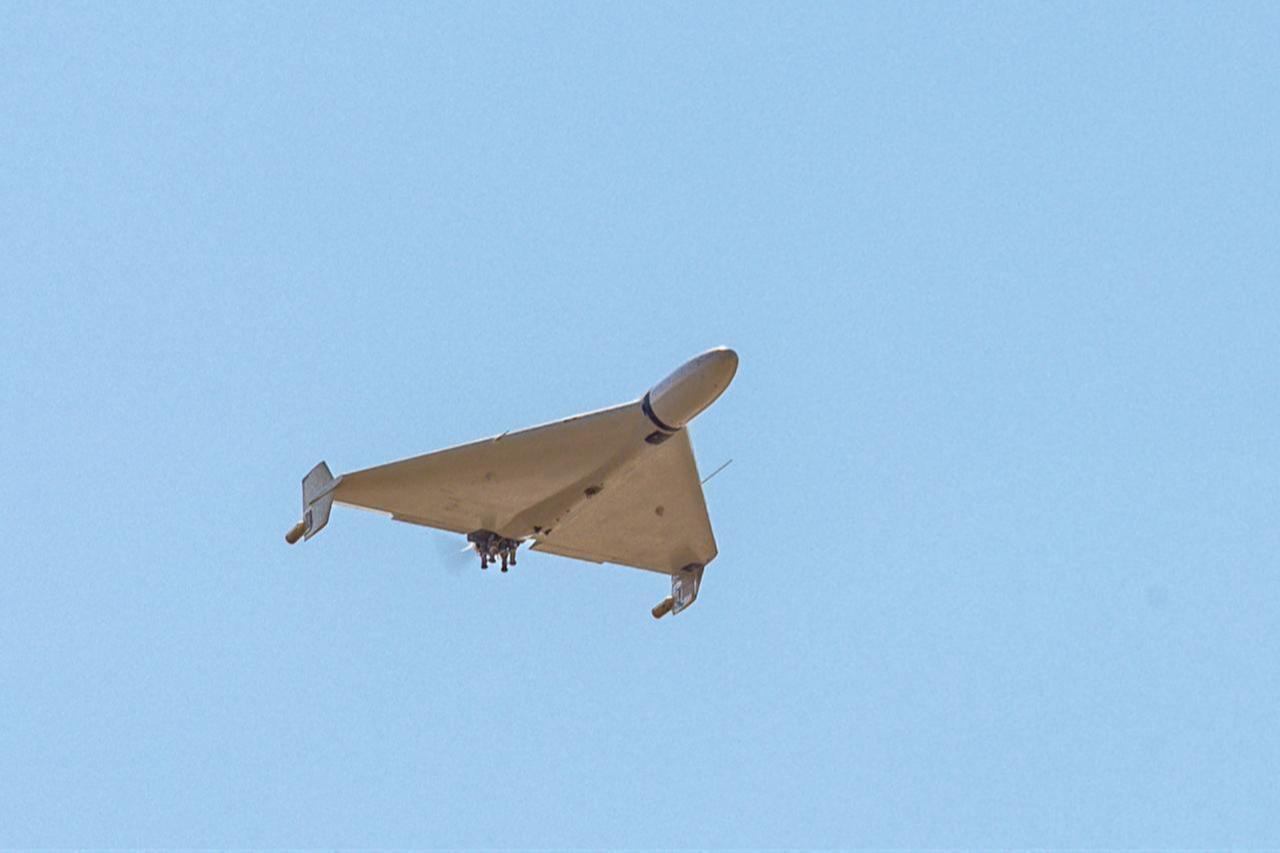

The strikes mark the first direct U.S. military action against Iran since Washington and Tehran agreed on June 17 to halt hostilities under a 14-point memorandum of understanding.
Iranian lawmaker Ebrahim Azizi, who chairs parliament's National Security and Foreign Policy Commission, accused the U.S. of violating the ceasefire by striking targets in southern Iran.
"The failed U.S. President (Donald Trump) has shown that he is not committed to the principles of negotiations or the ceasefire," Azizi wrote on X.
He argued that the latest strike amounted to a "reckless violation" of the ceasefire and warned that "as always, it will lead to their retreat and regret. The blame game no longer works."
The framework calls on Iran to use its "best efforts" to ensure the safe passage of commercial vessels through the Strait of Hormuz for 60 days without charge, while both sides committed to avoiding military escalation.
CENTCOM said U.S. forces continue to coordinate and support the safe transit of commercial vessels through the strategic waterway and remain in the region to ensure all aspects of the agreement with Iran are upheld.


 Set as preferred source
 Set as preferred source


 1 min read
 1 min read