Newsletters


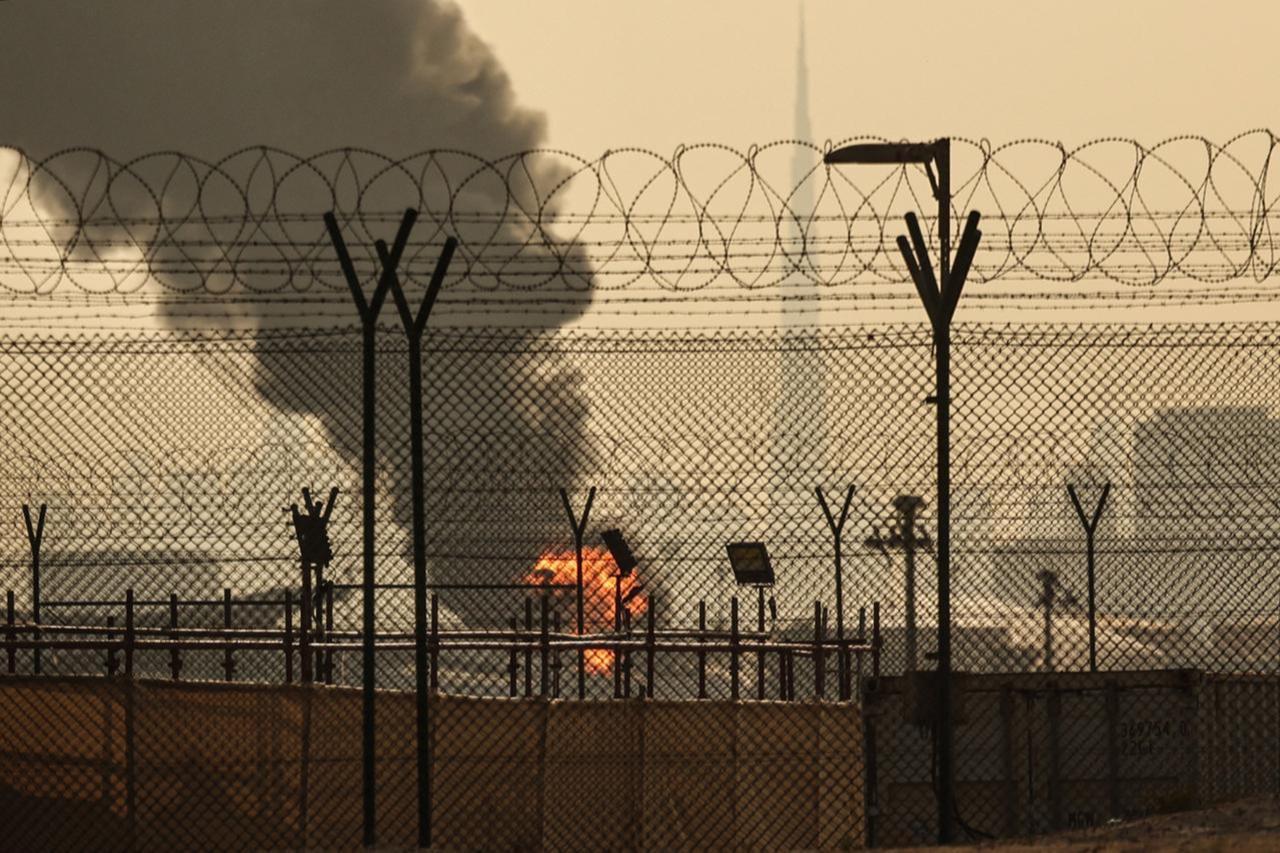


An Iranian national security analyst has warned on state television that Tehran's armed forces stand ready to capture the coastlines of Bahrain and the United Arab Emirates, a provocative declaration that underscores the deepening hostility between Iran and its Gulf Arab neighbours nearly a month into the ongoing war.
Morteza Simiari, speaking to Iran's state broadcaster IRIB, said Iran's military is "ready to take action" should the United States "make any mistake" in the region and that Tehran's forces are prepared to "fundamentally alter the regional landscape." His warning was unequivocal: "Entering the coasts of the UAE and Bahrain is on the agenda."
The remarks represent some of the most explicit territorial threats Iran has directed at its Gulf neighbours since the conflict began on 28 February, when the United States and Israel launched coordinated strikes on Iranian military and leadership targets. Iran has since retaliated with sustained barrages of missiles and drones targeting US military installations and infrastructure across the Gulf, drawing countries that sought to avoid the conflict directly into its crosshairs.

The UAE has borne the heaviest burden of Iran's retaliatory campaign. According to UAE defence ministry figures, the country has intercepted 338 ballistic missiles and 1,740 drones since hostilities began, a relentless aerial assault that has killed civilians, damaged critical infrastructure, and disrupted commercial aviation and energy operations.
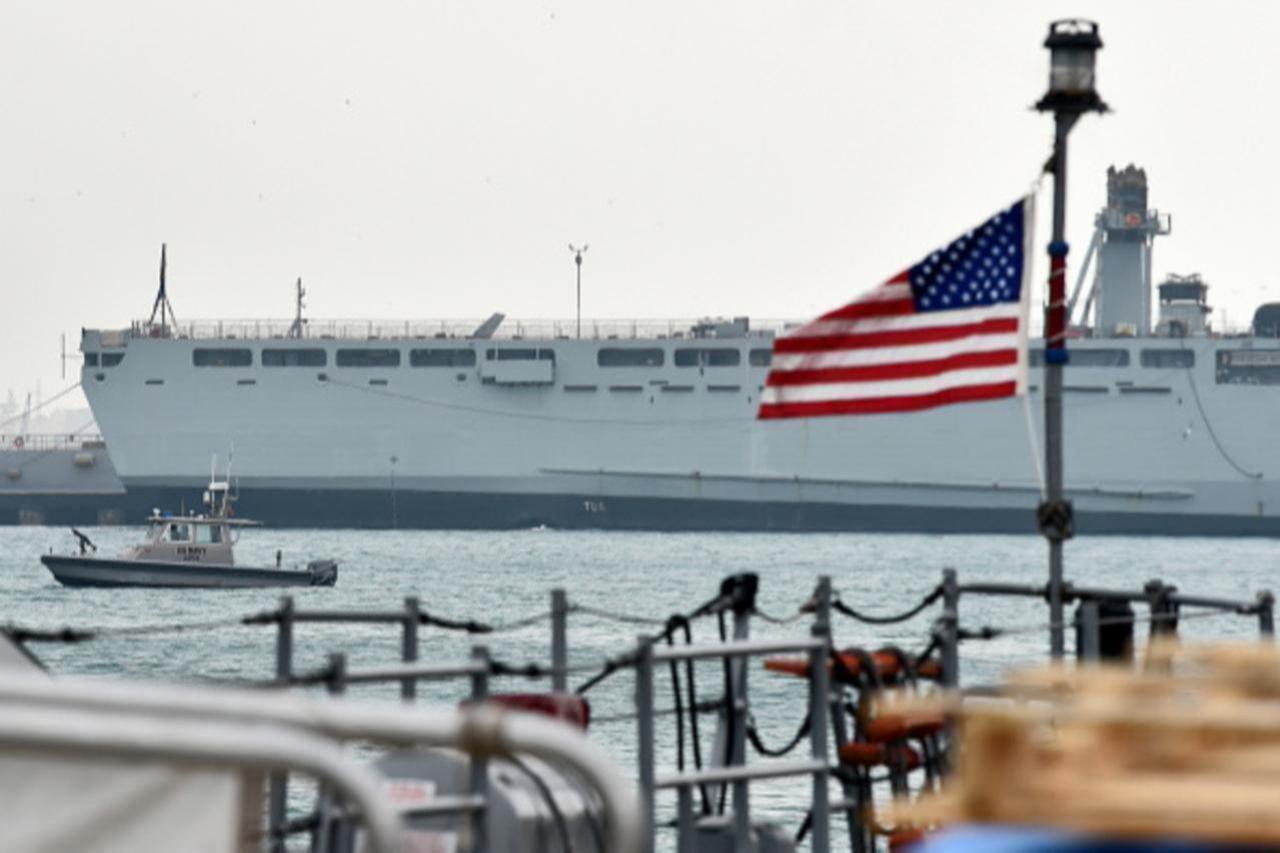
Despite initially lobbying US President Donald Trump against military action on Iran, both Saudi Arabia and the UAE have shifted toward supporting the war effort. Riyadh has moved to open King Fahd Air Base in Taif, in western Saudi Arabia, to American forces, while Abu Dhabi has signalled its readiness for a protracted conflict. In a phone call earlier this month, UAE Foreign Minister Abdullah bin Zayed told US Secretary of State Marco Rubio that the Emirates is prepared for the war to last up to nine months, according to a US official.
Simiari's threat came days after bin Zayed publicly denounced Iranian attacks on the UAE, declaring that his country will "never be blackmailed by terrorists." The Emirati foreign minister's comments were made in response to former French Ambassador to the US Gerard Araud, who had questioned remarks by UAE presidential adviser Anwar Gargash about deepening Emirati-American security cooperation.
Gargash had framed the shift in stark terms, saying that "blatant Iranian aggression against the Arab Gulf states" carries deep geopolitical consequences and has made the Iranian threat "a central focus of Gulf strategic thinking." He added that Abu Dhabi was consolidating its "security partnerships with Washington" as a result.
Araud pushed back, warning that such a course "means deepening your dependence on a country that has led yours into a disastrous conflict without caring about your interests," a pointed reference to the Gulf states' entanglement in a war many of their leaders had actively sought to prevent.


 Set as preferred source
 Set as preferred source


 1 min read

 1 min read