

 Newsletters


Iran’s Foreign Ministry on Monday ridiculed U.S. Central Command's (CENTCOM) new Task Force Iron Gate, saying the plan to choke Iran’s land routes was an attempt by U.S. military officials to cover up their failures after Republicans’ midterm defeat and was bound to fail.
"The CENTCOM commander apparently changes jobs very quickly," spokesman Esmaeil Baghaei told his weekly news conference.
"After the 'glories' he achieved for his country in Minab, Lamerd and Sirik, he moved on to producing podcasts, and now apparently is going to produce a new episode of Teenage Mutant Ninja Turtles from Florida!" he added.
"A 20-person group wants to carry out such actions. We know what their previous actions were. Without a doubt, their new actions will have no fate other than the previous ones, which led to failure," Baghaei said.
The idea of Iron Gate was put forward by U.S. military officials "trying to somehow compensate for their failure, especially the day after the elections, when they must now be held accountable" for leading the U.S. into what he called an illegal war, Baghaei said.
CENTCOM’s roughly 20-member Tampa-based task force aims to disrupt the movement of weapons, dual-use technology, sanctioned materials and illicit revenue across Iran’s land borders, which it shares with Afghanistan, Armenia, Azerbaijan, Iraq, Pakistan, Türkiye and Turkmenistan, and the Caspian Sea.
Baghaei called the U.S. offer of up to $20 million for information on Iran’s nuclear program "a sign of confusion," saying Washington aims "to keep alive the lie on the basis of which they imposed a war on the world."
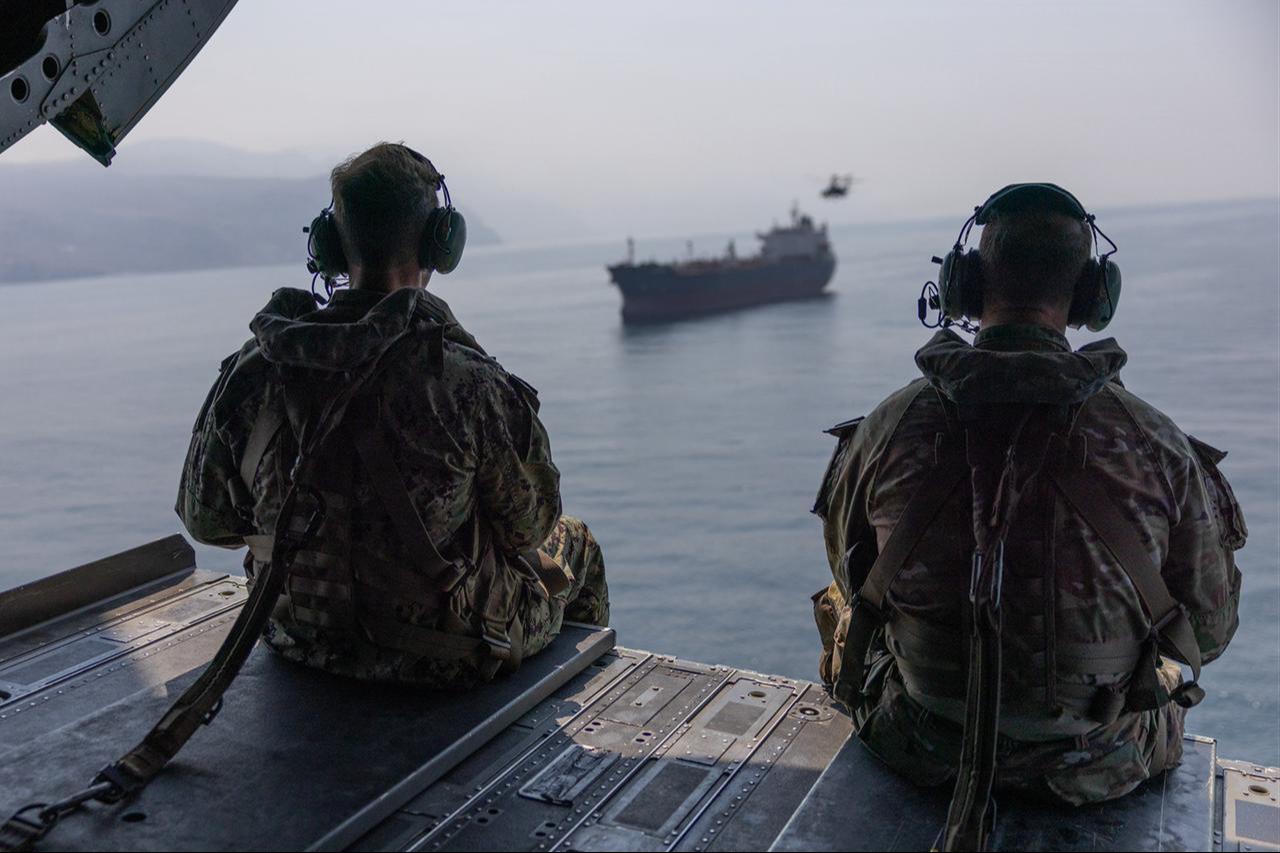

Baghaei said Iran has not submitted any new proposal, including via Qatar, and that its plan, cut from seven days to two, "remains on the table as the most logical, operational and structured roadmap."
"If the other side has the slightest seriousness, Iran can fulfill its commitments within two days," he said.
Iran’s demands, lifting the naval blockade, ending the war on all fronts, releasing frozen assets and removing sanctions imposed in recent months, were accepted by Washington under the 14-point Islamabad memorandum before it "reneged," he said.
Before the U.S. violated the deal, Iran had restored 65% of Hormuz shipping traffic to pre-war levels, he added.
Responding to Secretary of State Marco Rubio calling Iran’s demands "ridiculous," Baghaei asked: "Where is it illogical that America must first end illegal sanctions to start any negotiation? What is illogical and ridiculous is America’s attack on Iran in the middle of negotiations."
He said the U.S.-Iran agreement in Islamabad "did not last more than two weeks."
"Tehran will only sign and implement an agreement that fully secures the national interests and legal rights of the Iranian nation," he said, adding that Iran maintains continuous consultations with mediators Pakistan and Qatar.
Asked about Qatar’s call for a "good," rather than perfect, deal, he said: "We have experienced a doable agreement once."
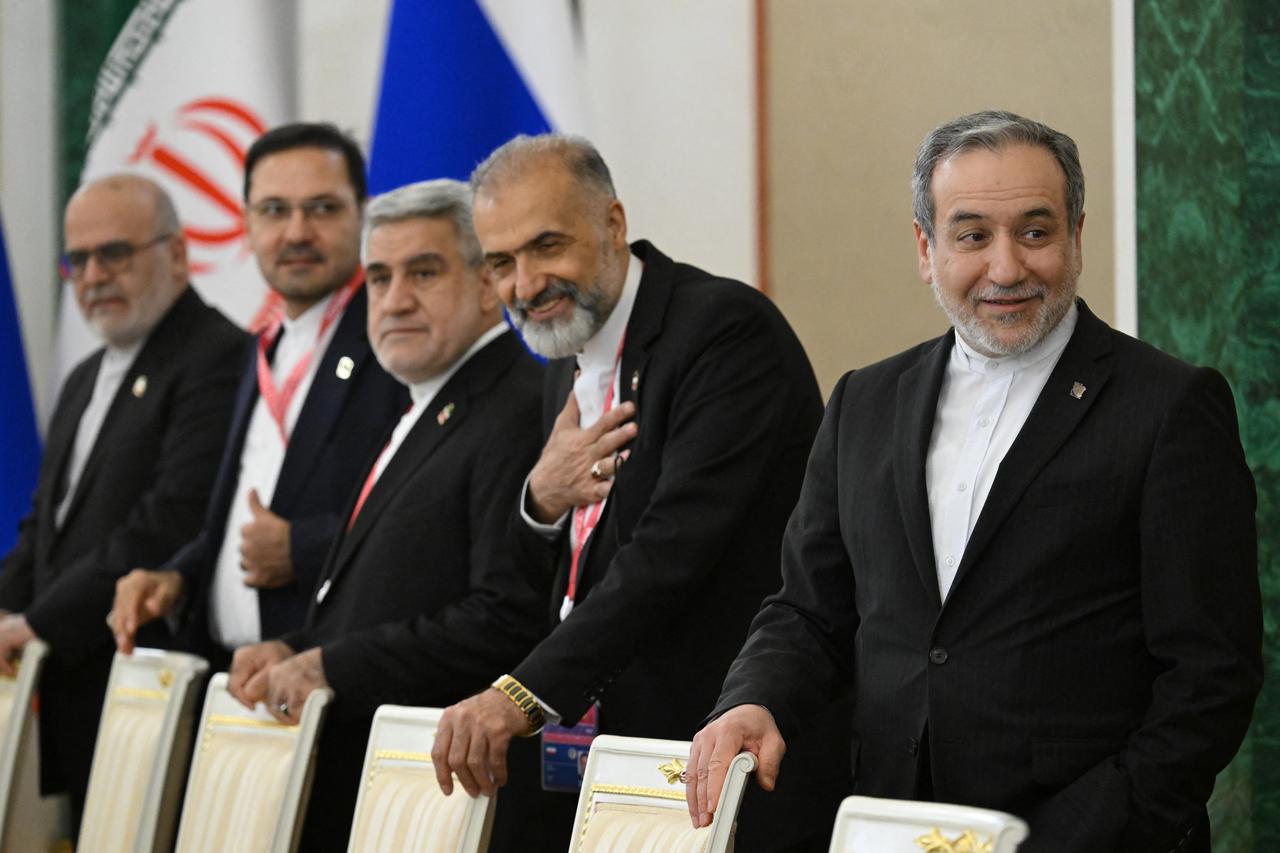
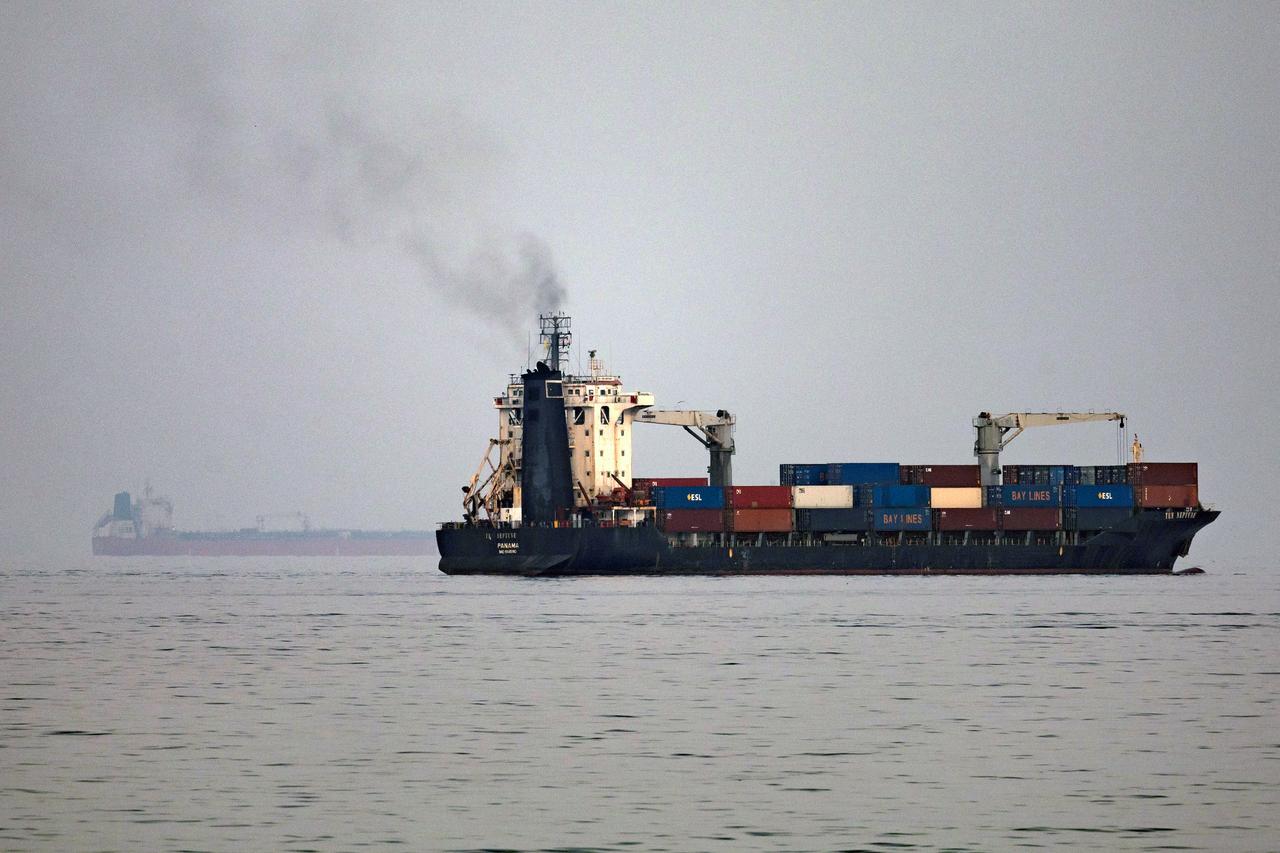
"The Strait of Hormuz has always been a secure waterway, and the recent instability is a direct consequence of the interventionist and aggressive actions of the United States and the Zionist regime," Baghaei said, adding that all vessels must coordinate with Iranian authorities.
Ships crossing "unsafe routes" under U.S. pressure often "suffer accidents," he said, and Iranian forces both capture and down U.S. drones violating Iranian airspace.
On the U.S. midterms, Baghaei said: "What caused this situation was not America’s war, but the resistance and epic of the Iranians. Today, the field is Iran’s field."
He said the result was "an opportunity" but did not mean optimism about the incoming political current, adding: "We have been wounded by both U.S. political spectrums in these 50 years."
On Trump citing a "dislike" for Israel among voters, he said: "We must see what happens in practice."
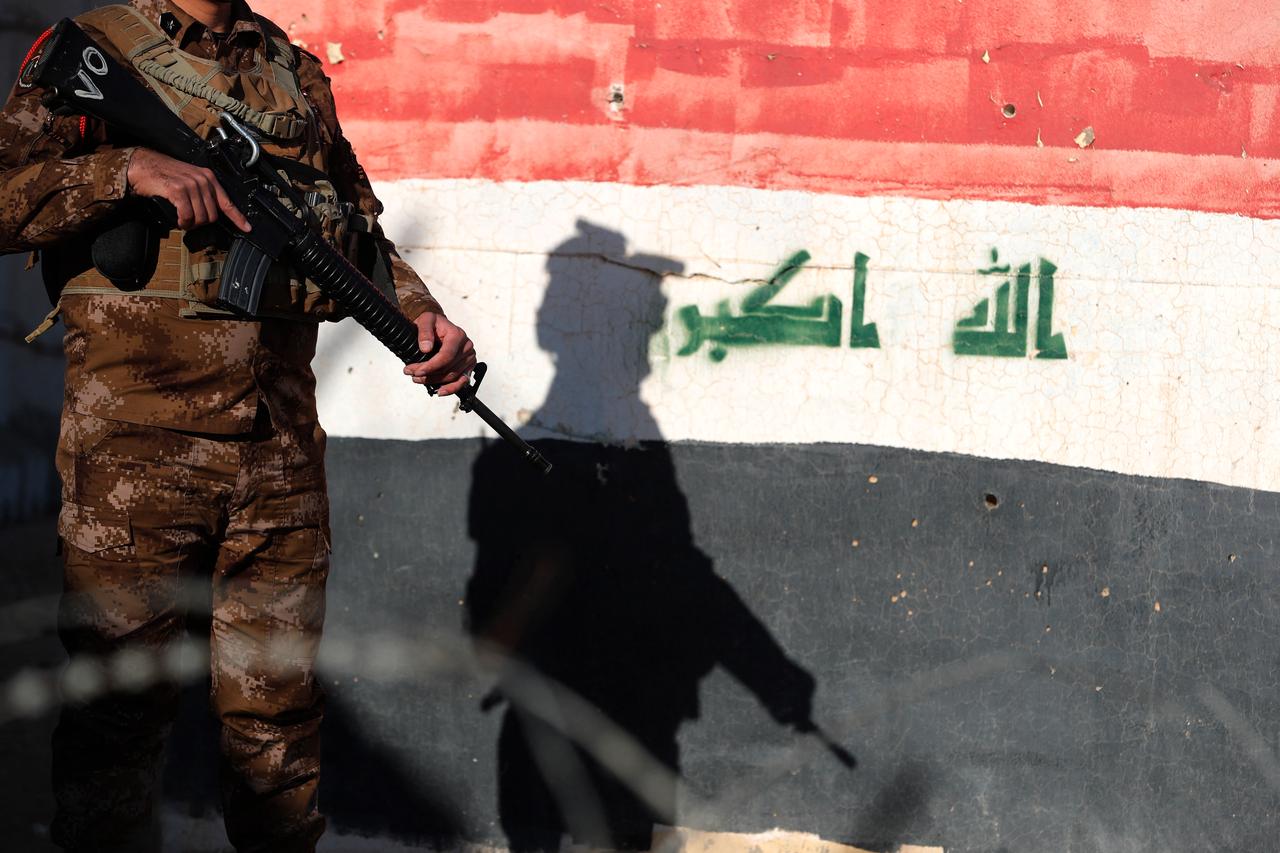
U.S. pressure on Iraq to close border crossings "cannot and must not damage the long-standing ties" between Iranians and Iraqis, Baghaei said.
On a U.S.-Armenia-Azerbaijan transit project, he said Armenia had assured Tehran it would not change borders or geopolitics, would be built by Armenian companies and would involve no U.S. military forces, but Iran is watching "with open eyes."
He urged South Korea, which plans to send forces to help reopen Hormuz, to "keep themselves away," said Iran’s ties with Pakistan go beyond mediation, urged Bahrain to reconsider trials of Shiite clerics and called on Saudi Arabia to halt attacks on Yemen, claiming more than 80 Yemenis were killed Sunday.
He said Iran’s ties with India are important within BRICS and the Shanghai Cooperation Organization.
"The U.S. administration must realize the magnitude of the repercussions and dire consequences that may result from launching a war against us," Baghaei warned.
The remarks come amid diplomatic efforts to revive the Iran-U.S. understanding reached through Pakistani mediation following the military conflict that began with U.S. and Israeli strikes on Iran on Feb. 28.
The 14-point Islamabad memorandum, reached in June, provided a framework for de-escalation, including arrangements concerning maritime security in the Strait of Hormuz, sanctions relief and the cessation of hostilities.
However, disagreements over implementation and renewed military confrontations have prevented a lasting settlement, leaving shipping through the strategic waterway subject to continuing restrictions.


 Set as preferred source
 Set as preferred source


 2 min read
 1 min read


