Newsletters


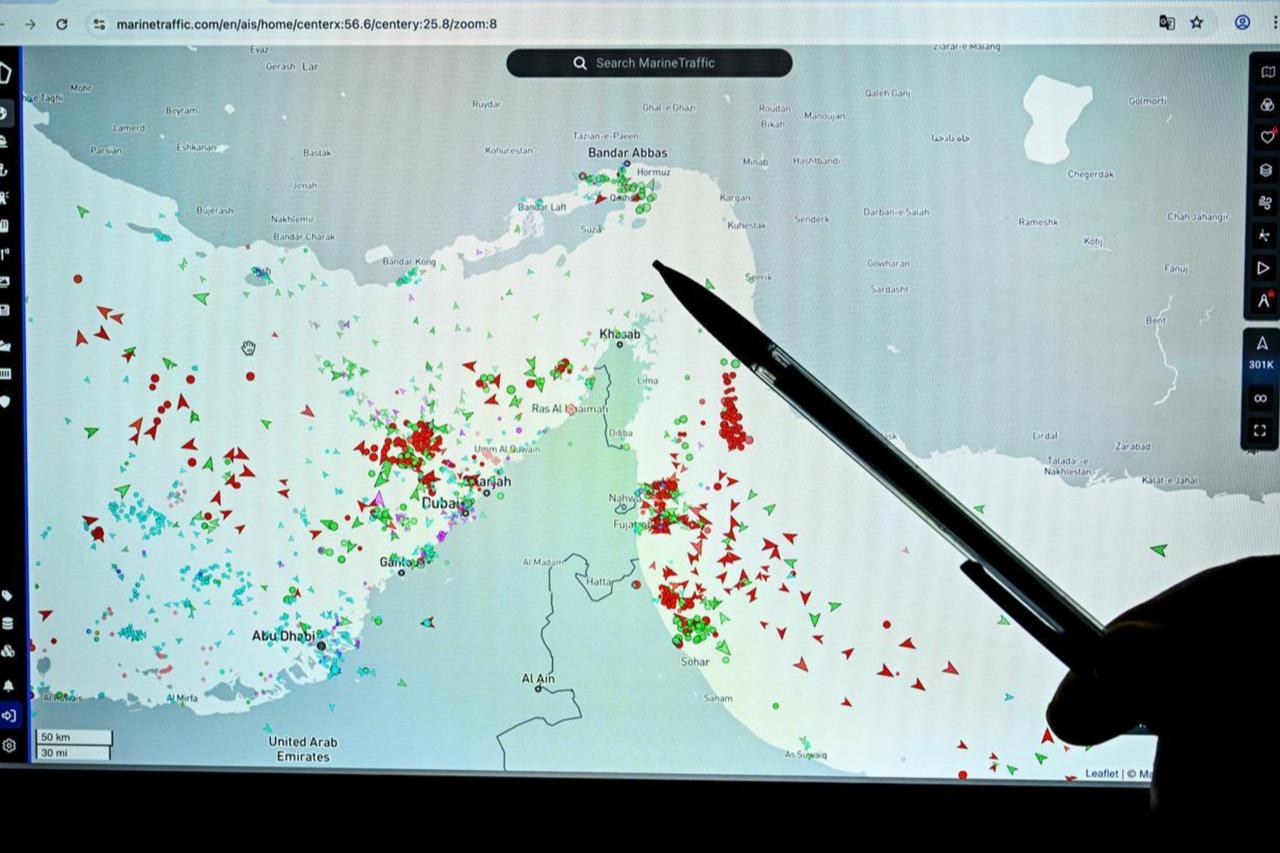


The Group of Seven (G7) countries are ready to take "necessary measures" to secure global energy flows and protect maritime routes through the Strait of Hormuz, according to a joint statement issued by foreign ministers on Saturday.
"We reaffirm the importance of safeguarding maritime routes and safety of navigation ... as well as the safety and security of supply chains and the stability of energy markets," foreign ministers of Canada, France, Germany, Italy, Japan, the United Kingdom, and the United States, along with the European Union’s foreign policy chief, said.
The Strait of Hormuz, a vital energy corridor for global markets that supplies a fifth of oil and liquefied natural gas, remains effectively closed to shipping traffic since Feb. 28, sending prices doubling.
The statement follows earlier calls by U.S. President Donald Trump urging allied nations to take part in efforts to secure the Strait of Hormuz and keep shipping routes open.
In addition, the ministers signaled they were prepared to back concrete steps to stabilize supply, including coordinated stockpile releases, pointing to the International Energy Agency’s (IEA) Mar. 11 decision, in which members agreed to the largest-ever release of 400 million barrels from emergency reserves to ease market pressure.

The ministers also condemned Iranian strikes targeting civilian and energy infrastructure across Bahrain, Kuwait, Oman, Qatar, Saudi Arabia, the United Arab Emirates, Jordan, and Iraq.
"We call for the immediate and unconditional cessation of all attacks," the ministers said, warning that the incidents threatened both regional and global security. They added that countries targeted by such attacks had the right to defend their territories and protect their citizens.
The G7 reiterated its stance that Iran must not obtain nuclear weapons and should halt its ballistic missile program, while calling for an end to its regional activities.


 Set as preferred source
 Set as preferred source


 1 min read
 1 min read