Newsletters


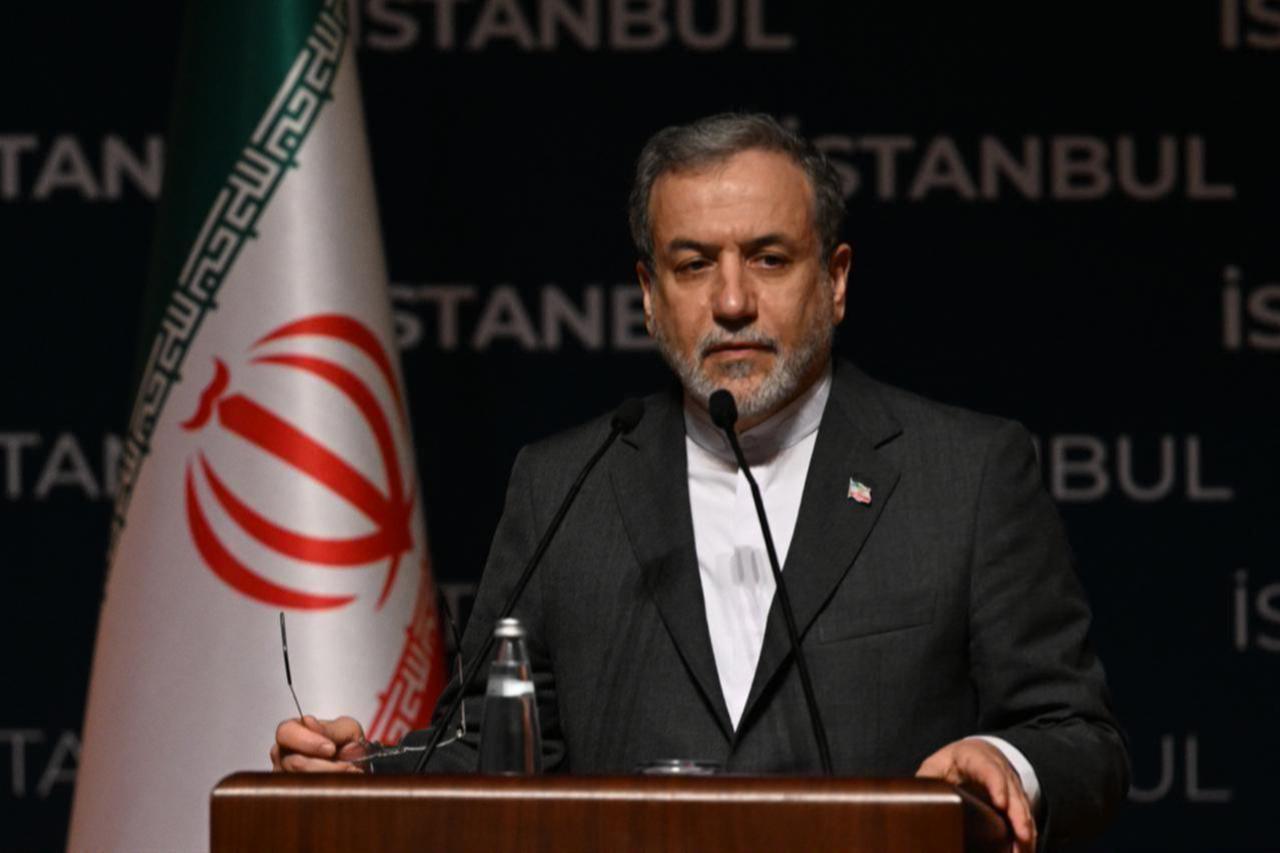


Iran's Foreign Minister Abbas Araghchi refuted U.S. claims on Wednesday of direct negotiations and warned over access to the Strait of Hormuz as the Middle East conflict entered its fourth week with continued military exchanges across multiple fronts.
Araghchi said Iran’s current policy was focused on defending the country. He noted that some ideas had been conveyed through messages and passed to senior authorities, adding that any official position would be announced if deemed necessary.
"We do not intend to negotiate," he told state television, stressing that Tehran seeks to end the war rather than agree to a temporary cease-fire.
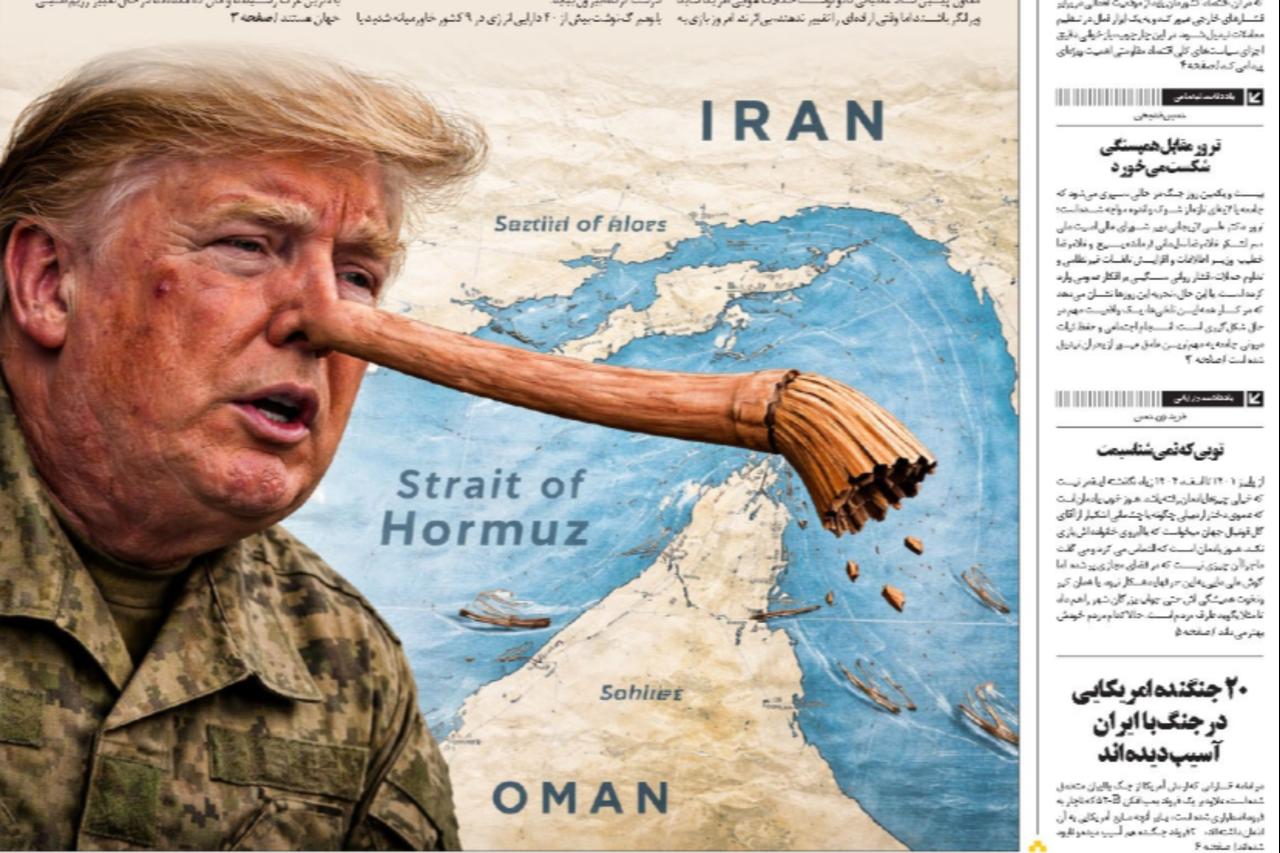
U.S. officials, meanwhile, indicated that diplomatic efforts were ongoing, with President Donald Trump suggesting that Iran was effectively engaged in talks but unwilling to acknowledge it publicly.
Araghchi described ceasefire proposals raised by some foreign ministers and leaders during phone calls as insufficient, arguing that they would only create a cycle of repeated conflict. Iran had conveyed its stance in those contacts, he added.
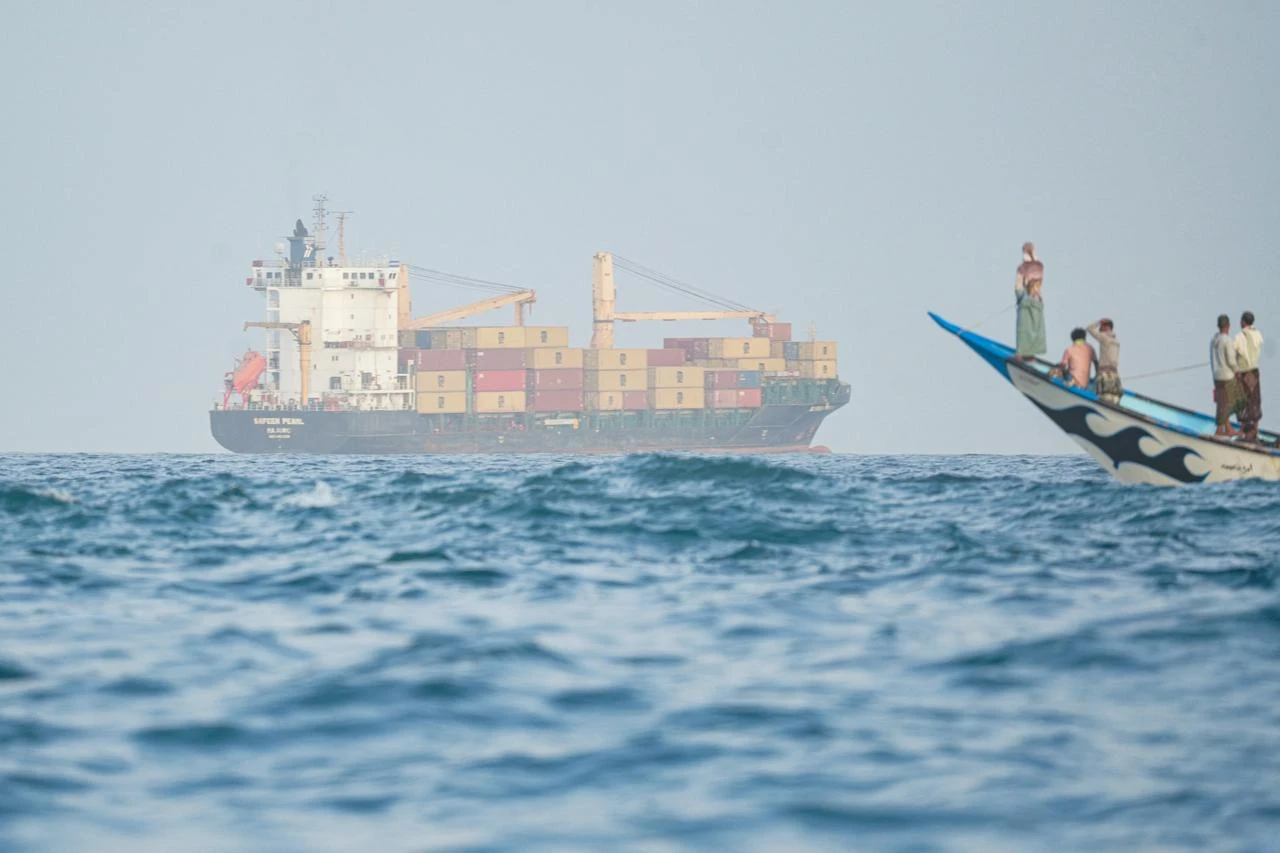
He said Iran had warned all countries that any military presence in the Strait of Hormuz would increase tensions. He stressed that the waterway lies within Iran’s territorial control and sovereignty. "The strait is not closed, only to enemies and those aligned with them," he said.
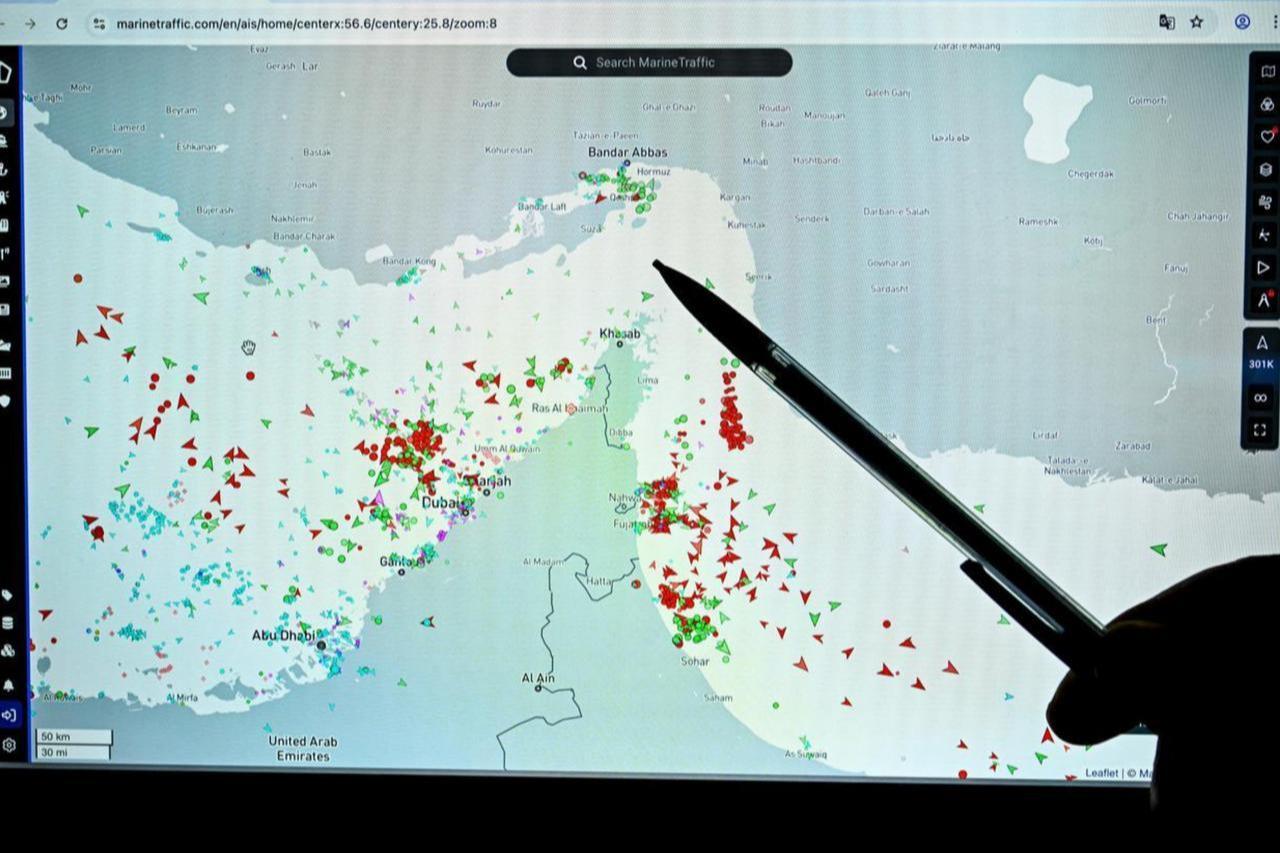

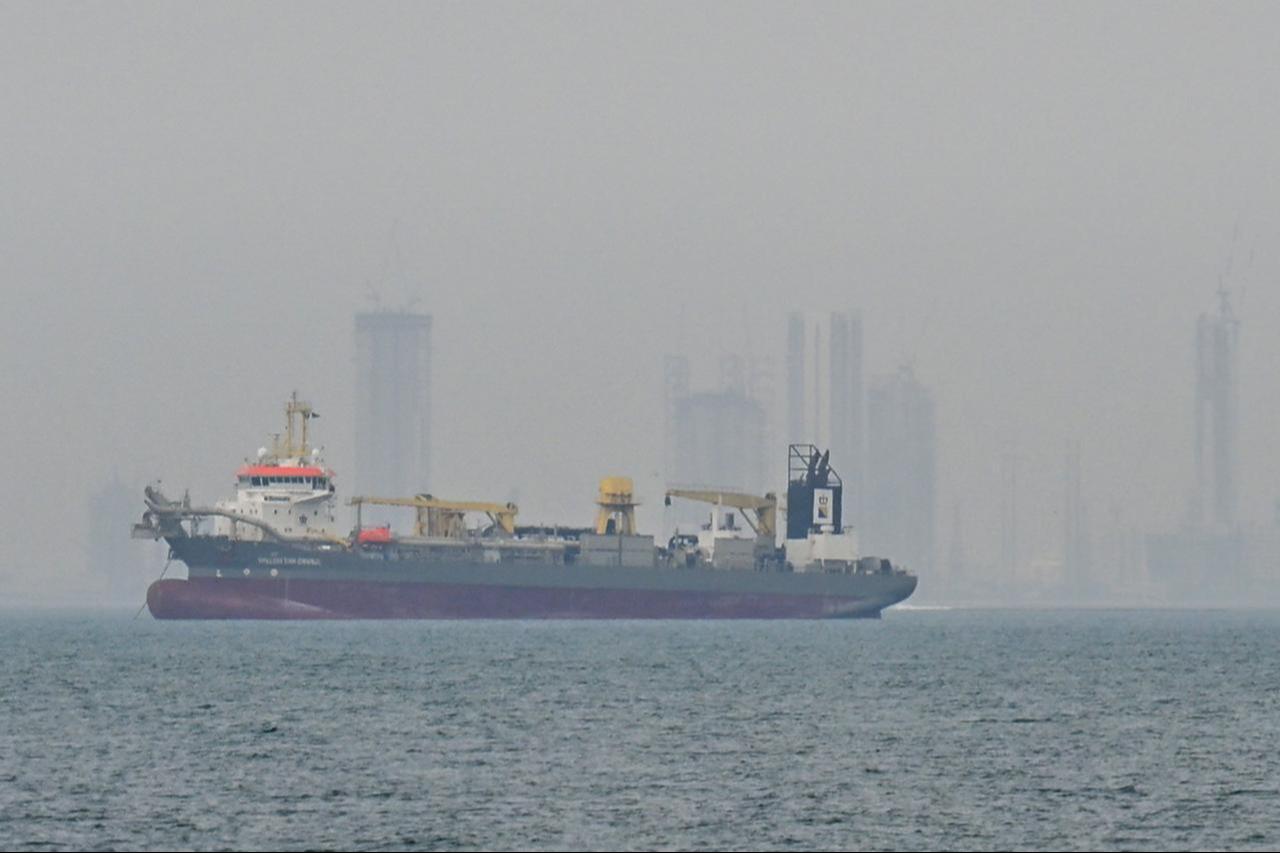
Vessels were currently unable to pass largely due to insurance limitations under wartime conditions, Araghchi emphasized. Some countries had contacted Iran to request transit, and certain passages had been approved.
Ships from China, Russia, Iraq, Pakistan, India and Bangladesh were among those allowed to pass, and Araghchi said this arrangement would continue after the war.
Commenting on U.S. threats to target Iran’s infrastructure, Araghchi said the armed forces had issued warnings that such actions could lead to severe consequences. He also said the cost of the war was being borne by both the American public and people across the region.
Araghchi criticized European countries, saying they opposed the war in principle but had not taken concrete steps to condemn attacks on Iran, adding that this showed they were not a decisive actor on the international stage.
He also thanked Türkiye, Azerbaijan, Armenia, Afghanistan and Saudi Arabia for assisting Iranian pilgrims stranded abroad during the conflict.


 Set as preferred source
 Set as preferred source


 1 min read
 1 min read