Newsletters


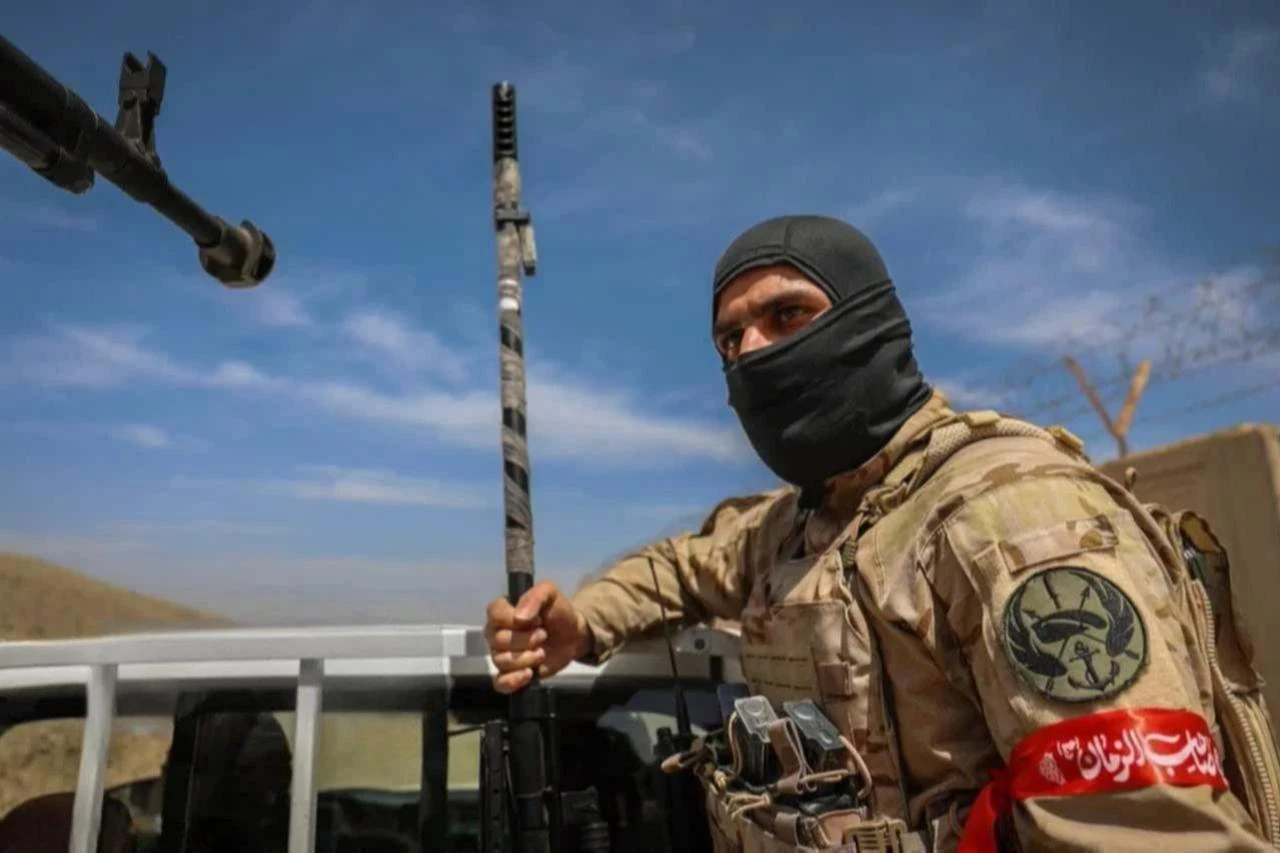


Iran's supreme leader has appointed Ahmad Vahidi as commander-in-chief of the Islamic Revolutionary Guard Corps and Ali Abdollahi as chief of staff of the armed forces, state media reported Monday, filling two of the country's most senior military posts left vacant by the deaths of their predecessors.
The appointments, announced separately by state broadcaster IRIB and the state-run IRNA news agency, come as the Revolutionary Guards said Iranian missiles have been upgraded with guidance systems that allow them to change course mid-flight to evade air defenses.
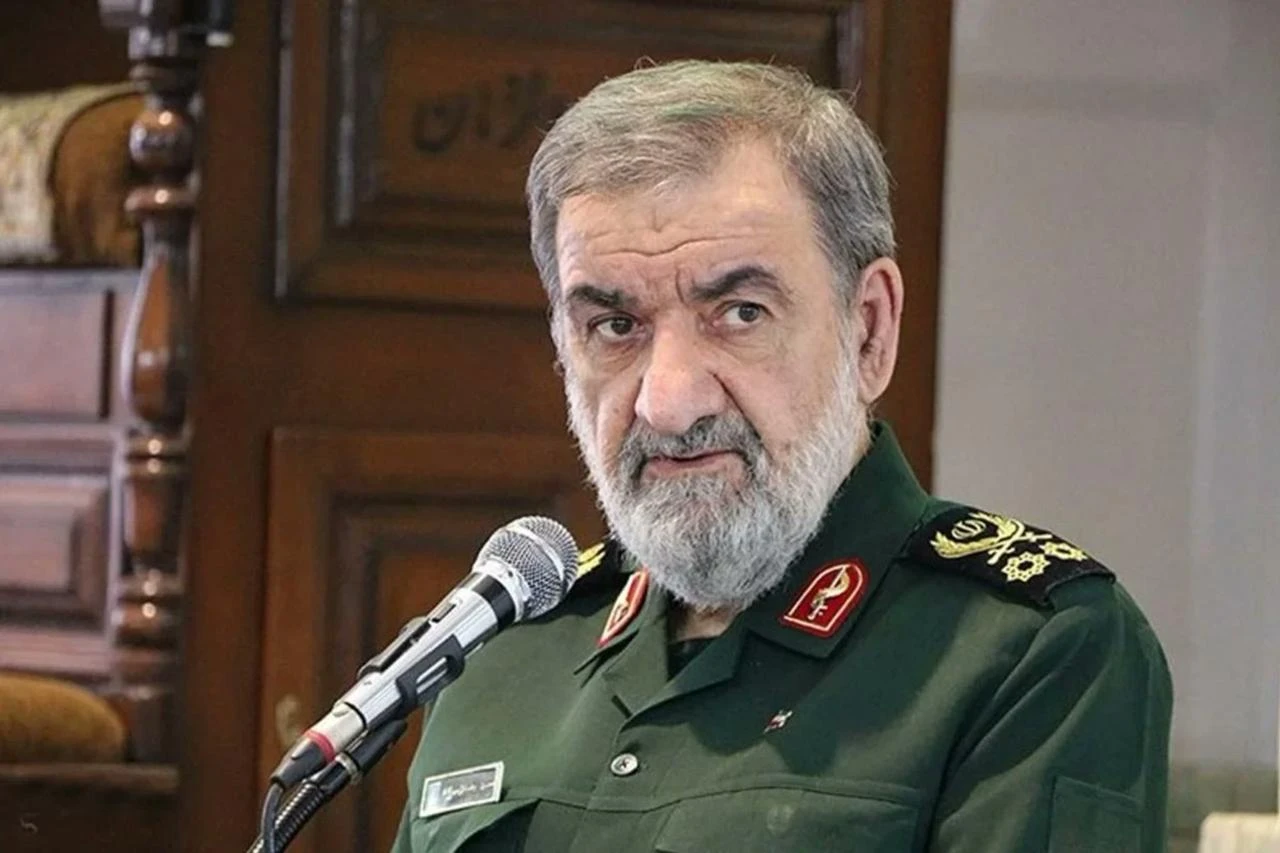
Vahidi was named commander-in-chief of the IRGC, replacing Gen. Mohammad Pakpour, who was killed, according to IRIB. Vahidi is a longtime IRGC figure who previously served as Iran's defense minister from 2009 to 2013 and later as interior minister from 2021 to 2024.
Early in his career he also headed the Guards' Quds Force, the branch responsible for extraterritorial operations, before Qassem Soleimani took over that post.
He has for years been under US Treasury sanctions and is the subject of an Interpol red notice linked to the 1994 bombing of a Jewish community center in Buenos Aires, Argentina, that killed 85 people.
Separately, Abdollahi was appointed chief of staff of the armed forces, succeeding Gen. Abdolrahim Mousavi, who was also killed, IRNA reported.
Abdollahi is a veteran IRGC commander whose career spans command of Guards ground forces, the IRGC air force and Iran's law enforcement command, as well as postings as governor of Gilan and Semnan provinces.
He most recently served as the armed forces' coordinating deputy chief of staff. He has also been under US Treasury sanctions since 2019.
The appointments were announced as the IRGC said Iranian missile technology had advanced to allow in-flight course corrections.
"Iranian missiles are no longer like they were in the past, merely launched from one point to land at another," IRGC spokesman Hossein Mohabi said at an event in the northern city of Qazvin, according to IRNA.
"They now possess guidance and course-changing capabilities, and some can alter their trajectory during flight to bypass the enemy's air defense systems," he added.
Mohabi said these capabilities were used during Iran's recent conflict with the United States to strike parts of what he called the enemy's power network, and that Tehran's approach to what he described as "technological warfare" extends beyond physically damaging buildings and equipment to targeting adversaries' decision-making and defense networks.
Iran has been engaged in military conflict with the United States since Washington and Israel launched a joint offensive against Tehran in February, escalating tensions across the region.
Iran responded with strikes on regional countries hosting US military assets.
A ceasefire was reached in April, followed by a memorandum of understanding in June aimed at ending the conflict and reaching a lasting peace agreement. That agreement collapsed last month, however, with Iran and the US trading attacks for nearly two weeks before US President Donald Trump halted the bombardment amid reports of renewed talks.


 Set as preferred source
 Set as preferred source


 1 min read
 1 min read