Newsletters


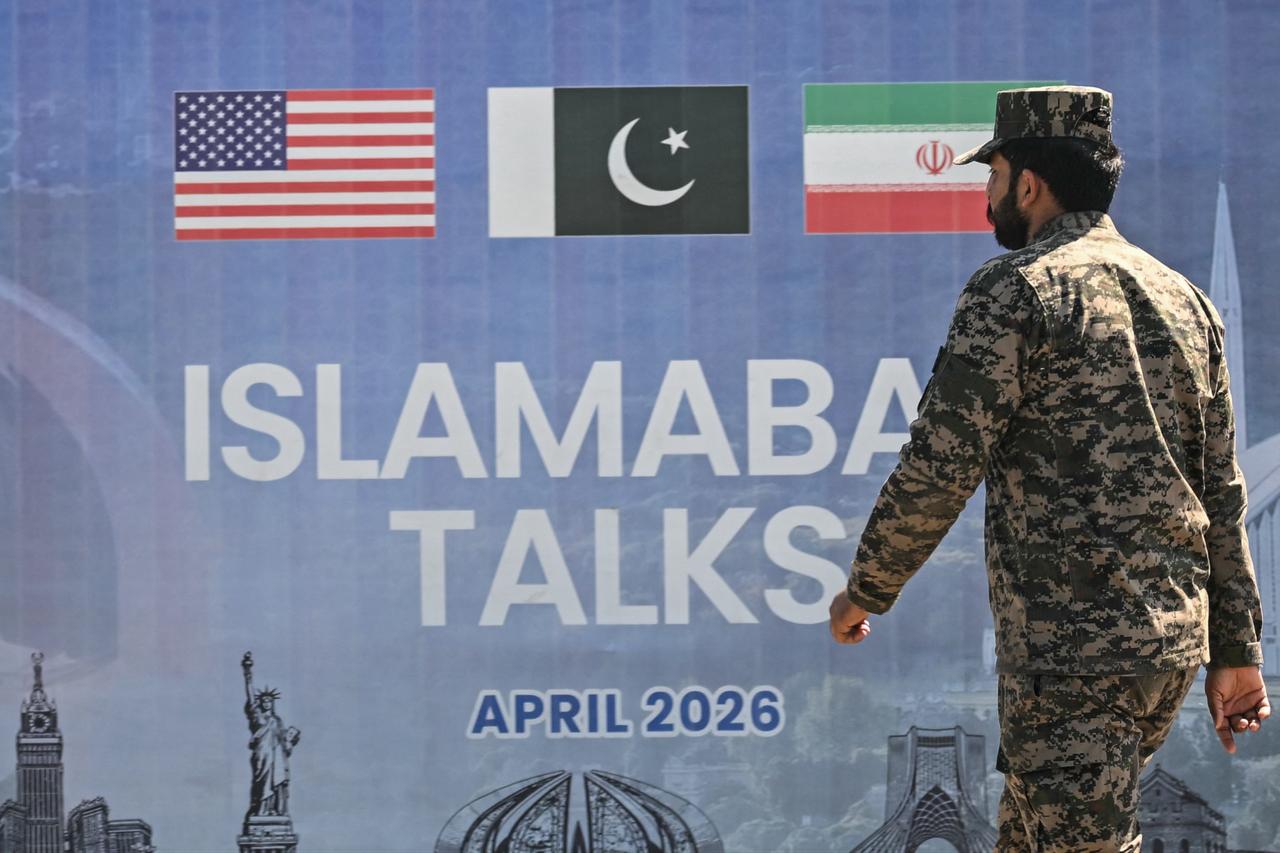


Iran is not ready to hold further in-person peace talks with the United States until Washington changes what Tehran described as its "maximalist" demands, Deputy Foreign Minister Saeed Khatibzadeh said, as negotiations continue through message exchanges and regional mediation efforts.
Khatibzadeh told The Associated Press that Iran wants the finalization of a "framework agreement" before moving to another face-to-face meeting.
"We are still not there yet to move on to an actual meeting because there are issues that the Americans have not yet abandoned their maximalist position," he said.
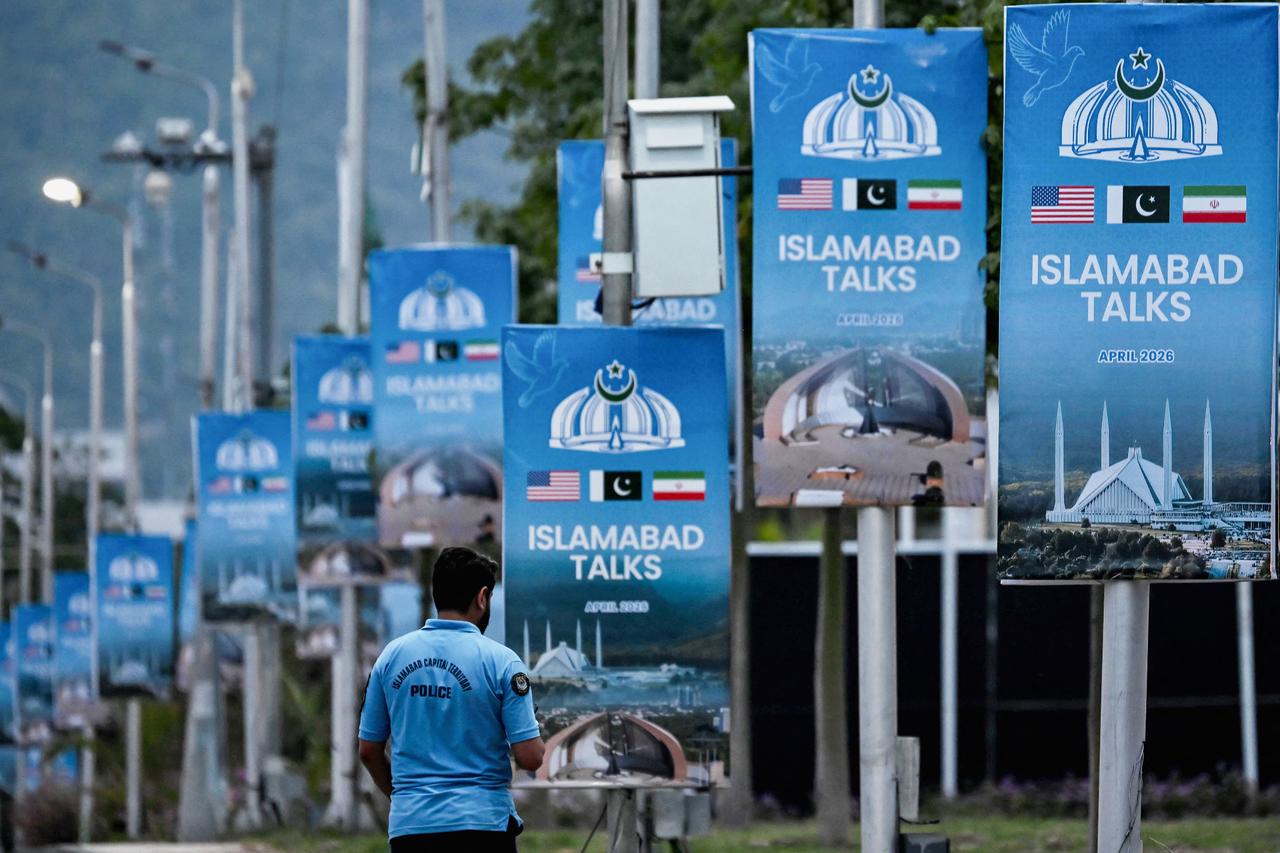
U.S. and Iranian delegations held talks in the Pakistani capital Islamabad last weekend, but the negotiations lasted less than a day and did not produce a deal.
Earlier this week, the White House said a second round of discussions would likely also be held in Islamabad, with Pakistan serving as a key mediator between the two countries.
Khatibzadeh said, however, that there have been many exchanges of messages between the parties in recent days. He also said Iran would not hand over its enriched uranium to the U.S., describing the idea as a "non-starter."
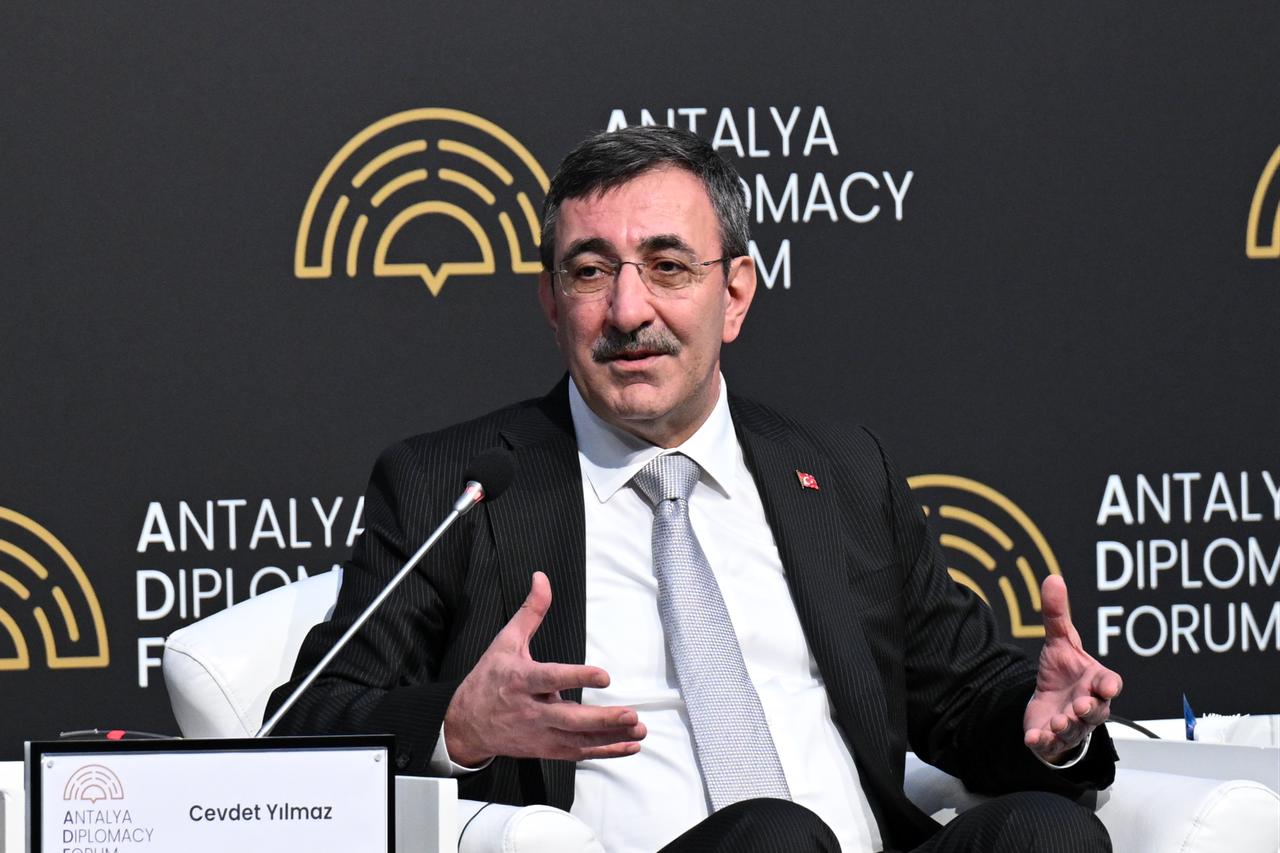
Türkiye's Vice President Cevdet Yilmaz said talks between Iran and the U.S. are expected to continue and will take time to conclude due to the number of complex issues involved.
Yilmaz, whose country has been supporting Pakistan's efforts to bring the sides together, told The Associated Press that he believes negotiations between Iran and the U.S. will continue.
He said there are many "complex issues" on the table in the negotiations.
"We would all like these talks to end all at once, in a very short time. But we need to be realistic. These comprehensive negotiations will take some time," Yilmaz said.
The vice president also said that a comprehensive settlement between Iran and the U.S. would be a prerequisite for free navigation through the Strait of Hormuz.
"What is the root cause here? The ongoing war. Therefore, the end of this war will provide the greatest guarantee," he said.
Yilmaz said Türkiye has been supporting Pakistan's efforts to help bring Iran and the U.S. together as negotiations continue.
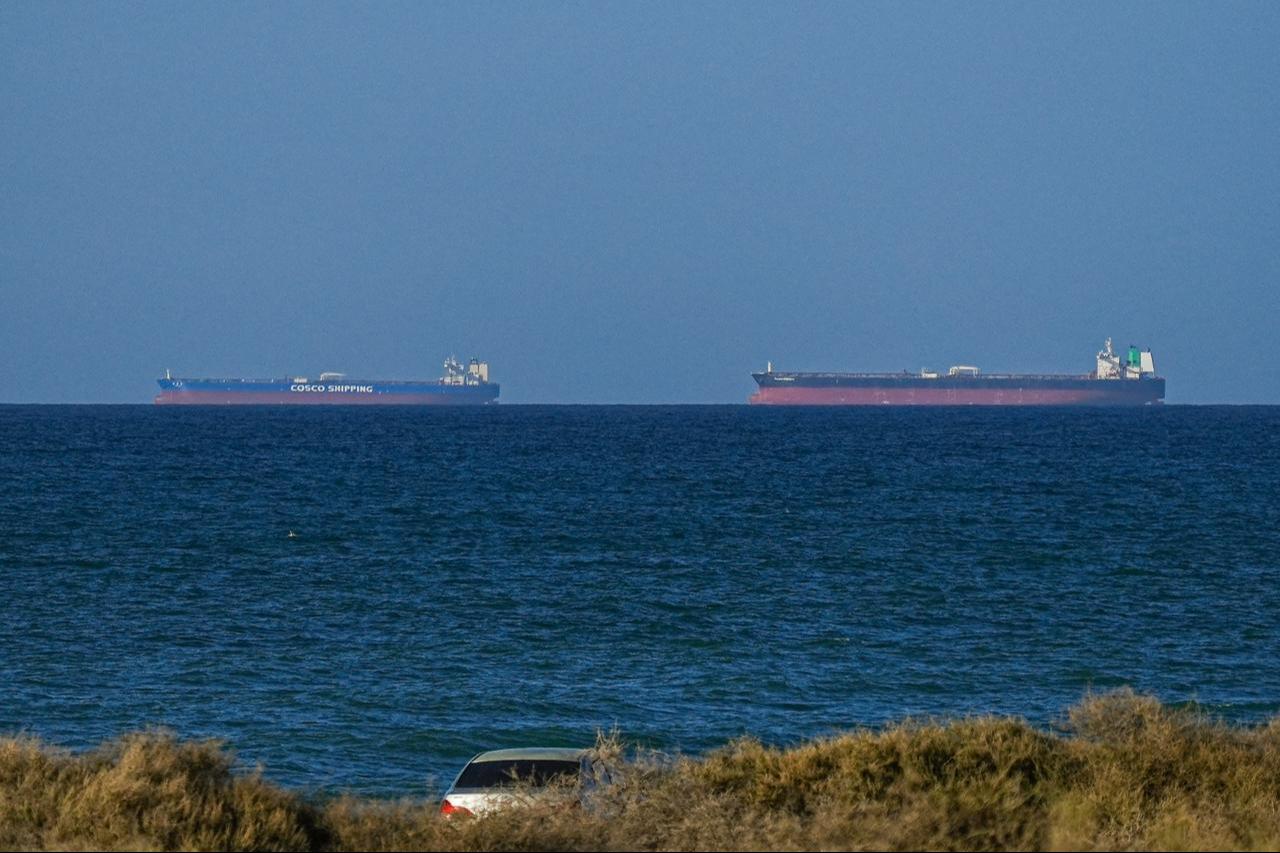

Iran's military joint command announced Saturday that the Strait of Hormuz has "returned to its previous state" of strict control by the armed forces.
Tehran had previously said it agreed in good faith to allow limited oil tankers and commercial ships to pass, only to accuse the U.S. of continuing its naval blockade, which Iran's military described as "piracy and maritime theft."
Ebrahim Azizi, head of the National Security Commission in Iran's parliament, wrote on X after the closure of Hormuz, "We warned you, but you ignored it. Now ENJOY the Strait of Hormuz returning to the status quo :))"
Iman Tajik, spokesperson for Operation True Promise, also wrote on X that "The Strait of Hormuz is now fully controlled and closed. This decisive action is a direct response to U.S. interference and harassment."
"The restriction will remain firmly in place until all disruptive actions against Iran-linked vessels are fully corrected," he added.


 Set as preferred source
 Set as preferred source


 1 min read
 1 min read