

 Newsletters


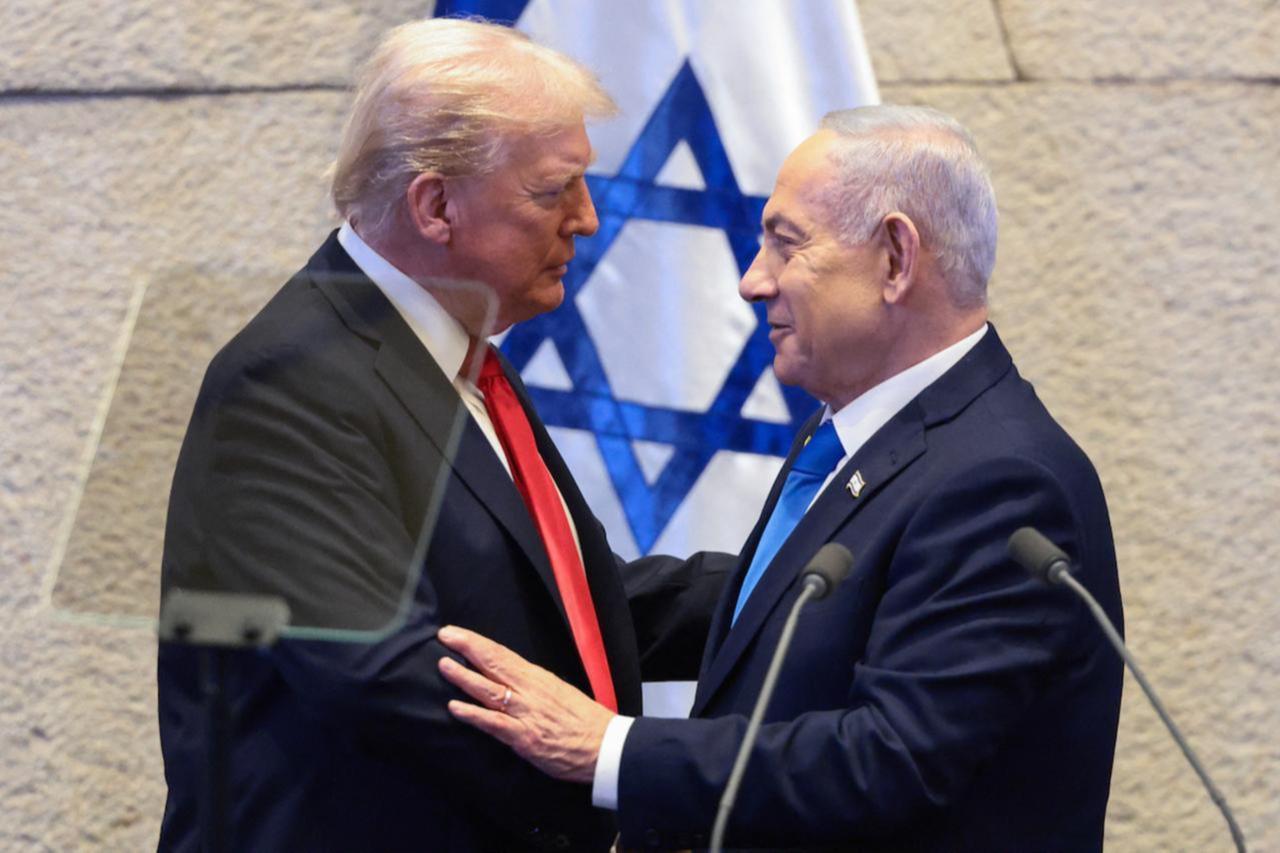


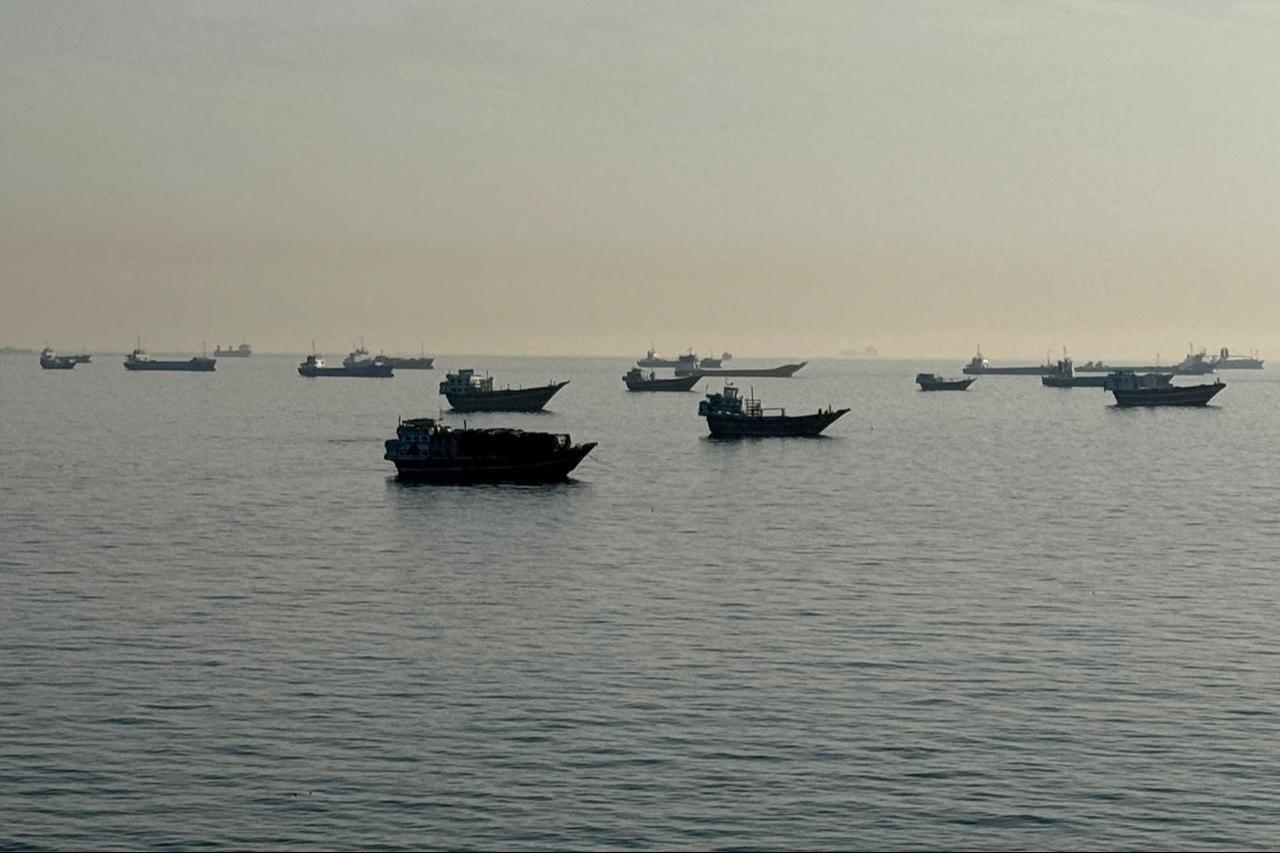
A final signature on an emerging agreement between the United States and Iran remains out of reach, a senior Trump administration official said Sunday, even as the two sides have converged on the broad outlines of a deal that would reopen the Strait of Hormuz and set the stage for wider nuclear negotiations.
"There are still a few details to close," the official told an Axios correspondent, describing ongoing back-and-forth over specific language. "There are some words that are important to us and some words that are important to them." The official added that the Iranian system in its current configuration does not move quickly, and that final approval would take several more days to work through the necessary channels.

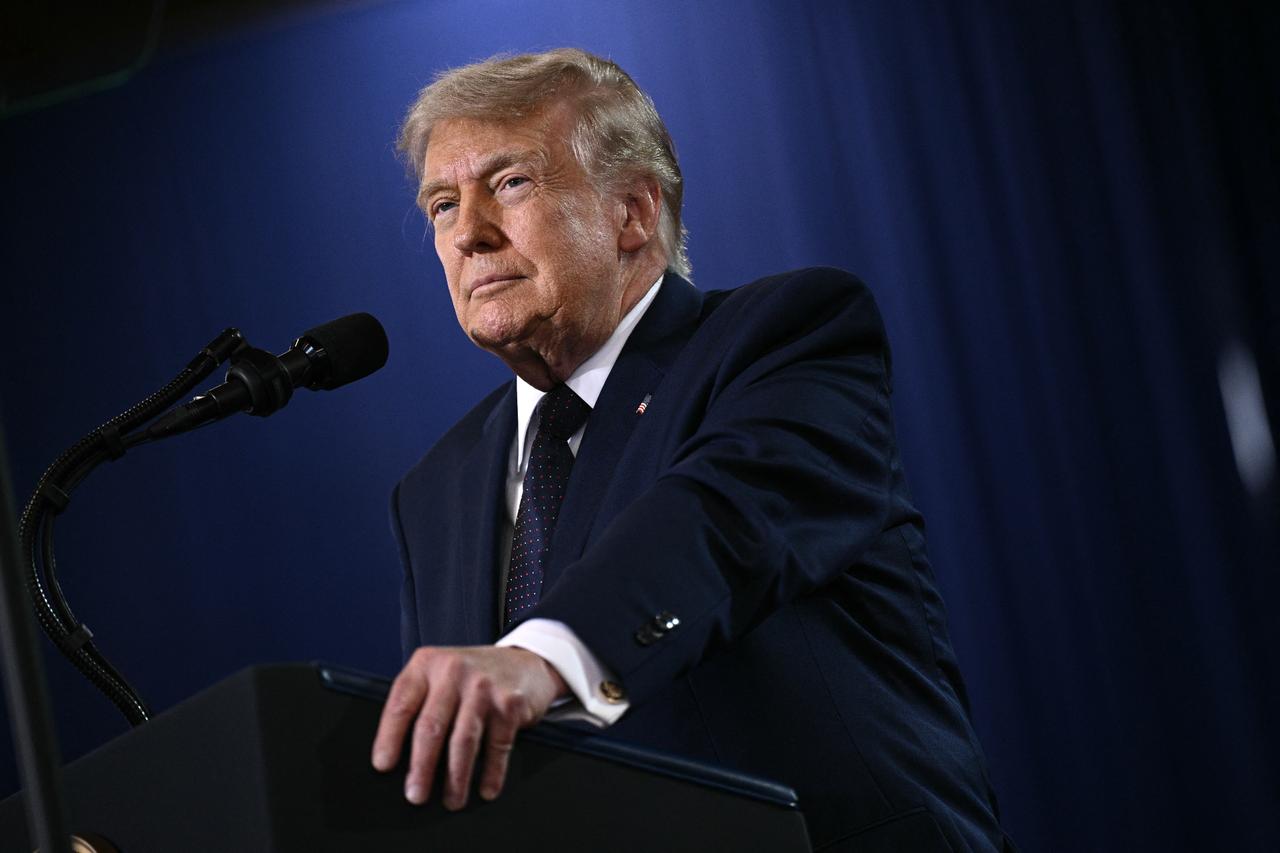
The official indicated that Supreme Leader Mojtaba Khamenei has approved the broad outline of the agreement, but cautioned that it was still unclear whether that endorsement would translate into a signed deal. "Whether this will turn into an agreement is still an open question," the official said.
The emerging framework, described by President Donald Trump on Saturday as "largely negotiated," is expected to unfold in two phases, according to reporting from multiple outlets. The first phase centers on a memorandum of understanding to reopen the Strait of Hormuz, the narrow waterway through which roughly a fifth of the world's oil supply passes. That would be followed within 30 to 60 days by broader talks on Iran's nuclear program. Iranian state media has disputed some aspects of Trump's characterization of the deal.
Israeli Prime Minister Benjamin Netanyahu entered the picture publicly on Sunday, disclosing that he had spoken with Trump the previous night about both the Hormuz memorandum and the pathway toward a final nuclear agreement. Netanyahu framed the conversation as a reaffirmation of shared red lines.
"Any final agreement with Iran must eliminate the nuclear danger," Netanyahu wrote on social media. "That means dismantling Iran's nuclear enrichment sites and removing its enriched nuclear material from its territory."
Netanyahu also said Trump had reaffirmed Israel's right to defend itself on every front, including Lebanon, and credited cooperation between American and Israeli forces during what he referred to as Operation Roaring Lion and Operation Epic Fury. "The partnership between us and our two countries has been proven on the battlefield and has never been stronger," he wrote.
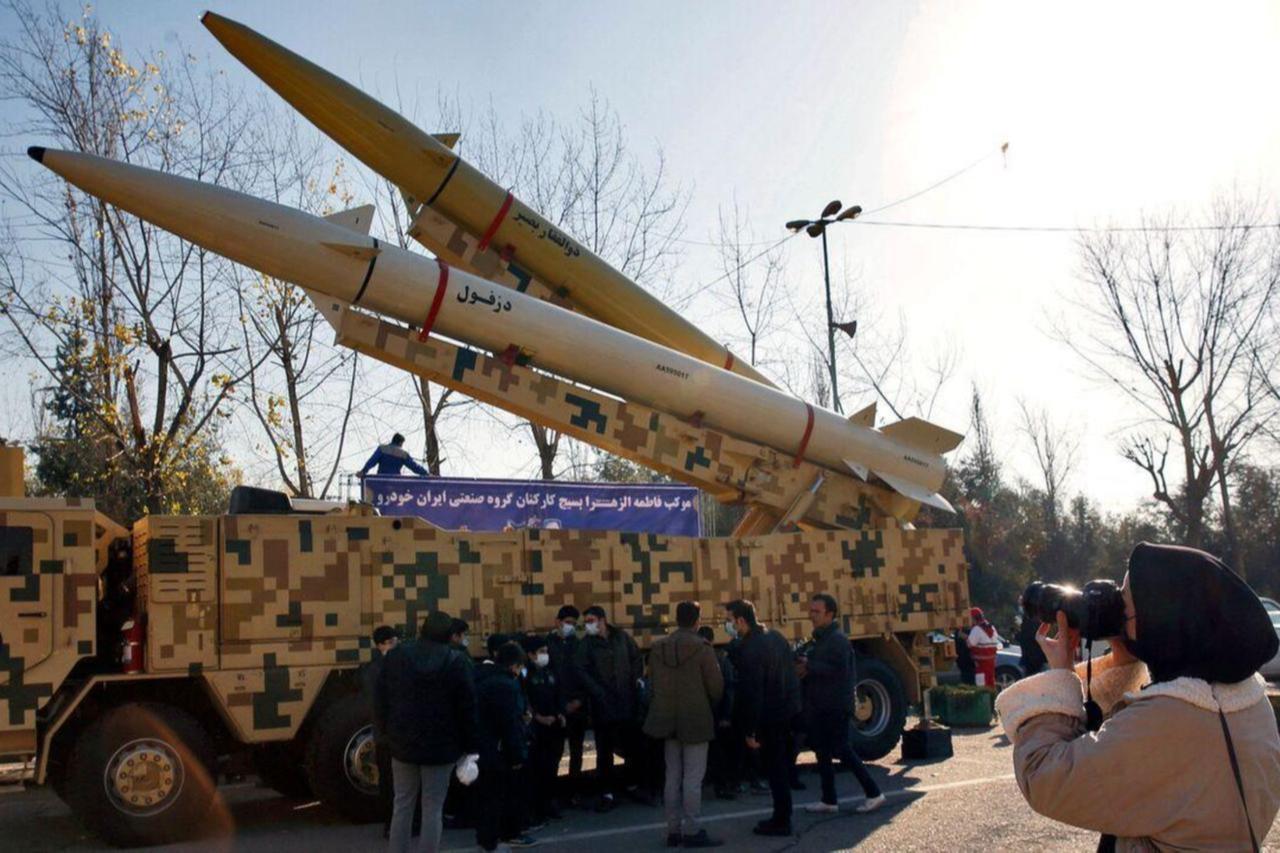
The insistence on full dismantlement puts Netanyahu's position in tension with the phased diplomatic architecture being constructed in Washington. The potential deal, as described by a CNN source, includes Iranian commitments not to pursue a nuclear weapon and to enter negotiations over its uranium stockpile, but stops short of the immediate dismantlement Netanyahu and Trump administration hardliners have demanded. Iran has previously stated that its enriched uranium will not be transferred out of the country under any circumstances.
The US position throughout the current round of talks has been that Iran must conduct zero enrichment, a demand Tehran has repeatedly rejected in earlier diplomatic rounds. Talks between Washington and Tehran are being mediated by Pakistan, with Oman also playing a facilitating role.
Netanyahu, in closing, said his policy and Trump's remain aligned on the core issue: "Iran will not have nuclear weapons."


 Set as preferred source
 Set as preferred source


 1 min read
 1 min read



