Newsletters





Iran has offered to allow ships to sail freely through the Omani side of the Strait of Hormuz without risk of attack as part of proposals put forward in U.S.-Iran negotiations, a source briefed by Tehran told Reuters.
This marks Tehran's first visible step back from more combative positions, including charging transit fees and asserting sovereignty over the waterway.
Simultaneously, U.S. Central Command (CENTCOM) stated on Wednesday that no vessels had breached the naval blockade of Iranian ports since it took effect Monday, and that 10 ships, including an Iranian-flagged cargo vessel, had been turned around by USS Spruance.
A source briefed by Tehran, who declined to be identified due to the sensitivity of the matter, told Reuters that Iran could be willing to allow ships to use the Omani side of the narrow strait, 34 kilometers (21.13 miles) wide between Iran and Oman, without hindrance from Tehran.
A Western security source confirmed the proposal had been in the works, though it was unclear whether Washington had responded.
The source did not say whether Iran would also agree to clear any mines it may have placed in the Omani stretch of water, or whether all ships, including those linked to Israel, would be allowed to pass freely.
Critically, the proposal was conditional: it hinged on Washington's willingness to meet Tehran's demands.
The proposal would also not extend to the Iranian side of the strait, where Tehran has imposed its own restrictions.
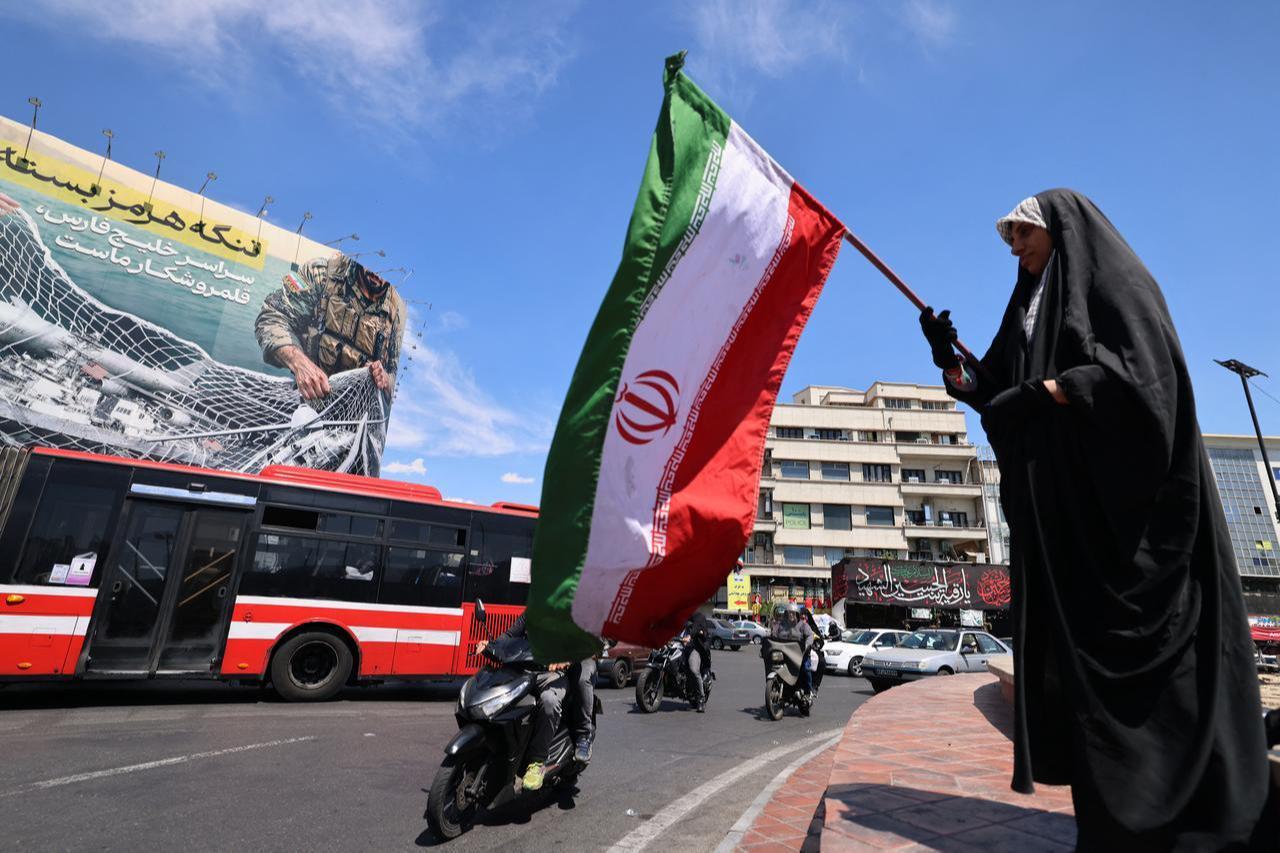

The proposal marks a notable retreat from Iran's more combative recent positions, including plans to charge ships for transit through the Strait of Hormuz and to impose Iranian sovereignty over the international waterway.
Member countries of the International Maritime Organization (IMO) meeting in London this week pushed back against any toll on Hormuz passage, which the organization said would "set a dangerous precedent."
The current ship routing system, established by a two-way traffic separation scheme adopted by the U.N.'s shipping agency in 1968 with regional agreement, created separate sailing corridors through Iranian and Omani waters.
Iran's offer would restore the Omani corridor to open use, a partial but significant concession from its current policy of total closure.
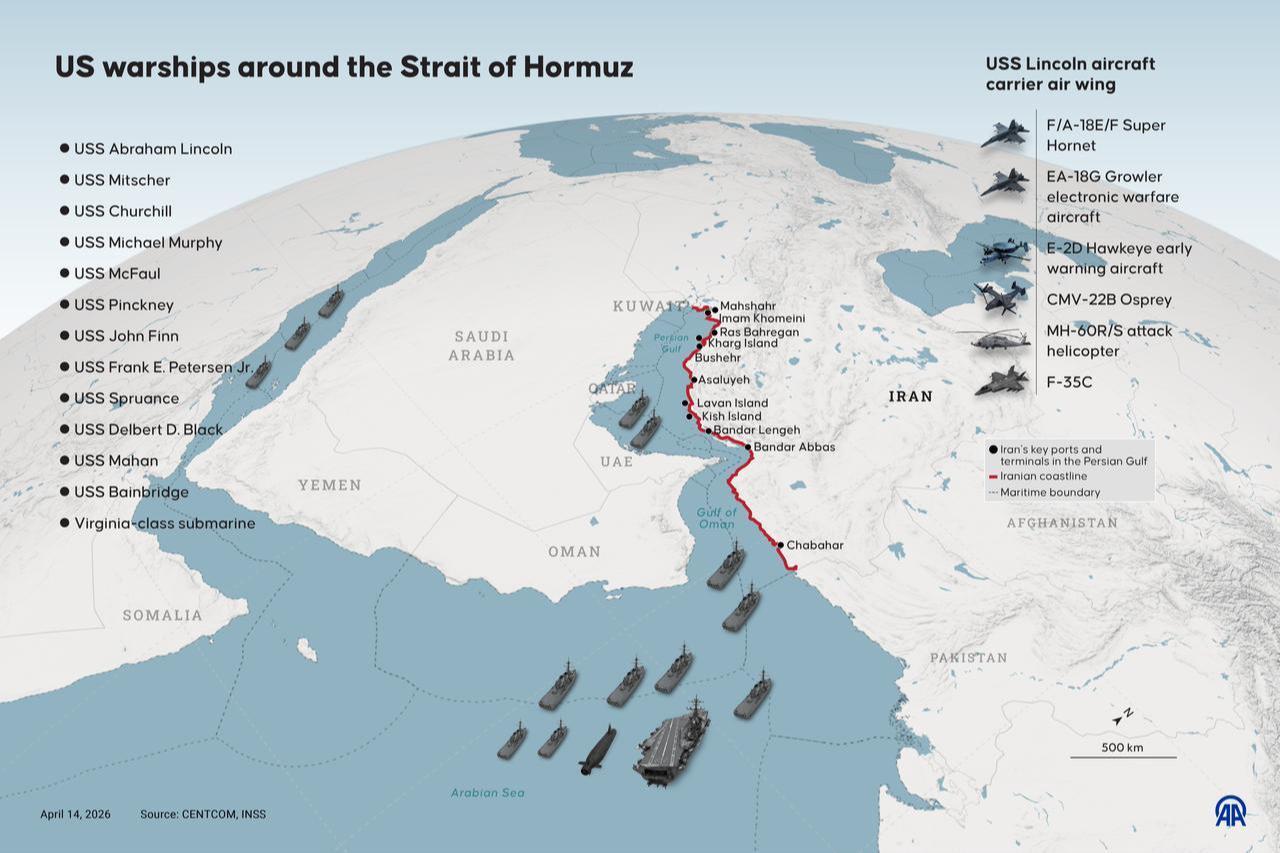
CENTCOM said Wednesday that no vessels had broken through the U.S. naval blockade of Iranian ports since it began Monday.
"Yesterday, an Iranian-flagged cargo vessel tried to evade the U.S. blockade after leaving Bandar Abbas, exiting the Strait of Hormuz, and transiting along the Iranian coastline. The guided-missile destroyer USS Spruance successfully redirected the vessel, which is heading back to Iran," CENTCOM posted on X.
A total of 10 vessels had been turned around, CENTCOM said, with "zero ships" having broken through since the blockade's start. The statement came after CENTCOM Commander Adm. Brad Cooper said Tuesday that U.S. forces had "completely halted" maritime trade to and from Iran.
Hundreds of tankers and other ships carrying 20,000 seafarers remain stuck in the Gulf since the war began Feb. 28.
The strait handles approximately 20% of the world's oil and LNG flows.


 Set as preferred source
 Set as preferred source



 3 min read