Newsletters


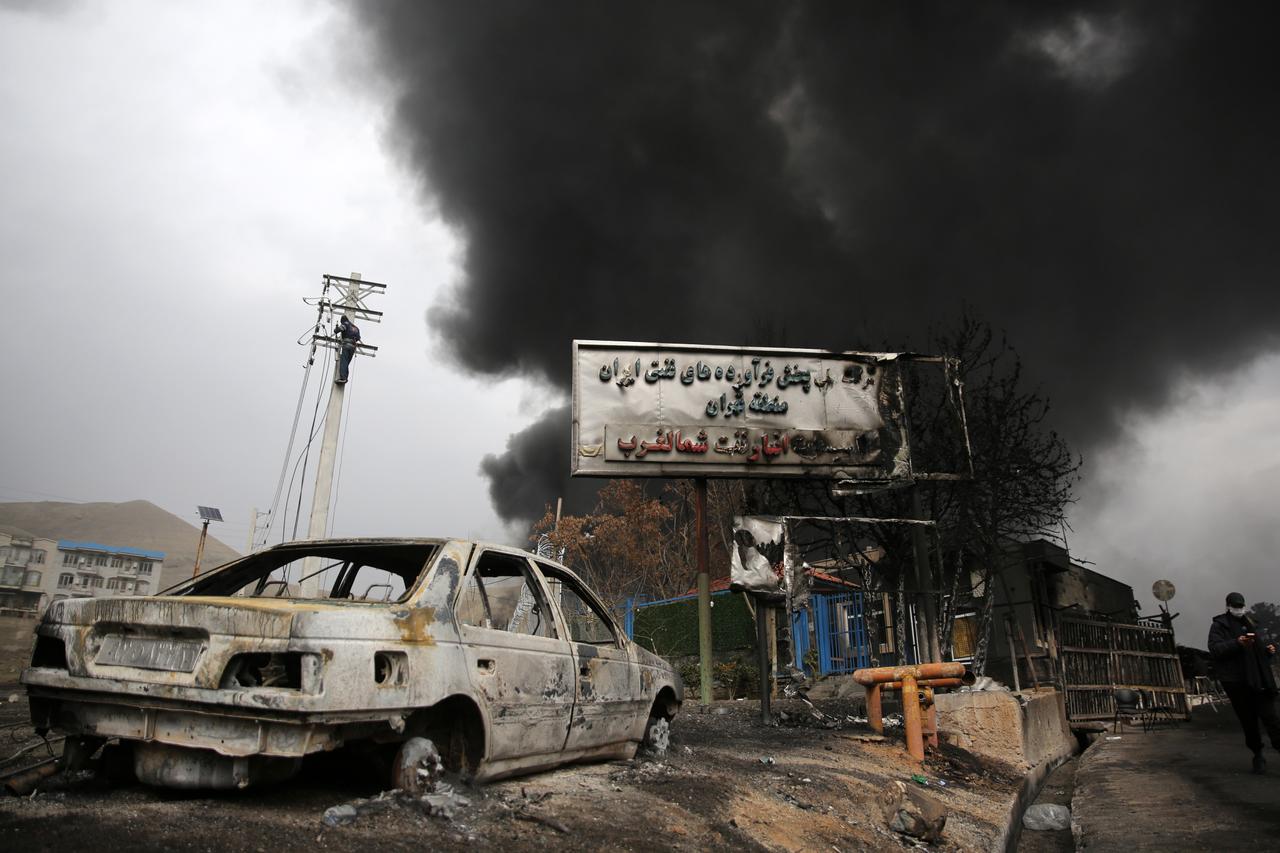


An Iranian official ruled out diplomacy and said Tehran is prepared for a prolonged war with Washington and may continue attacks on Gulf countries to pressure them to urge U.S. President Donald Trump to step back from the conflict.
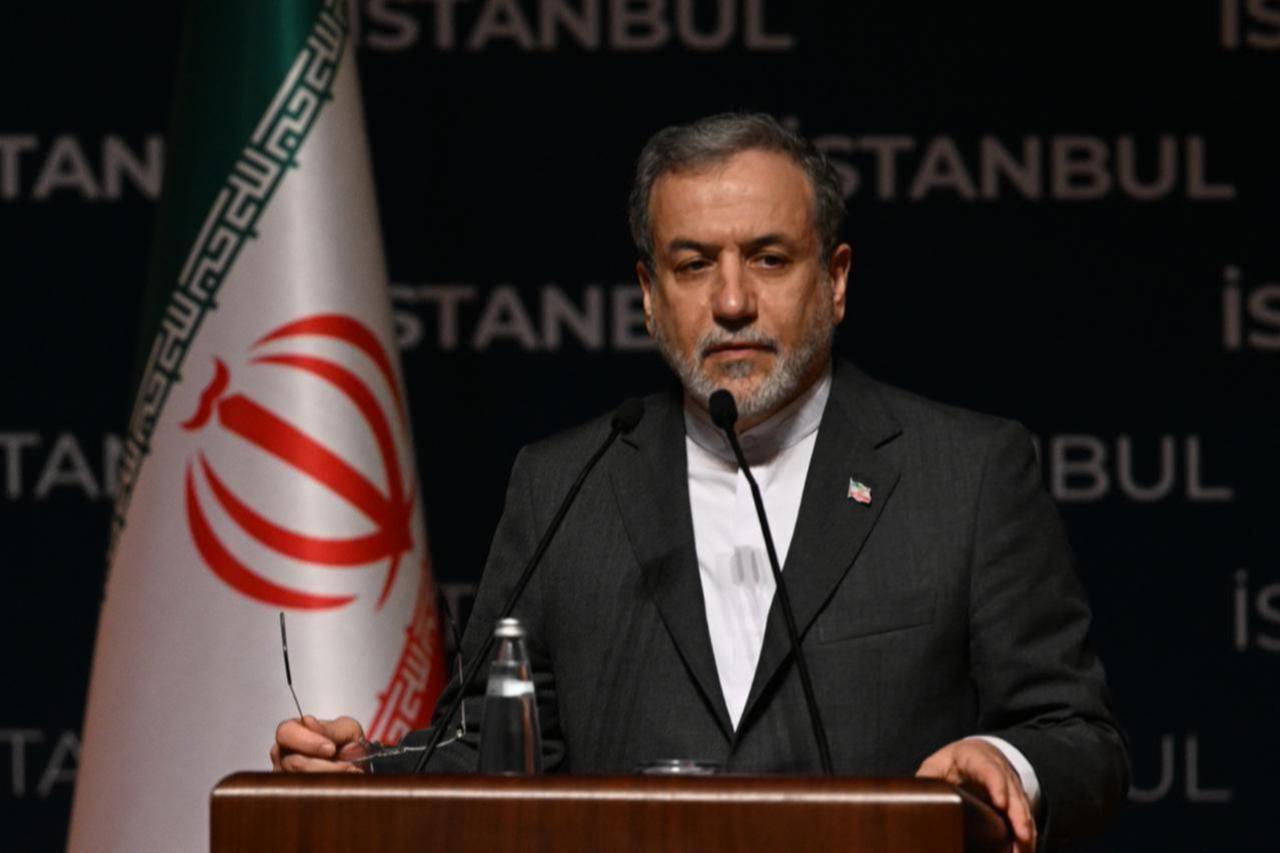
Kamal Kharazi, a foreign policy adviser to the office of Iran’s supreme leader, made the remarks in an interview with CNN late Monday.
“I don’t see any room for diplomacy anymore. Because Donald Trump had been deceiving others and not keeping his promises, and we experienced this twice in negotiations. While we were engaged in negotiation, they struck us,” Kharazi told CNN.
“There’s no room unless the economic pressure would be built up to the extent that other countries would intervene to guarantee (the) termination of aggression of Americans and Israelis against Iran,” he added.
Kharazi suggested Gulf Arab countries and others should pressure Washington to end the conflict.
“This war has been producing a lot of pressure, economic pressure, on others, in terms of inflation, in terms of lack of energy, and so if it will be continued, this pressure will be built up more, and therefore others have no choice (but) to intervene,” he said.
Asked whether Iran’s military and political leadership remain unified, Kharazi said they do.
“Yes, exactly,” he said.
“The responsibility of the leader of Islamic Republic of Iran is to lead the defense capability of Iran, and therefore, as Khamenei was doing that, now the new leader would do that,” he added.
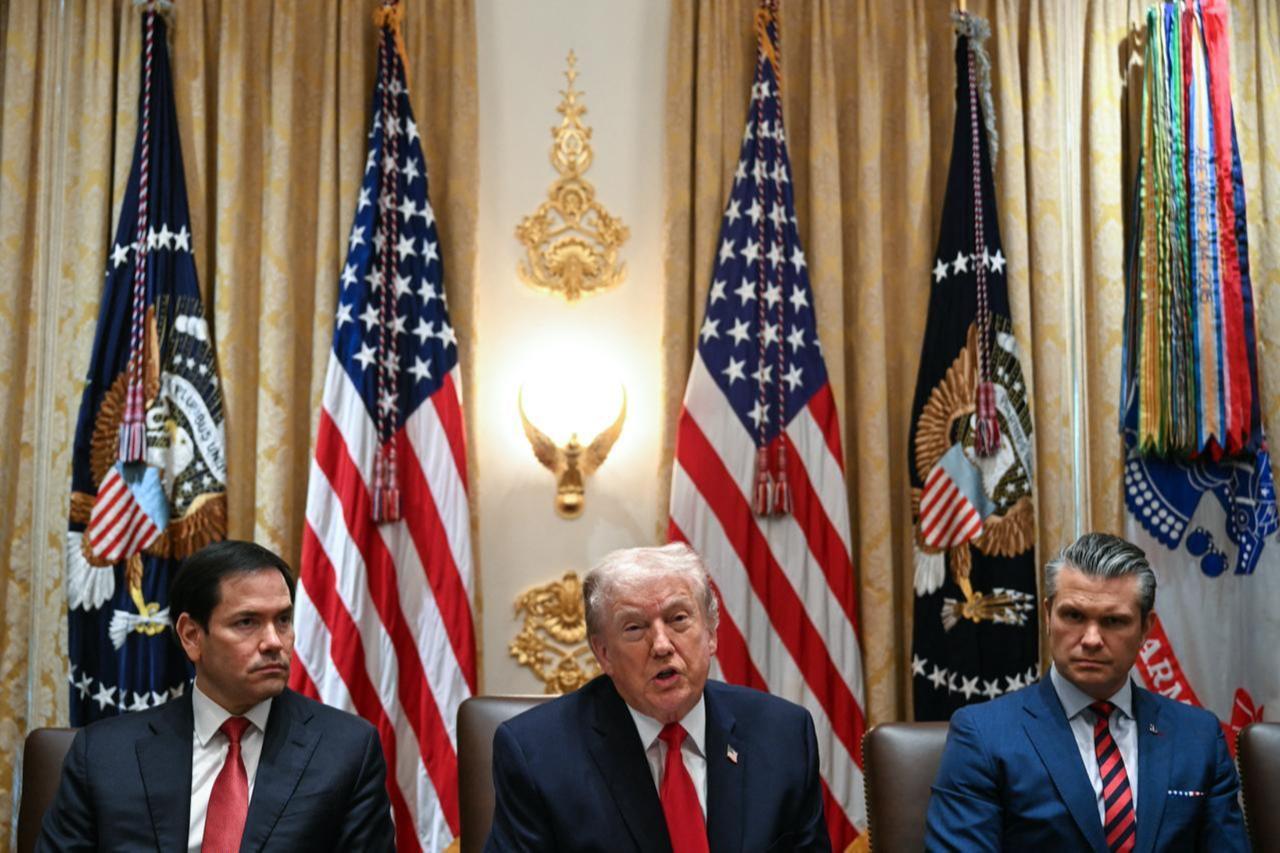
Trump said last week that Mojtaba Khamenei’s appointment as his father’s successor would be “unacceptable.”
“That is not his business,” Kharazi said.
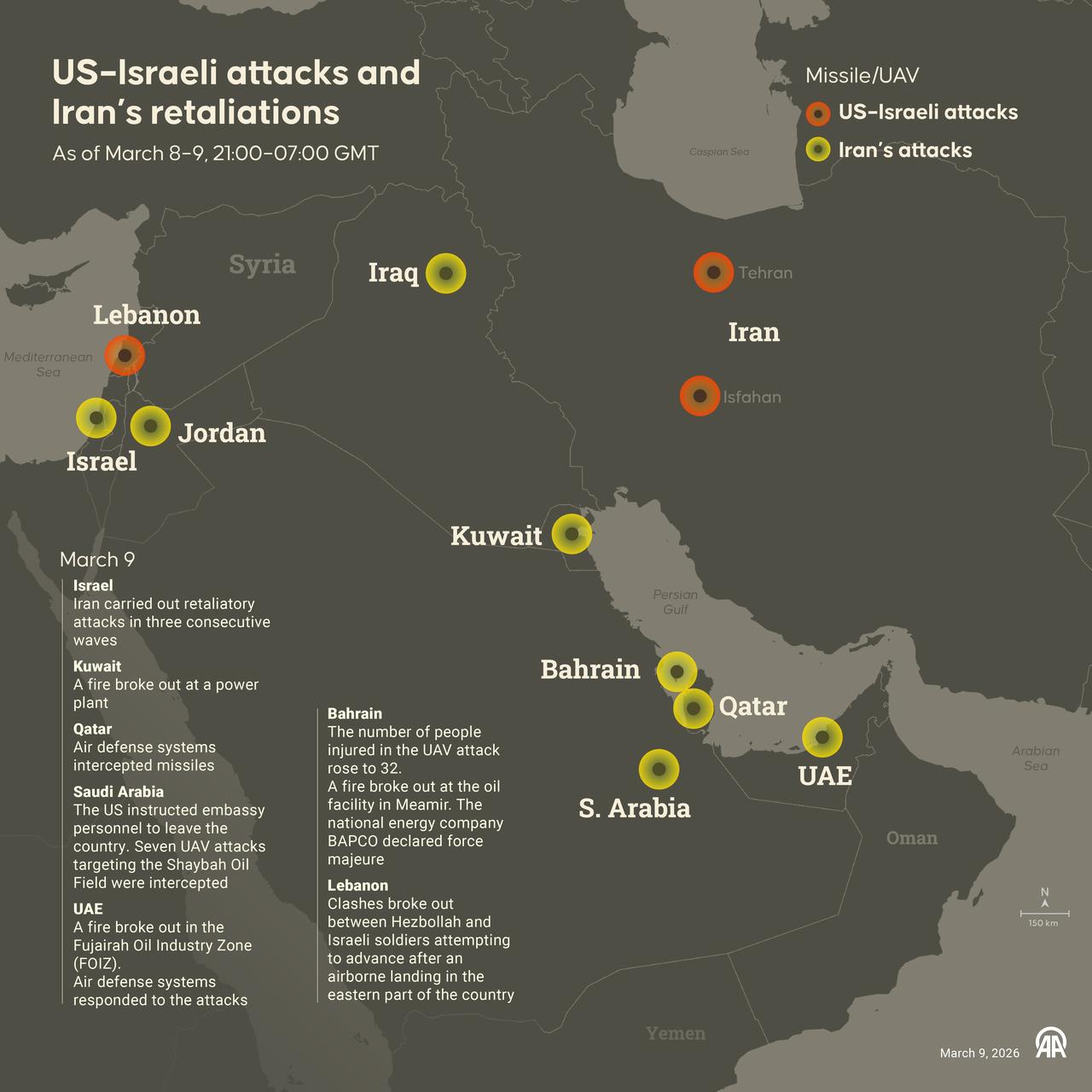

The interview came as regional escalation intensified after the United States and Israel launched a joint attack on Iran on Feb. 28.
According to Iranian authorities, the strikes have killed more than 1,200 people, including Supreme Leader Ali Khamenei.
Iran has retaliated with drone and missile strikes targeting Israel, Jordan, Iraq and several Gulf countries hosting U.S. military assets.
 2 min read
Iran has also effectively closed the Strait of Hormuz, a strategic waterway linking the Persian Gulf with the Arabian Sea.
The route normally handles about 20 million barrels of oil shipments per day and roughly 20% of global liquefied natural gas trade, much of it destined for Asian markets.
The disruption has forced exporters to search for alternative shipping routes while also affecting the region’s exports of crop nutrients used in fertilizer production.
The supply shock, combined with rising energy and freight costs, is expected to increase pressure on global food supply chains and contribute to higher food prices worldwide.


 Set as preferred source
 Set as preferred source


 1 min read