Newsletters


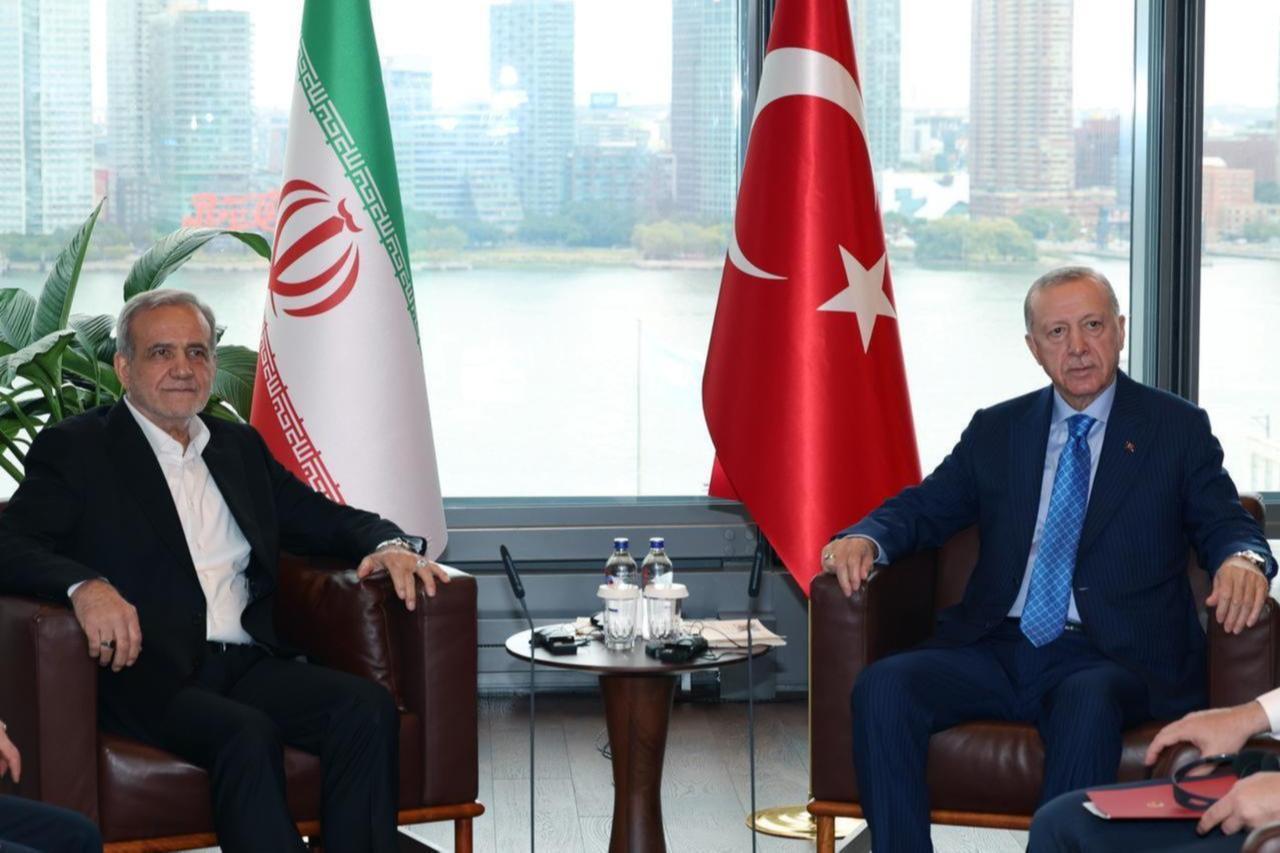


Iran's President Masoud Pezeshkian told President Recep Tayyip Erdogan during a phone call on Monday that Tehran is prepared to form a joint team to investigate what he described as "allegations" of Iranian missile attacks on Türkiye, according to Iranian state media, a diplomatic overture that came on the same day NATO forces shot down a second Iranian ballistic missile over Turkish airspace and Ankara summoned Tehran's envoy to demand answers.
Türkiye's Foreign Ministry called in Iranian Ambassador Mohammad Hassan Habibollahzadeh and conveyed strong reaction and concern over the incident, according to ministry sources. The diplomatic summons came after President Erdogan delivered formal warnings to Tehran following an emergency cabinet meeting, while the Ministry of National Defense warned that "all necessary measures will be taken decisively and without hesitation against any threat directed at our country's territory and airspace."
The pairing of Iran's investigation offer with its continued use of the word "allegations," a framing that stops short of acknowledging responsibility, underscores the tense and increasingly complex diplomacy between two neighbors that share a 560-kilometer border and centuries of intertwined history.
The missile was intercepted at approximately 3:00 p.m. local time over the Sahinbey district of Gaziantep in southern Türkiye by NATO air and missile defense assets stationed in the Eastern Mediterranean, the Defense Ministry confirmed. Debris landed in uninhabited areas, including the Guneysehir neighborhood, causing no casualties or injuries.
Unlike the first incident on March 4, when a similar missile was shot down near Hatay province after crossing Iraqi and Syrian airspace, Monday's projectile entered Turkish airspace before being destroyed. Gaziantep sits roughly between Incirlik Air Base, a joint Turkish-U.S. facility in Adana province to the west, and a NATO radar installation in Malatya province to the northeast. Ankara has maintained that Washington has not used Incirlik in its air campaign against Iran and said after the first interception that the missile had likely been aimed at a base in Greek Cyprus and veered off course.
Following the March 4 incident, Ankara also summoned Ambassador Habibollahzadeh and Foreign Minister Hakan Fidan called his Iranian counterpart Abbas Araghchi to warn against escalation. Iran's armed forces issued a categorical denial at the time, stating that they respect Türkiye's sovereignty and had not launched any missile toward Turkish territory.
Presidential Communications Director Burhanettin Duran said all relevant institutions had coordinated closely and activated defense measures immediately, reiterating warnings to all parties, namely Iran, to avoid steps that endanger regional stability and civilians. A NATO spokesperson confirmed the interception and reaffirmed the alliance's readiness to defend all members.
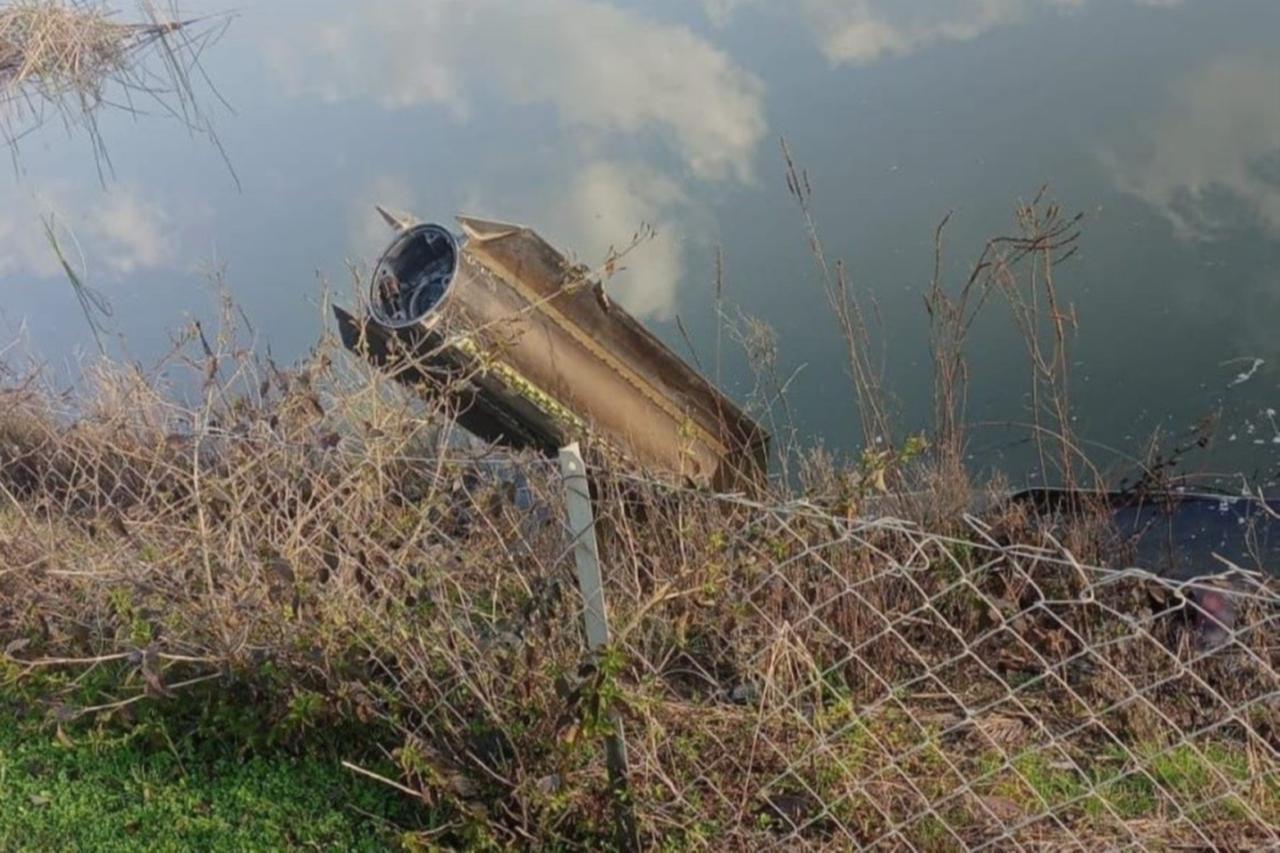

Monday's interception marked the second time in five days that an Iranian ballistic missile entered or approached Turkish airspace, a pattern that has tested Ankara's patience and drawn the wider U.S.-Israeli military campaign against Iran uncomfortably close to NATO territory. The joint operation began on February 28 with airstrikes that killed Supreme Leader Ali Khamenei and dozens of senior military and political officials, prompting Iranian retaliatory missile and drone strikes against Israel and U.S. bases and allies across the region, including Azerbaijan, Bahrain, Iraq, Jordan, Kuwait, Oman, Qatar, Saudi Arabia and the United Arab Emirates.
Iran has not officially acknowledged targeting Türkiye. Tehran has said repeatedly that it is not at war with regional countries and is not explicitly targeting its northern neighbor. After the first interception on March 4, Iran's armed forces denied firing any missile toward Turkish territory, insisting that Iran respects Türkiye's sovereignty.
Ankara has so far declined to invoke NATO's Article 4, which would trigger formal alliance consultations over a perceived threat to a member state. U.S. Defense Secretary Pete Hegseth has also played down the prospect of Article 5, NATO's collective defense clause, being activated. The United States, however, closed its consulate in Adana on Monday and urged Americans in southeast Türkiye to depart immediately.


 Set as preferred source
 Set as preferred source


 1 min read
 1 min read