Newsletters


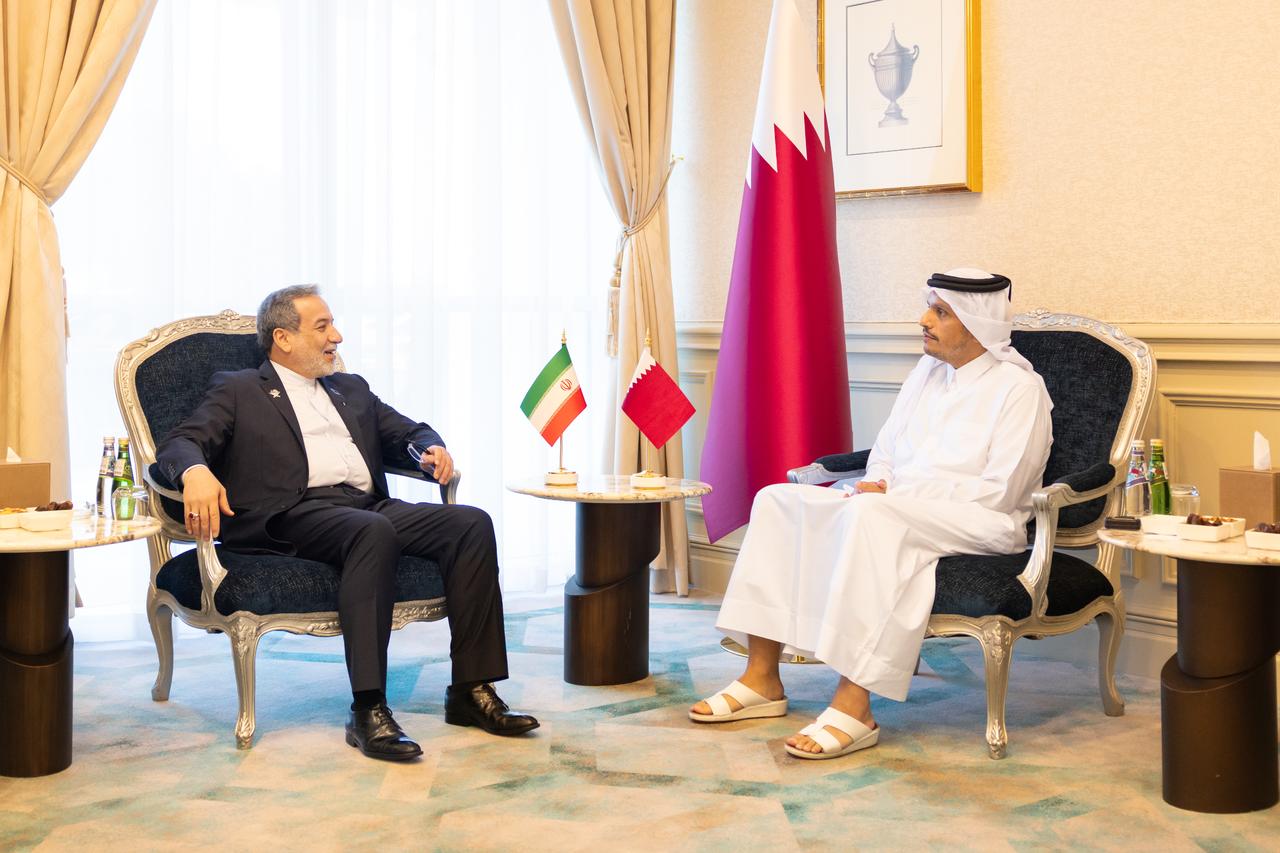


Iran’s Foreign Minister Abbas Araghchi and Qatar’s Prime Minister and Foreign Minister Sheikh Mohammed bin Abdulrahman Al Thani held a phone call on Monday to address U.S. and Israeli attacks on Iran and broader regional developments, according to statements.
During the call, Araghchi framed the current escalation as stemming from Washington and Tel Aviv’s actions, warning that some regional territories were being used to stage attacks on Iran while reminding countries of their obligations under international law.
Sheikh Mohammed, in response, emphasized respect for Iran’s sovereignty and territorial integrity while stressing the need to restore regional stability.
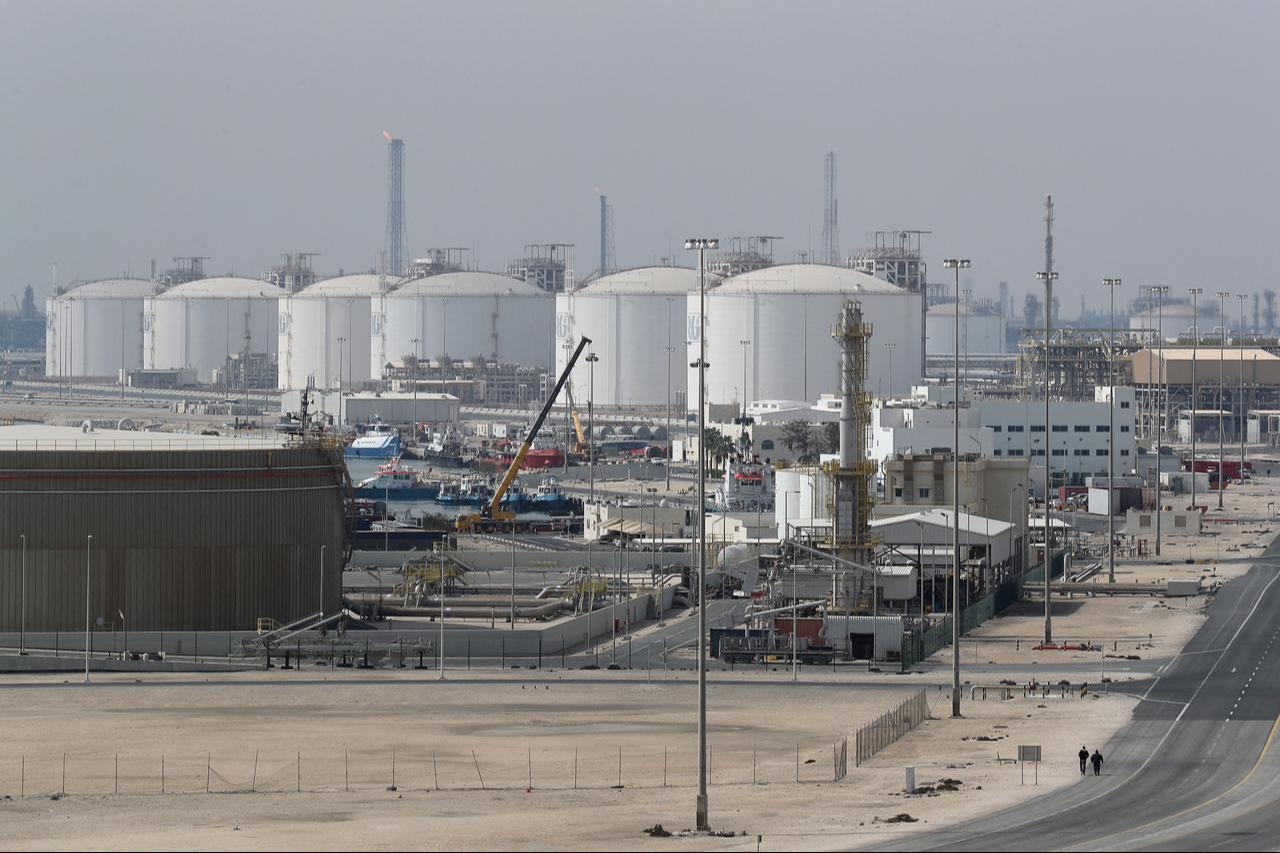
Since the start of the war, Iran has carried out thousands of attacks targeting Gulf countries in retaliation for U.S.-Israeli strikes. Missile and drone strikes hit Qatar’s Ras Laffan Industrial City, the world’s largest LNG export hub, which normally supplies 20% of global demand.
Following the attacks, QatarEnergy declared force majeure and suspended LNG production along with other downstream industrial operations, while the damage is estimated to affect 17% of LNG capacity, with repairs expected to take up to five years.
Alongside the attacks, the effective closure of the Strait of Hormuz has strained Qatar’s LNG exports and global gas markets, with European prices at the Dutch TTF hub rising nearly 60% from pre-war levels.

Adding to supply concerns, two LNG carriers, Al Daayen and Rasheeda, departed Qatar and moved toward the Strait of Hormuz before rerouting, signaling a failed attempt to cross the waterway.
The move came as shipping traffic showed signs of partial recovery over the weekend, with some countries securing agreements with Iran to move vessels through the strait. The ships later listed Pakistan as their destination, though their movements suggested uncertainty, with both vessels seen circling in the Persian Gulf near Oman after aborting the approach.
A successful transit would have been the first time a fully loaded Qatari LNG cargo moved through the Strait of Hormuz since the war began on Feb. 28, as no such tanker has crossed the route since then.


 Set as preferred source
 Set as preferred source


 1 min read
 1 min read