Newsletters


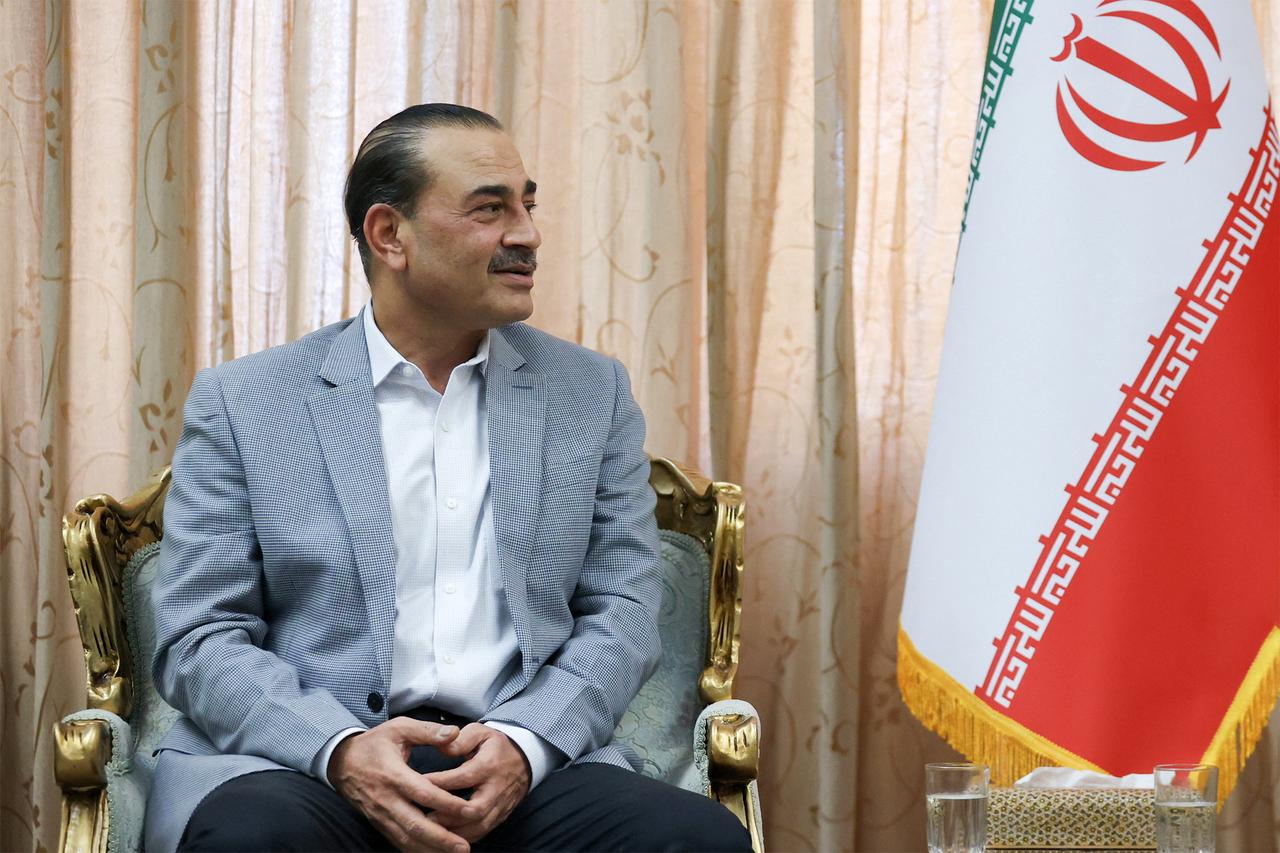
Iran's top negotiator, Mohammad Baqer Ghalibaf, told Pakistani Army Chief Field Marshal Asim Munir during talks in Tehran on Saturday that Iran would not compromise on its national rights and did not trust the United States as a negotiating party, Iranian state television reported, even as Pakistani government sources said a breakthrough was expected by week's end.
"We will not deviate from the rights of our nation and our country, especially with a party that has no honesty at all and cannot be trusted," Ghalibaf told Munir, according to Iran's Tasnim News Agency.
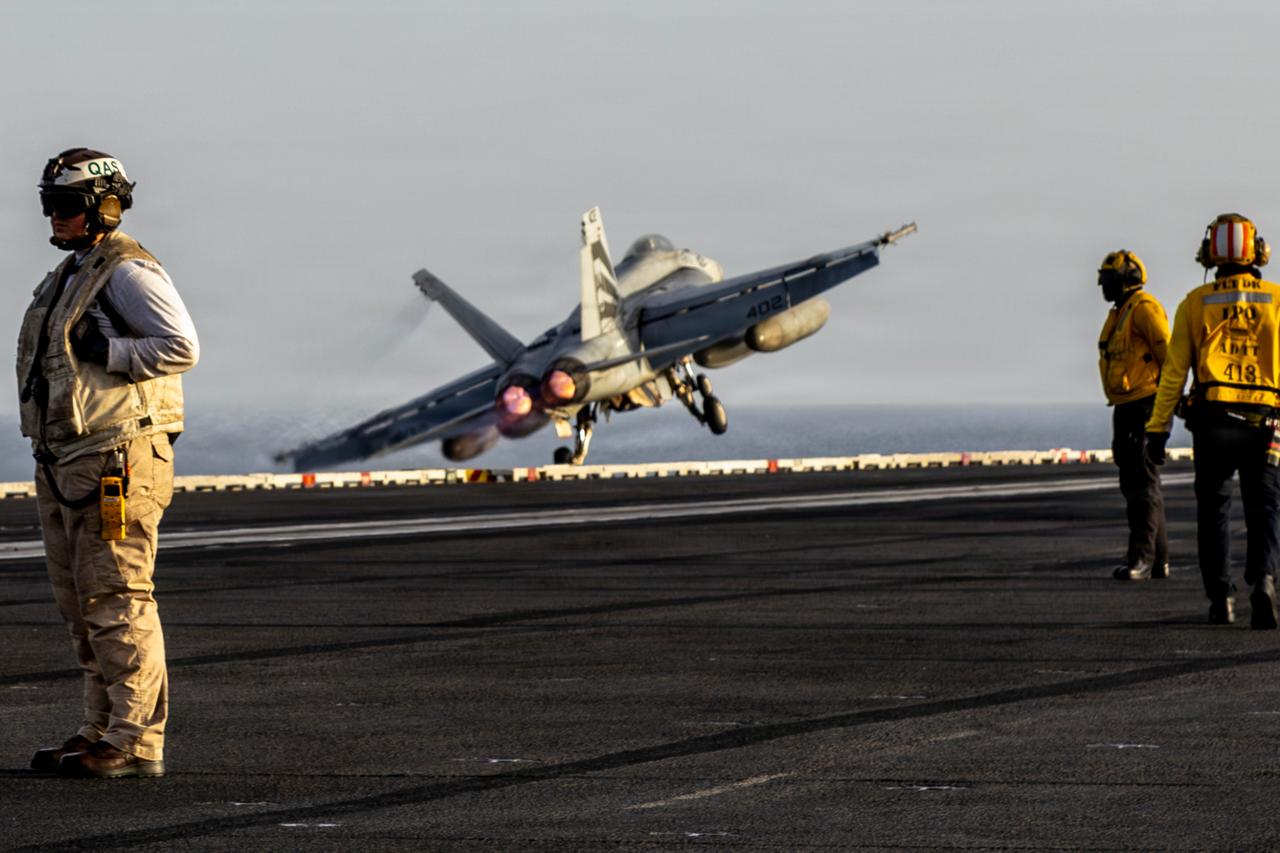
Ghalibaf accused Washington of starting the war while negotiations were already underway, and of violating the ceasefire by imposing a naval blockade.
"We were in the middle of negotiations when America started a war, and now it says let's negotiate to end it. We were in a ceasefire you mediated, and America violated its commitment by imposing a naval blockade and now wants it lifted," Ghalibaf said.
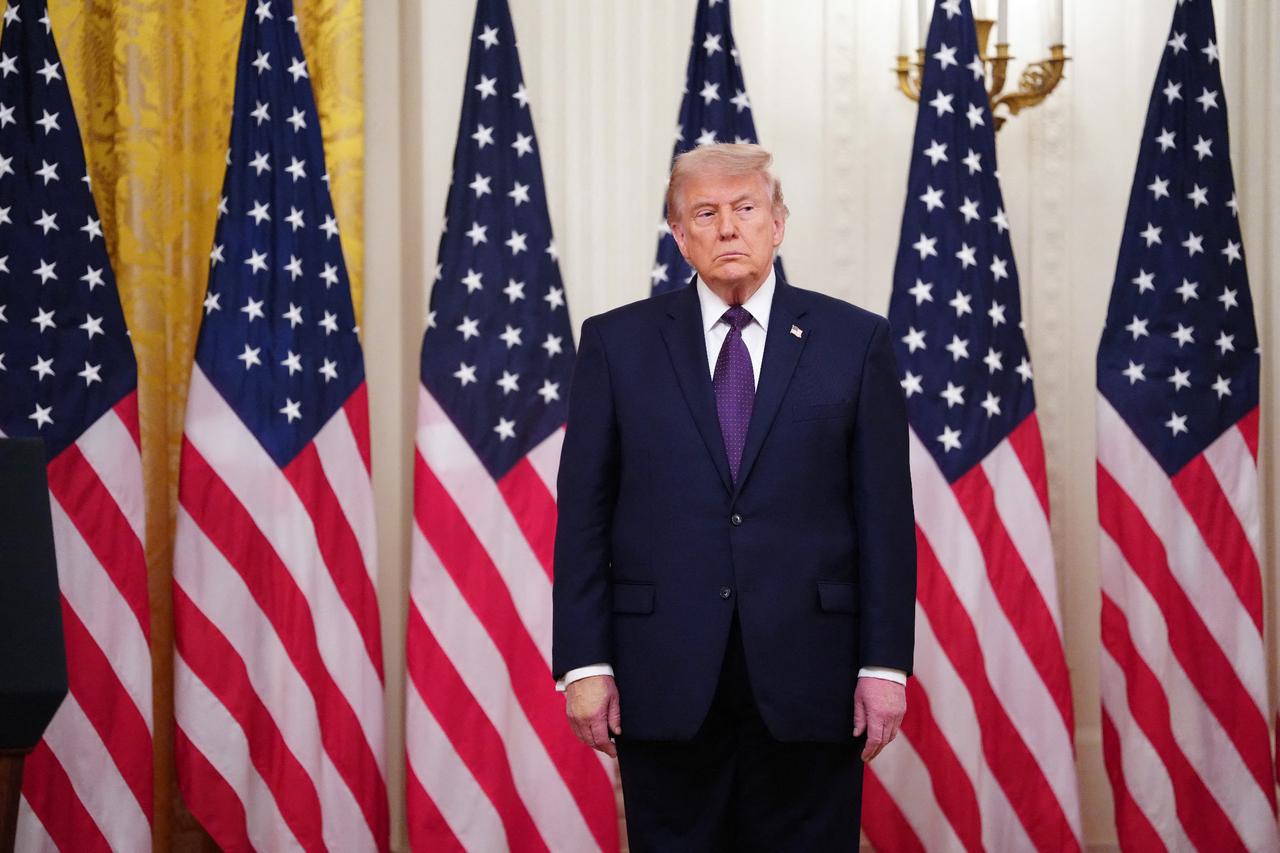
He warned that if Trump "foolishly restarts the war," the response would be "more forceful and bitter than at the start of the conflict," saying Iran's armed forces had rebuilt their capabilities during the ceasefire period.
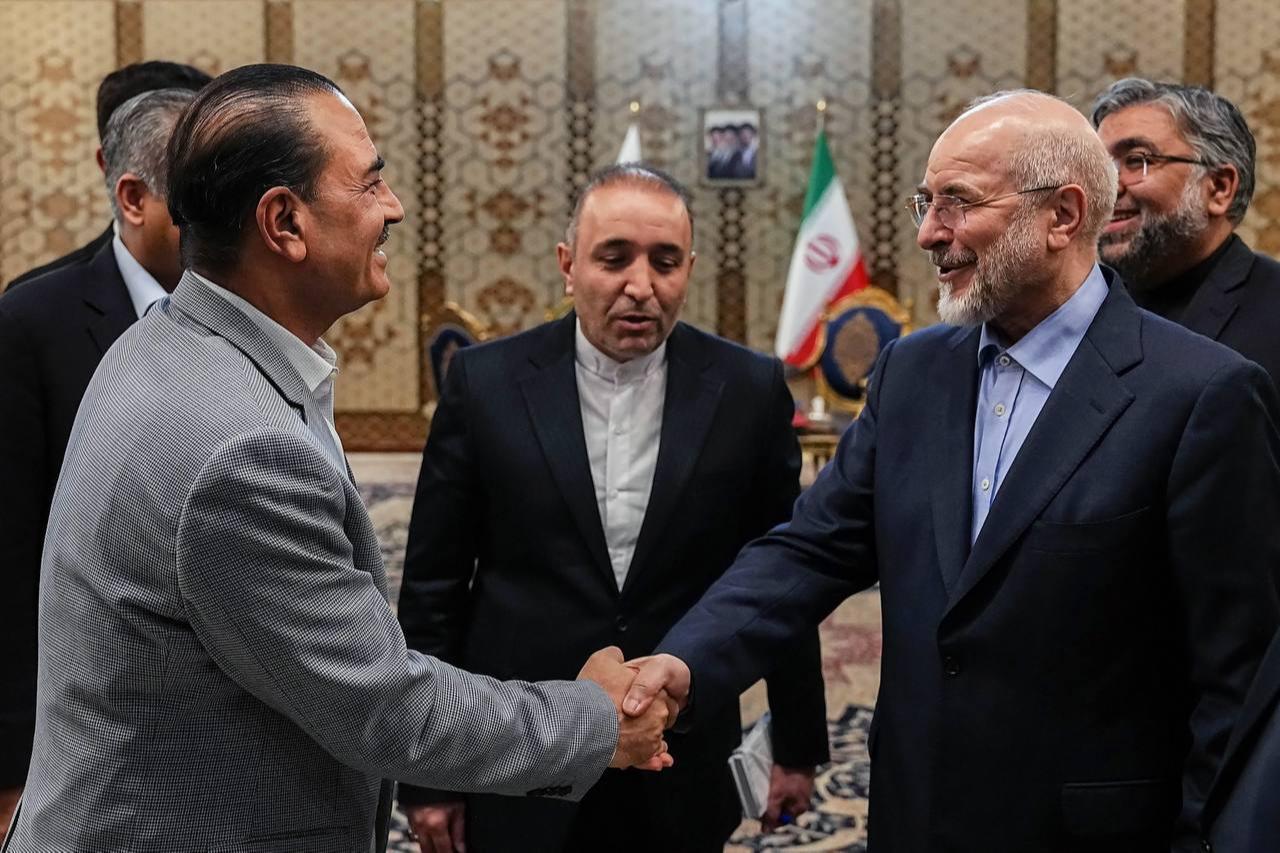

Multiple Pakistani government sources told Türkiye's state-run Anadolu Agency (AA) that Pakistan, Iran and Qatar were engaged in intense discussions in Tehran to finalize a temporary agreement with the U.S. to end the Middle East war, with a major breakthrough expected by the end of this week.
"Munir contacted U.S. mediators, including Vice President JD Vance, at least twice over the past 24 hours," the sources said.
Munir held meetings with Iranian President Masoud Pezeshkian, Ghalibaf and Foreign Minister Abbas Araghchi to discuss a draft of the potential agreement.
Iranian Foreign Ministry spokesperson Esmail Baghaei confirmed that a Qatari delegation was also holding talks with Araghchi while Pakistan continued to serve as the primary mediator.
"The two sides had not yet reached a final draft, but a major breakthrough was expected by the end of the week," the sources said.
Several regional countries were also in contact with Pakistani and Qatari officials in Tehran as part of the broader consensus-building effort.
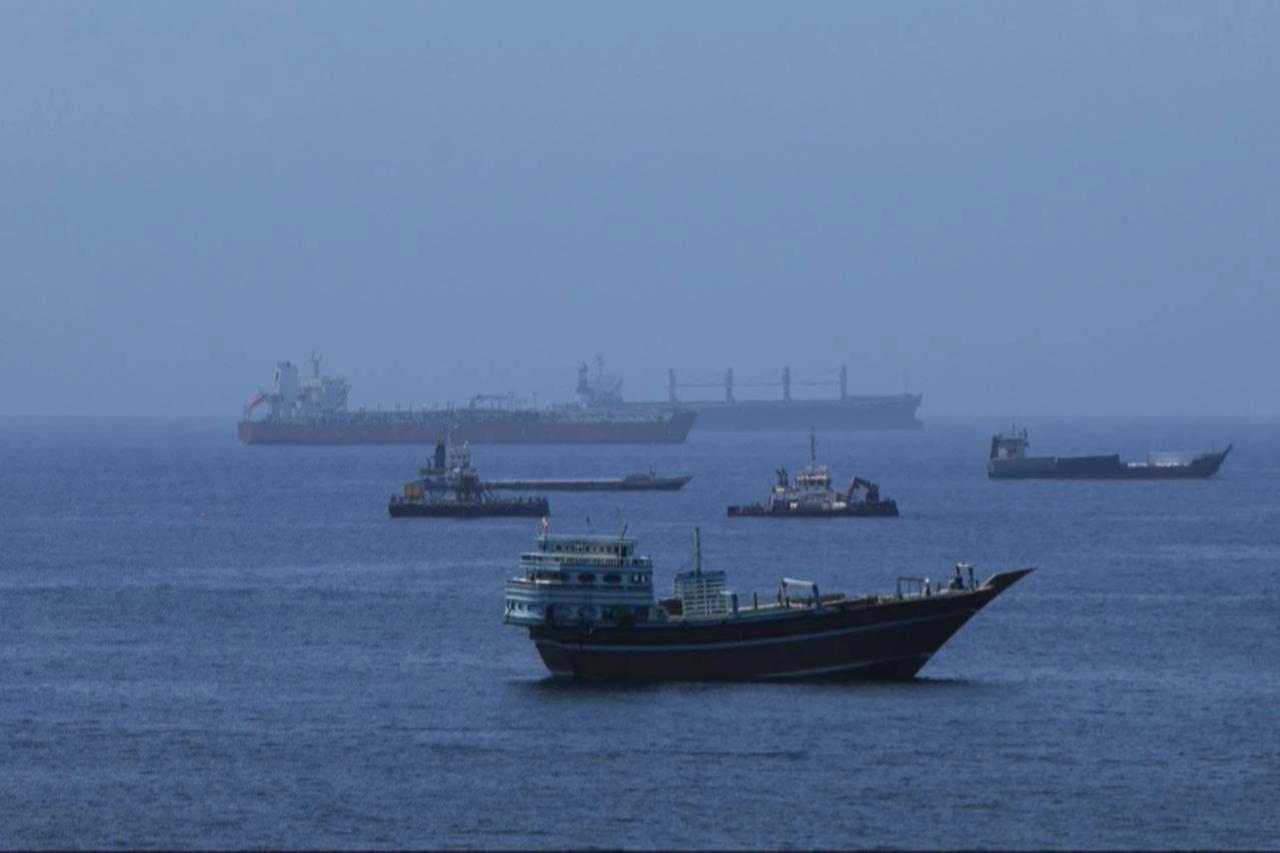
The sources said the temporary agreement proposals include an immediate end to the war on all fronts, including Lebanon, the reopening of the Strait of Hormuz, an end to the U.S. naval blockade of Iranian ports, and holding nuclear talks within the next 30 days.
However, the sources cited by AA noted that Washington wants concrete and practical assurances on Iran's nuclear program and Hormuz shipping to be included in the interim deal itself, while Tehran insists those issues be addressed in a second phase of talks.
Questions of releasing Iran's frozen assets, lifting international sanctions, and compensation for war damages may be discussed in direct talks between Washington and Tehran at a later stage, the sources added.
"If an agreement is signed, a second round of direct U.S.-Iran talks is highly expected to resume in Islamabad after Eid al-Adha," Anadolu reported.
Munir departed Tehran after completing his meetings, including a second session with Foreign Minister Araghchi, Iranian state television reported.
 1 min read
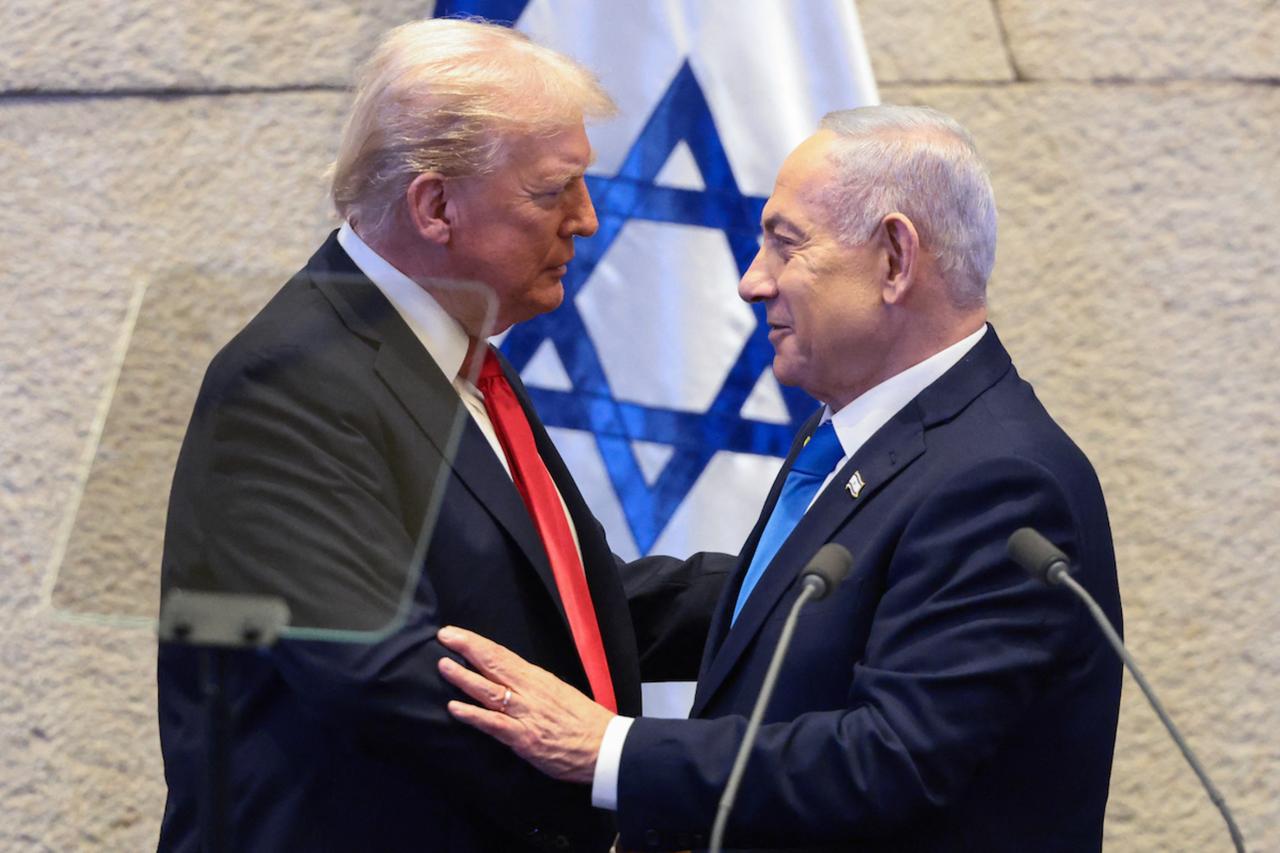
Despite weeks of conflict, Iran has preserved its stockpile of near-weapons-grade enriched uranium as well as missile, drone and proxy capabilities.
The U.S. and Israel cite curbing those capabilities as core objectives of the war. Secretary of State Marco Rubio said Friday there had been "some progress" toward a deal but that more work was needed.
The U.S. and Israel launched strikes against Iran on Feb. 28, killing the country's supreme leader. Tehran retaliated with attacks on Israel and U.S. Gulf allies and effectively closed the Strait of Hormuz.
A ceasefire brokered by Pakistan took effect on April 8, but subsequent talks in Islamabad failed to produce a lasting agreement.


 Set as preferred source
 Set as preferred source


 1 min read