Newsletters


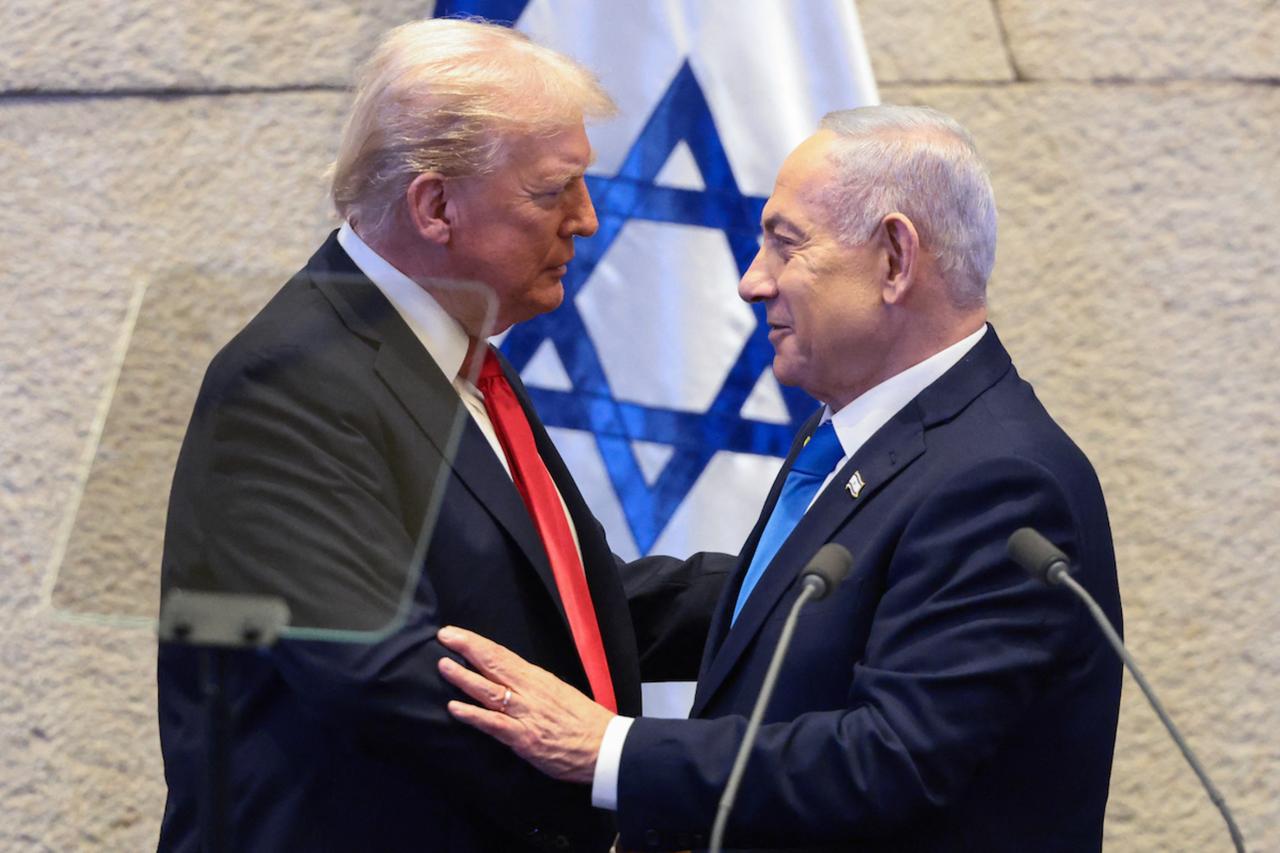


The Trump administration has pushed Israel almost entirely out of its negotiations with Iran, Israeli defense officials told the New York Times (NYT).
As a result of the exclusion, Israeli leaders have been forced to piece together details of the talks through independent surveillance of the Iranian regime, as well as their own connections with regional leaders and diplomats.
In the days before the Feb. 28 strikes, Benjamin Netanyahu was in the Situation Room with Trump, leading discussions and predicting that a joint strike could bring down the Islamic Republic.
Within weeks, that picture had changed dramatically.
"The banishment from the cockpit to economy class has potentially significant consequences for Israel, and especially for the prime minister," the NYT wrote.
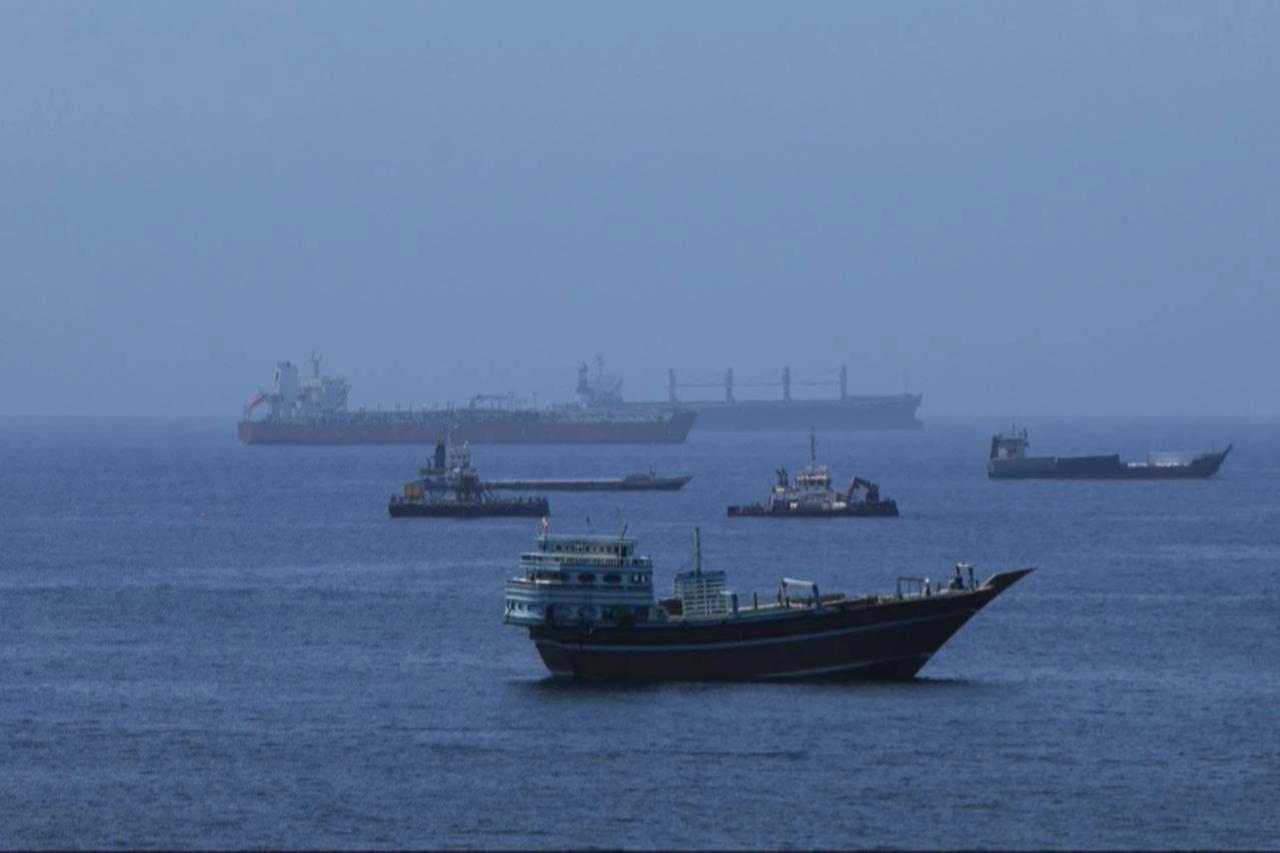
Senior Israeli defense officials told the NYT that the dramatic shift in the White House's treatment of Israel began after Netanyahu's optimistic pre-war assessments proved inaccurate, and after Iran's closure of the Strait of Hormuz sent oil prices soaring and forced Trump to prioritize ending the fighting over continuing it.
Trump had viewed Netanyahu as a war ally but not as a partner in negotiations with Iran, American officials familiar with his thinking told the NYT. He, in fact, considered Netanyahu someone who needed to be restrained when it came to resolving conflicts. Israel soon found itself treated as what the NYT described as "something more akin to a subcontractor to the U.S. military."
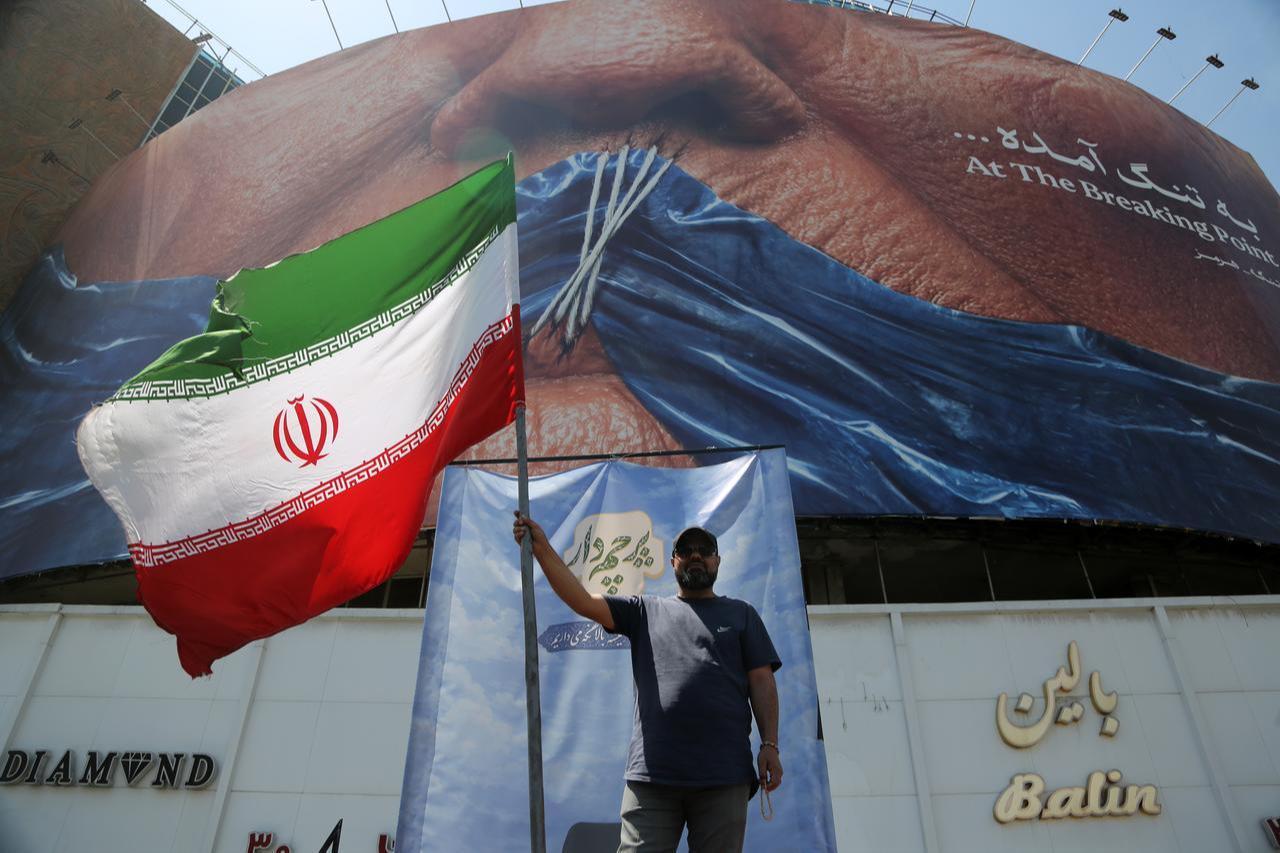
Far from being toppled, the Islamic Republic, in the NYT's framing, has behaved as though it won the war merely by surviving it.
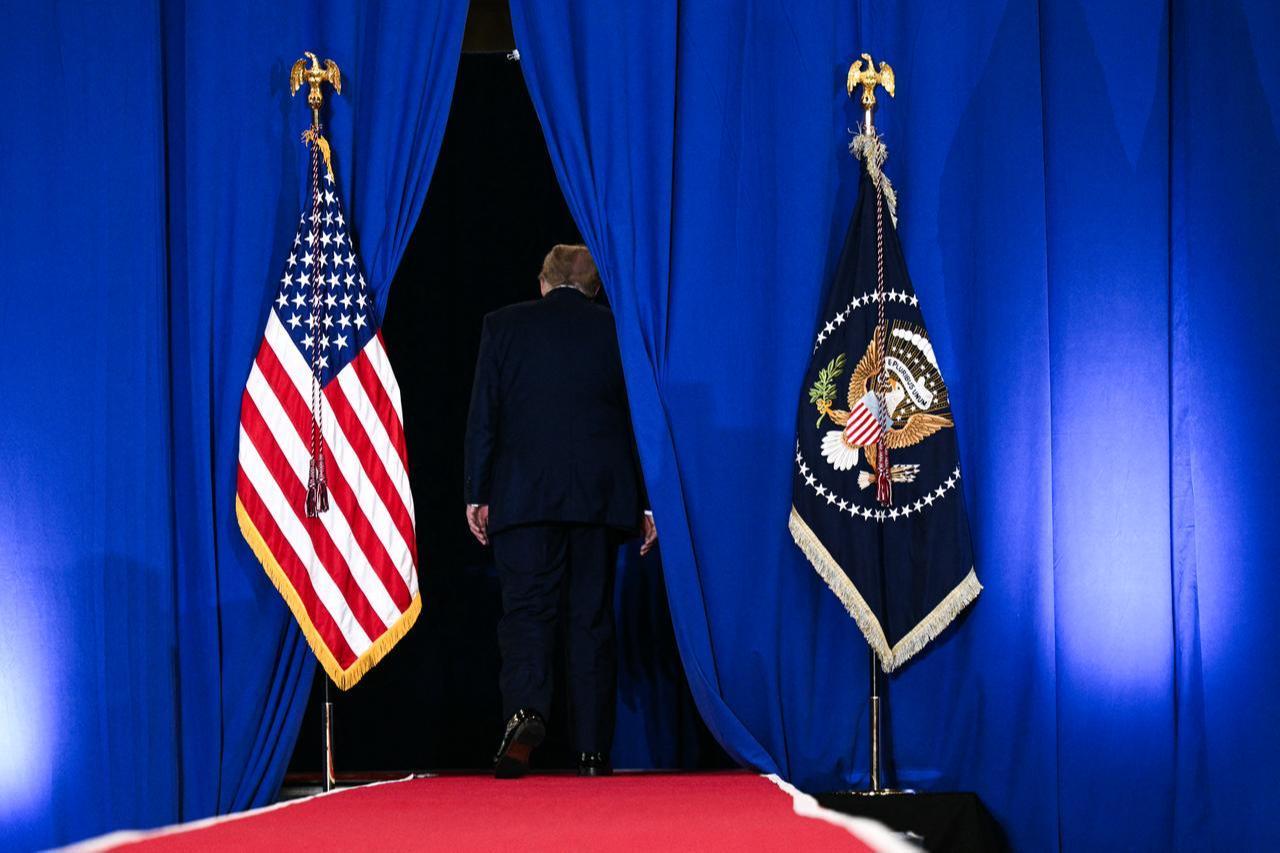

Netanyahu had set three goals at the start of the war: toppling the Iranian regime, destroying its nuclear program and eliminating its missile arsenal.
None have been realized.
Instead, recent U.S. proposals have called for a 20-year, or possibly shorter, suspension of Iranian nuclear activity. Israeli officials told the NYT that Iran's ballistic missile arsenal may have been left off the negotiating table entirely, as far as Israel knows. In that respect, any deal would fail to improve on the 2015 nuclear accord that Netanyahu assailed in part because it did not address Iran's missiles.
Israeli officials also fear that lifting sanctions under any agreement would provide Tehran with an economic lifeline, allowing billions of dollars to flow back to the regime for rearming itself and proxy forces such as Hezbollah.
The NYT detailed several episodes in which Israel and the U.S. coordination broke down publicly.
Israel had proposed sending Kurdish armed groups into Iran from Iraq and supported that plan by bombing targets in northwest Iran. Trump initially backed the idea before reversing himself on March 7, saying: "I don't want the Kurds going in. I don't want to see the Kurds get hurt, get killed."
That same weekend, Israel struck oil facilities in Tehran and the nearby city of Karaj in a strike approved in advance by the U.S. The Americans had expected a small, symbolic operation; instead, the burning fuel created vast clouds of black smoke carrying dangerous chemicals that hovered over Tehran for days, alarming Gulf states over possible Iranian retaliation. The Trump administration let it be known that it disapproved and asked Israel to stop striking such infrastructure.
A similar sequence played out around Israel's March 18 strike on the South Pars natural gas field and oil facilities along the Persian Gulf, also coordinated with the U.S.
Trump initially denied advance knowledge of the strike, then criticized Israel for having "violently lashed out," and finally suggested he had discussed it with Netanyahu beforehand but had urged him not to carry it out.
Netanyahu took full responsibility that night: "Fact No. 1, Israel acted alone. Fact No. 2, President Trump asked us to hold off on future attacks and we're holding it."
Trump also pressured Israel to halt its campaign against Hezbollah in Lebanon within days of the April 8 ceasefire, forcing Israel to accept restraints on fighting with what it considers a hostile adversary on its border.
Regional tensions have escalated since the U.S. and Israel launched strikes against Iran in February. Tehran retaliated with strikes targeting Israel as well as U.S. allies in the Gulf, along with the closure of the Strait of Hormuz.
A ceasefire took effect on April 8 through Pakistani mediation, but talks in Islamabad failed to produce a lasting agreement.
U.S. President Donald Trump later extended the truce indefinitely.


 Set as preferred source
 Set as preferred source


 1 min read
 1 min read