Newsletters


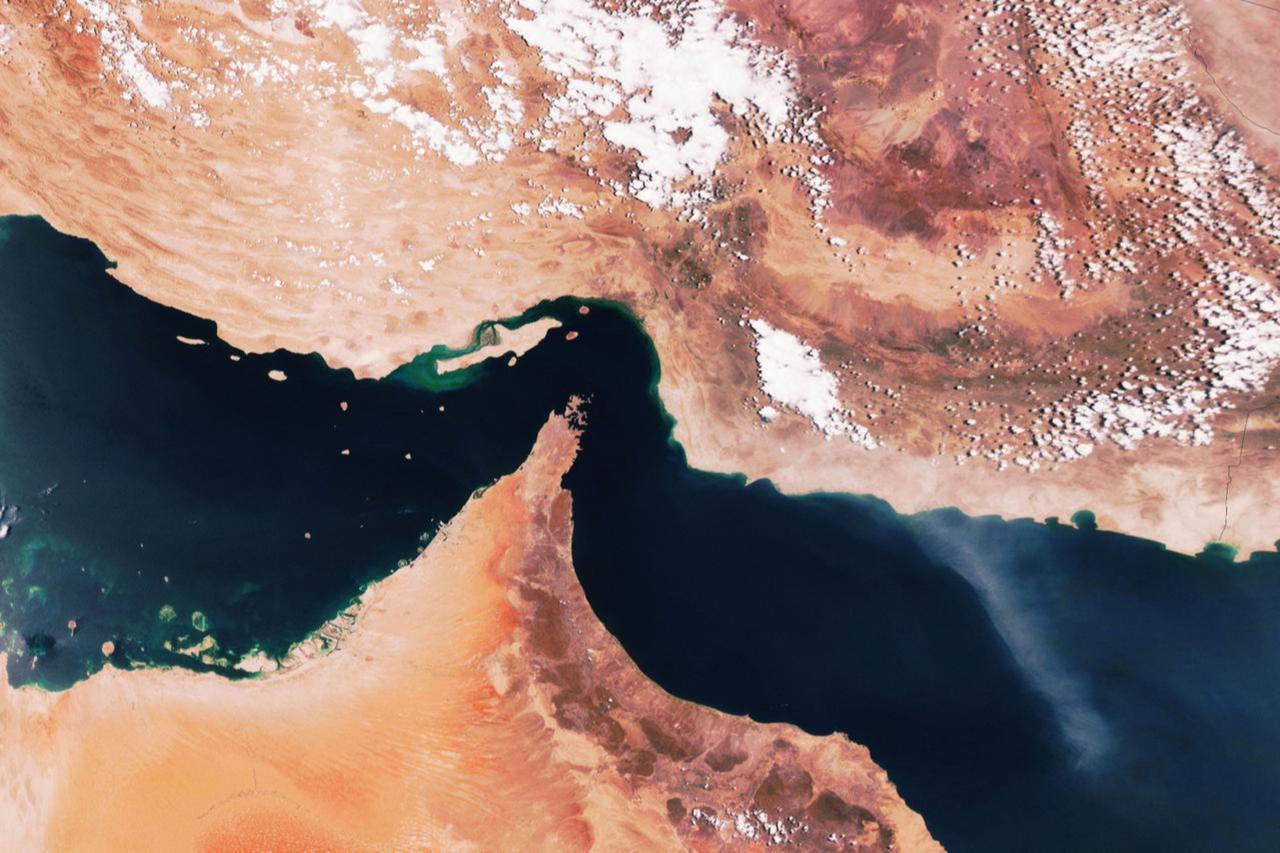


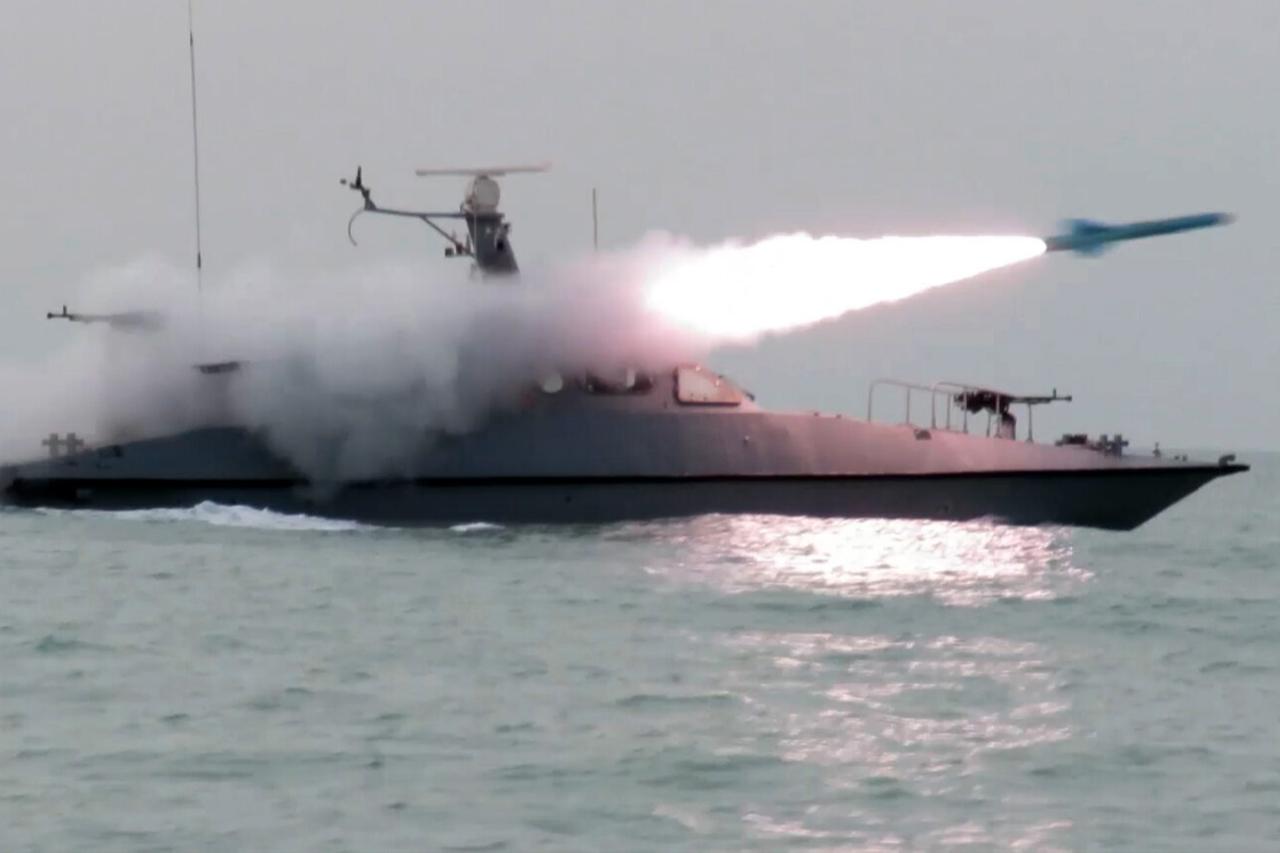
Iran's parliament speaker declared Wednesday that the country would not reopen the Strait of Hormuz while a US naval blockade remained in place, escalating a maritime standoff that analysts say is far murkier in practice than American officials have publicly acknowledged.
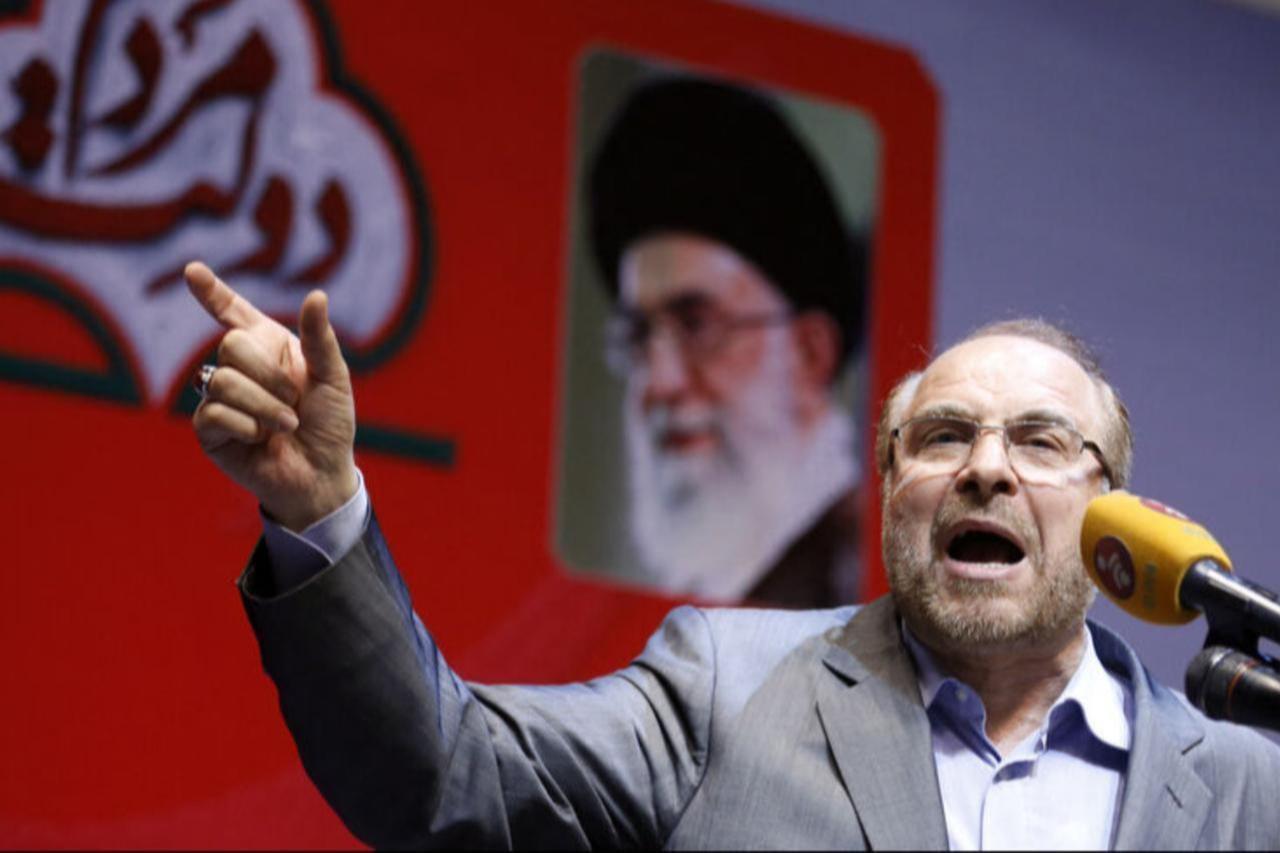

"A complete ceasefire only has meaning if it is not violated through a naval blockade," speaker Mohammad Bagher Ghalibaf wrote on X, adding that "reopening the Strait of Hormuz is not possible amid a blatant violation of the ceasefire." His remarks came as ship-tracking data and independent maritime analysts cast doubt on how effectively the blockade is being enforced.
The confrontation at Hormuz traces back to February 28, when the United States and Israel launched strikes on Iran. Iranian forces responded by effectively closing the strait, targeting vessels attempting to cross the narrow waterway between Iran's southeastern coast and the northern tip of Oman. After peace talks collapsed during a subsequent ceasefire, US forces launched a counter-blockade on April 13.
General Dan Caine, chairman of the US Joint Chiefs of Staff, said the American operation would be enforced further east, at the mouth of the Gulf of Oman.
US Central Command initially said the blockade applied to ships of all nations travelling to or from Iranian ports. The US Navy later broadened that scope, saying it would also intercept ships suspected of carrying contraband, including oil, weapons and nuclear material linked to Iran, regardless of their location. Lloyd's List Intelligence reported Wednesday that an unnamed US defence official said the operation's success was now being measured by the degree to which it damaged Iran's trade, rather than by the number of vessels intercepted.
Independent tracking data and satellite imagery analysed by maritime firms tell a more complicated story than official US statements suggest. Dozens of ships potentially falling under the blockade's terms, including Iranian-flagged vessels under US sanctions and ships travelling to and from Iranian ports, appear to have crossed the line regardless.
US Central Command maintained in daily updates that "zero" vessels had evaded the blockade through April 17, and declared on April 18 that the operation had "completely halted economic trade going into and out of Iran by sea." Since then, however, the command has only reported vessels turned around, currently putting that figure at 28.
"There's been confusion over the scope and the parameters of the blockade because of conflicting information given by the US administration," said Bridget Diakun, an analyst at Lloyd's List Intelligence, noting delays in how and when information had been made public.
The blockade's practical limits are compounded by the well-documented tactics of Iran's so-called shadow fleet, a network of vessels that have long used deceptive means to circumvent international sanctions. Some sanctioned ships have sailed west into the Gulf, listing their destinations as Iraq or other non-Iranian ports.
Once inside, vessels can manipulate their transponders to mask their positions, and conduct ship-to-ship oil transfers that test the terms of the American operation. Several Iranian-linked ships also appear to have switched off their transponders while leaving the Gulf, later reappearing in the Arabian Sea, with satellite imagery apparently confirming their routes.
US officials indicated early in the operation that humanitarian exemptions would be available, though without specifying exact conditions. Tracking data show at least two vessels travelled freely in and out of the Gulf after delivering or collecting food at Iranian ports.
The Strait of Hormuz remains one of the world's most strategically critical chokepoints, through which roughly a fifth of global oil supplies typically passes. Whether the current standoff resolves through diplomacy or hardens into a prolonged economic siege remains, for now, an open question.


 Set as preferred source
 Set as preferred source


 2 min read
 1 min read