Newsletters


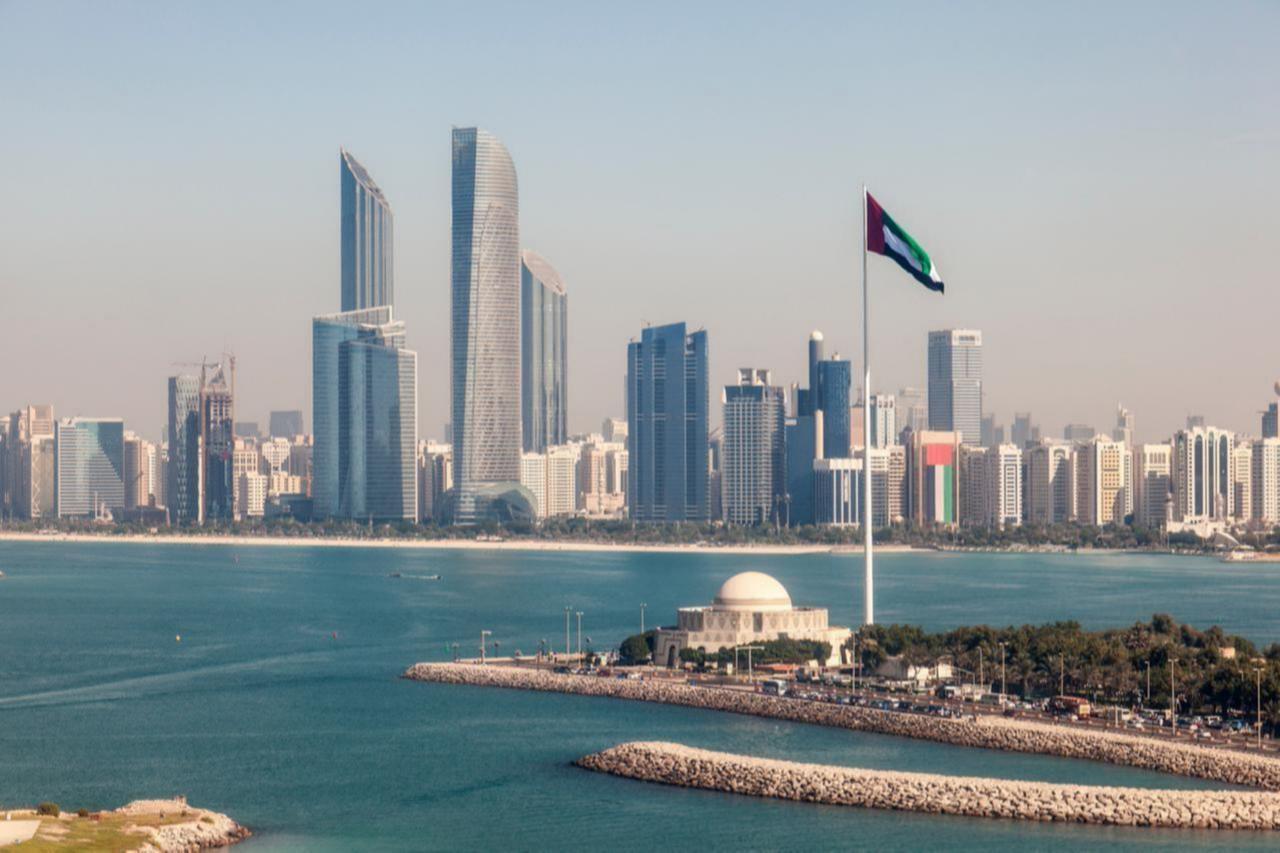


The United Arab Emirates has absorbed nearly 2,820 Iranian missile and drone strikes since late February without altering its economic trajectory, the country's ambassador to Ankara said Tuesday, describing an air-defense apparatus that has largely held, supply chains that have not snapped, and a bilateral relationship with Türkiye built on complementarity rather than rivalry.
Ambassador Said Sani al-Zahiri, speaking at a gathering organized by the UAE Embassy in Ankara, opened his remarks with condolences to the victims of an armed attack on Ayser Calik Middle School in Kahramanmaras on April 15, saying the UAE stands in full solidarity with Türkiye at this difficult time.

Iran has fired a total of 537 ballistic missiles, 26 cruise missiles, and 2,256 drones at UAE territory since Feb. 28, al-Zahiri said, bringing the cumulative tally to 2,819 projectiles. The UAE has neutralized all of them, he said, crediting advanced air-defense systems, smart attack warning and public-awareness platforms, and what he described as thorough institutional preparation.
Al-Zahiri noted that real-time information and instruction flows proved their effectiveness in reinforcing public safety, and that the UAE is prepared to share its accumulated experience in countering missiles and drones with friendly nations.
Critically, the ambassador stressed that 85 percent of Iran's strikes were directed at civilian, not military, targets, a pattern he said underscores the deliberate nature of the campaign. UAE President Mohammed bin Zayed Al Nahyan visited wounded in hospital on the first day of the attacks; footage also showed him walking through a shopping mall, a visible signal, al-Zahiri said, of confidence and normality.
The conflict erupted after a coordinated U.S.-Israeli strike on Iran on February 28 that killed Supreme Leader Ali Khamenei and other senior officials, prompting Tehran to retaliate with barrages of missiles and drones across the Gulf. The UAE, which hosts major U.S. military assets including Al Dhafra Air Base, became one of Tehran's primary targets.
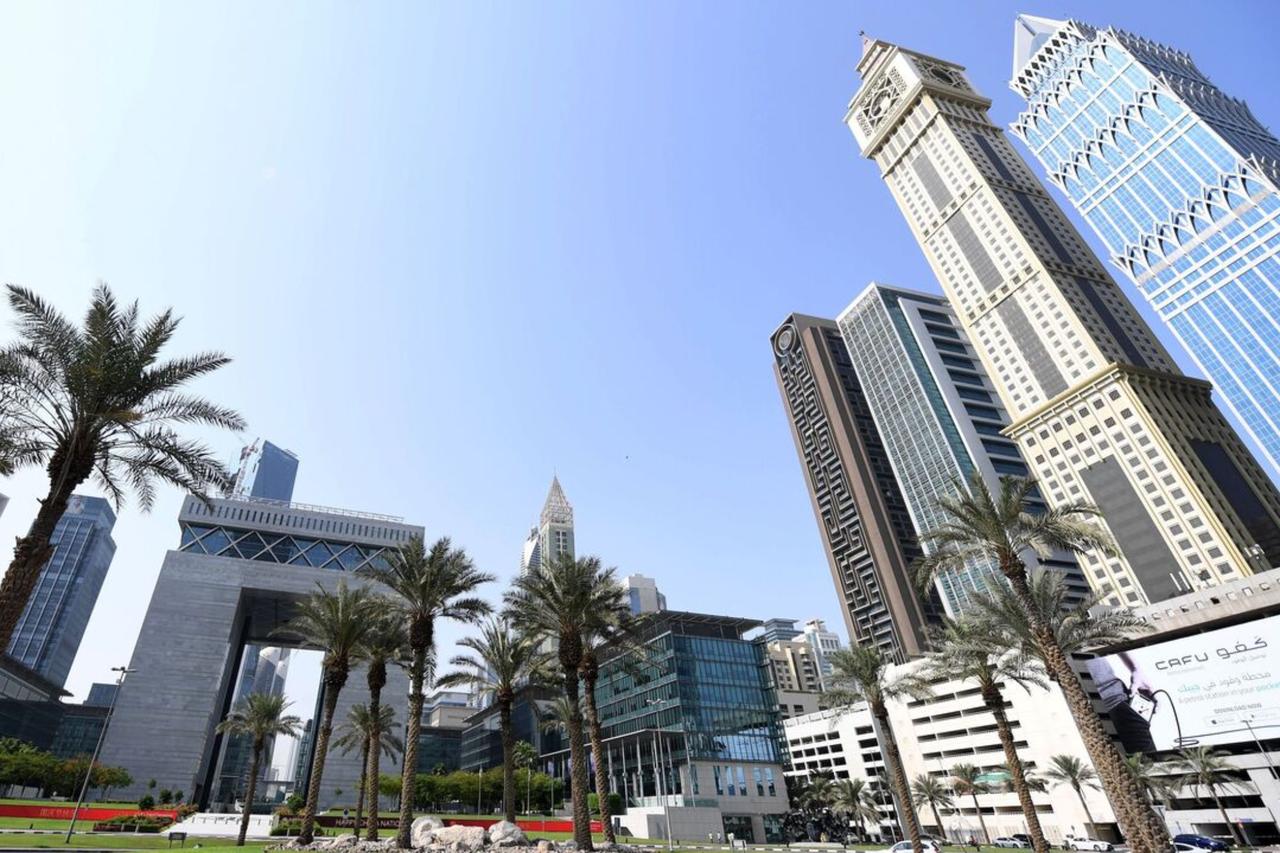
Despite the scale of the bombardment, the ambassador said no shift has occurred in UAE investment plans or long-term economic priorities. He pointed to non-oil sectors now accounting for roughly 75 percent of gross domestic product as evidence of a diversification strategy that insulates the economy from energy-sector shocks, a remarkable structural shift for a country that built its modern wealth on petroleum revenues.
Hotel occupancy rates remain on a normal trajectory, he said. The UAE Development Bank is providing 20 million dirhams daily to support the private sector and reinforce business continuity. Strategic reserves of essential goods cover four to six months of market requirements, and no disruption in import flows or supply chains has been detected.
The closure of the Strait of Hormuz since the conflict's outbreak has thrown global energy markets into upheaval, with roughly 20 million barrels per day ordinarily transiting the chokepoint. Al-Zahiri said the UAE developed contingency infrastructure specifically to guard against this scenario.
The Habshan-Fujairah crude oil pipeline, a 380-kilometer overland conduit from Abu Dhabi's inland oil fields to the Gulf of Oman coast that became operational in 2012, is actively exporting oil and has not been put out of commission despite attempted strikes on related facilities.
The pipeline is currently moving between 1.5 and 1.8 million barrels per day, al-Zahiri said. He also cited the Etihad Rail project, a national freight rail network, as another element of the infrastructure designed to guarantee trade and supply continuity independent of Hormuz.
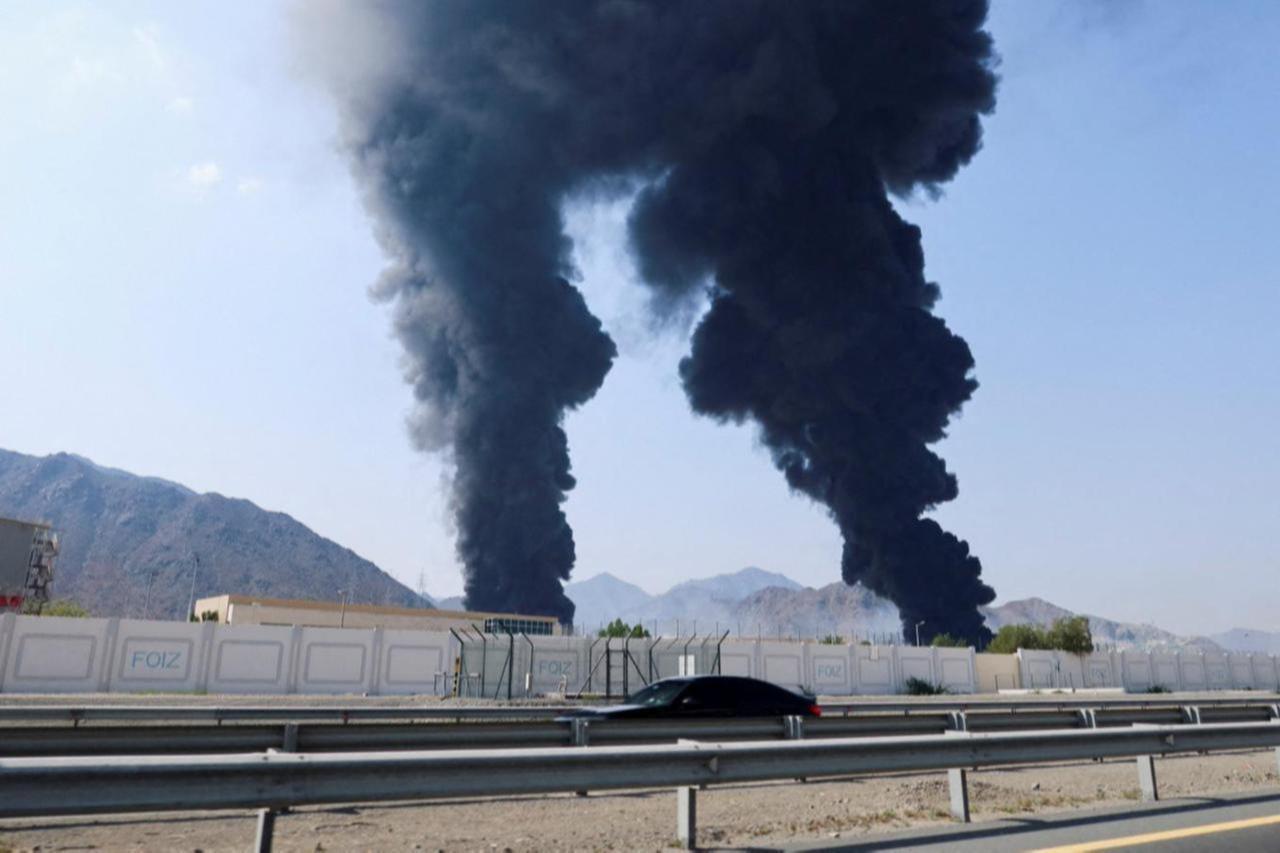
Al-Zahiri acknowledged that Iranian attacks targeted some oil storage facilities at Fujairah but said those strikes were intercepted and the depots sustained no damage. The UAE, he said, has navigated different challenges with foresight and emerged from them with minimal losses.
Addressing the bilateral relationship, al-Zahiri pushed back against any framing of the UAE and Türkiye as rivals, drawing a geographic and economic contrast, with Türkiye bridging Europe and the UAE connecting Asia and the East. "The two countries are moving on a path where they complement each other," he said. "We are not competitors, we are complementary as two countries."
That logic, he argued, is precisely what drove the two nations to sign a Comprehensive Economic Partnership Agreement, which was concluded in March 2023 and entered into force in September of that year, eliminating or reducing tariffs on more than 83 percent of traded goods and setting a bilateral trade target of $40 billion within five years. Al-Zahiri concluded by congratulating the Turkish government and people on the occasion of April 23, National Sovereignty and Children's Day.


 Set as preferred source
 Set as preferred source


 1 min read
 1 min read