Newsletters


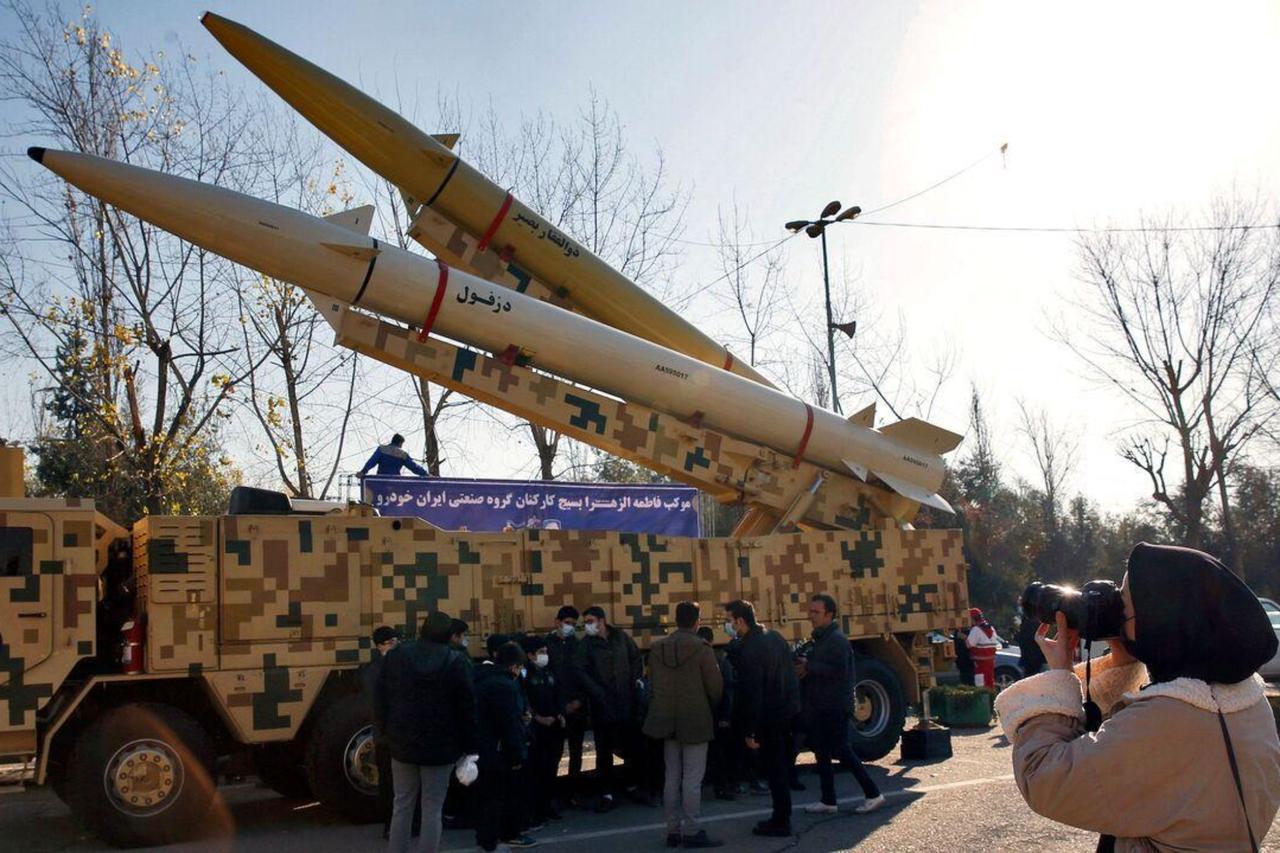


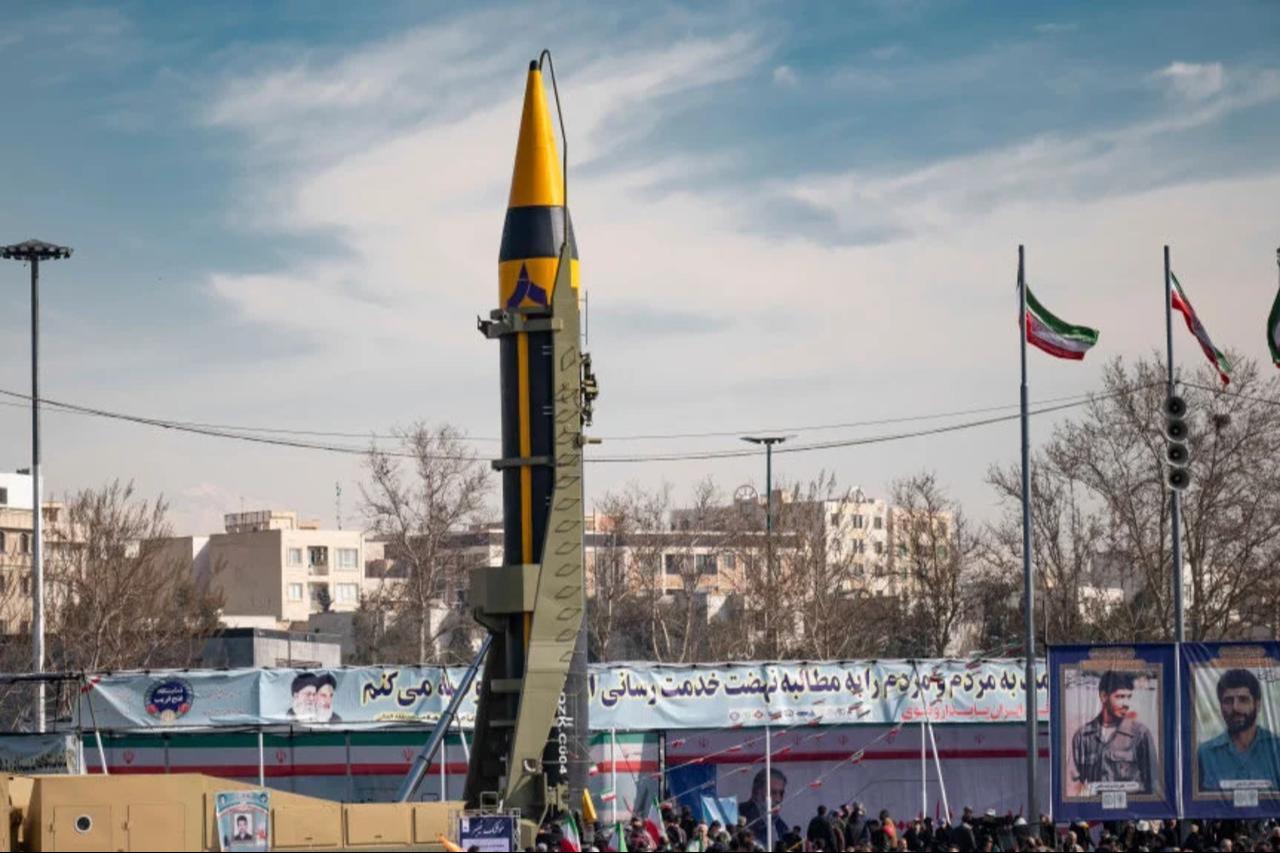
Iran is rejecting any limits on its missile program and is seeking compensation as part of potential negotiations, Pakistani sources told Anadolu Agency.
Sources said Tehran is also pushing for security guarantees as it sets out its terms, adding that a possible move toward talks could emerge within 48 hours.
Israeli media reported that Washington has prepared a 15-point proposal aimed at ending the conflict, with the framework conveyed to Tehran through Pakistan as part of indirect contacts. According to multiple reports, the plan is structured as a basis for negotiations rather than a final agreement and is tied to a proposed one-month ceasefire to allow talks to proceed.
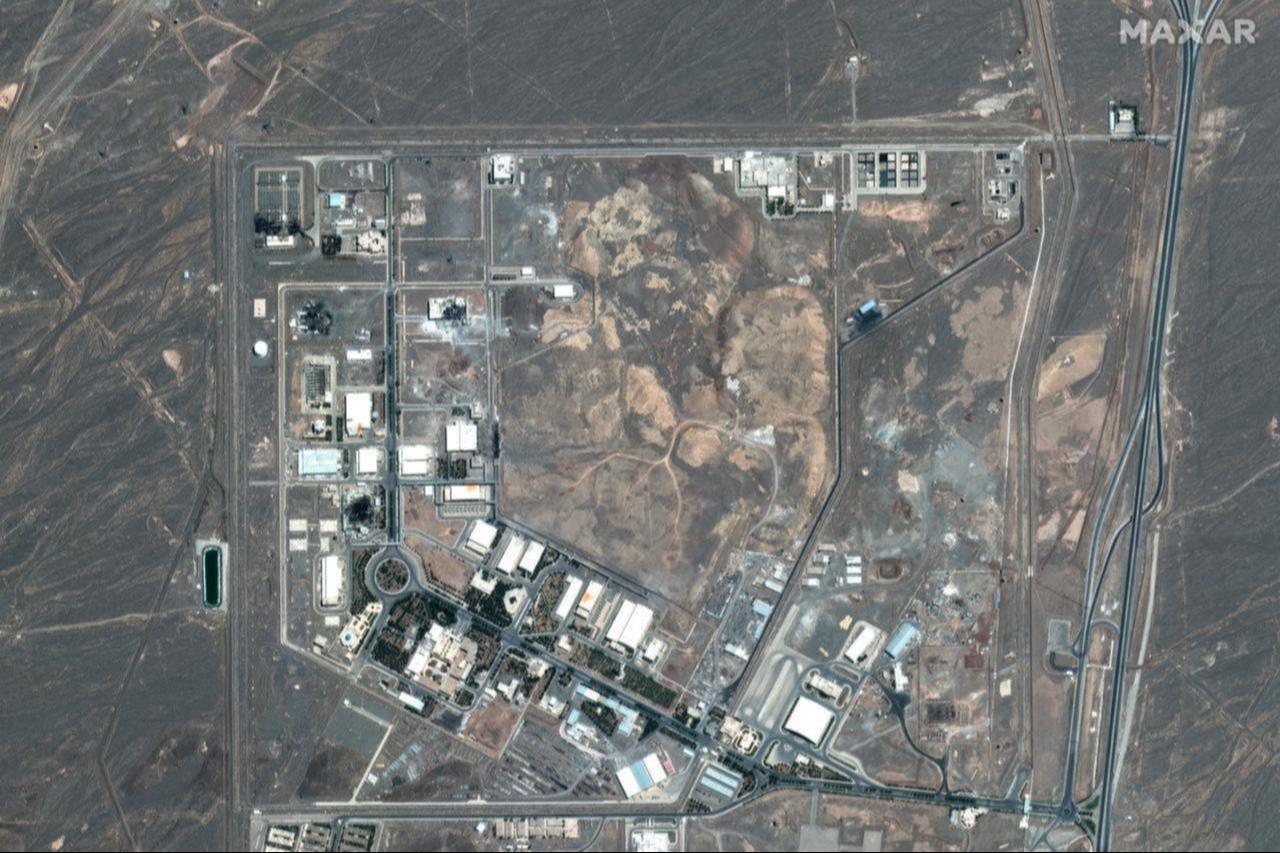
The reported terms focus heavily on Iran’s nuclear program, including dismantling key facilities in Isfahan, Natanz and Fordo, halting uranium enrichment, and transferring stockpiles of highly enriched uranium to the International Atomic Energy Agency under expanded monitoring.

The proposal also outlines broader regional and security conditions, such as keeping the Strait of Hormuz open to maritime traffic, introducing limits on Iran’s missile program, and ending support for allied armed groups across the region.
In exchange, the framework is said to offer phased sanctions relief, potential civilian nuclear cooperation, and a temporary ceasefire period designed to test whether both sides can move toward a more comprehensive settlement.
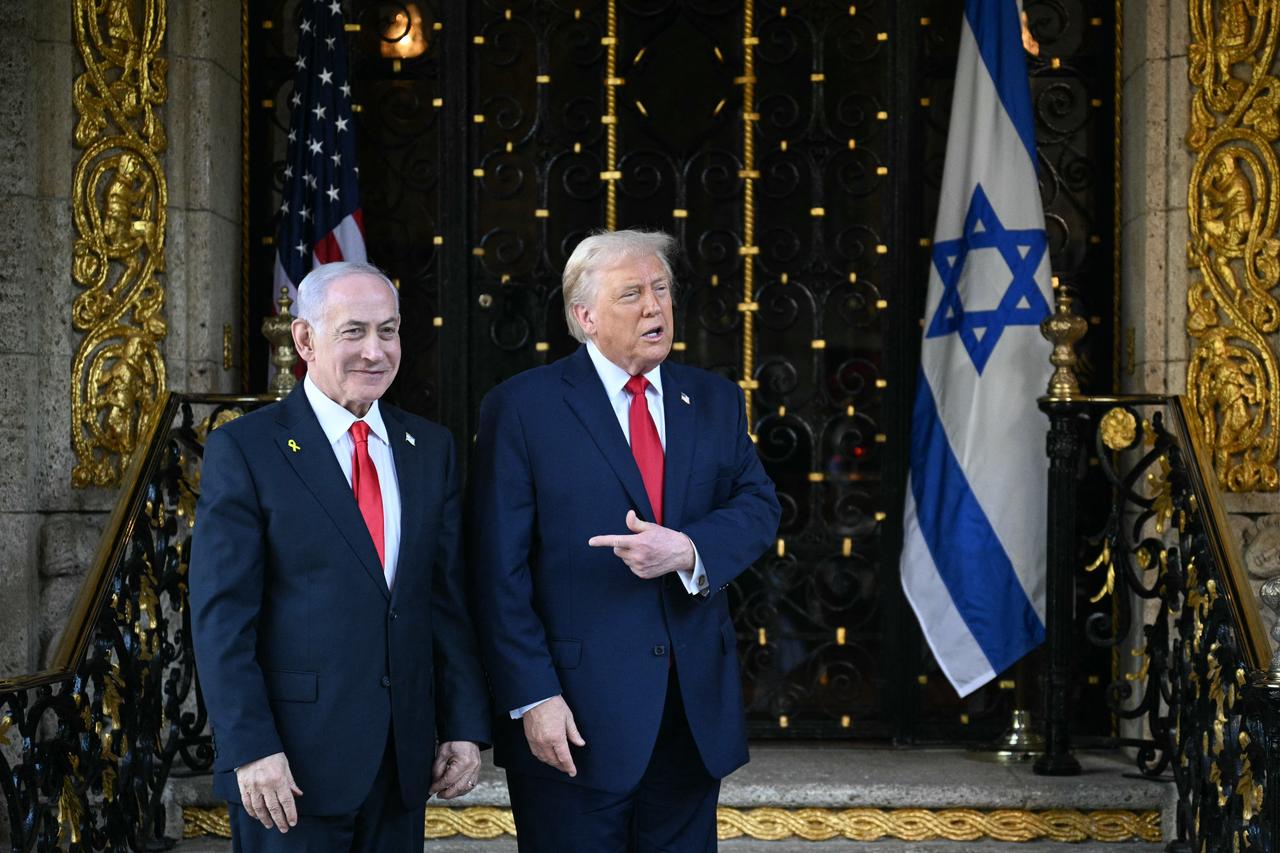
Earlier, U.S. President Donald Trump delayed planned strikes on Iran’s power grid on Monday for five days, citing what he described as “very good and productive” contacts and indicating that a diplomatic opening may still be possible.
Iranian officials denied that any talks are taking place, maintaining that no formal or indirect contacts have been agreed.
On Tuesday, Trump reiterated that Washington is “in negotiations right now” with Iran and said the United States is speaking to “the right people” in Tehran, adding that Iranian officials “want to make a deal very badly” as efforts continue to end the conflict.
He also pointed to what he described as progress, including a potential concession related to energy flows and the Strait of Hormuz, while indicating that diplomatic efforts are advancing alongside ongoing military operations.


 Set as preferred source
 Set as preferred source


 1 min read
 1 min read