Newsletters


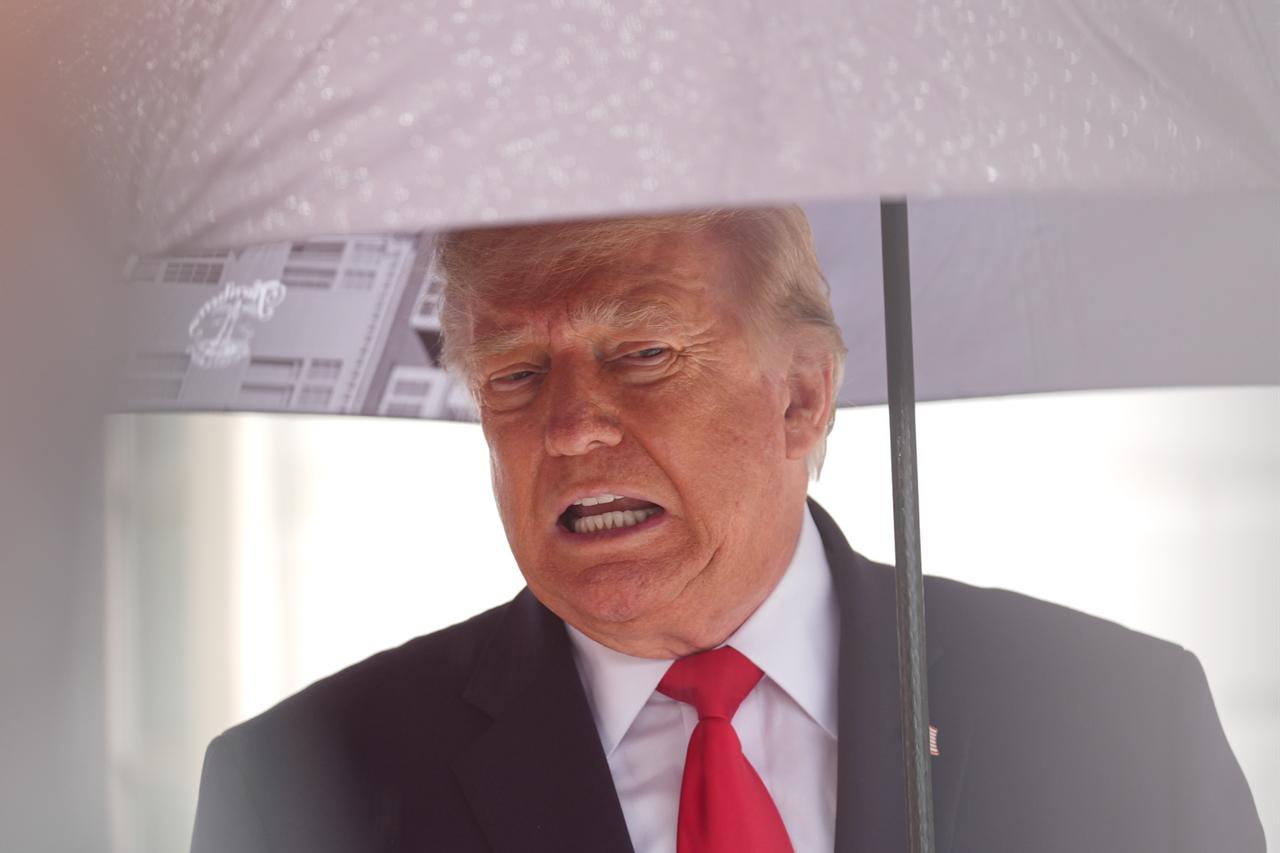


U.S. President Donald Trump told senior advisers he may hold off on renewed military strikes against Iran unless Tehran or Yemen's Iran-backed Houthis carry out fresh provocations, Reuters reported Saturday.
This came as Turkish President Recep Tayyip Erdogan and Saudi Crown Prince Mohammed bin Salman urged Washington to avoid another escalation.
Trump made the remarks during recent meetings with national security advisers and after receiving intelligence briefings, three people familiar with the discussions told Reuters.
However, the president has not reached a final decision and continues to alternate between warnings of renewed military action and indications that he could seek to wind down the conflict.
A White House official emphasized that Trump remains the sole decision-maker on any future U.S. military operation.
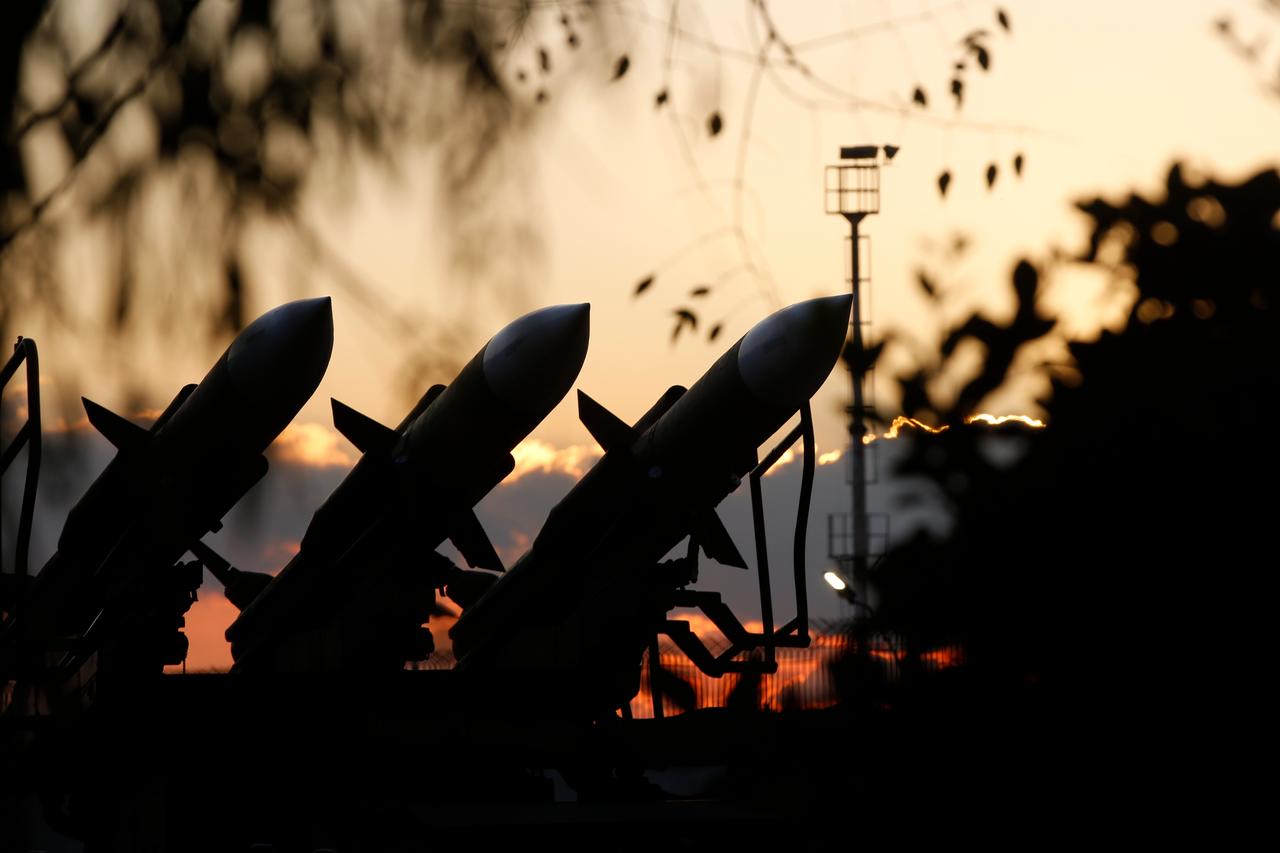
The deliberations come as Washington maintains a substantial military presence in the region. A third U.S. aircraft carrier is being moved toward the Middle East and could remain alongside two carriers already operating there if necessary, according to Reuters.

Trump has sought the views of regional leaders, including Erdogan and Mohammed bin Salman, as he considers the next steps in Washington's confrontation with Tehran.
Both leaders urged Trump during telephone conversations over the past two weeks not to resume military strikes against Iran, according to a senior U.S. official and another person familiar with the discussions cited by Reuters.
The president did not commit to either resuming or refraining from military action.
Türkiye's presidency has said Erdogan and Trump spoke three times since Oct. 28.
According to an official account of their Nov. 7 conversation, Erdogan emphasized the need to end tensions between the United States and Iran.
Trump also discussed the possibility of renewed strikes with Mohammed bin Salman on Oct. 31, telling the Saudi crown prince he was considering military action following the U.S. midterm elections, Reuters reported.
The Saudi leader urged Trump to wait, arguing that Washington's economic pressure on Tehran was already producing results.
U.S. intelligence assessments have similarly concluded that the American naval blockade and economic sanctions are placing increasing pressure on Iran's economy, according to Reuters.
Trump's reported reluctance to resume attacks has not removed the possibility of further military action.
U.S. military planners remain prepared for additional operations, while Trump has received briefings on potential targets and available weapons stockpiles, officials told Reuters.
However, intelligence agencies have also assessed that further strikes would be unlikely to significantly alter Tehran's demands in negotiations, according to the report.
The White House has continued to defend its approach to Iran, maintaining that preventing Tehran from obtaining a nuclear weapon remains a central U.S. objective.
Trump indicated Thursday that he was considering the concerns of regional partners, saying he could end the conflict immediately but was pursuing a slower approach at the request of countries Washington seeks to protect.
Israeli officials, meanwhile, have continued pressing the United States to launch another military campaign against Iran, Reuters reported.
The Reuters account follows a Washington Post report Friday that Trump does not want to resume the war against Iran "for now."
Citing a U.S. official, the newspaper reported that Trump had received several daily intelligence briefings since the midterm elections.
"It's become pretty clear that Trump does not want to go back to war for now," the official said.
According to the report, the administration has settled on an approach that avoids renewed large-scale fighting and fresh negotiations while maintaining economic and military pressure on Tehran.
Trump announced on Truth Social earlier this week that Washington no longer needed an agreement with Iran and instructed Vice President JD Vance to focus on domestic issues rather than negotiations with Tehran.
"We're just keeping it the status quo," Trump told reporters Monday after meeting Qatari Prime Minister Mohammed bin Abdulrahman Al Thani at the White House.
Secretary of State Marco Rubio, however, rejected suggestions that Washington's position amounted to a stalemate.
"The pressure and the devastation that our economic campaign is having on the Iranian regime is working so well that the president really doesn't have any need to conduct major combat operations," Rubio said on the sidelines of the Group of Seven foreign ministers' meeting in Paris.
Rubio also described Iran's demands as "absurd."
The United States and Israel launched military attacks against Iran on Feb. 28, prompting Tehran to retaliate with missile and drone strikes across the region and effectively close the Strait of Hormuz, a strategic waterway for global energy shipments.
A memorandum of understanding signed in June was intended to pave the way for a final peace agreement, but subsequent disagreements, including over maritime navigation in the strait, prevented a lasting settlement.
Washington has continued its economic and military pressure campaign against Tehran as uncertainty persists over whether negotiations can resume or the conflict will escalate again.


 Set as preferred source
 Set as preferred source


 2 min read

 1 min read