Newsletters


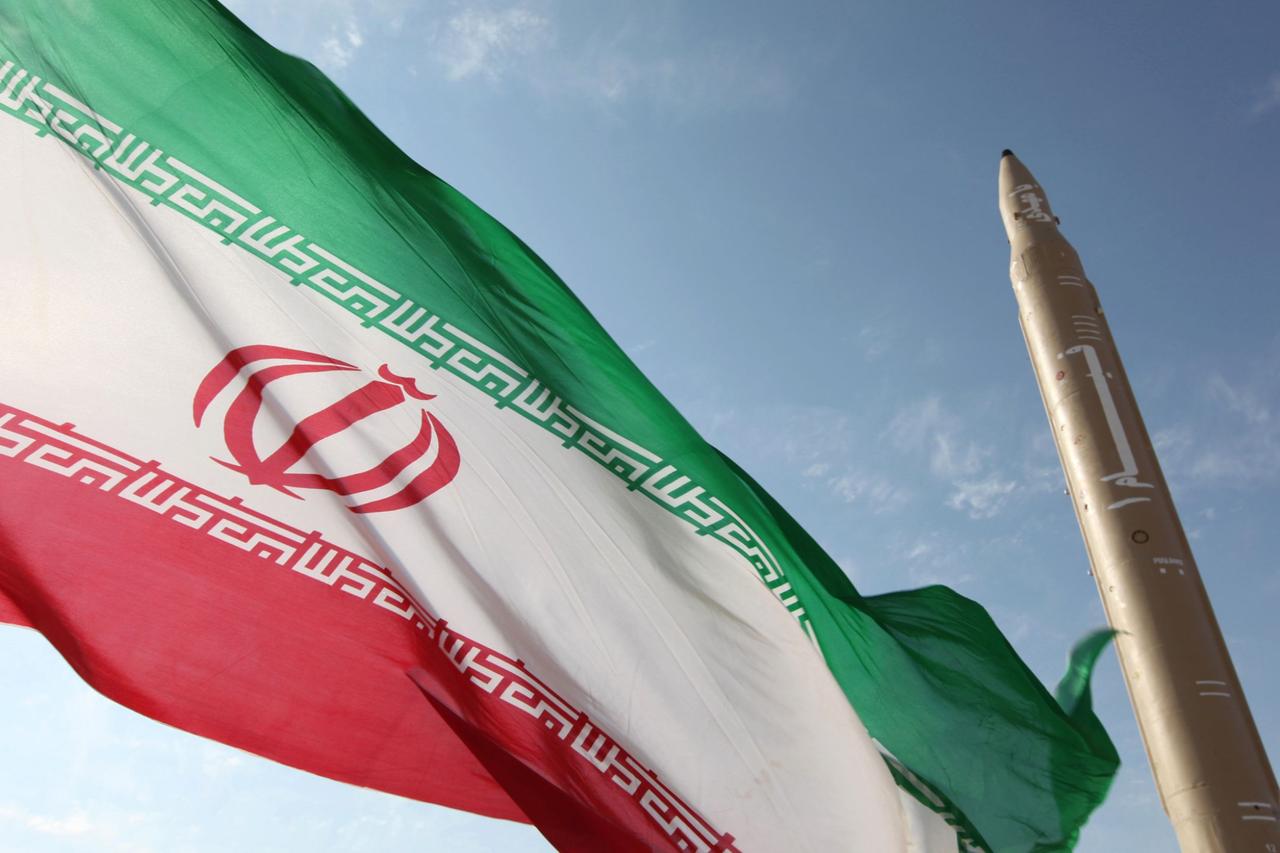


Iran’s United Nations envoy Amir Saeid Iravani on Tuesday strongly objected to the convening of a U.N. Security Council meeting on nuclear non-proliferation, calling it an abuse of the council’s procedures and part of a politicized agenda.
Speaking during the session, Iravani said Iran aligned with the positions of Russia and China and firmly rejected the meeting, arguing that the council had no legal mandate to discuss Iran’s nuclear program under the expired Resolution 2231.
He accused Western countries of deliberately distorting the resolution and spreading disinformation about Iran’s nuclear activities for narrow political interests.
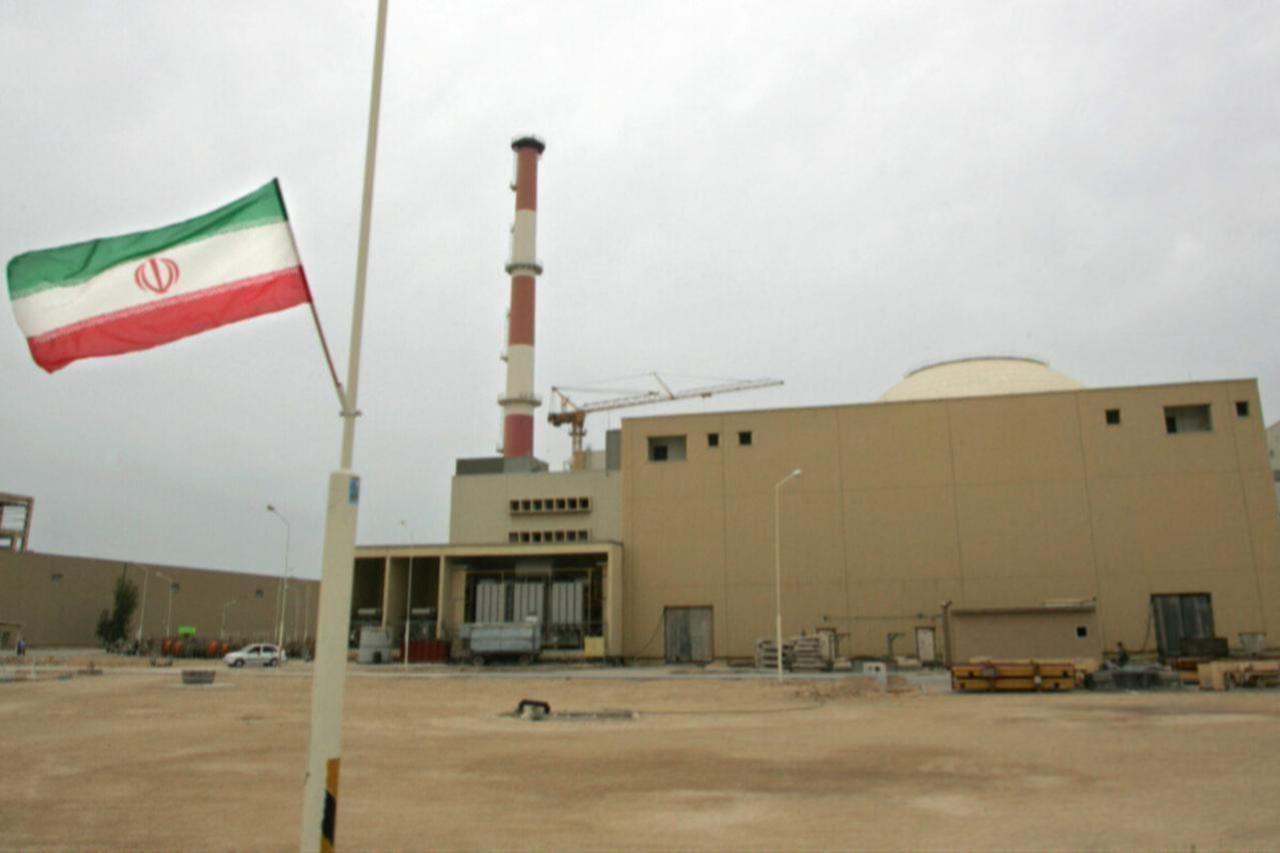
Iravani said responsibility for current tensions lay with the United States’ unilateral withdrawal from the Joint Comprehensive Plan of Action (JCPOA) in 2018, what he described as sustained non-compliance by European parties, and subsequent U.S. and Israeli military actions against Iran’s nuclear facilities.
He said Iran has been a party to the Nuclear Non-Proliferation Treaty since 1970 and has never diverted its nuclear program for military purposes, stressing that it remains peaceful and subject to extensive verification.
Iravani also rejected snapback sanctions reimposed by France, Germany, the U.K. and the U.S., saying Resolution 2231 terminated definitively on Oct. 18, 2025, and could not be revived.
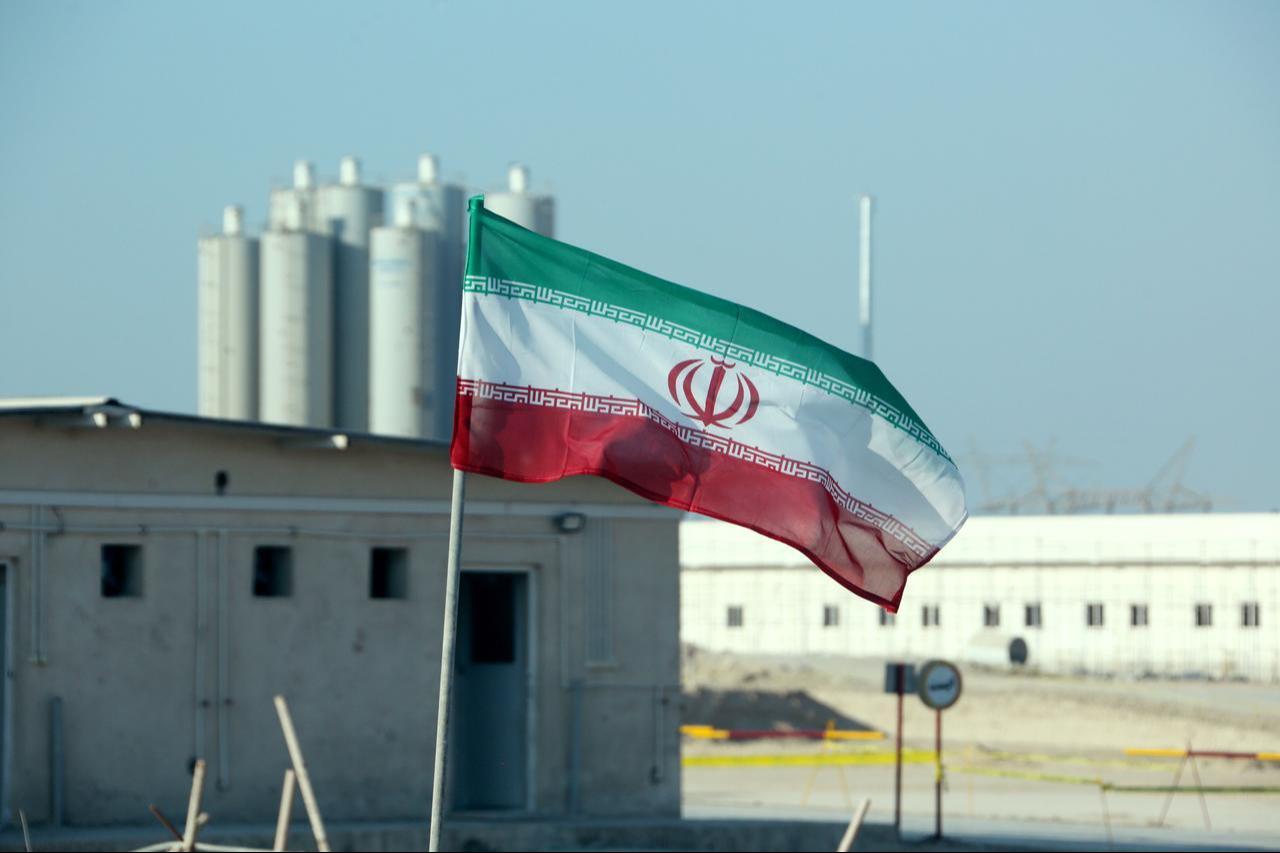

During the session, U.S. envoy Morgan Ortagus said Washington was open to formal talks with Iran but insisted there could be no uranium enrichment inside Iran.
Iravani responded that Iran welcomed fair and meaningful negotiations but said a zero-enrichment policy was inconsistent with Iran’s rights under the NPT.
Russia’s U.N. envoy Vassily Nebenzia accused France of failing in diplomatic efforts on the nuclear issue and criticized what he described as a biased approach by the U.N. Secretariat.
UN Under-Secretary-General Rosemary DiCarlo told the council that intensified diplomatic efforts in the second half of 2025 failed to produce an agreement on the future of Iran’s nuclear program.
She said several member states rejected the validity of the snapback process as procedurally and legally flawed.
DiCarlo cited an International Atomic Energy Agency report saying Iran halted its JCPOA commitments in 2021 but remained subject to NPT safeguards.
She said no allegations were received regarding violations of remaining UN restrictions and that no new proposals were submitted through the procurement channel.
China, Russia, the UK and the US reiterated their positions, with multiple representatives saying a negotiated solution remained the preferred path forward.


 Set as preferred source
 Set as preferred source


 1 min read
 1 min read