Newsletters


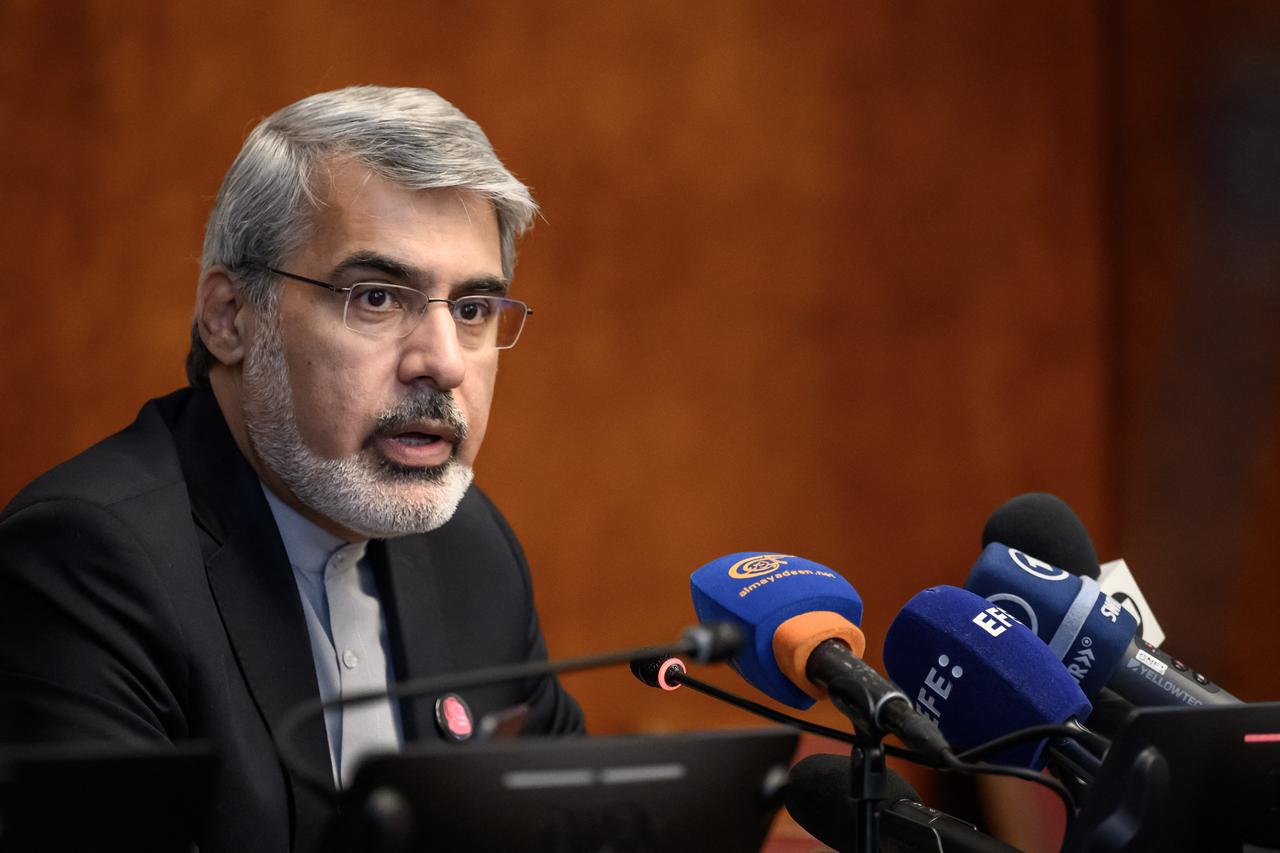


Iran's United Nations ambassador flatly rejected American claims that Washington and Doha would have oversight over how Tehran spends its unfrozen financial assets, as a flurry of diplomatic activity unfolded Tuesday across multiple fronts in the aftermath of the U.S.-Iran war.
Speaking to reporters in Geneva, Ambassador Ali Bahreini drew a clear line against any external control over Iranian funds expected to be released under the terms of ongoing U.S.-Iran negotiations.
"Iran is the only country who will decide what to do with its assets, which are going to be defrozen," he said, adding that he rejected "any claim that there would be any role for any other country to have an influence on those decisions or on those processes."
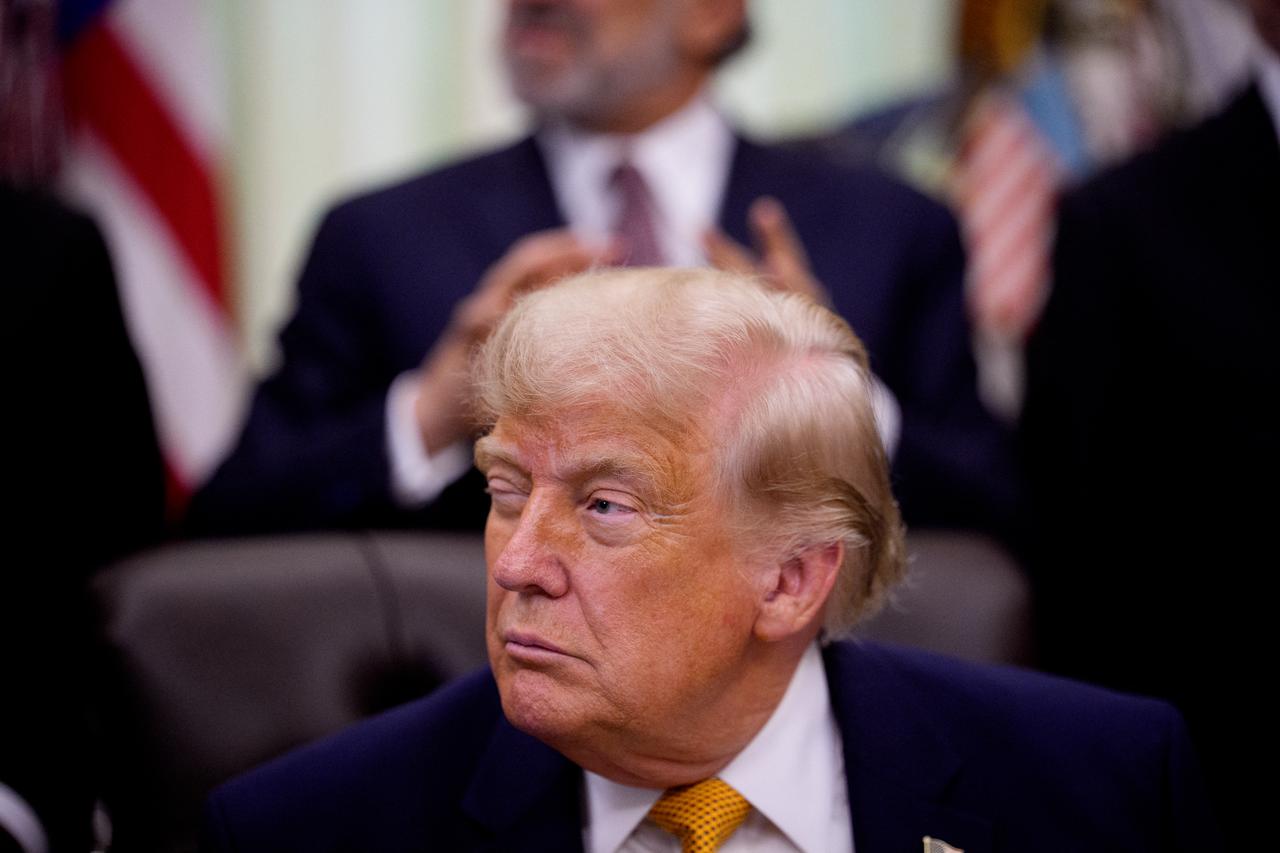
The rebuff came hours after President Donald Trump insisted on Truth Social that the released money would be "used exclusively for the purchase of food and medical supplies, exclusively from the United States, including Corn, Wheat, and Soybeans from our great American Farmers."
Vice President JD Vance had similarly argued Monday that both the U.S. and Qatar would hold approval authority over how Iran spends the funds, and that the money would not be channeled toward terrorism.
Iran's foreign ministry spokesman Esmaeil Baqaei had already dismissed that framing before Bahreini spoke, telling reporters that Tehran would "make decisions in whatever way serves the country's interests and is most beneficial," and that agricultural and other ministries would choose suppliers based on price and quality, with no restrictions.
Baqaei also noted with apparent irony that Washington's stated war objective, once described as the destruction of Iranian civilization, had apparently narrowed to "making American farmers richer."
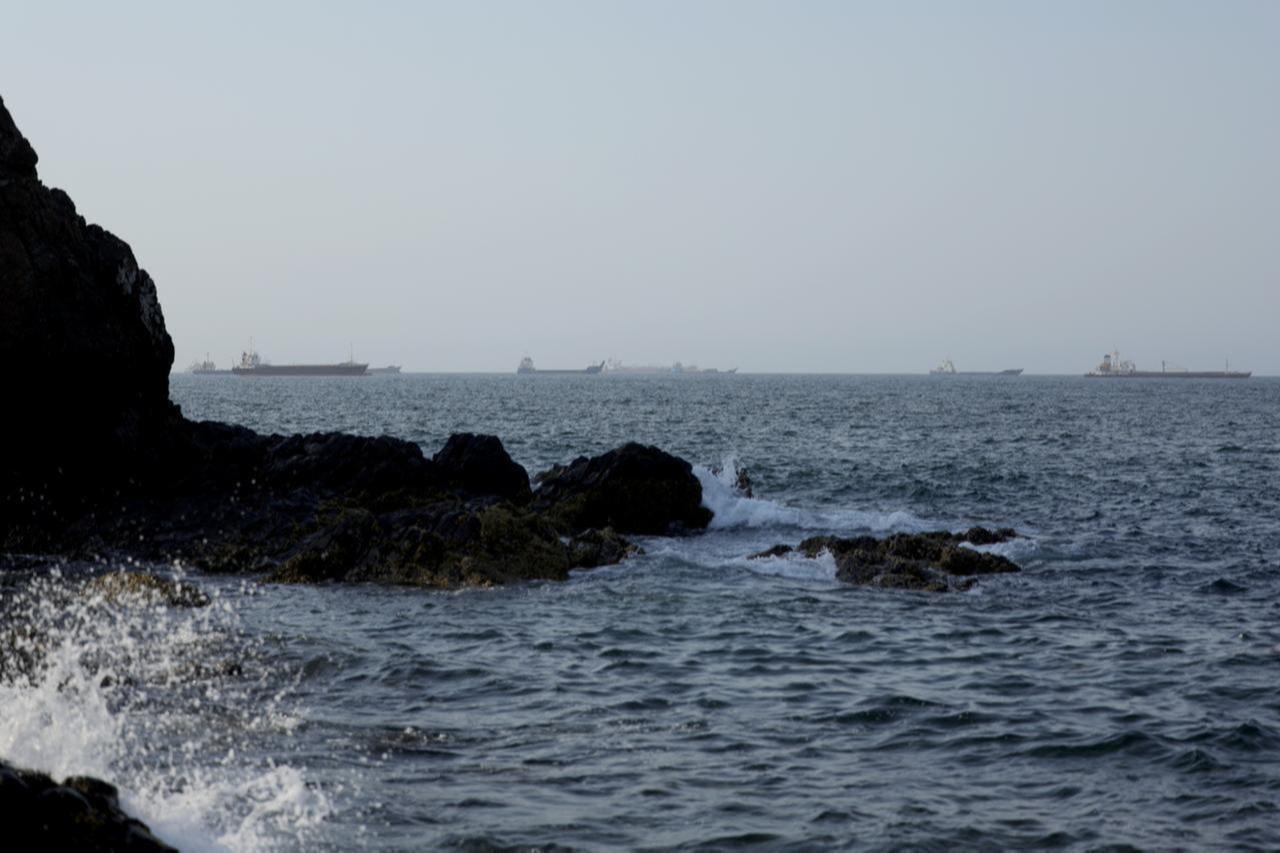

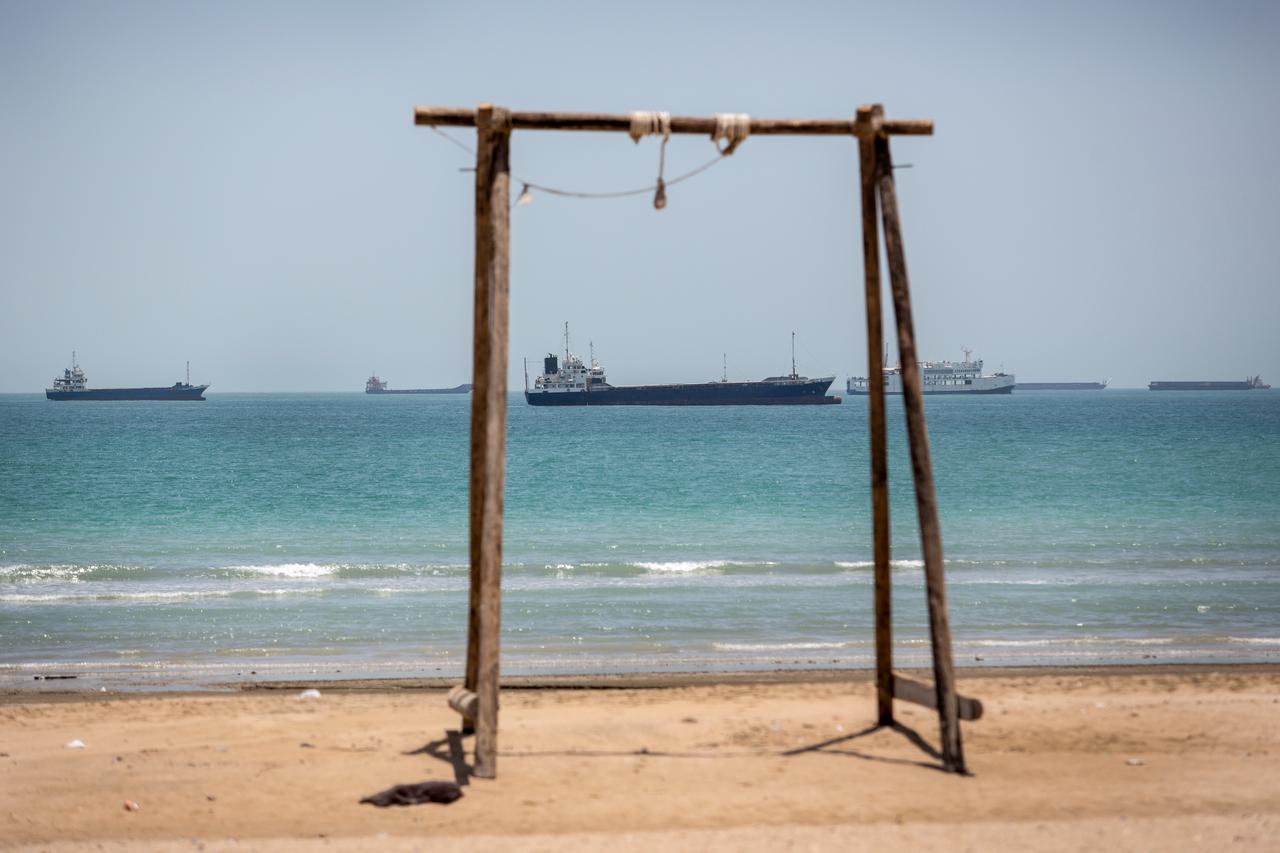
A separate but related dispute is taking shape over the Strait of Hormuz, the narrow chokepoint through which a significant share of the world's seaborne oil passes.
Iran and Oman said Tuesday they were advancing plans to jointly manage commercial shipping through the waterway and that "services" provided to vessels would carry "costs associated," language widely understood to signal future tolls on maritime traffic.
In a joint statement, the two countries, both of which have coastlines along the strait, emphasized their "sovereignty and sovereign rights over their territorial waters" and their commitment to keeping the passage open for international navigation.
The U.S.-Iran memorandum of understanding signed last week directs Iran to negotiate with Oman on future Strait administration in line with international law, but does not explicitly prohibit Tehran from charging transit fees, something Iranian officials have signaled for weeks they intend to do, though not during the current 60-day negotiation window.
Also on Tuesday, the International Maritime Organization announced it would begin evacuating more than 11,000 sailors stranded in the Persian Gulf as a result of the conflict.
IMO Secretary-General Arsenio Dominguez said the operation would be carried out "in close cooperation with Iran, Oman, all other coastal States in the region, the United States and the maritime industry," and that safety guarantees had been secured and navigational conditions thoroughly verified.
Lebanon injected fresh urgency into the diplomatic picture Tuesday, with President Joseph Aoun declaring ahead of talks in Washington with Israeli officials that Beirut would accept "nothing less than the end of the Israeli occupation of southern Lebanon and the elimination of all forms of external tutelage."
Israeli military have occupied a roughly six-mile-deep strip of Lebanese territory along the shared border, which Israeli leaders describe as a necessary security zone that will remain in place until the threat from the Iran-backed Hezbollah group is eliminated.
The U.S.-Iran memorandum calls for a "permanent termination of military operations on all fronts, including in Lebanon," but the path to implementing that provision remains contested.
Tensions on the ground underscored the fragility of the arrangement. The Israeli military said Tuesday that soldiers had fired on four Hezbollah fighters who approached Israeli positions riding a bulldozer and a motorcycle after crossing into the security zone while, the Israeli military said, posing as civilians.
Soldiers fired warning shots before opening fire; it was the second such incident of the day. The Israeli military called it "yet another example of the cynical use the organization makes of Lebanese civilians and civilian infrastructure as a shield."
Vance and Secretary of State Marco Rubio spoke by phone Tuesday with Lebanese President Aoun, telling him that plans for a tripartite monitoring body involving the U.S., Lebanon and Iran, agreed upon during direct talks in Switzerland on Sunday, remain "currently under review."
The proposed joint cell was described by the Lebanese presidency as intended "to stabilize the ceasefire in Lebanon and monitor the implementation of related measures."
American officials also reaffirmed U.S. support for extending Lebanese state authority over all national territory through the Lebanese army alone.


 Set as preferred source
 Set as preferred source


 1 min read
 1 min read