Newsletters


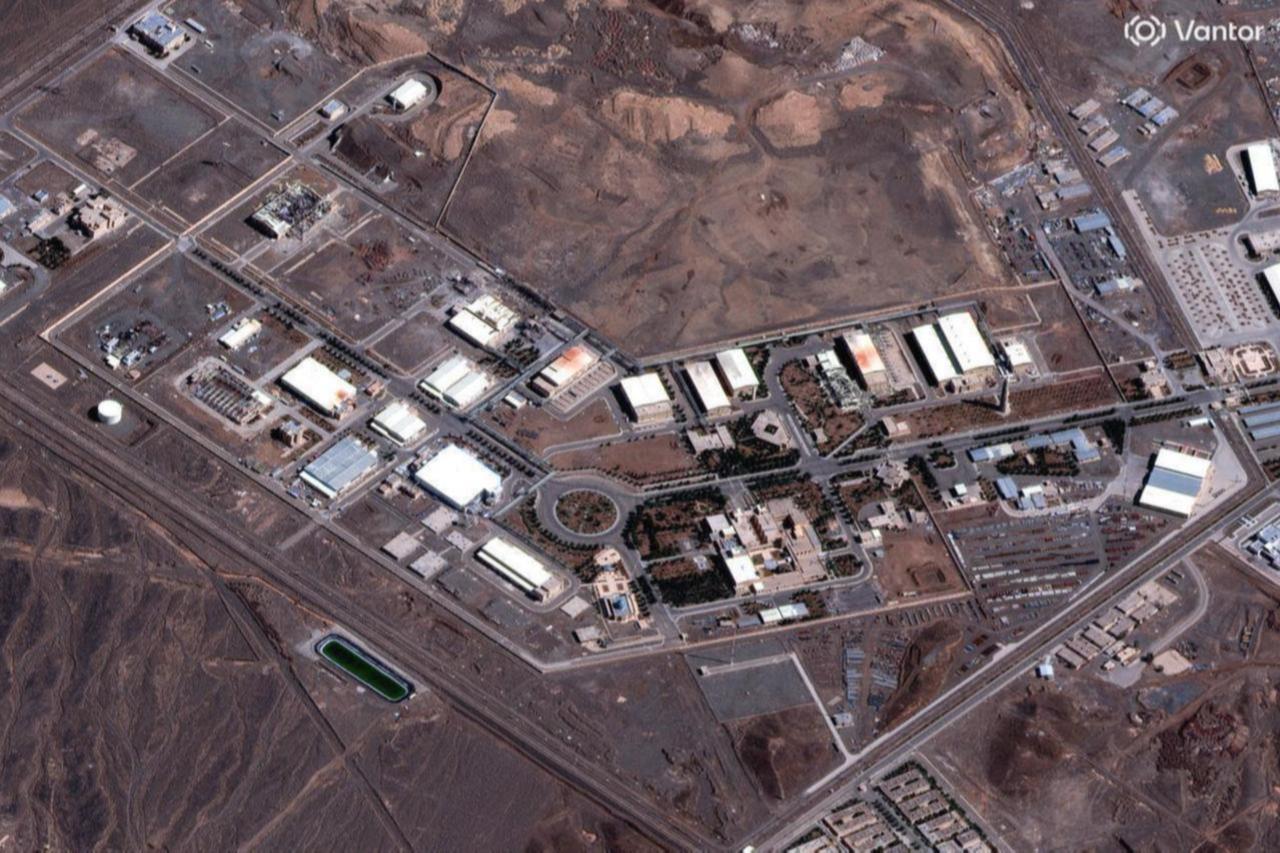


Iran is distributing iodine tablets to communities near nuclear facilities and has issued survival guidance as authorities prepare for the possibility of a radiological emergency amid concerns over a potential U.S. strike, according to reports by The Times and The Sun.
An unnamed Iranian Health Ministry official reportedly told The Times that iodine tablets were being distributed within a two- to three-kilometer radius of nuclear facilities during wartime.
“Yes, we are distributing iodine,” the official said, according to The Times. “During every war, we have tried to distribute it within a two-to-three-kilometre radius of nuclear facilities.”
The official also expressed concern that U.S. President Donald Trump could authorize an attack, saying: “Trump can no longer be trusted. He may go through with this.”
The report did not establish when the latest distribution began or identify every nuclear facility covered.
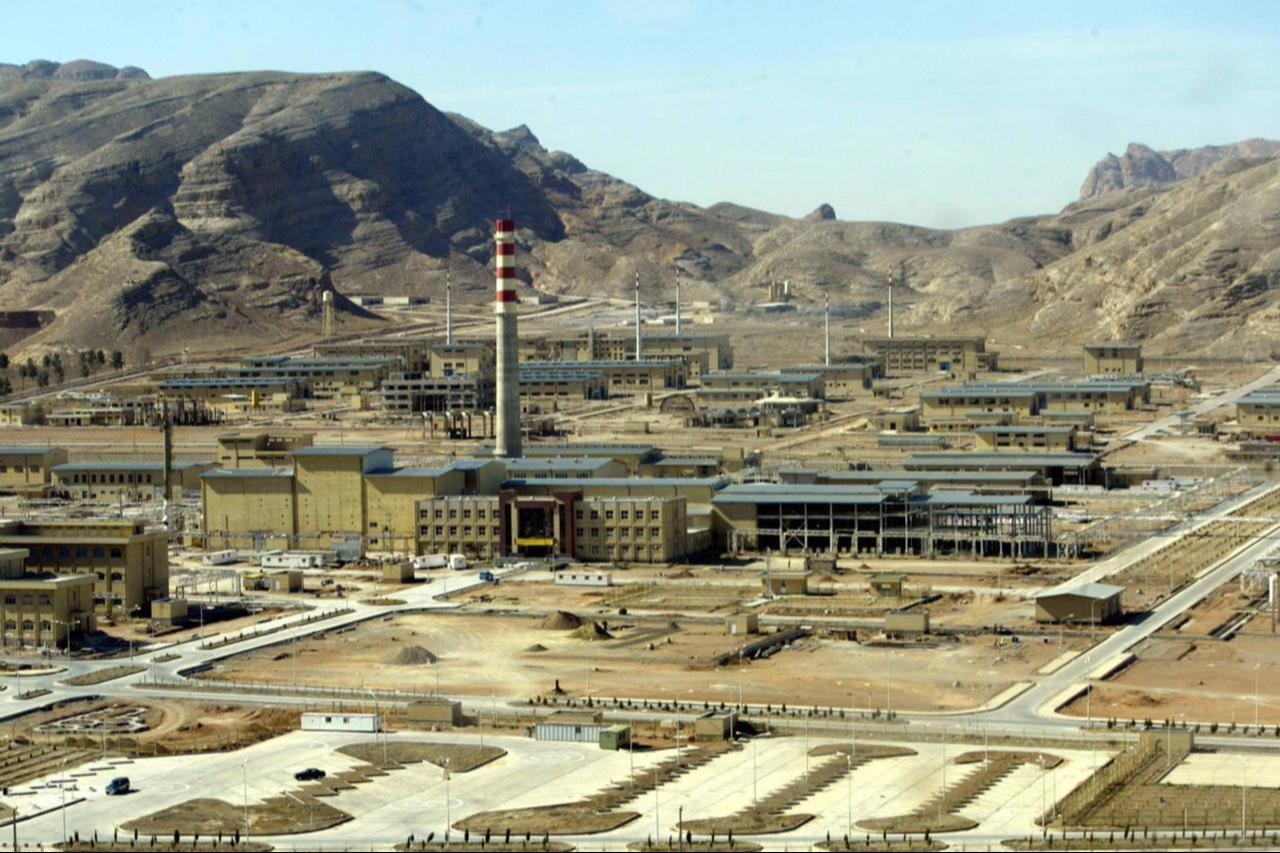

The Sun separately reported that Iranian authorities had circulated a video offering instructions for people in the event of an attack on Pickaxe Mountain, a fortified underground facility.
The video advised residents to “get inside, stay inside and listen for updates,” according to the newspaper.
It warned that a strike could send radioactive soil and rock into the atmosphere and that winds could carry radioactive dust over long distances.
The guidance claimed people living closest to Pickaxe Mountain could have only 10 to 15 minutes before fallout reached them.
The reports come as Washington weighs whether to resume military action against Iran, with Pickaxe Mountain among sites that have drawn U.S. attention.
Reuters reported in September that Trump had warned Tehran over activity at the site, which is located near the damaged Natanz enrichment facility and includes deeply buried tunnel complexes.
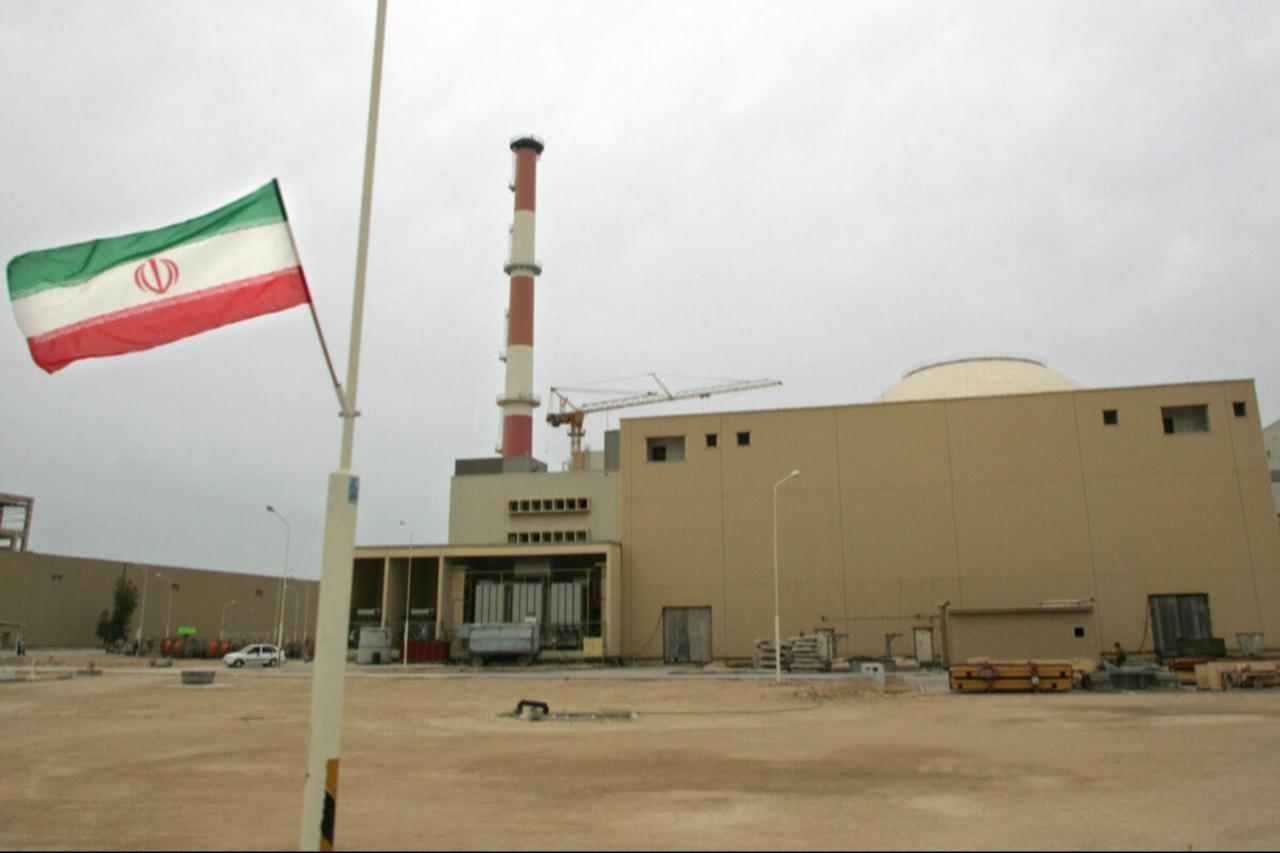
There is also earlier public reporting of iodine distribution near Iran’s Bushehr nuclear power plant.
Iran’s Fars news agency reported in April that a Bushehr University of Medical Sciences official said distribution had begun before the 12-day war in June 2025, with priority given to communities around the plant.
Iran International, citing Iran’s state-run Young Journalists Club, reported that 180,000 tablets had been distributed in Bushehr.
Those earlier reports do not establish which facilities are covered by the latest distribution described by The Times.
Potassium iodide can reduce the thyroid’s absorption of radioactive iodine when taken at the appropriate time and dose, according to the World Health Organization.
Iranian officials have previously cautioned against taking iodine tablets without medical guidance.
In remarks reported in June 2025, Health Ministry official Mohsen Farhadi said facilities including Natanz, Fordow and Isfahan were enrichment sites rather than operating fission reactors and that the public did not need to take potassium iodide at that time.
An Isfahan emergency-services spokesperson also warned in a Nov. 3 preparedness advisory against using iodine without instructions from health authorities.
The reported distribution is a precaution and does not establish that a radioactive release has occurred or that a U.S. attack has been ordered.


 Set as preferred source
 Set as preferred source


 1 min read

 1 min read