Newsletters


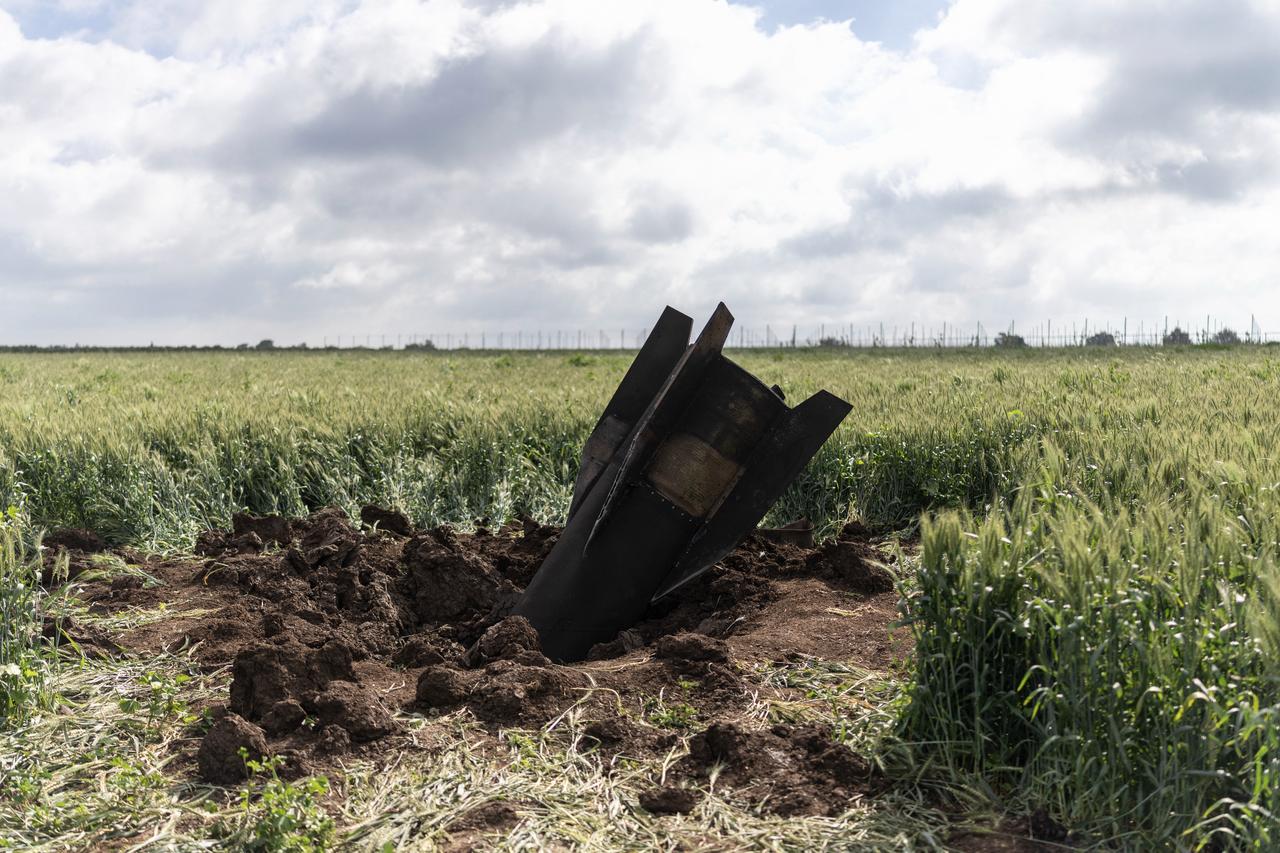


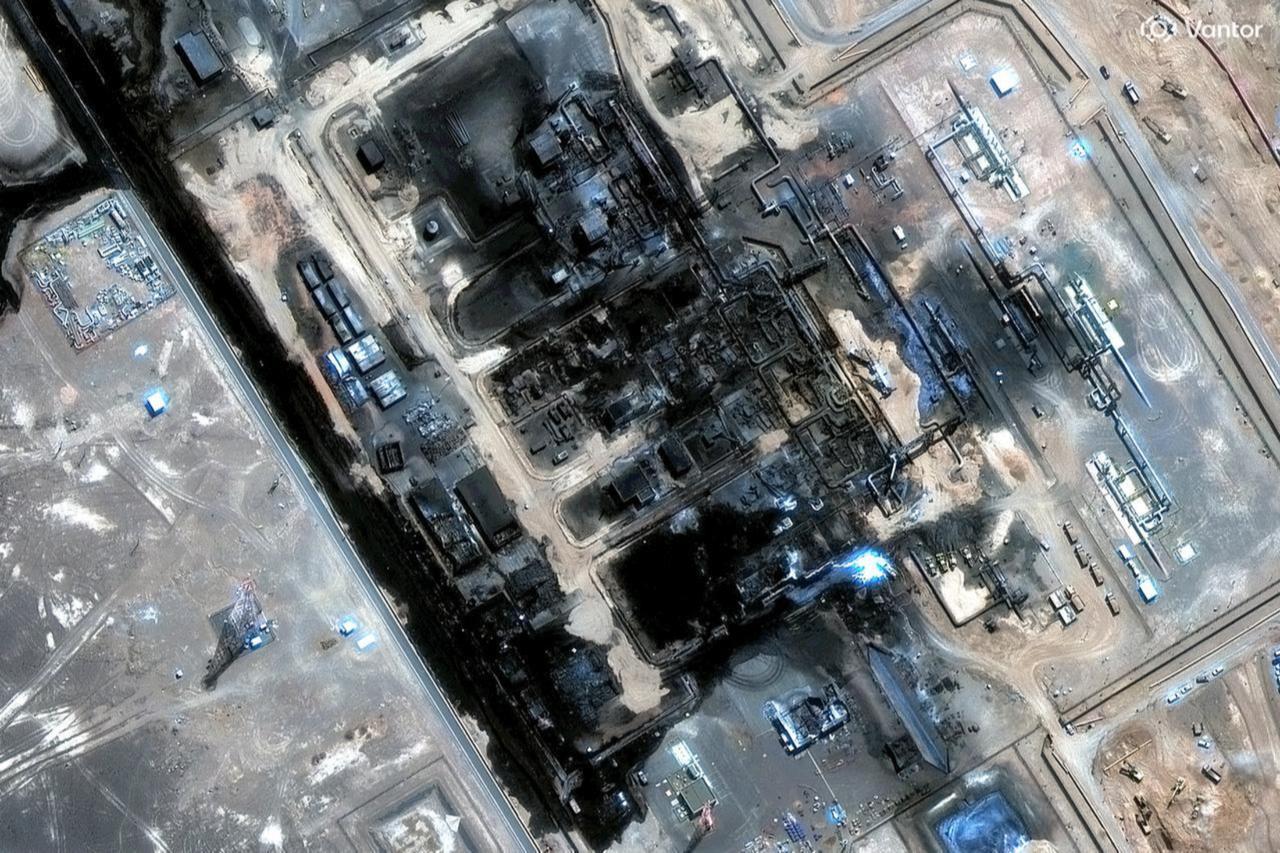
Iran still retains thousands of ballistic missiles in underground storage areas and could reconstitute a significant portion of its missile force by retrieving buried launchers, according to U.S. intelligence assessments reviewed by American officials.
The assessment contradicts Defense Secretary Pete Hegseth's public claim this week that Iran's missile program is "functionally destroyed" and raises questions about the durability of any ceasefire deal being negotiated in Islamabad.
U.S. and Israeli officials told The Wall Street Journal (WSJ) that Iran's missile inventory has been roughly halved during the conflict, yet Tehran retains thousands of medium- and short-range ballistic missiles that could be pulled from hiding or retrieved from underground sites.
While U.S. officials said more than half of Iran's missile launchers have been destroyed, damaged, or trapped underground, many of those that remain can be repaired or excavated from underground complexes.
Israeli officials said approximately two-thirds of Iran's ballistic missile launchers were taken out of commission, but noted that Iranians could retrieve many of those trapped underground by U.S. and Israeli strikes.
Israeli officials separately said Iran still retains over 1,000 of the approximately 2,500 medium-range missiles it had at the start of the war.
The rest were either fired or destroyed.
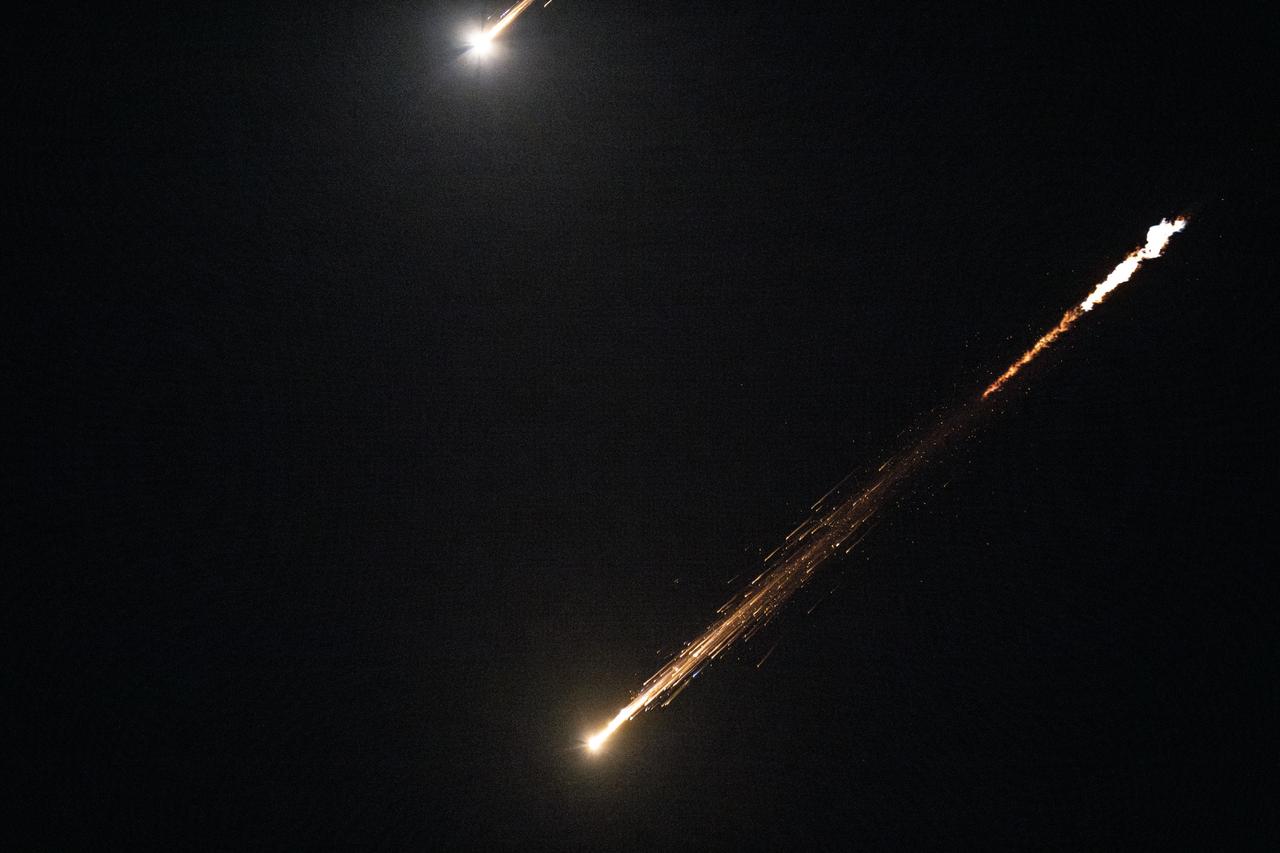

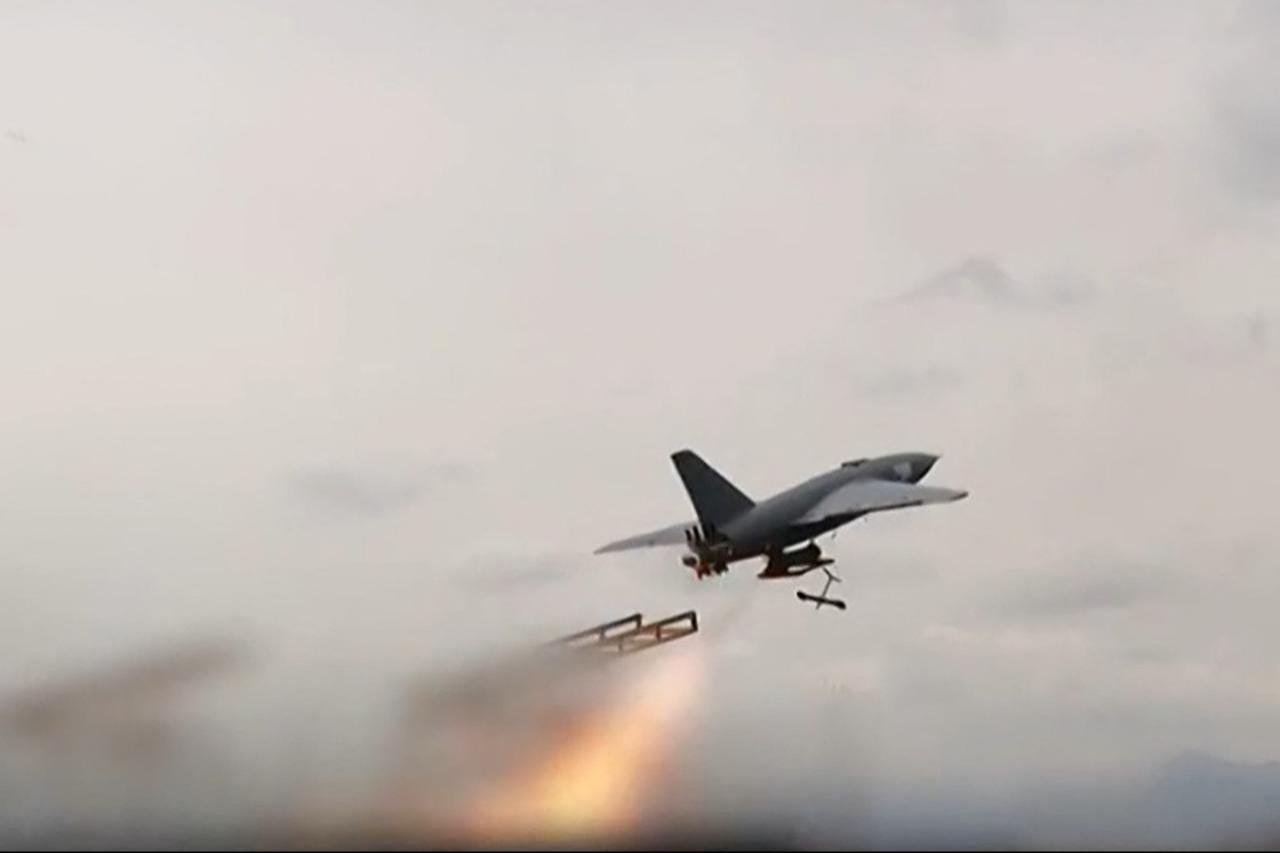
Iran has well under 50% of the one-way attack drones it had at the start of the war, having expended many and lost production sites to U.S.-Israeli strikes, U.S. officials said.
"However, the regime could acquire similar systems from Russia to use against its neighbors," the officials warned.
Iran also retains a small inventory of cruise missiles that could be used to target ships in the Persian Gulf or U.S. troops attempting to seize an island if negotiations broke down.
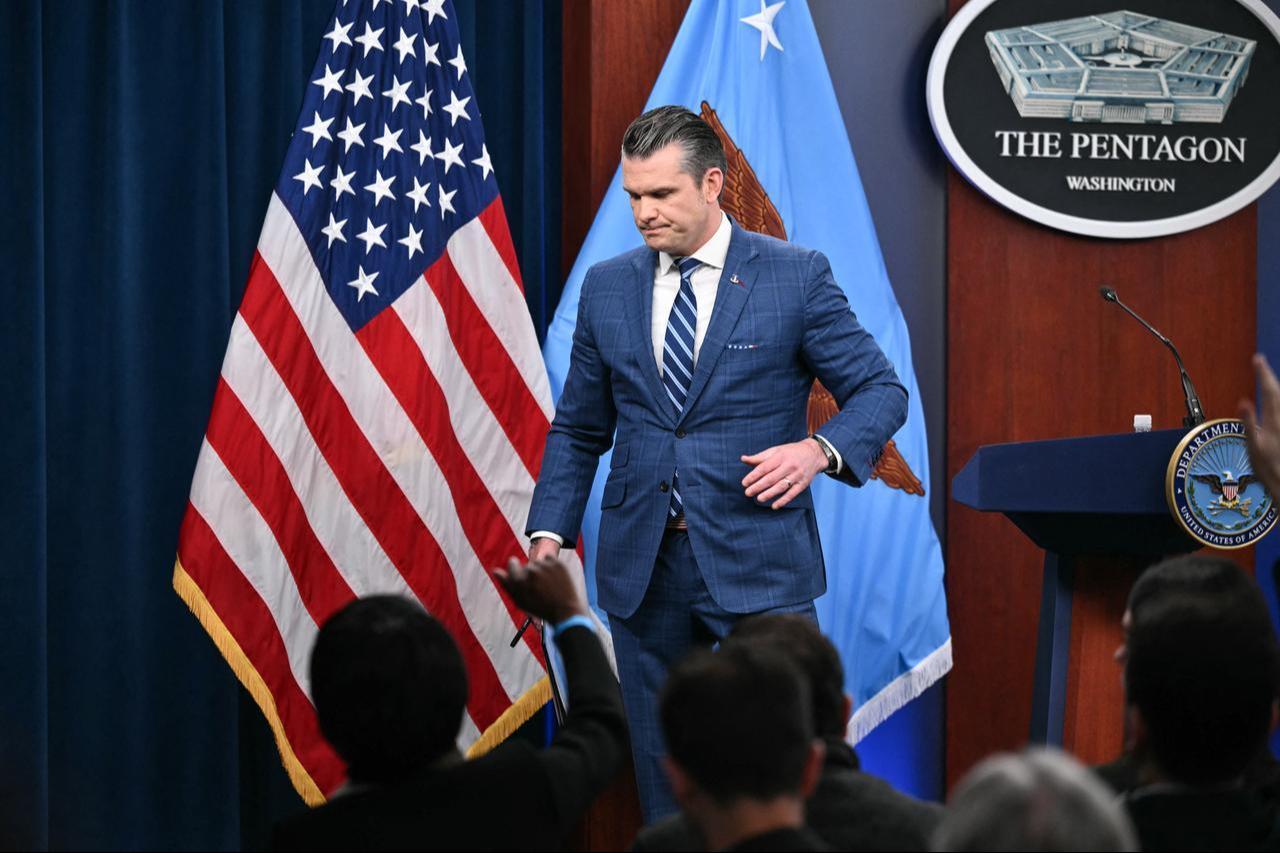
Hegseth told reporters this week that Iran's missile program was "functionally destroyed," with launchers and missiles "depleted and decimated and almost completely ineffective."
"By any measure, Epic Fury decimated Iran's military and rendered it combat ineffective for years to come. You see, in less than 40 days, one of our combatant commands, Central Command, CENTCOM, using less than 10% of America's total combat power, dismantled one of the world's largest militaries," Hegseth said during a press briefing with Chairman of the Joint Chiefs Air Force Gen. Dan Caine on April 8.
"Iran's air force has been wiped out. Iran no longer has an air defense, any sort of a comprehensive air defense system. We own their skies," he noted.
"Their missile program is functionally destroyed, launchers, production facilities, and existing stockpiles depleted and decimated and almost completely ineffective," he added.
The intelligence picture presented by U.S. officials, however, indicates Iran can reconstitute some of its missile force, casting doubt on the completeness of the Pentagon's public characterization.
White House spokeswoman Anna Kelly defended the military campaign's results, stating, "This profound military success has allowed Vice President Vance, Special Envoy Witkoff, and Jared Kushner to negotiate with maximum leverage to end these threats to American troops and our homeland for good."
Gen. Dan Caine, Chairman of the Joint Chiefs of Staff, said Wednesday that U.S. strikes had shattered Iran's defense industrial base, dropping more than 13,000 munitions to "ensure that Iran cannot reconstitute the ability to project power outside its borders."
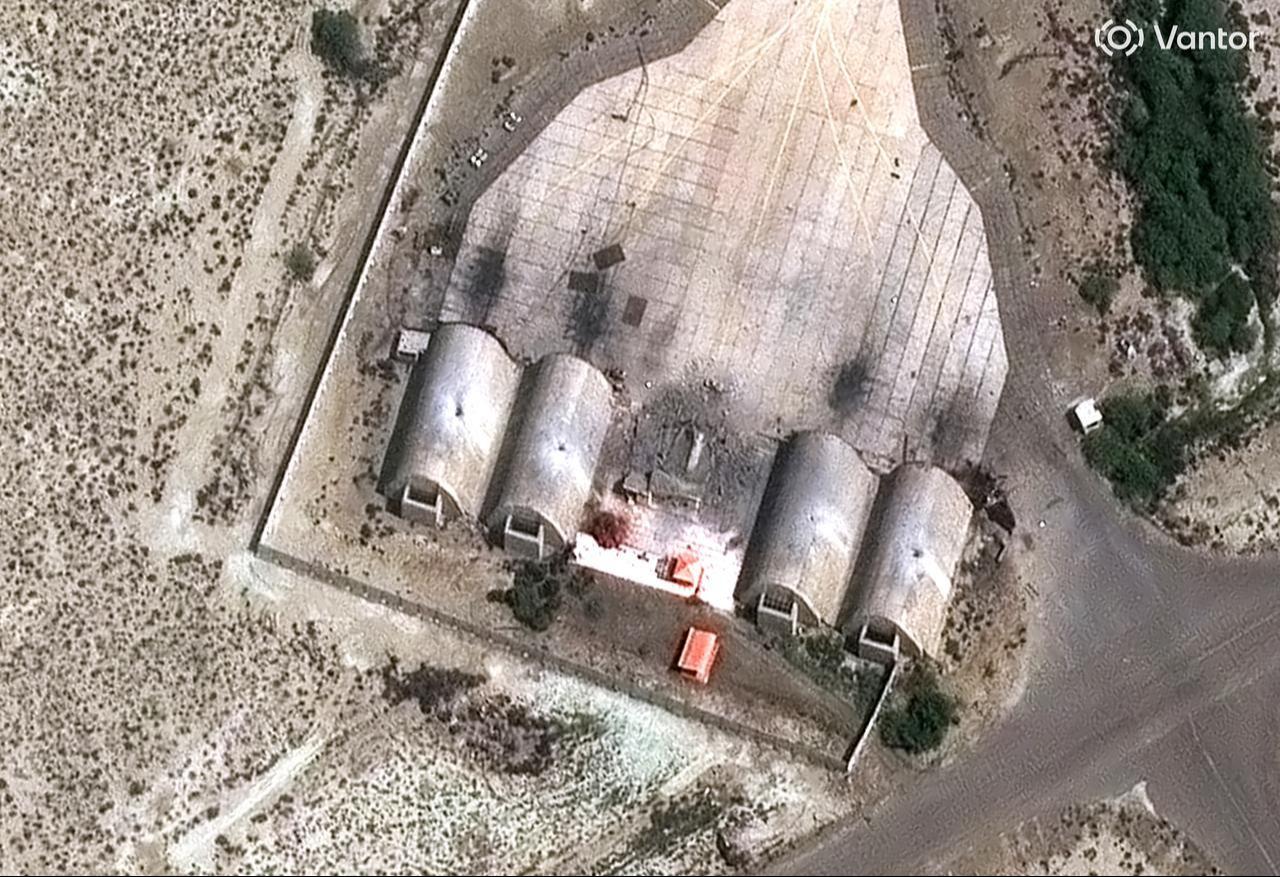
Iran's missiles were stored in complexes buried deep inside mountains, a major challenge for the air-only campaign. Israel concentrated on closing tunnel exits for missile launchers rather than destroying the bases themselves, which proved hard to reach from the air.
Israeli officials said the campaign reduced Iran's firing rate to between 10 and 15 missiles a day for most of the war, compared with dozens daily in the opening days of the conflict, which they described as an achievement, though not total suppression.
"Hunting enemy missiles was a major challenge for the U.S. in its 1991 war with Iraq, as many of the Scud missiles the Iraqis used were mobile," the WSJ noted, drawing a parallel to the current campaign, which also relied entirely on air power rather than ground teams.
Türkiye's state-run Anadolu Agency (AA) tally compiled from official defense ministry data shows Iran launched at least 6,413 missiles and drones against seven Arab countries over 41 days, including 141 on the first day of the ceasefire.
Iran denied launching any missiles or drones at Gulf states since the ceasefire began, with the IRGC stating that any unclaimed action "does not belong to Iran."


 Set as preferred source
 Set as preferred source


 1 min read