Newsletters


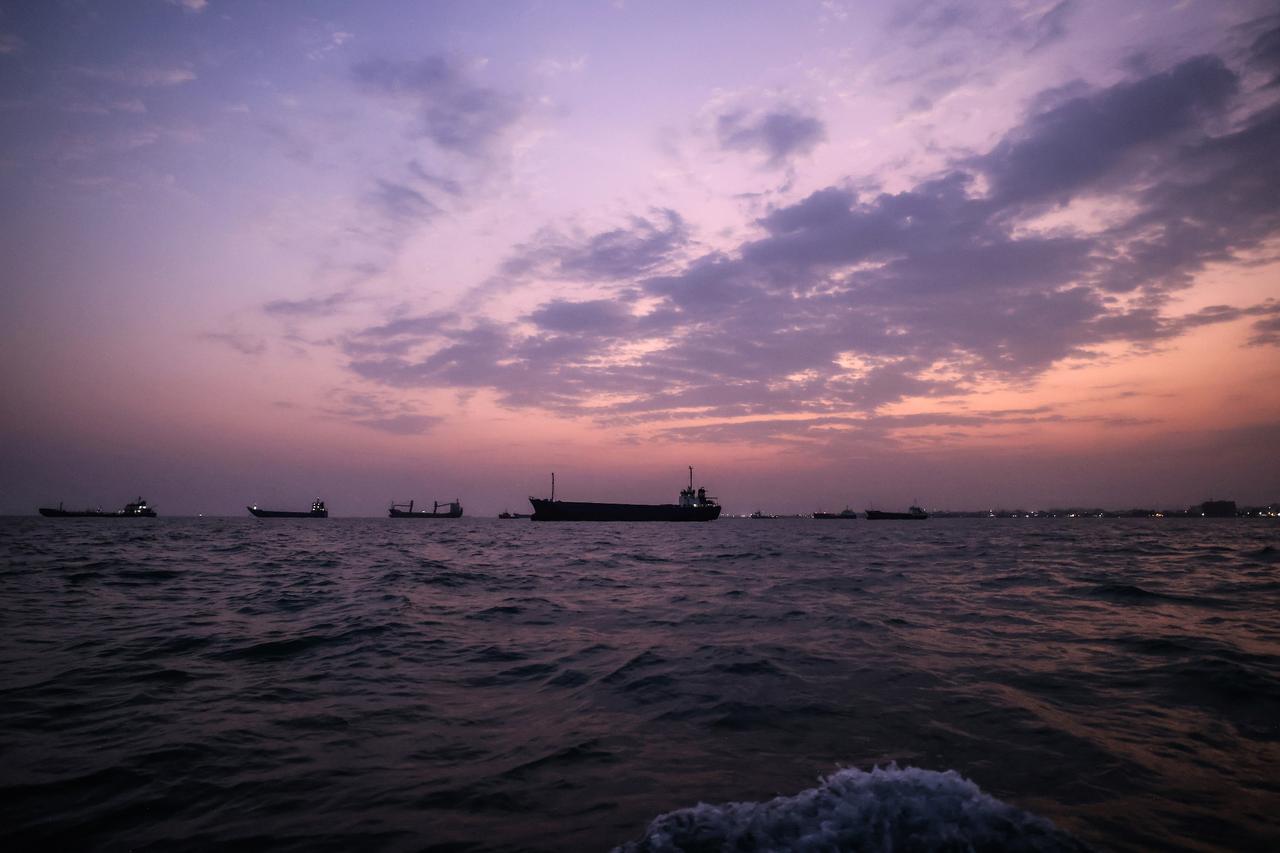


Iran said Sunday that its forces attacked a U.S. naval drone attempting to enter the Strait of Hormuz, hours after targeting ships in retaliation for American strikes on three oil tankers.
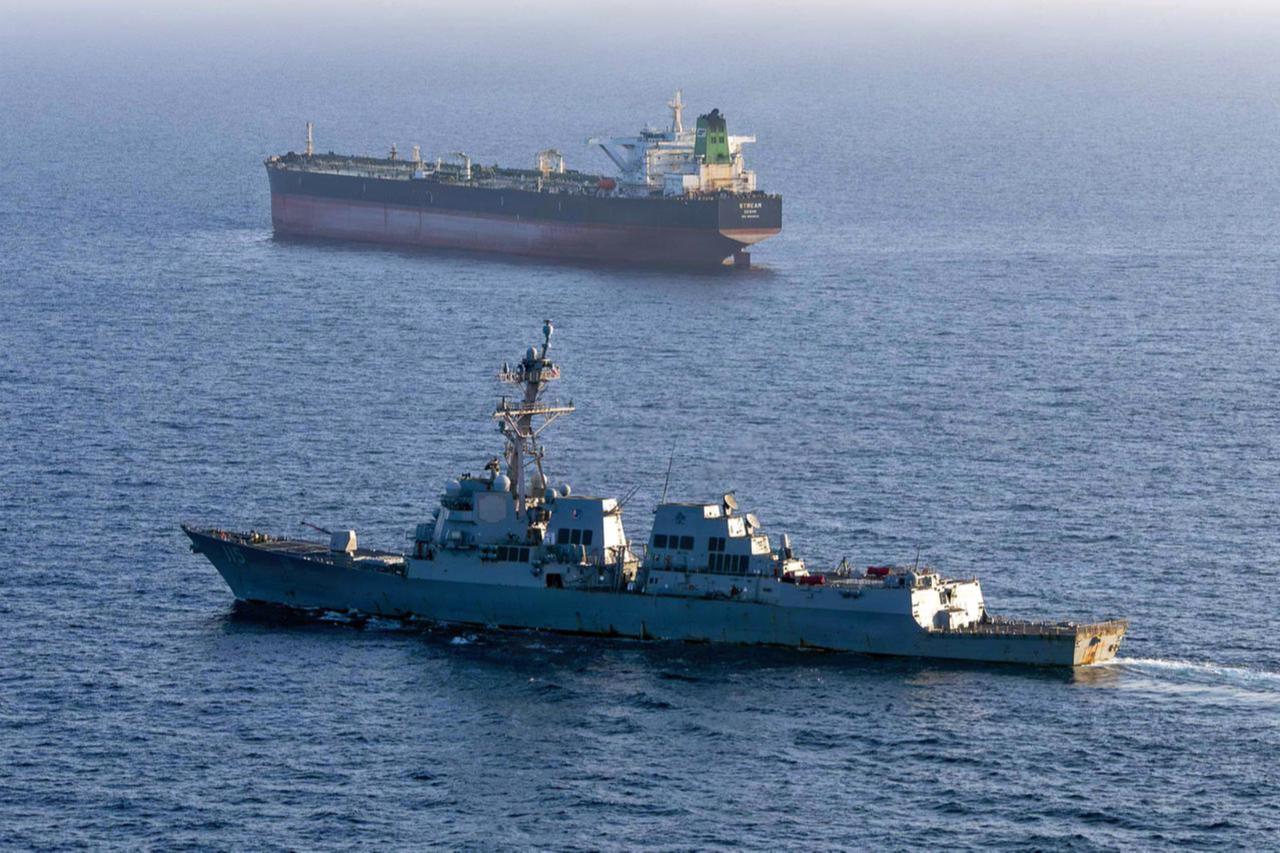
Iran’s Islamic Revolutionary Guard Corps (IRGC) said early Sunday that it targeted a U.S. aircraft carrier and a Navy destroyer with ballistic missiles, claiming both were damaged and withdrew from the area.
The IRGC said in a statement published by the IRNA news agency that its Aerospace Force launched missiles at the two warships.
It claimed the vessels had harassed Iranian ships and were taking part in a maritime blockade, adding that both warships left the “engagement area” after sustaining damage.
The IRGC said U.S. Central Command (CENTCOM), which oversees American military operations in the region, had acknowledged that two Navy warships were targeted, describing the statement as confirmation of the operation.
CENTCOM said Saturday that the ships successfully evaded Iranian attacks and that no U.S. personnel were harmed.
The IRGC warned that continued U.S. military action would draw “heavier” responses from Iran’s armed forces.
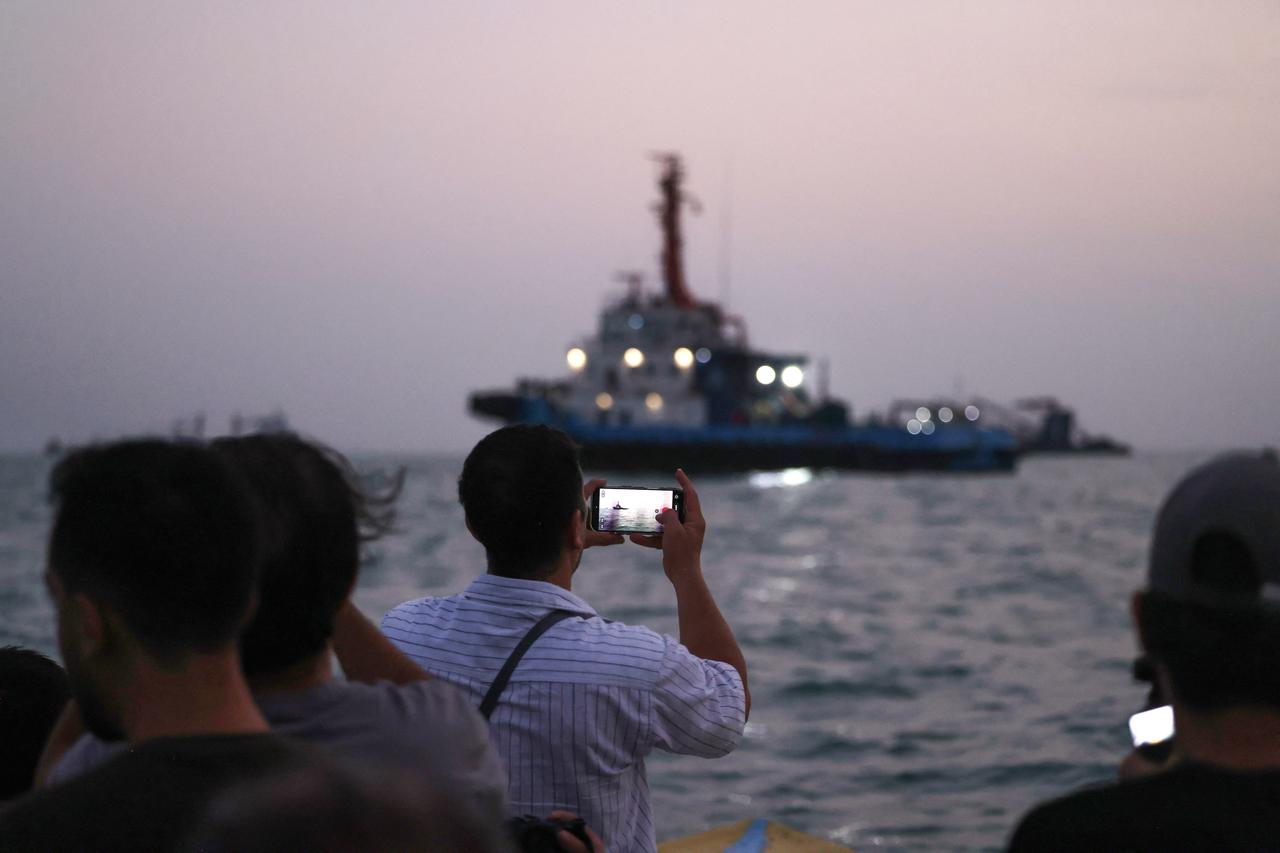

In a separate statement early Sunday, the IRGC said its navy attacked a remotely operated U.S. military vessel that it claimed was attempting to enter a protected area of the Strait of Hormuz.
The IRGC did not provide details about the type of attack or whether the vessel was damaged.
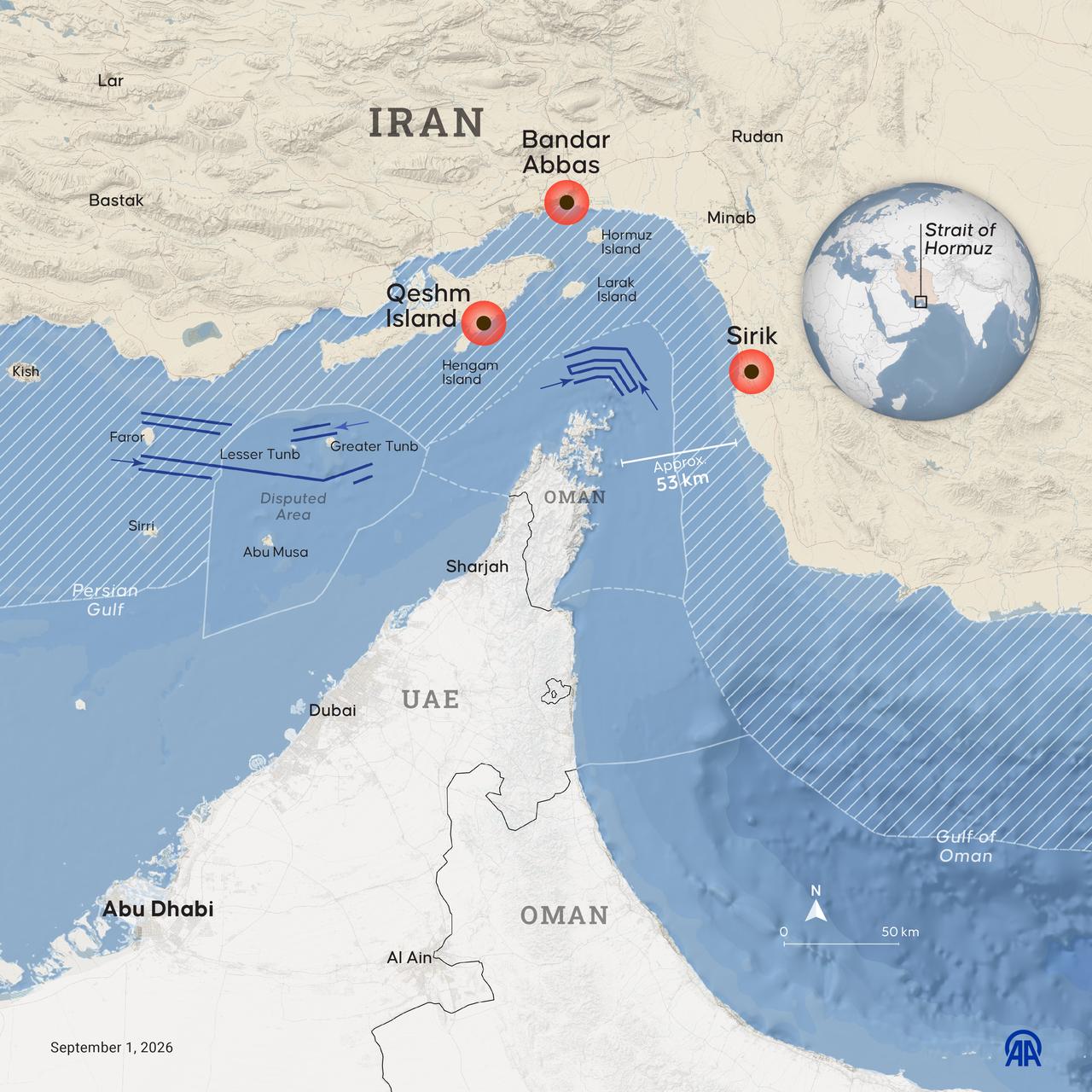
The Guards also reiterated Tehran’s position that the Strait of Hormuz is under Iranian management and said the United States should leave the region.
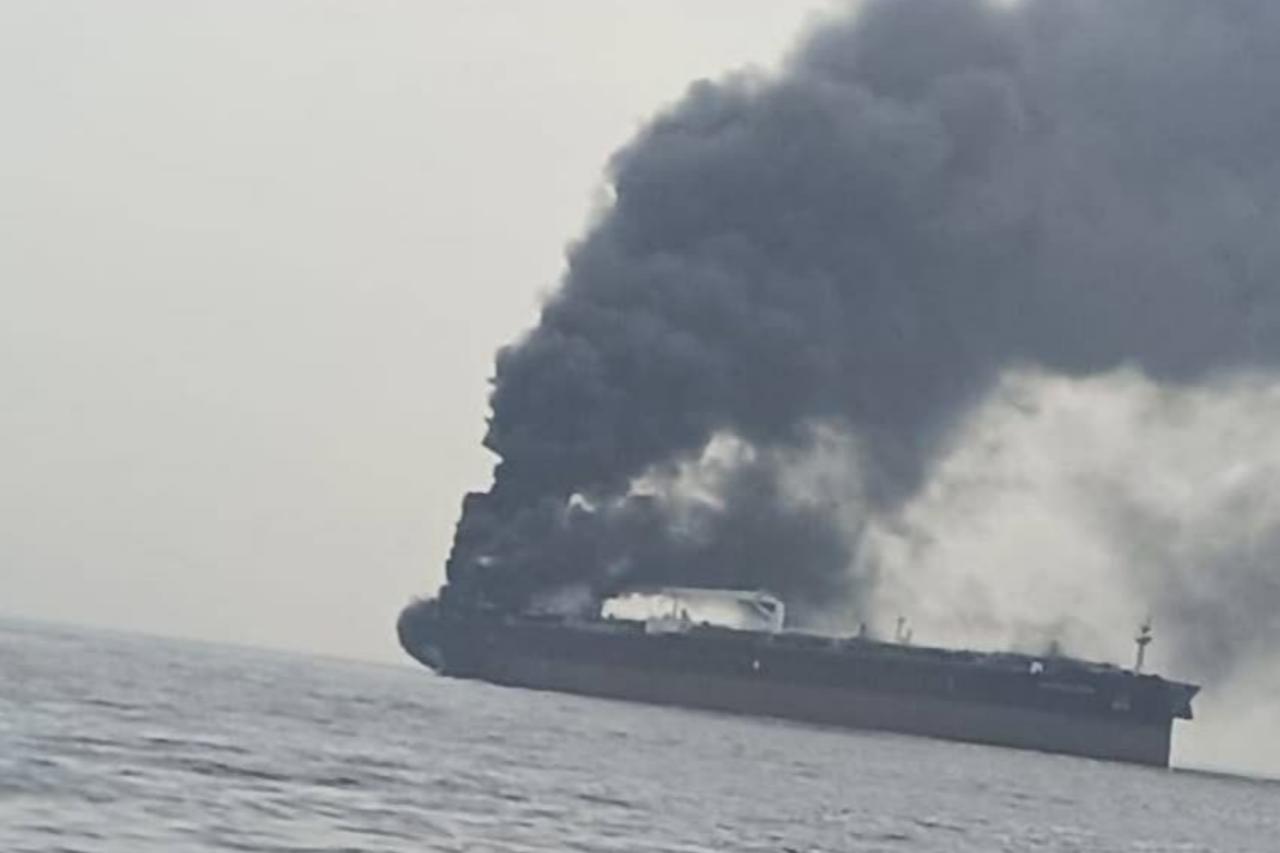
Earlier Saturday, the IRGC Navy said it targeted three oil tankers in the Strait of Hormuz and three U.S.-linked vessels elsewhere in response to American attacks on Iranian tankers.
It warned ships not to attempt to transit through unapproved routes.
CENTCOM said Saturday that it struck tankers linked to the IRGC after accusing the group of unsuccessfully firing at American warships.
“Following Iran's failed attacks, CENTCOM permanently disabled the IRGC crude oil carriers M/T Downy off the coast of Kharg Island and M/T Stark 1 near Jask,” it said.
American forces also destroyed the unladen crude oil carrier M/T Kylo, also known as the “Noxen,” in the Gulf of Oman, striking the vessel in multiple critical locations to render it inoperable after its crew was directed to abandon ship, CENTCOM said.
A video posted by CENTCOM showed large fireballs and flames after projectiles hit the ships.
CENTCOM said the three vessels were part of a “multibillion-dollar shadow network” that funded the IRGC and its regional proxies.
“If you shoot at two of our ships, we will impose an even higher economic cost—taking out three of yours," CENTCOM commander Adm. Brad Cooper said after the operation.
Iran’s Foreign Ministry condemned the U.S. strikes on the oil tankers, calling them “illegal and aggressive actions.”
Iranian state television reported from Jask in Hormozgan province that one of the tankers was empty and another was carrying oil. It said the crews were transported to shore on lifeboats.
Another state television correspondent on Kharg Island said the attack there caused no casualties.
Iran’s Khatam al-Anbiya Central Headquarters warned that if the United States continued its attacks, Tehran’s retaliation against U.S. warships would be “more severe than before” and could expand.
The administration of U.S. President Donald Trump has tried to downplay the significance of the six-month conflict, which has become increasingly unpopular at home as midterm elections near.
U.S. Vice President JD Vance said he “wouldn't call it a war.”
Trump reiterated that view Friday, calling the conflict “small potatoes” for Washington.
Iranian security chief Mohsen Rezaei warned this week that the Islamic Republic had adopted a “new strategy” against Washington that “will shatter your foundations.”
The latest round of clashes, which began with U.S. raids last week, comes amid a deadlock in the six-month war.
The conflict has continued since the United States and Israel launched strikes on Iran in February.
Iran has maintained its stranglehold on the strategic Strait of Hormuz, while Washington continues a counter-blockade of Iranian ports.
Washington is also seeking to choke Iran’s economy, rolling out sanctions on entities with financial links to Tehran in a bid to force it into submission.
The United States has been trying to step up pressure on Tehran in a bid to wrest control of the Strait of Hormuz, through which one-fifth of global oil supplies previously flowed.
A fragile cease-fire between the two sides collapsed in July after attacks on commercial ships in the strategic waterway.
Trump has in recent weeks repeatedly threatened to claim sovereignty over the strait, even posting a map showing it as “new U.S. territory.”
Vance has insisted the United States will not reopen talks with Iran until Tehran ends attacks on commercial shipping in Hormuz.


 Set as preferred source
 Set as preferred source


 1 min read
 1 min read