Newsletters


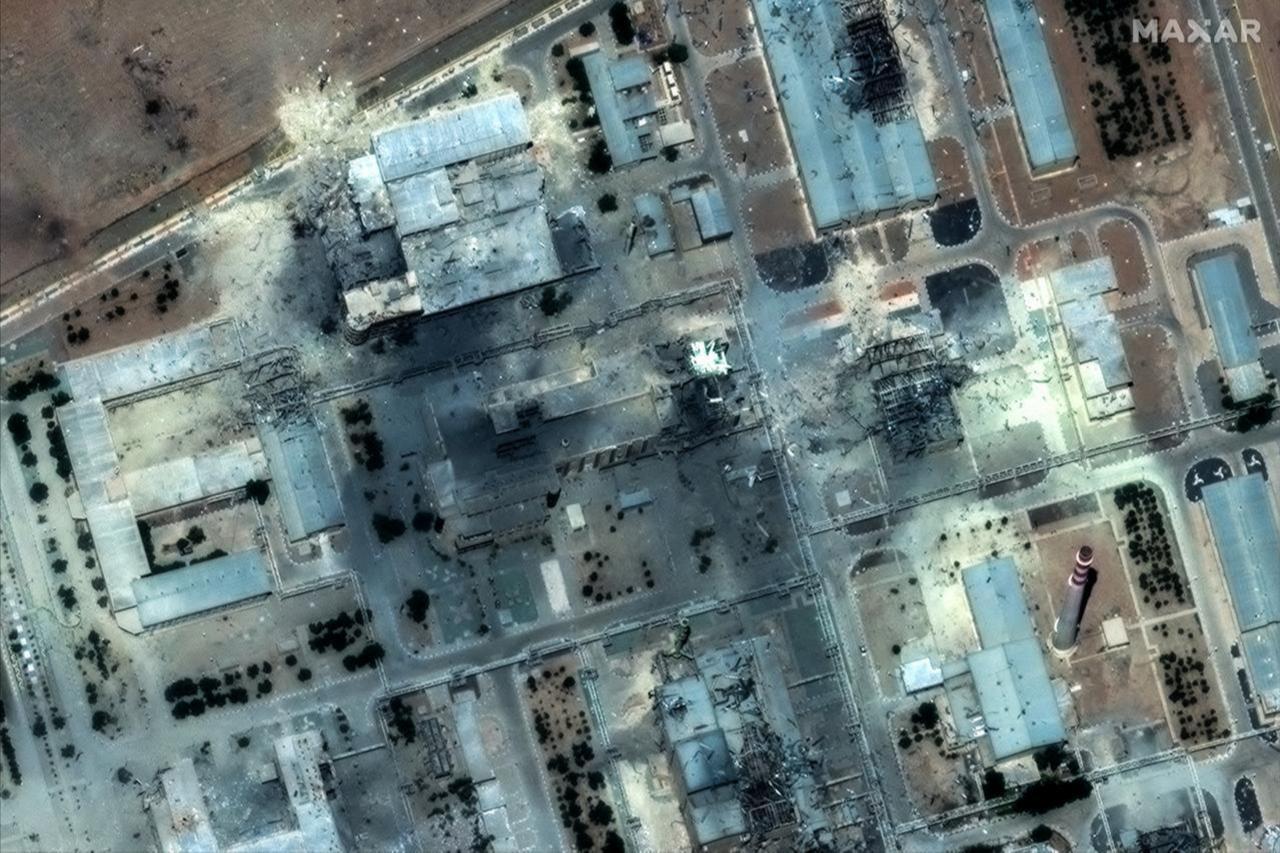


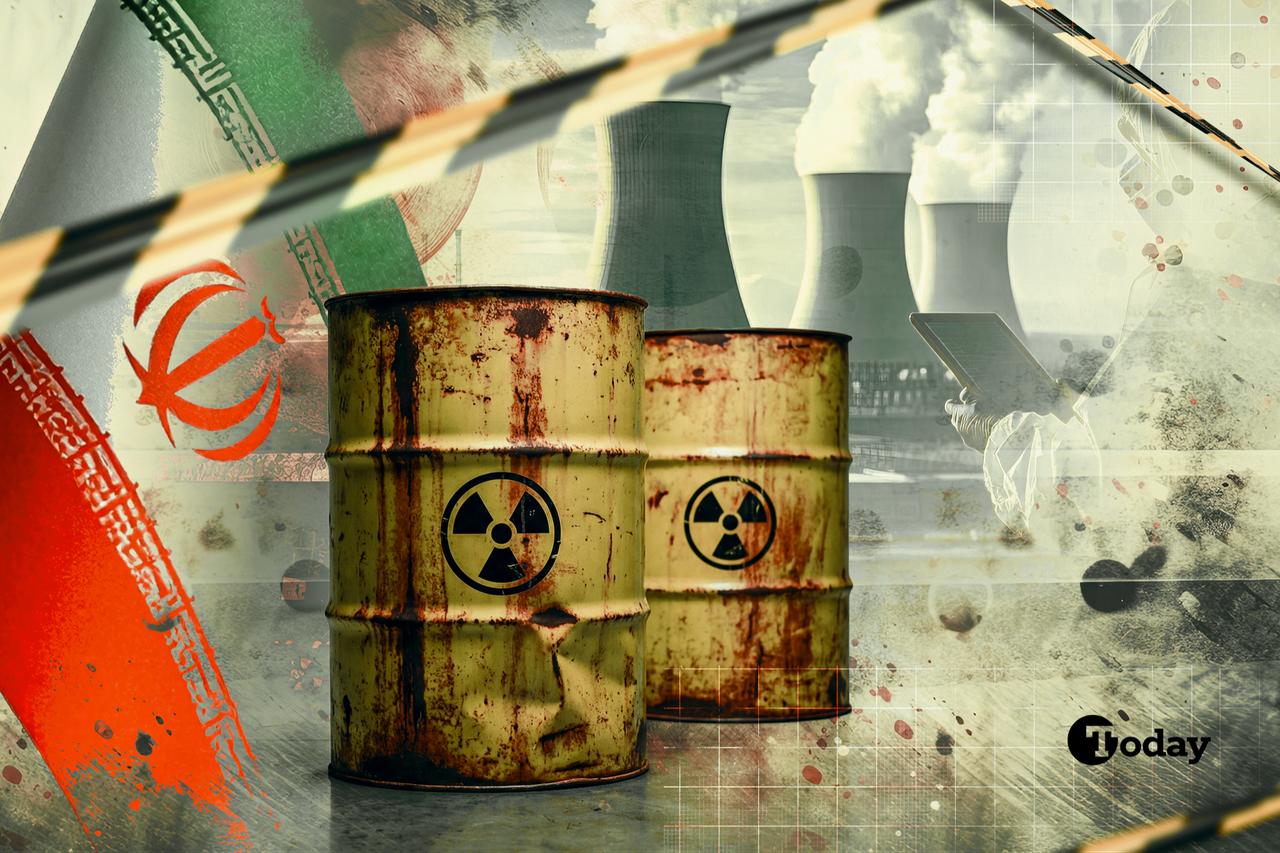
Iranian Foreign Minister Abbas Araghchi revealed Sunday that unexploded bombs remain at nuclear facilities struck by the United States during the June 2025 war, creating safety concerns that must be addressed before international inspections can proceed.
Speaking to Iran's Young Journalists News Agency, Araghchi said he raised the issue with International Atomic Energy Agency (IAEA) Director General Rafael Grossi, asking whether there was a special law or protocol for visiting nuclear facilities targeted by military strikes.
"He said 'No, there is no precedent for this issue,'" Araghchi recounted.
"I told him that there needs to be a protocol before visits because there are safety and security issues. There are unexploded bombs, and there are matters we need to agree on," he added.

The foreign minister said inspections should be conducted only after agreement is reached on these safety issues, adding that Iran is "in contact with the agency within this framework."
During the 12-day war in June 2025, Israel launched extensive strikes on Iranian nuclear facilities and military command structures.
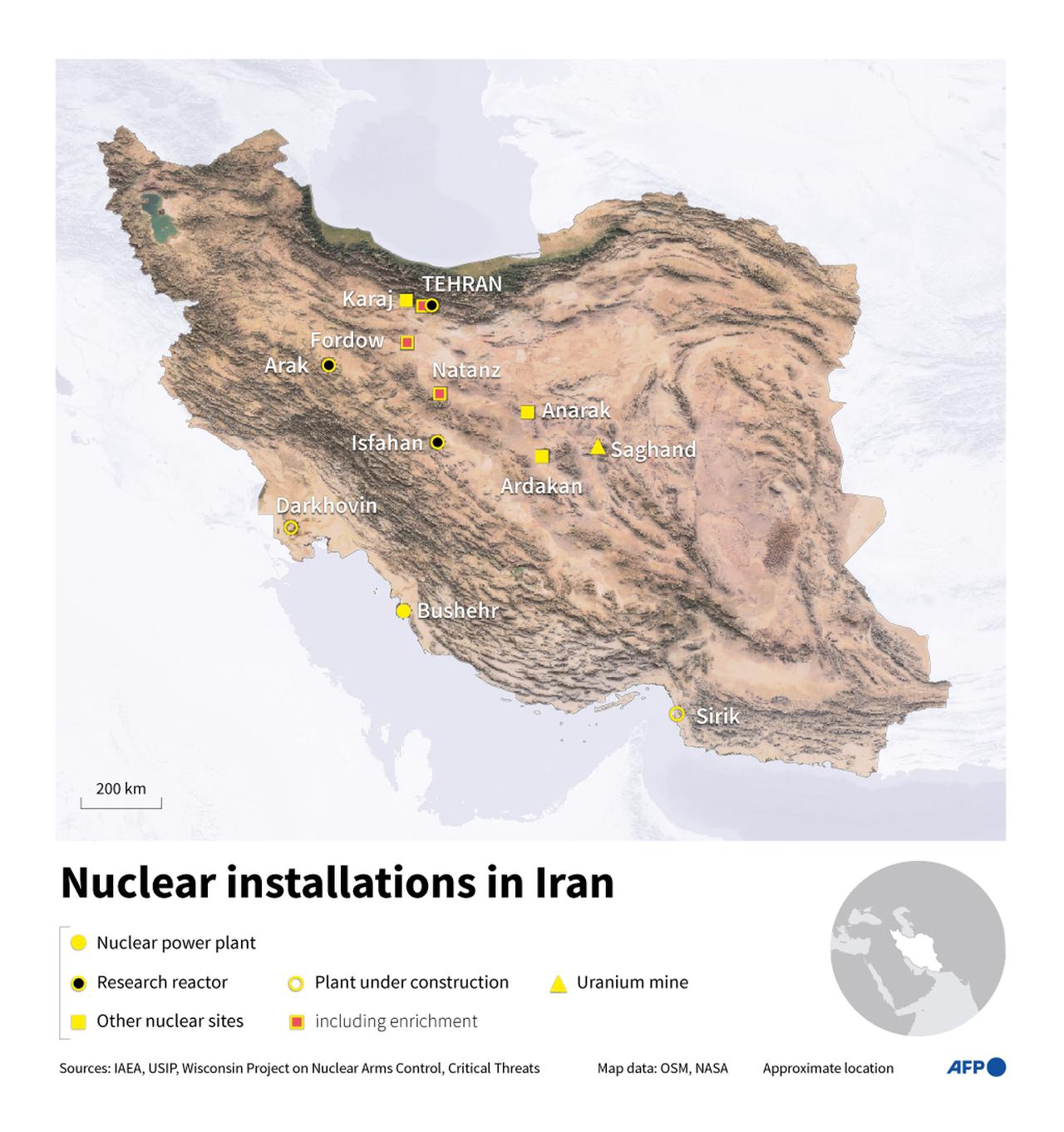
The U.S. followed 22 with strikes on Iran's Natanz, Fordow and Isfahan nuclear facilities.
Iran's chief of general staff, Revolutionary Guards Commander, and several senior commanders were killed in the attacks, along with nine nuclear scientists.
In a notable admission at the National Congress on Foreign Policy and Foreign Relations History in Tehran, Kamal Kharrazi, head of Iran's Strategic Council on Foreign Relations, acknowledged that Tehran has made many mistakes in relations with neighboring countries.
"Our first priority in foreign policy should be our neighbors. We have made many mistakes in relations with neighbors," Kharrazi said, without providing specific details about the errors.
He added that "preserving independence in the foreign relations arena, resistance against bullying, and developing relations with neighbors can be our basic priorities."
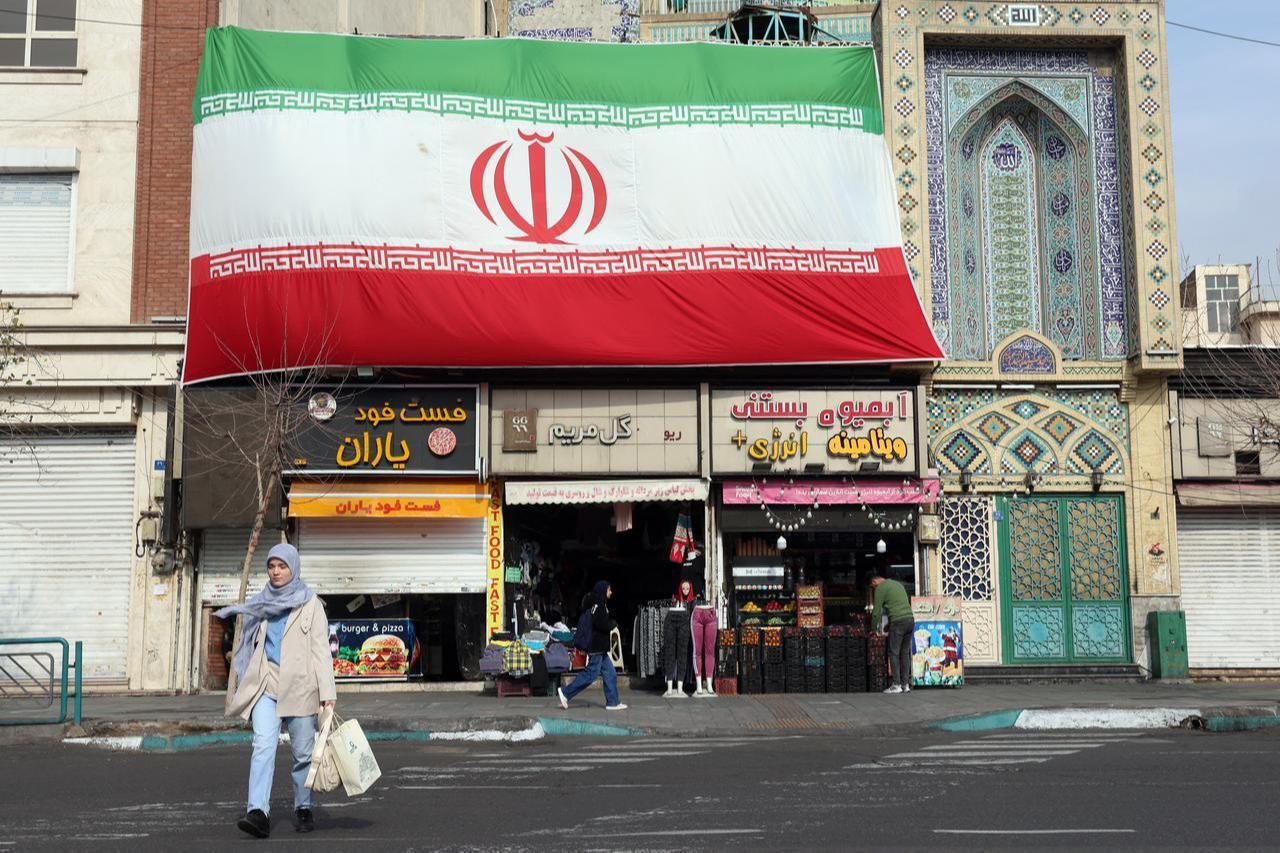
At the same congress, Araghchi emphasized that Iran does not trust the United States and that the outcome of ongoing negotiations remains uncertain.
"They tried everything and failed. Now they have returned to the negotiating table. Where this will lead is also unclear. We don't trust them. There is a possibility of deception," he said.
The foreign minister stated that Iran will not accept "zero enrichment" demands, calling such conditions "unacceptable."
"If there is a concern about the objectives of Iran's nuclear program, we are ready to respond through diplomacy, provide transparency and establish trust. However, imposing zero enrichment merely at the behest of others is unacceptable," Araghchi said.
 1 min read
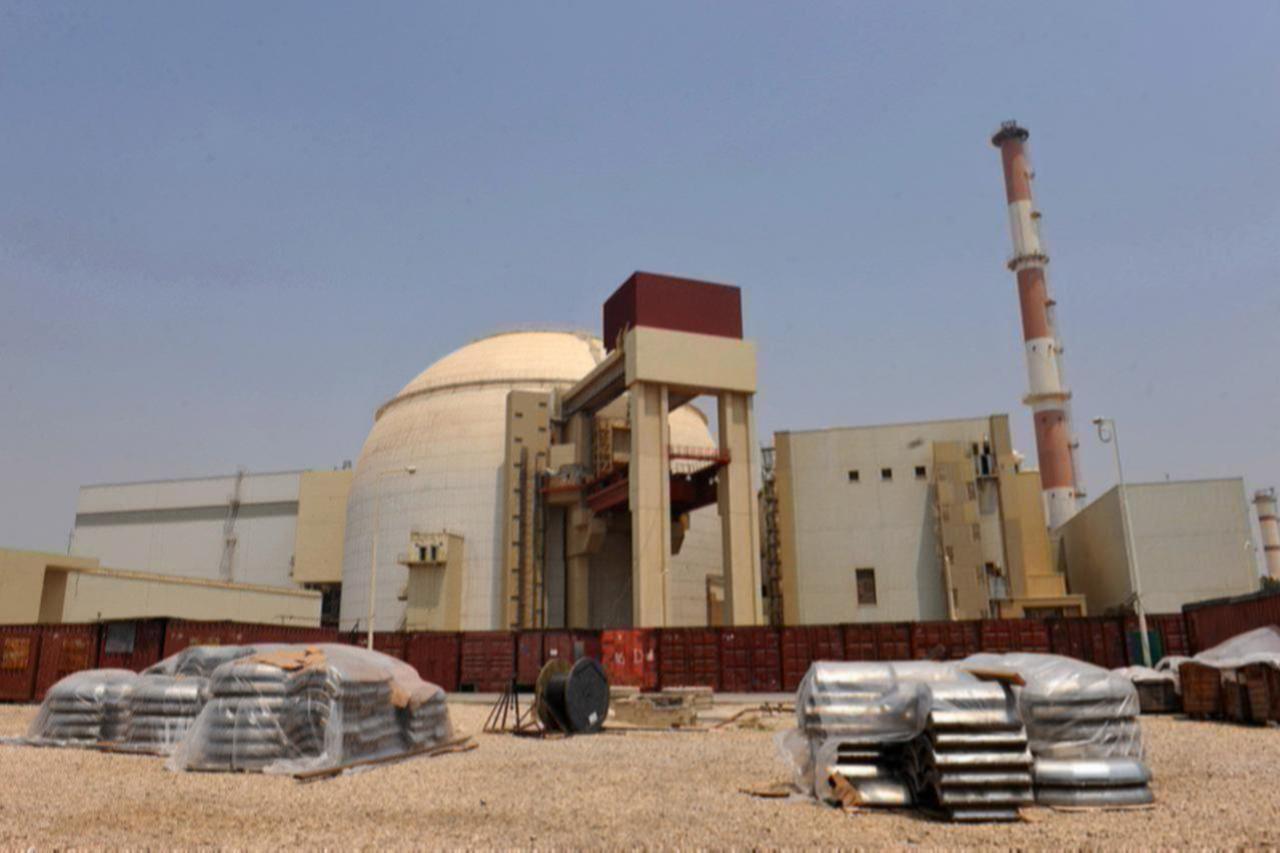
He noted that Iran's insistence on uranium enrichment represents a matter of national sovereignty, not merely technical or economic necessity.
Araghchi said negotiations with the United States will succeed "only when the rights of the Iranian people are acknowledged and respected."
"Knowledge cannot be eliminated through bombardment; technology cannot be destroyed. Technology exists, knowledge exists, and there is no alternative to negotiation," he said.
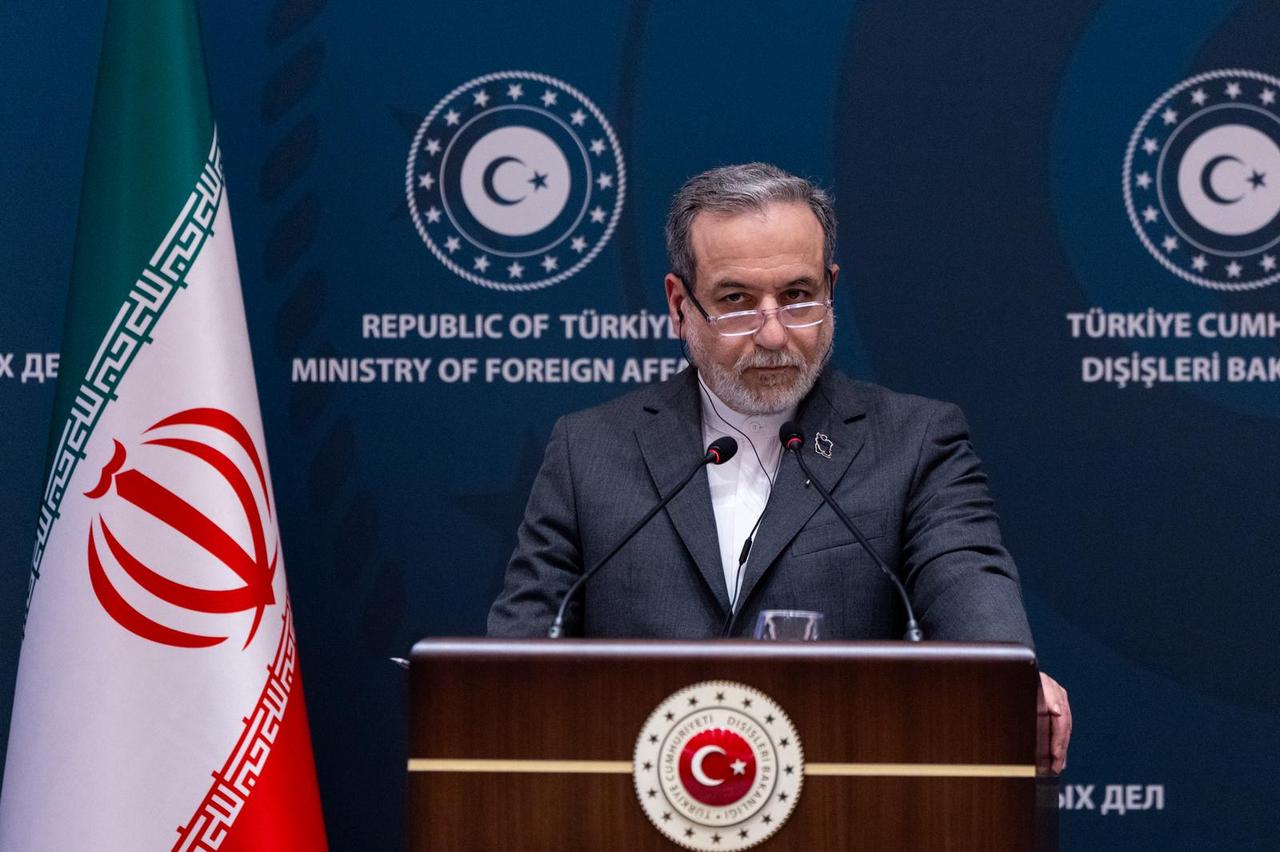
Israeli Foreign Minister Gideon Saar said Sunday that Iran's nuclear and ballistic missile programs pose threats to Israel.
Speaking at a joint press conference with Paraguayan Foreign Minister Ruben Ramirez Lezcano in Jerusalem, Saar claimed that Iran is attempting to obtain nuclear weapons.
Reports indicate that the Israeli government has warned the U.S. "not to make a bad deal" with Tehran, demanding that any agreement require Iran to end its nuclear and ballistic missile programs and cut support to "proxy forces."
Saar praised Paraguay's April 2025 decision to designate Iran's Revolutionary Guards as a terrorist organization, noting that the European Union and Ukraine have taken similar steps.


 Set as preferred source
 Set as preferred source


 1 min read