Newsletters


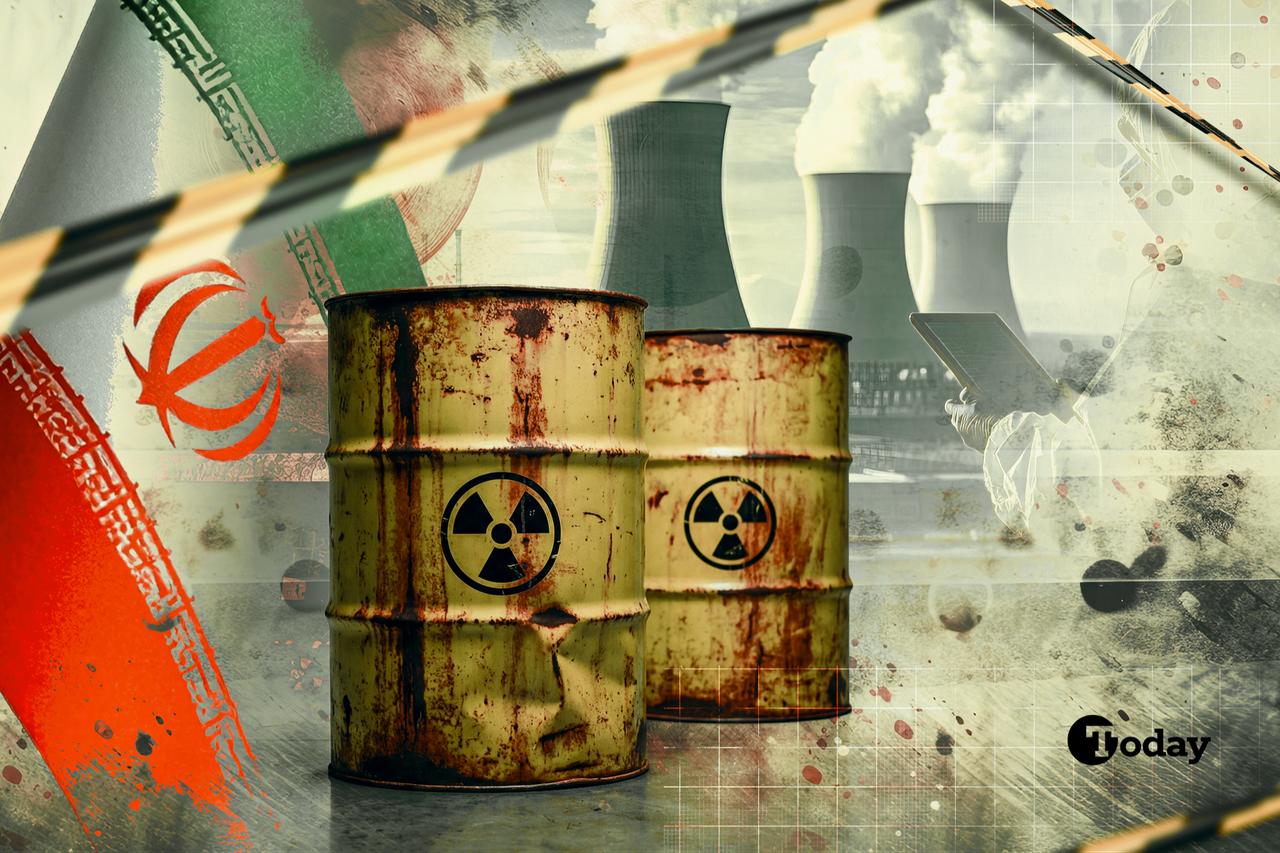


Reports that Türkiye has offered to host Iran’s enriched uranium in an effort to prevent a possible U.S.–Iran war may appear, at first glance, as an assertive and imaginative diplomatic move. Framed as a confidence-building measure, the proposal once again positions Ankara as a mediator capable of de-escalating a potentially dangerous conflict. Yet beneath the surface, the offer is neither new nor as realistic as it sounds.
Sebnem Udum, an associate professor at Hacettepe University in Ankara and a scholar on nuclear nonproliferation, who has studied the Iranian nuclear program for over 20 years, evaluated the current developments during an interview with Türkiye Today.
For those familiar with Iran’s nuclear diplomacy, this proposal evokes an unmistakable sense of deja vu.
In 2010, Türkiye, together with Brazil, brokered what became known as the Tehran Nuclear Declaration. The logic was strikingly similar: Iran would transfer its then 20 % enriched uranium abroad, alleviating international concerns, while maintaining its right to peaceful nuclear activity. The initiative collapsed not because it lacked technical merit, but because it ran ahead of the political consensus of major powers. The international community, led by Washington and European capitals, opted instead for sanctions through the U.N. Security Council, effectively sidelining the deal, Sebnem Udum underlines.
That decision reshaped the entire trajectory of Iran’s nuclear file, consolidating negotiations under multilateral formats dominated by Western powers. The lesson from that episode was clear: nuclear diplomacy does not reward early movers who lack great power backing.
Fifteen years later, Ankara appears to be revisiting the same formula; this time in a far harsher environment.
The most obvious difference lies in Iran’s nuclear capability. In 2010, Iran’s enrichment level stood at 20%. Today, it has reached 60%, according to recent international reporting. This escalation dramatically narrows the technical distance to weapons-grade enriched uranium, which is above 90%. While it is technically possible to dilute enriched uranium back to civilian activity levels, focusing on this detail misses the point, according to Udum. Iran’s nuclear program has never been purely technical. It is deeply political, strategic, and symbolic.


Enriched uranium is not merely fuel; it is leverage.
Iran has long demonstrated a consistent behavioral pattern: pressure produces escalation, restraint produces pause. When Tehran feels cornered, it signals its capacity to raise enrichment levels further; sometimes explicitly hinting at enrichment approaching 90%, as reflected in diplomatic reporting and expert commentary. When pressure eases, Iran slows down. This calibrated ambiguity is not accidental. It is the backbone of Iran’s deterrence strategy, designed to keep adversaries uncertain while preserving bargaining power.
In this context, asking Iran to transfer its most valuable leverage abroad, especially under conditions of heightened regional tension, is not a confidence-building measure. It is a demand for strategic self-disarmament.
Trust, or rather the lack of it, presents another structural obstacle. Even in 2010, when enrichment levels were lower and Türkiye’s mediation role was internationally praised, Iran hesitated to transfer material to Turkish custody. Today, that hesitation would be magnified. Türkiye remains a NATO member with complex but ongoing ties to the United States. From Tehran’s perspective, the risk that transferred uranium could become a political hostage or be permanently withheld under external pressure cannot be ignored.
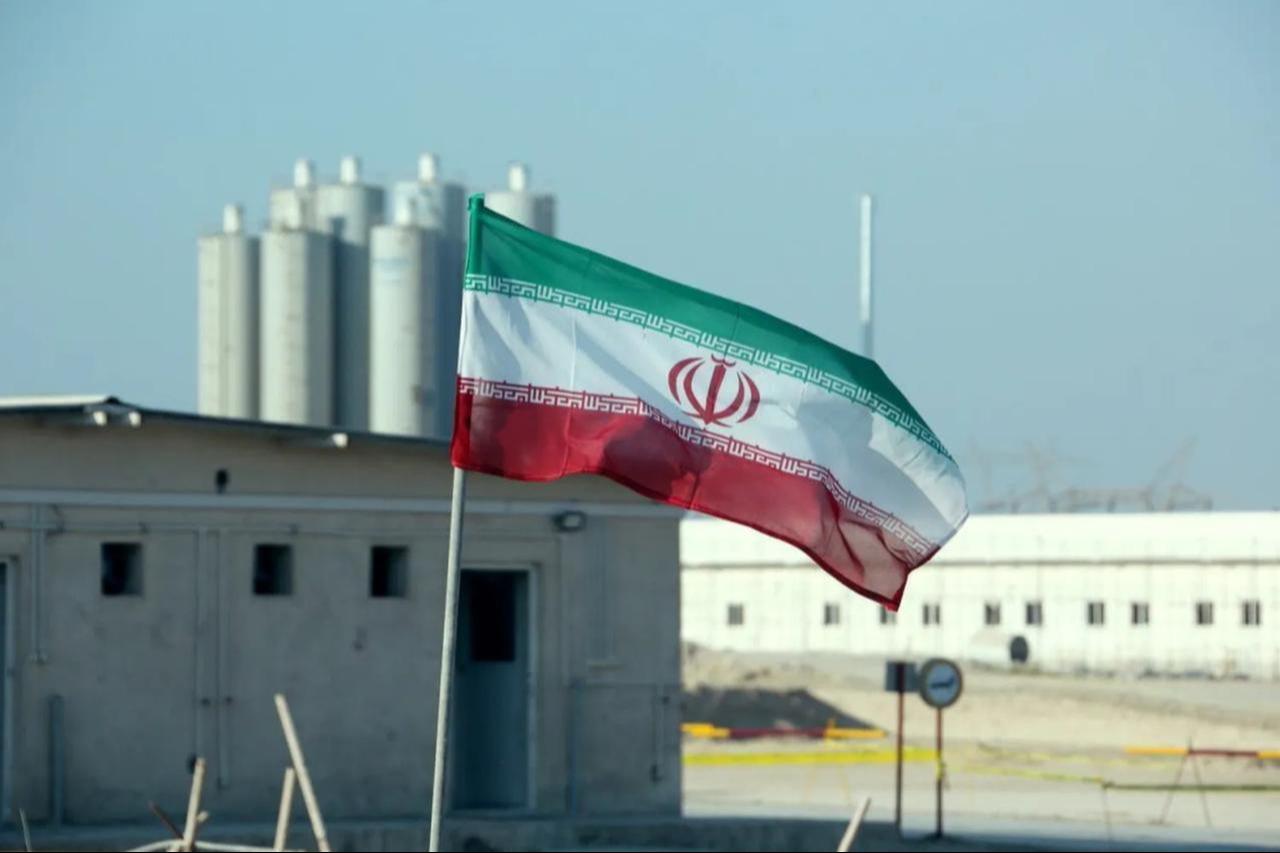
Logistics further erode the proposal’s credibility. Transporting enriched uranium is among the most sensitive operations imaginable. Air transport is virtually impossible. Maritime routes are geopolitically complicated. Land transport, while theoretically the most feasible, exposes the material to sabotage, intelligence interception, and direct attack, Udum emphasizes. Any such transfer would unfold under intense surveillance by regional and global actors, turning a supposed de-escalation step into a potential flashpoint.
Some proponents suggest converting enriched uranium into depleted uranium before transfer as a workaround, Sebnem Udum highlights. Yet this too misunderstands the core issue. Iran’s nuclear program is not a temporary technical project that can be paused or outsourced at will. It is embedded in national identity, regime legitimacy, and claims of sovereign equality.
Seen through this lens, Türkiye’s reported offer appears less like a concrete policy solution and more like a diplomatic signal; an attempt to reassert a mediating role at a moment of escalating tensions.
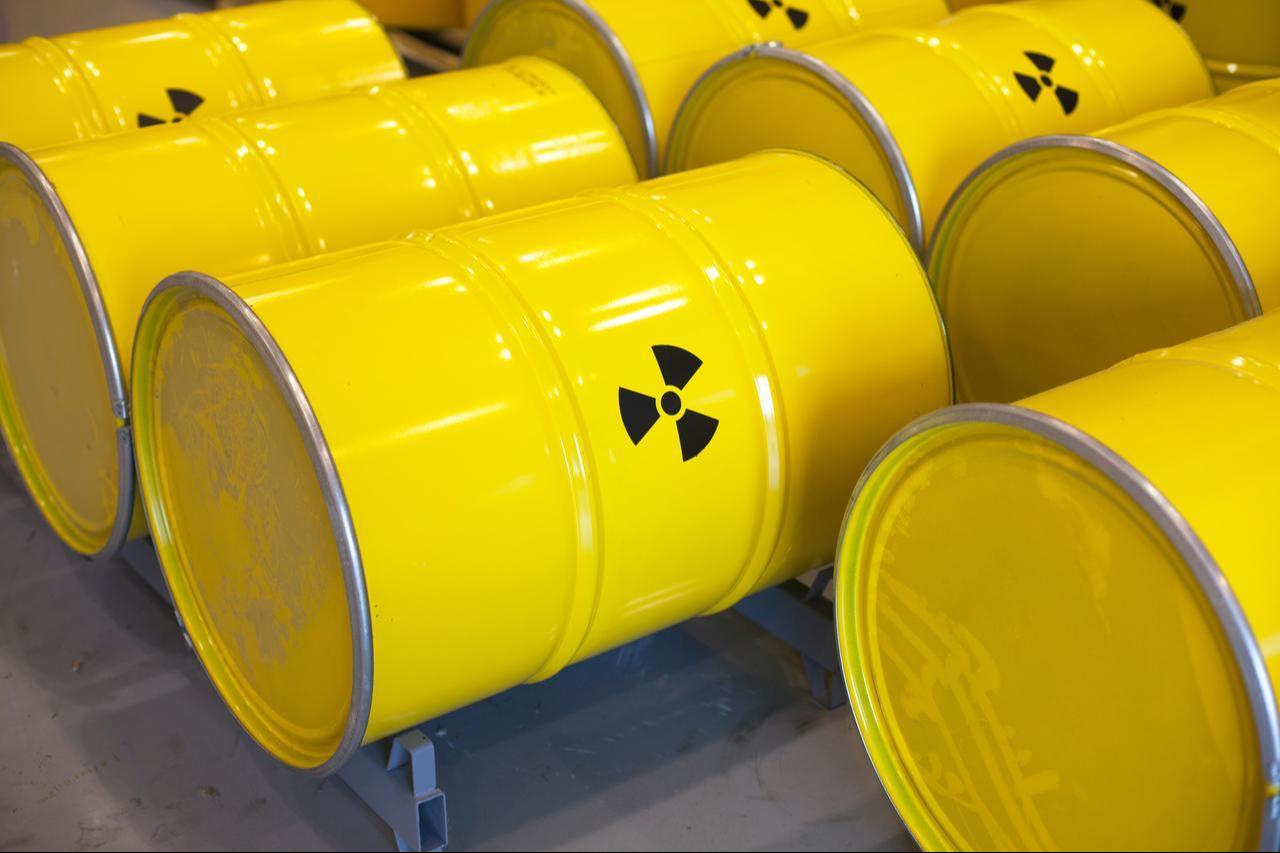
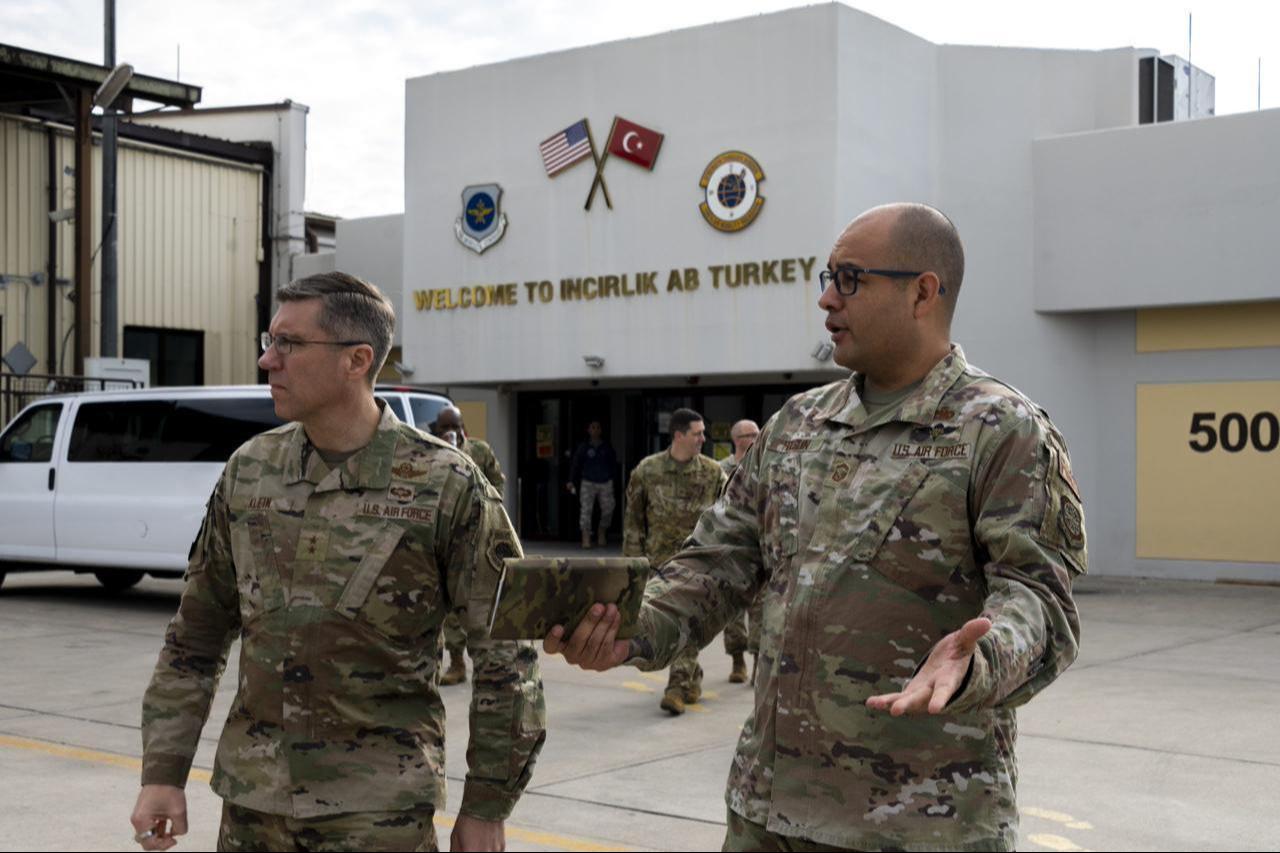
As speculation around the proposal grew, one question quietly surfaced in diplomatic and media circles: could Iran’s enriched uranium be stored at Incirlik Air Base?
From a purely symbolic standpoint, the idea sounds powerful. Incirlik is one of Türkiye’s most strategically significant military installations. But symbolically powerful does not mean politically viable.
In practical terms, storing Iranian enriched uranium at Incirlik would be close to impossible.
The base operates within a NATO framework and hosts a significant U.S. presence. It is also widely reported to be part of NATO’s nuclear-sharing infrastructure. For Tehran, transferring its most sensitive nuclear asset to a facility so closely associated with Washington would be indistinguishable from handing it over to the United States itself.
This trust deficit is not hypothetical. Even in 2010, when Iran’s uranium was enriched only to 20%, Tehran resisted transferring material to Türkiye. Today, with enrichment levels at 60% and regional tensions far higher, the political cost for Iran would be exponentially greater.
Recent coverage reflects this skepticism. Israeli media outlets that first reported Türkiye’s alleged hosting offer framed it explicitly as a revival of the failed 2010 attempt, while stressing how much darker the current strategic environment has become. Reporting by Reuters similarly placed the idea within a broader diplomatic bargaining package, rather than presenting it as a standalone solution, noting that enrichment levels, missile capabilities, and sanctions remain deeply interconnected. Meanwhile, The Guardian has emphasized that Iran’s insistence on uranium enrichment is ideological and status-driven, not merely technical.
There is also a logistical reality often missing from political debates. Transporting enriched uranium by air is effectively ruled out. Sea routes are politically and operationally fraught. Land transport, often cited as the “most realistic” option, would expose the shipment to unprecedented security risks, from sabotage to preemptive strikes. Concentrating such material at a base already central to regional military planning would not reduce tensions; it would amplify them.
Notably, parallel reporting has indicated that Russia has once again positioned itself as a potential custodian or processor of Iranian enriched uranium, an option Tehran has historically viewed as less politically threatening than U.S.-aligned alternatives, according to Reuters. That comparison alone illustrates why Incirlik remains an implausible destination.
In the end, the renewed discussion around hosting or transferring Iran’s enriched uranium tells us less about an imminent diplomatic breakthrough than about the enduring temptation to solve nuclear crises through technical rearrangements. Iran’s nuclear program, however, is not a technical inconvenience waiting for a clever fix. It is a political instrument shaped by pressure, prestige, and survival.
Until that reality is confronted, proposals like this, however bold they sound, will remain familiar illusions.


 Set as preferred source
 Set as preferred source



 2 min read