Newsletters




Iran's top foreign policy adviser to the office of the Supreme Leader has declared that Tehran sees no path to diplomacy with the United States and is prepared to wage a protracted war, while signaling the government's willingness to continue striking Gulf countries in a strategy designed to build economic pressure on Washington.
Kamal Kharazi, in an exclusive CNN interview from Tehran, ruled out negotiations with the Trump administration and said the conflict, now in its tenth day, would only end when the economic toll on the wider region forces other nations to intervene.
"I don't see any room for diplomacy anymore," Kharazi told CNN on Monday. "Because Donald Trump had been deceiving others and not keeping with his promises, and we experienced this in two times of negotiations, that while we were engaged in negotiation, they struck us."
The remarks represent a hardening of Iran's public posture and suggest that Tehran's war strategy hinges not on battlefield outcomes alone but on weaponizing the global economic fallout of the conflict, particularly through disruption of energy markets.
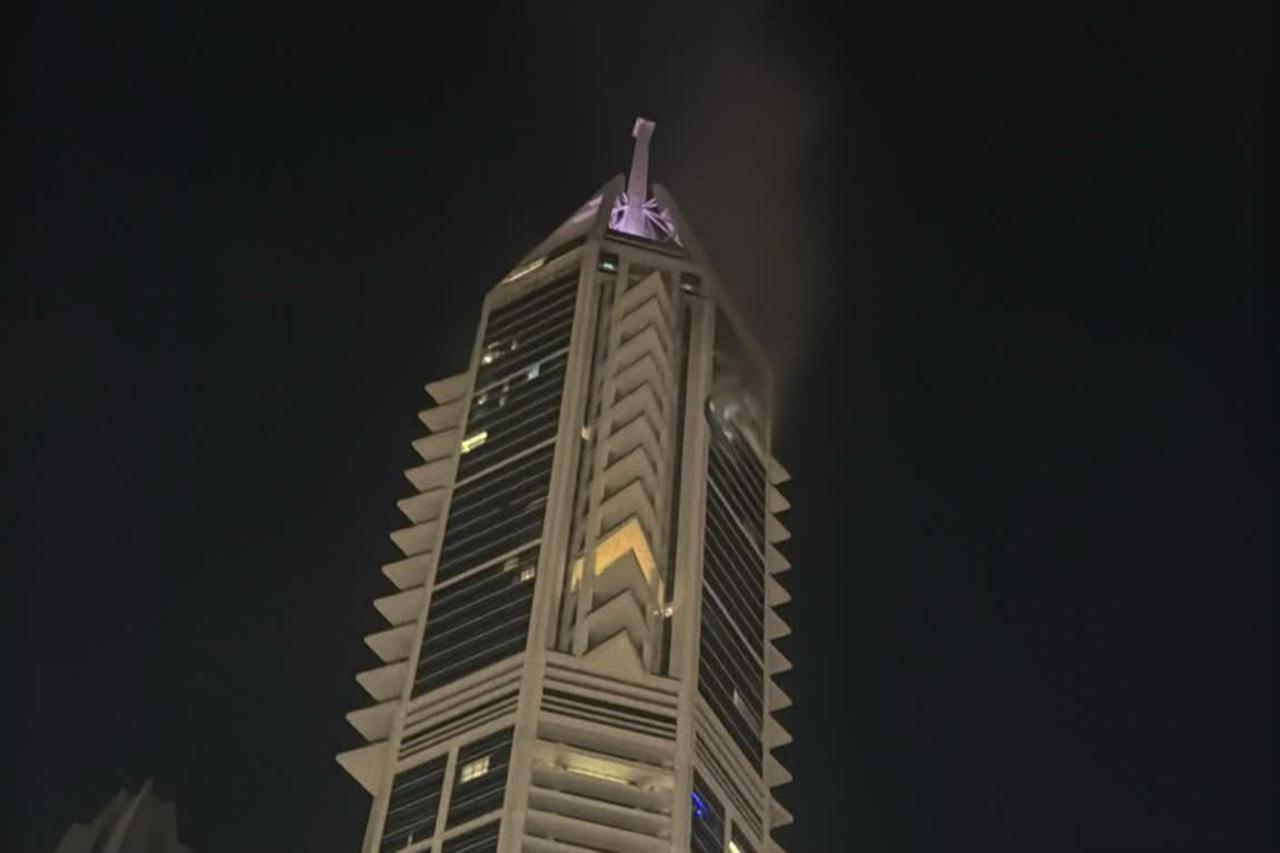

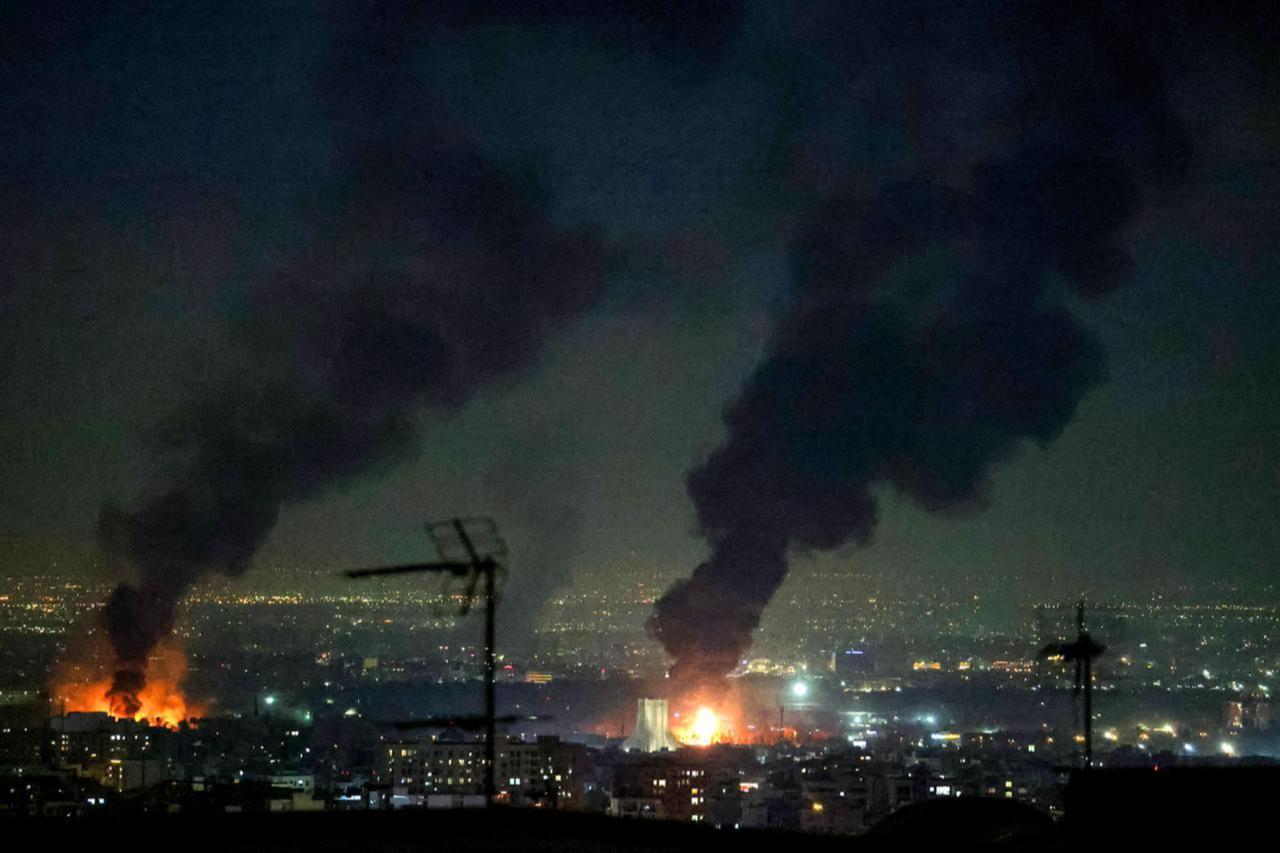
Since the US and Israel launched the war, Iran has struck targets across multiple Middle Eastern countries, claiming to be hitting American interests in Gulf nations. However, residential buildings and airports have also repeatedly come under attack, broadening the humanitarian toll of the conflict.
Kharazi framed these strikes as part of a deliberate pressure campaign. "This war has been producing a lot of pressure, economic pressure, on others, in terms of inflation, in terms of lack of energy," he said, adding that if the war continues, "others have no choice (but) to intervene."
His comments appeared to be directed squarely at Gulf Arab states and other regional powers, urging them to press the United States to end the conflict. A spokesperson for the Islamic Revolutionary Guard Corps said Sunday that Iran is currently deploying 60% of its firepower against US bases and what it describes as American "strategic interests" in the region.
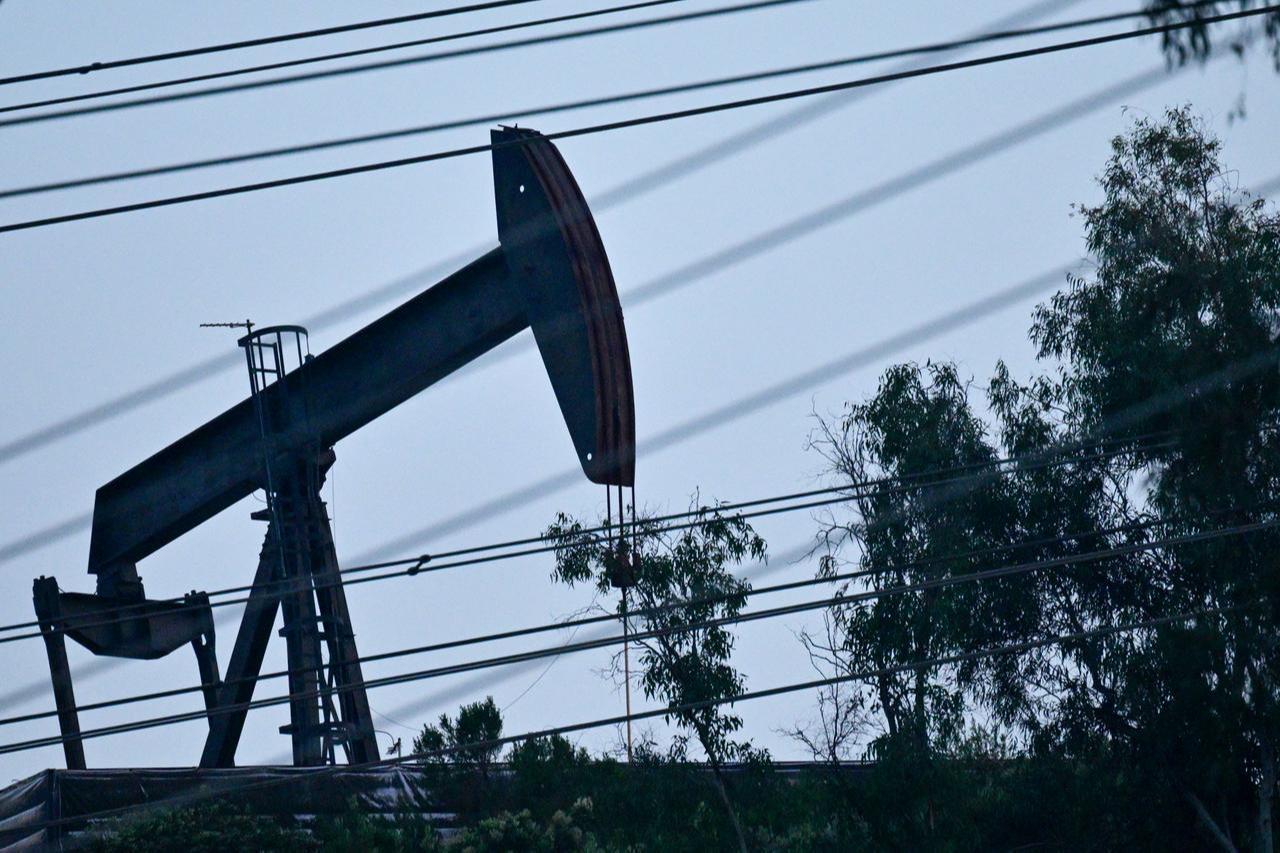
The Iranian strikes have exploited vulnerabilities in global energy infrastructure, targeting transit routes and facilities critical to oil exports. Maritime traffic through the Strait of Hormuz, the narrow waterway between Iran and the Arabian Peninsula through which roughly a fifth of the world's oil supply typically passes, has nearly collapsed.
Crude oil prices surged past $100 a barrel on Monday, sending shockwaves through global stock markets. An estimated 20% of world oil supply has been disrupted by the conflict, roughly double the record set during the Suez Crisis of 1956-1957, according to historical data from Rapidan Energy Group.
The Suez Crisis, which saw Britain, France and Israel invade Egypt after President Gamal Abdel Nasser nationalized the Suez Canal, had until now represented the single largest disruption to global oil flows in modern history.
Beyond the immediate supply shortfall, the war has also effectively wiped out the "spare capacity" that typically serves as a buffer in energy markets, the reserve production that major oil-producing nations can bring online quickly during a crisis. The elimination of that cushion leaves global markets with virtually no room to absorb further shocks.
In a move widely interpreted as a signal of further escalation, Mojtaba Khamenei, the second son of slain former Supreme Leader Ali Khamenei, was elevated to Iran's highest post over the weekend. The appointment consolidates power within the Khamenei family and sends a message of institutional continuity at a moment of existential conflict for the Islamic Republic.
Asked whether Iran's military and its new supreme leadership are unified, Kharazi was unequivocal: "Yes, exactly."
He added that the new leader would assume full responsibility for Iran's defense posture. "The responsibility of the leader of Islamic Republic of Iran is to lead the defense capability of Iran, and therefore, as Khamenei was doing that, now the new leader would do that," he said.
President Trump said last week that the younger Khamenei's appointment as his father's successor would be "unacceptable" to him. Kharazi dismissed the comment flatly: "That is not his business."
The succession comes at a critical juncture. With diplomacy ruled out by Tehran, energy markets in crisis, and Iranian strikes expanding across the region, the trajectory of the conflict appears set for further escalation on multiple fronts.


 Set as preferred source
 Set as preferred source


 1 min read

 1 min read