Newsletters


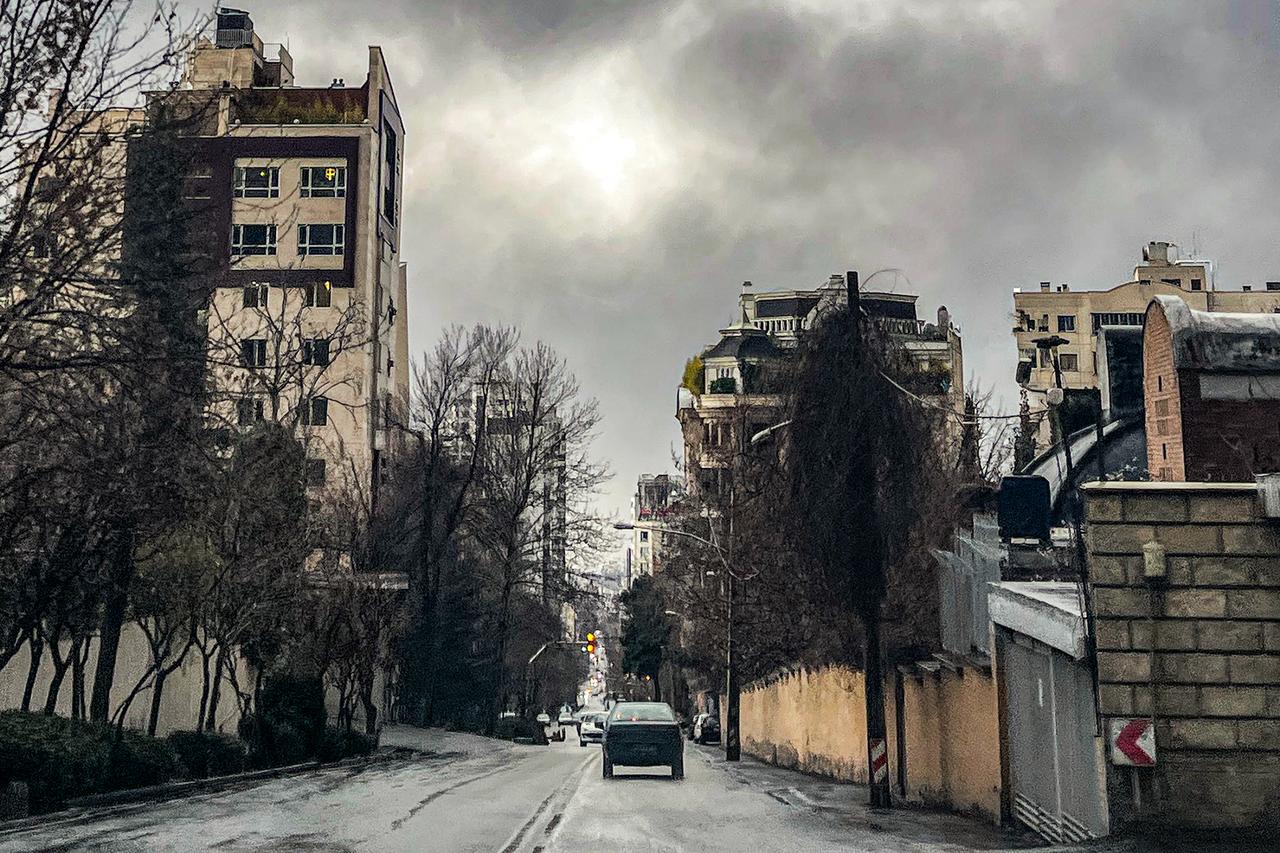


Iran's U.N. envoy stated on Sunday that at least 1,332 Iranian civilians have been killed since U.S.-Israeli strikes began, with the Iranian Red Crescent reporting approximately 300 of the dead were children, as the humanitarian toll and infrastructure damage across the country continued to mount on the ninth day of the war.

Iran's Permanent Representative to the United Nations, Saeed Iravani, said at least 1,332 Iranian civilians had been killed and thousands wounded since the strikes began on Feb. 28.
The Iranian Red Crescent said approximately 300 of the dead were children. The figures marked a sharp increase from the 926 deaths reported by the Iranian Health Ministry spokesperson Hossein Kermanpour in previous days.
The U.S.-Israeli strikes killed Supreme Leader Ali Khamenei and numerous senior officials on the first day of the campaign.
In the southern city of Minab, a strike on the Shajareh Tayyebeh elementary school during morning classes killed at least 165 students and teachers aged between 7 and 12, according to the Red Crescent.
Tehran's Enghelab Square, Azadi Square and Niloufar Square, areas of dense civilian population, were also bombed, according to Iranian officials.
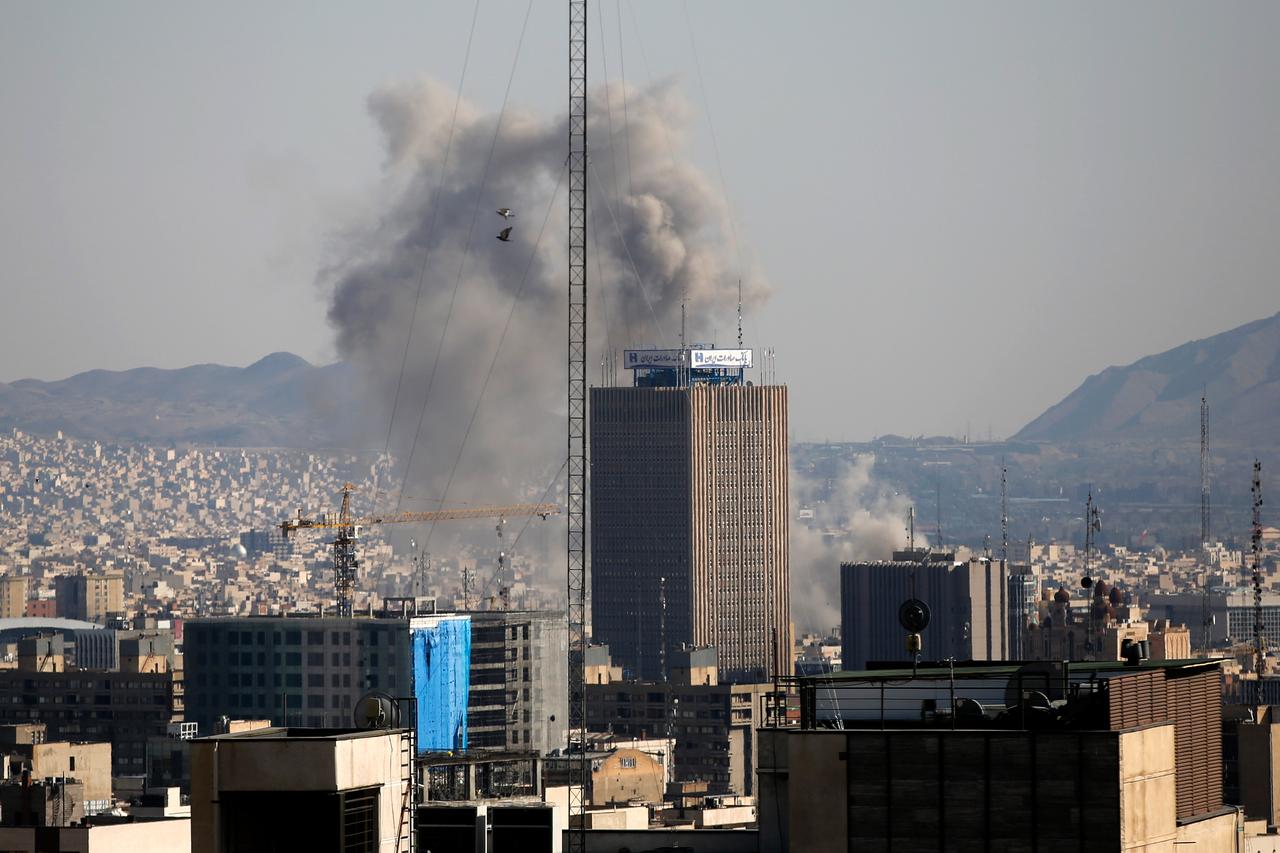
The Iranian Red Crescent said 9,669 civilian units had been damaged in the attacks, including 7,943 residential units and 1,617 commercial buildings.
The strikes also damaged 32 medical and treatment centers, 65 schools and educational institutions and 13 Red Crescent centers.
Fifteen operational vehicles and 13 ambulances belonging to the Red Crescent and emergency response teams were damaged. The organization said 11 medical personnel were killed and 33 others injured.
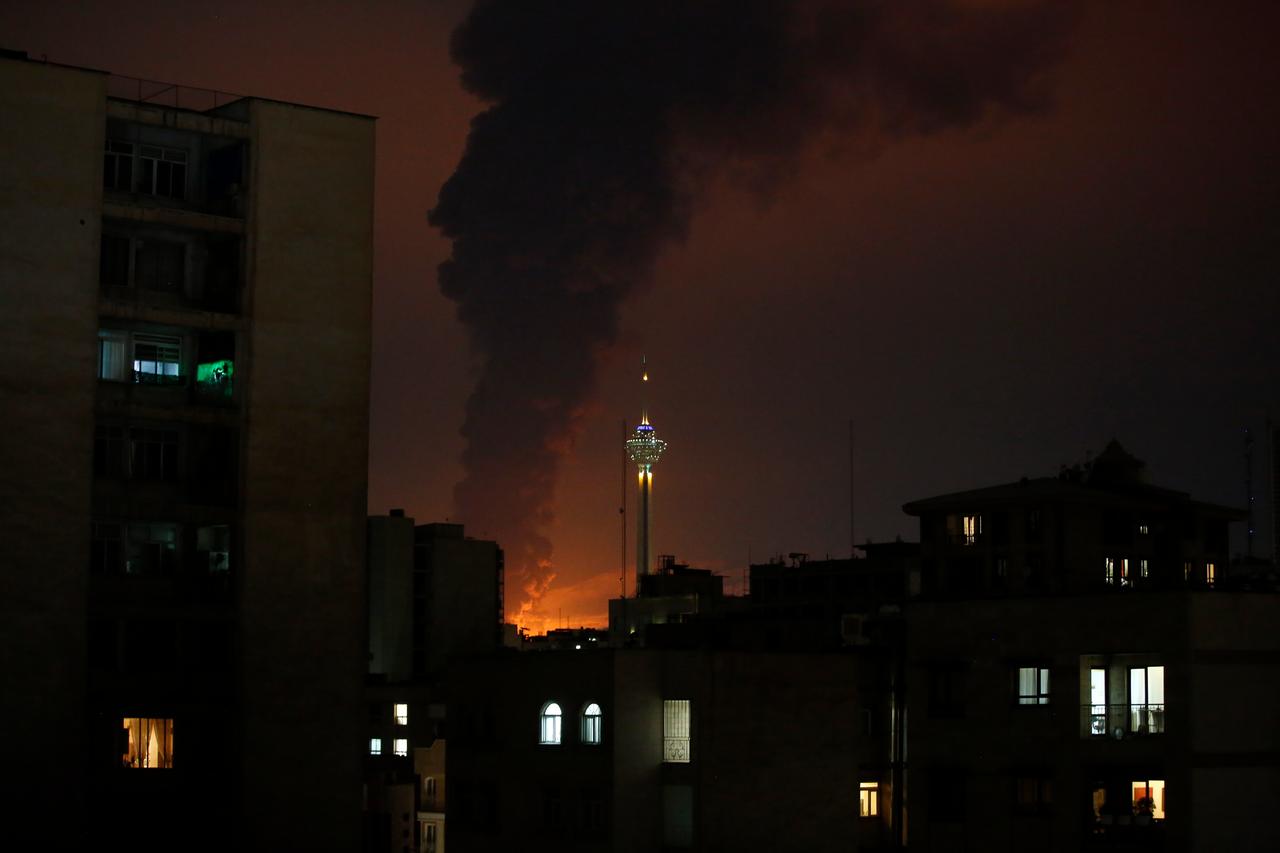
On the eighth day of the war, oil depots and fuel facilities in Tehran became targets of bombardment for the first time. Israeli and U.S. airstrikes hit fuel storage centers in Tehran and the surrounding area.
Heavy smoke clouds covered the sky over Tehran and Karaj after oil depots were struck, with fires burning for hours.
Iran launched at least 727 missile strikes against seven Arab countries in retaliation since the war began, according to data compiled by Anadolu Agency from the defense ministries of the targeted nations.
The UAE was hit hardest, with 221 ballistic missiles, eight cruise missiles, and 1,305 drones. Four people were killed and 112 wounded. The UAE Defense Ministry said 205 missiles were intercepted, 14 fell into the sea, and two struck the country's territory. Of the drones, 1,229 were shot down while 76 hit the country.
Kuwait was targeted by 212 ballistic missiles and 394 drones by March 5, with an additional 14 missiles and 12 drones intercepted on March 6.
Qatar faced 120 ballistic missiles, 63 drones, and two Su-24 fighter jets. All missiles and 24 drones were intercepted with no casualties reported.
Bahrain was hit by 86 missiles and 148 drones. Jordan's military said 108 of 60 missiles and 59 drones aimed at the country were destroyed, with 14 people wounded by falling debris.
Saudi Arabia reported at least six missiles and 40 drones targeting its territory, with 23 drones aimed at the Shaybah oil field and three missiles near Prince Sultan Air Base intercepted. Oman reported at least eight drone strikes.


 Set as preferred source
 Set as preferred source


 4 min read