Newsletters


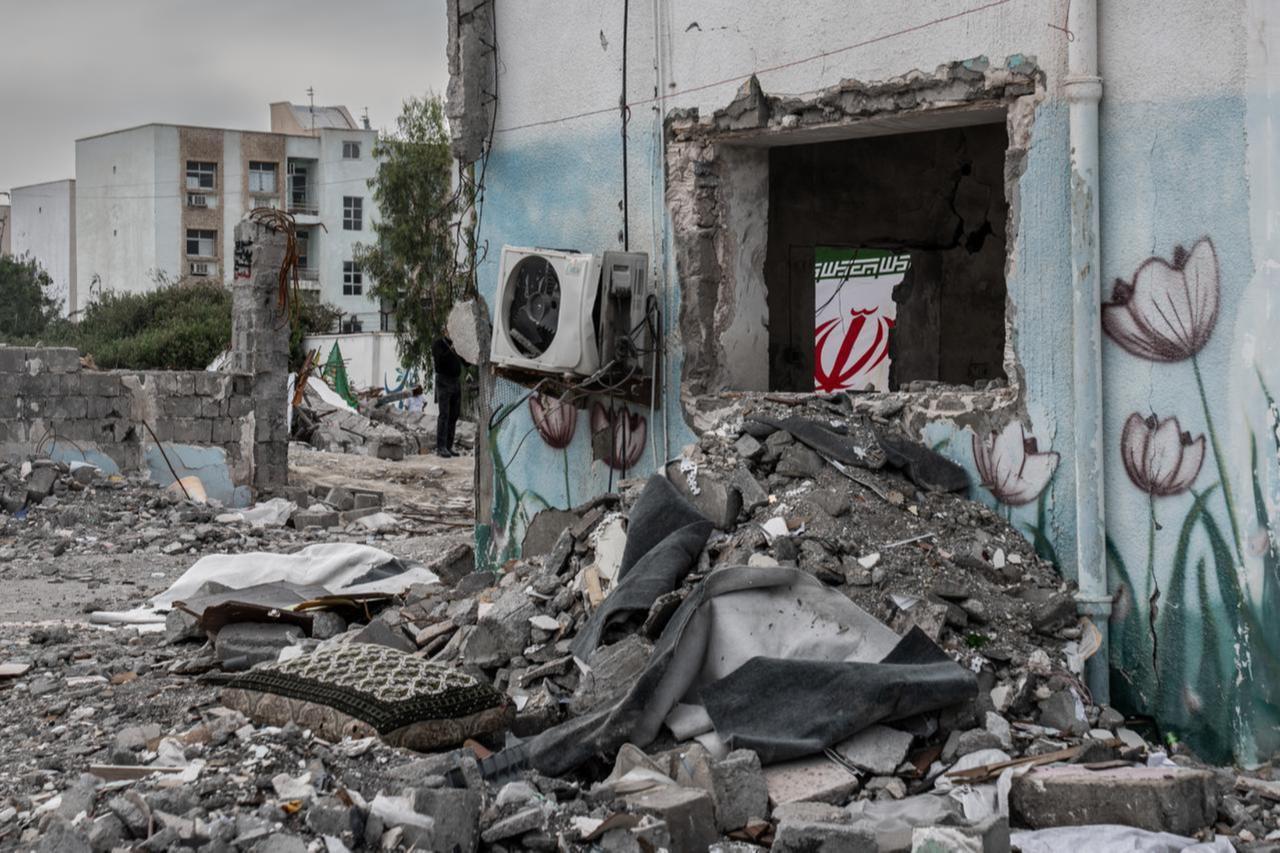


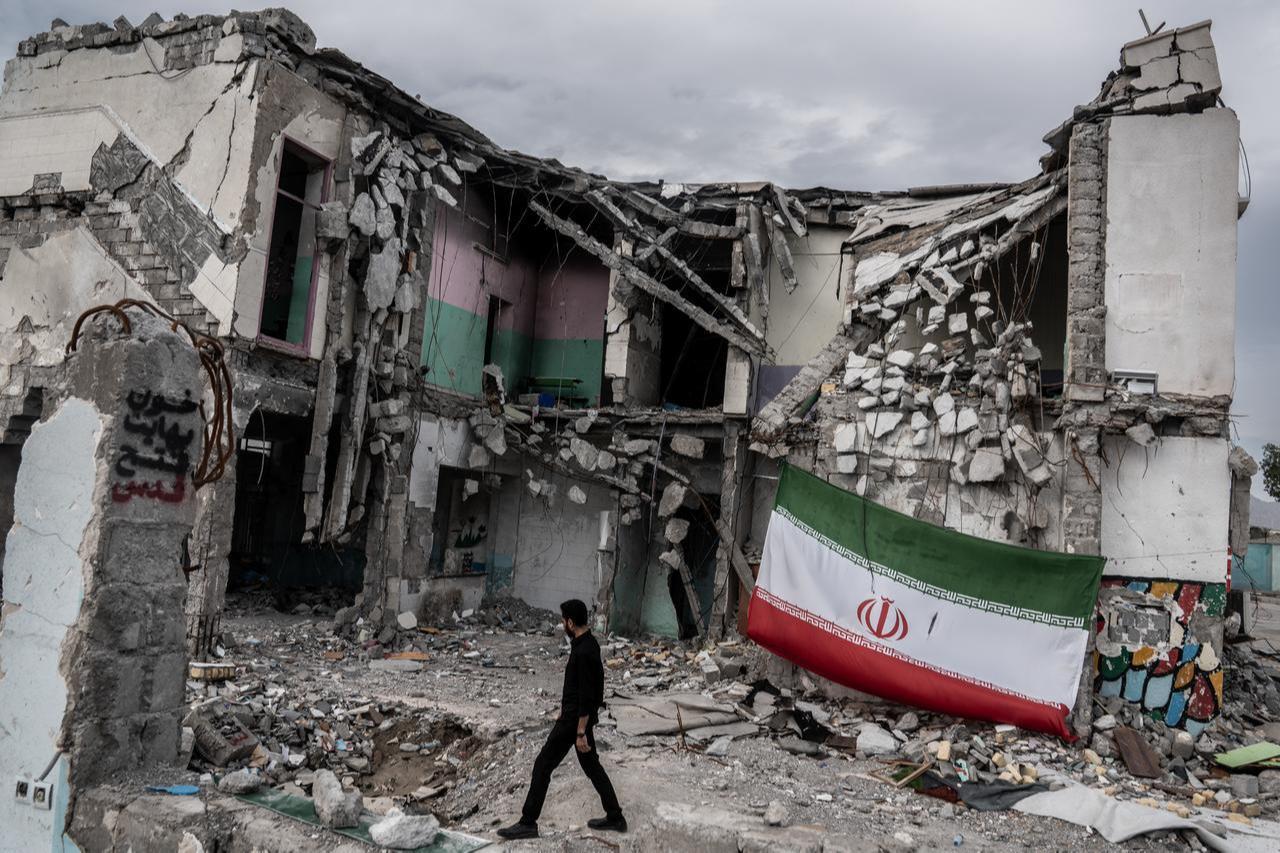
Iran's government said Sunday that 942 schools have been damaged across the country since US-Israeli airstrikes began on Feb. 28, as diplomatic negotiations in Islamabad concluded after 21 hours without an agreement, deepening uncertainty over the fragile two-week ceasefire announced earlier this week.
Government spokesperson Fatemeh Mohajerani, speaking at a press conference, laid out the full scale of civilian destruction wrought by the campaign: 125,640 civilian units have been destroyed, including 100,000 homes, 20,500 shops, and 339 health centers.
She said damaged school buildings would require two to three months to rebuild, while restoring civilian housing and commercial units would take anywhere from three to 24 months. Citizens whose homes were damaged, she added, can apply for housing loans to fund reconstruction.
More than 3,000 people have been killed in Iran since the strikes began on Feb. 28, according to Iranian officials.

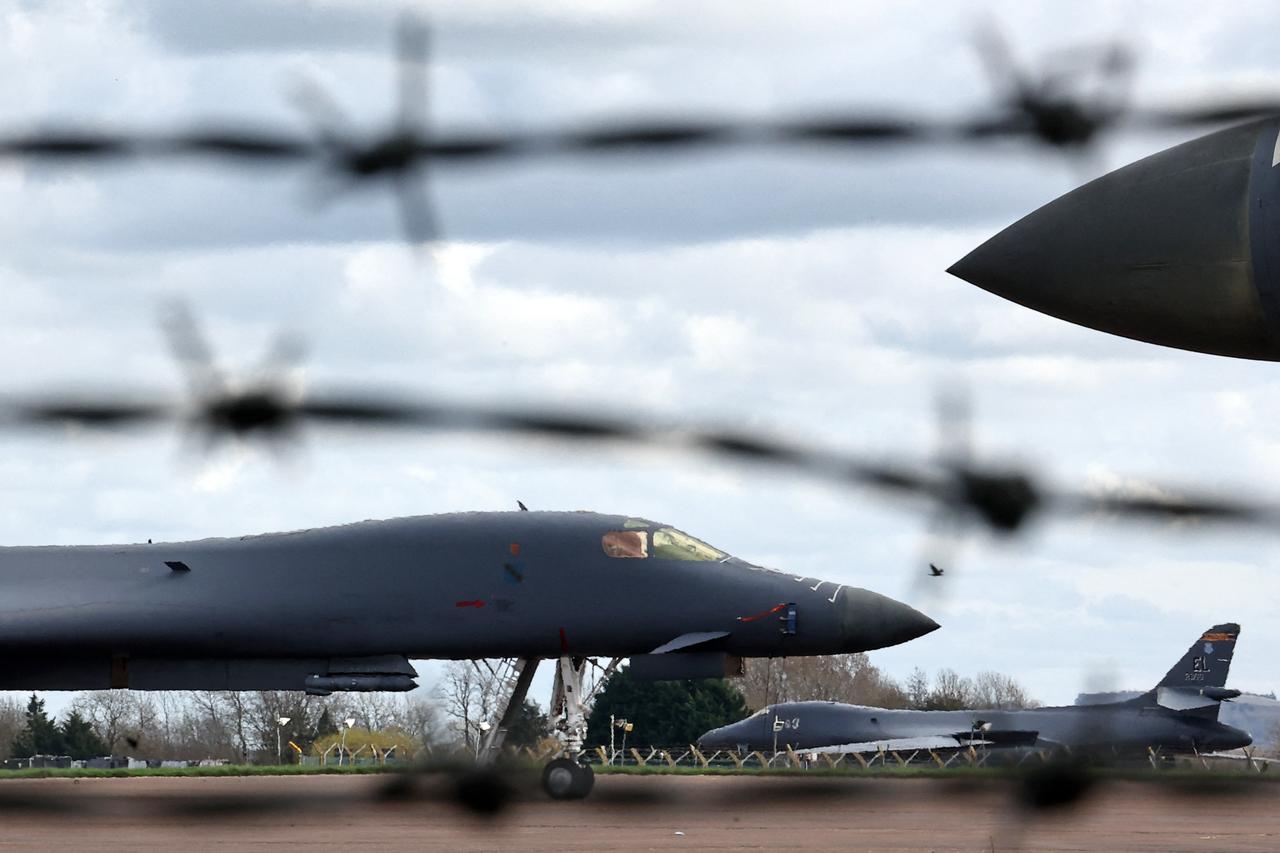
Before the ceasefire was announced earlier this week, Tehran had launched retaliatory strikes on Israel, Iraq, Jordan and Gulf countries hosting US military assets.
The two-week truce, brokered by Pakistani Prime Minister Shehbaz Sharif, was announced on April 8 and has been under strain almost since its inception, with Iran accusing the US and Israel of violations linked to continued Israeli operations against Hezbollah in Lebanon.
The ceasefire was intended as a bridge to a negotiated settlement. Iranian and US delegations met in Islamabad under Pakistani mediation, but the talks wrapped up Sunday after 21 hours without producing an agreement. The failure of that round of diplomacy adds pressure to an already contested truce that both sides have accused the other of undermining.
The figures presented by Mohajerani paint a picture of sweeping infrastructure damage throughout Iran. The destruction of 339 health centers is particularly significant in a country where rural populations often depend on such facilities as their primary point of medical access.
The loss of nearly a thousand schools, meanwhile, raises immediate concerns about disruption to education for children across affected regions.
Mohajerani indicated the government plans to use housing loan programs to help displaced residents begin rebuilding, though the multi-month reconstruction timeline she outlined suggests the displacement crisis will extend well beyond any near-term diplomatic resolution.
Iran had previously launched retaliatory strikes on regional targets, and the ceasefire's stated terms, including Iran's agreement to reopen the Strait of Hormuz, have been contested amid continued hostilities in Lebanon. With negotiations stalled and civilian damage mounting, the prospects for a durable settlement remain uncertain.


 Set as preferred source
 Set as preferred source


 1 min read


 1 min read