Newsletters


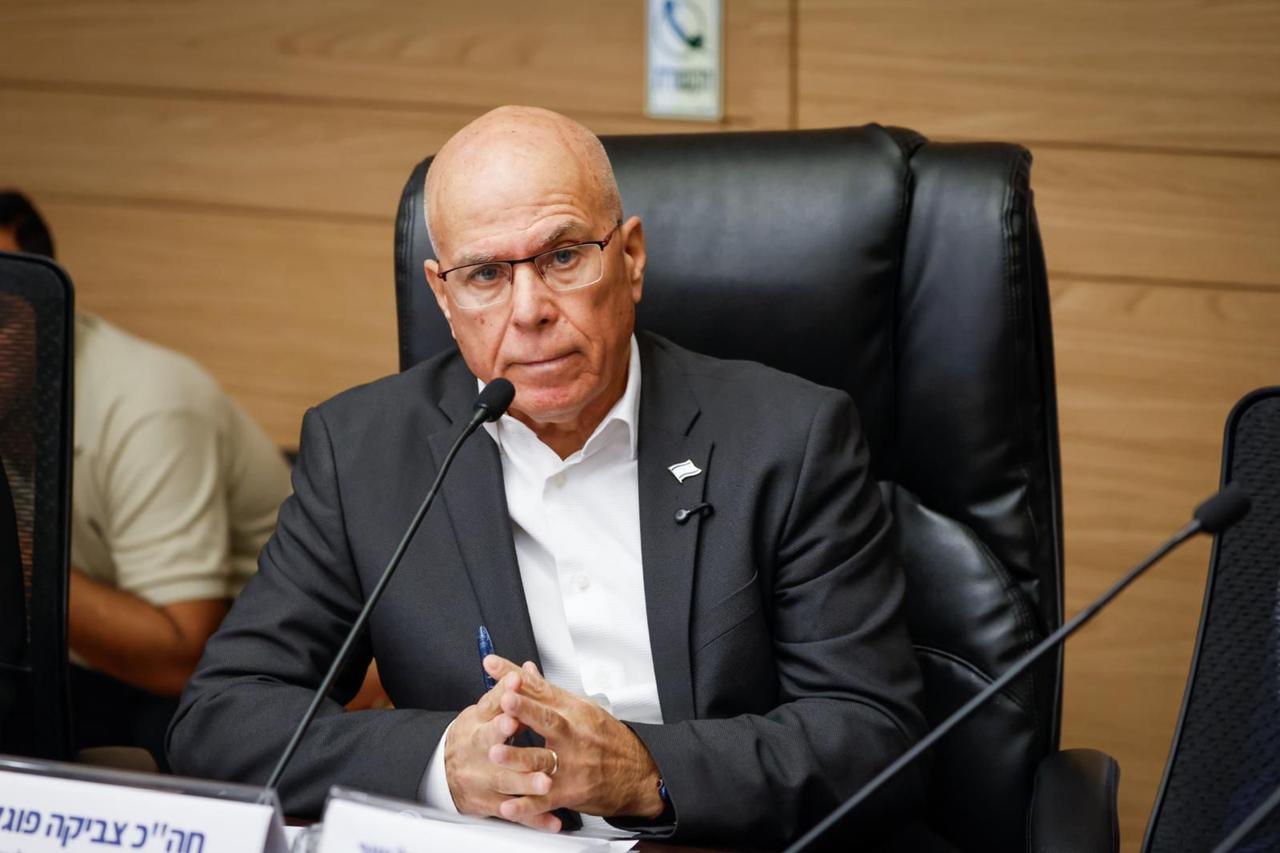


Tzvika Foghel, Chairman of the Knesset's National Security Committee, publicly ridiculed U.S. President Donald Trump on social media following Washington's announcement of a two-week ceasefire with Iran, capping weeks of increasingly extreme threats from the American president that ultimately gave way to a Pakistan-brokered truce and left key Israeli war objectives unmet.
A member of the far-right Otzma Yehudit party, Foghel posted a pointed rebuke on X directed at the American president. "Donald, if you have to shoot, shoot. Don't quack," he wrote, in a reference to the iconic line from the 1966 Spaghetti Western film
"The Good, the Bad and the Ugly." He had earlier posted, "Donald, you came out looking like a duck," before deleting that version. Both posts captured a broader sense of fury rippling through Israeli political circles at the abrupt end to hostilities.
The ceasefire announcement on Tuesday night came as a shock to Israeli officials. Israel's public broadcaster Kan 11 reported that the government had not been forewarned, with a senior Israeli official saying, "We were surprised by Trump's decision. We received updates at the last minute when everything already seemed finalised."
The backdrop to Foghel's mockery was a weeks-long campaign of escalating rhetoric from Trump on Truth Social. On April 5, Trump posted an expletive-laden warning to Iran, threatening to bomb bridges and power plants if the Strait of Hormuz was not reopened, writing that Iran's leaders would be "living in Hell" if they failed to comply.
Days later, on the morning of his self-imposed Tuesday deadline, Trump escalated further, warning that "a whole civilization will die tonight, never to be brought back again." That post drew widespread condemnation, with Democratic lawmakers calling for his removal from office under the 25th Amendment, and even some Republican senators breaking with the president.
Then, hours after that apocalyptic post, Trump announced on Truth Social that he had agreed to suspend the bombing campaign for two weeks, citing a request from Pakistani Prime Minister Shehbaz Sharif, and subject to Iran agreeing to reopen the strait.
The whiplash reversal, from vowing civilizational destruction to accepting a negotiated pause within the span of a single day, was not lost on Israel's political class.
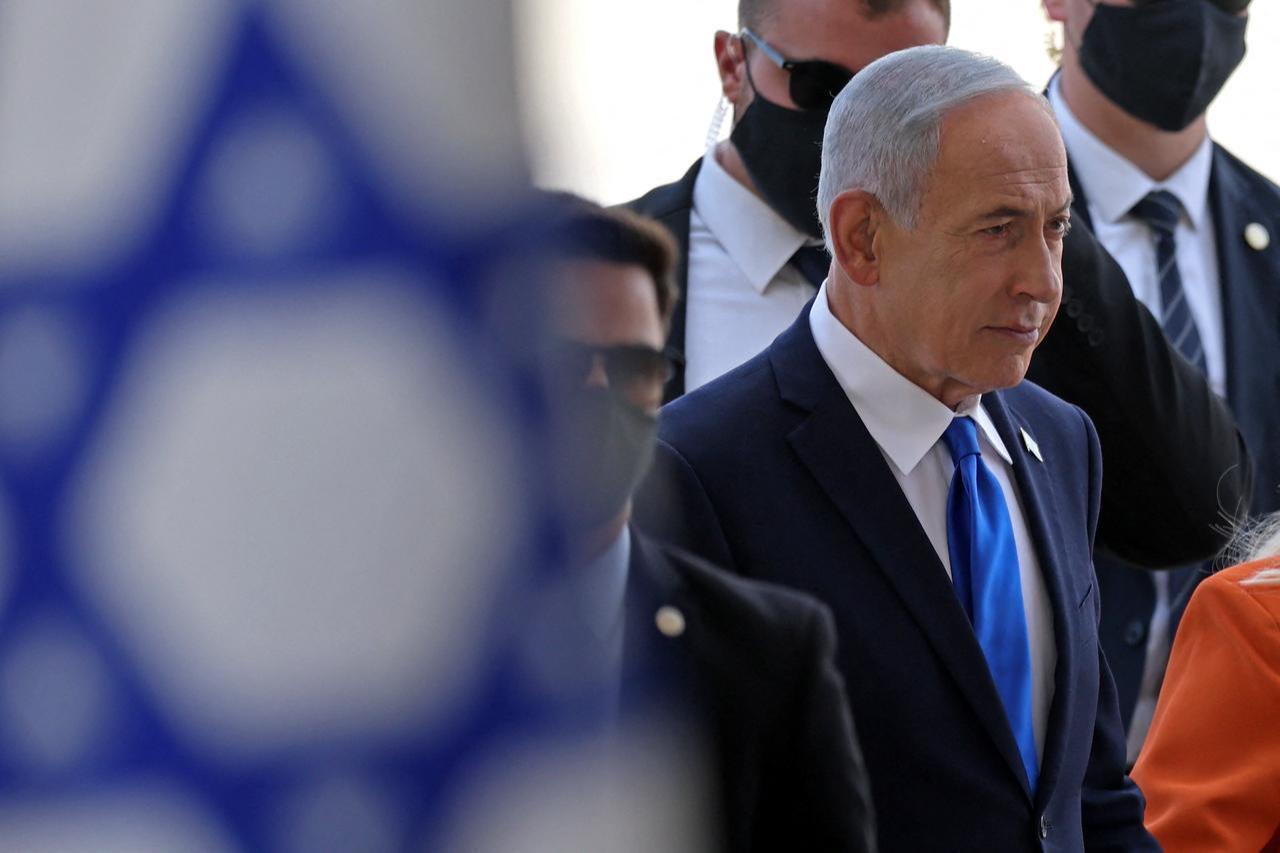

The ceasefire touched a raw nerve in Israel partly because the country had not been included in the negotiations. Opposition leader Yair Lapid called the outcome "the greatest diplomatic disaster in all of our history," accusing Prime Minister Benjamin Netanyahu of having failed politically and strategically and not meeting a single one of the war goals he had set at the outset.
Lapid added that it would take years to repair the damage caused by Netanyahu's "arrogance, negligence, and lack of strategic planning."
Netanyahu had reportedly warned Trump against agreeing to a ceasefire as recently as Sunday, using a call ostensibly placed to congratulate the U.S. president on the rescue of a downed American airman from Iranian territory to express concern that a pause carried significant risks.
The rescue operation itself had been dramatic: a U.S. Air Force colonel was stranded behind enemy lines in Iran's mountains after his jet was shot down, triggering a large-scale military extraction involving dozens of aircraft, several of which were struck by Iranian fire.
Centrist and left-wing Israeli politicians were equally scathing about Netanyahu's handling of the conflict. Yair Golan, leader of the left-leaning Democrats party and a former army general, said Netanyahu had "lied" to the public. "The nuclear program was not destroyed; the ballistic threat remains; the regime is in place and is even stronger coming out of this war," Golan wrote on X.
 1 min read
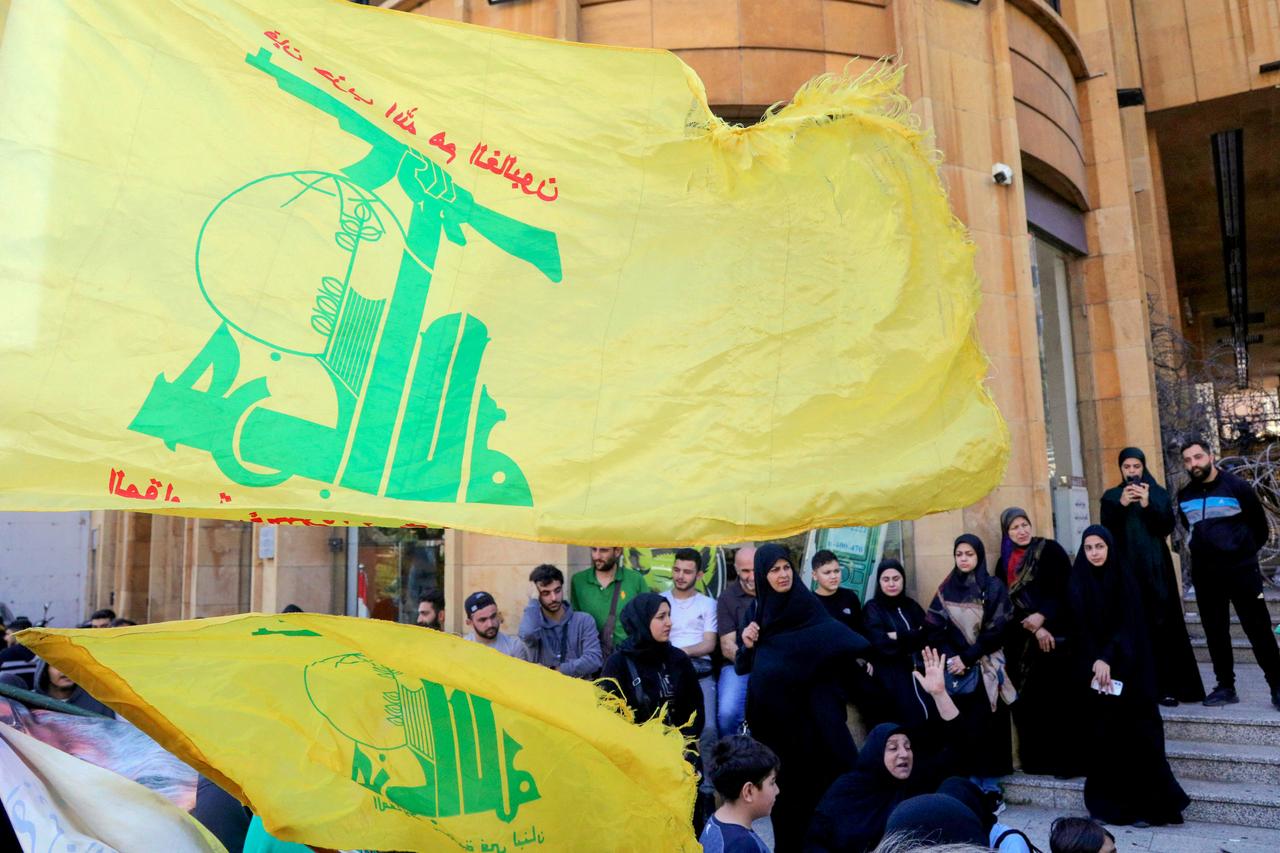
The Prime Minister's Office issued a brief statement four hours after Trump's announcement, saying Israel "supports Donald Trump's decision to suspend strikes against Iran for two weeks," while noting that the ceasefire would not extend to Lebanon, where the Israeli military continued operations against Hezbollah.
The IDF confirmed it had halted strikes on Iran but said it remained on high alert.
The truce brokered by Pakistan calls for two weeks of negotiations in Islamabad, with the key U.S. demand being the complete and immediate opening of the Strait of Hormuz, the narrow waterway through which roughly a fifth of the world's oil and natural gas normally transits.
Iran's side reportedly presented a 10-point plan including the lifting of all sanctions and a halt to Israeli strikes in Lebanon, demands that remained far from Washington's position.
Trump declared the Iranian plan "workable" on social media, while also vowing that U.S. troops and aircraft would remain in place near Iran "until such time as the REAL AGREEMENT reached is fully complied with."


 Set as preferred source
 Set as preferred source


 1 min read