Newsletters


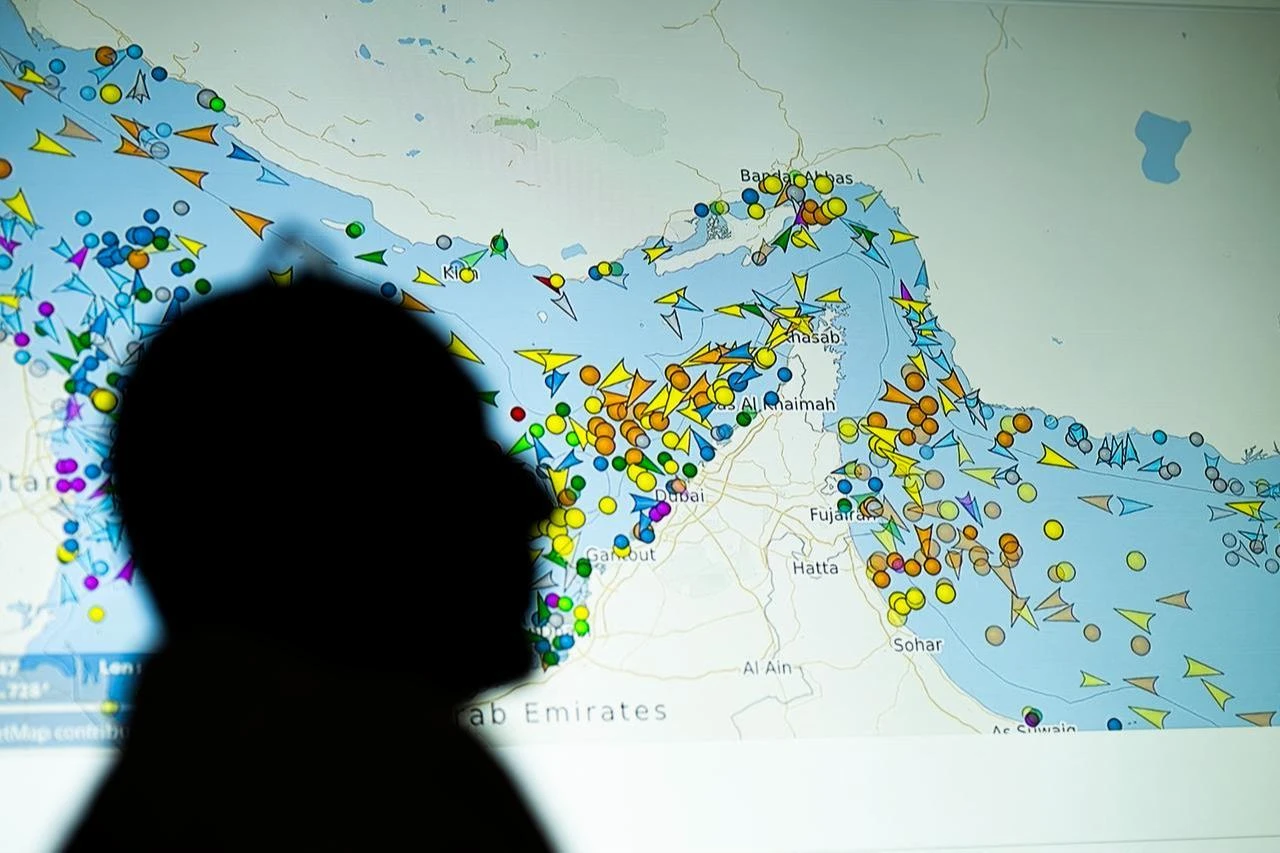
U.S. Secretary of State Marco Rubio stated Sunday that Iran is attempting to use the Strait of Hormuz as leverage against the international community. He called on other nations to take on a greater share of the burden of protecting global shipping as the conflict entered its ninth consecutive night of U.S. strikes.
Speaking to reporters before departing for the Philippines to attend a meeting of foreign ministers of the Association of Southeast Asian Nations (ASEAN), Rubio said: "It's clear that Iran, at least some people in Iran, want to control the strait and hold that as leverage against the world."
He said the U.S. would continue protecting global shipping but that other countries needed to contribute more.
"The United States will do and continue to do what it needs to do to protect global shipping, but other countries need to begin to step up and provide, whether it's hardware or finances, to help carry that burden," he said.
"It is not the United States' job to protect shipping for the entire planet forever," Rubio added.
Asked about the objective of the latest round of strikes, Rubio said U.S. Central Command (CENTCOM) had laid out the goal clearly, saying, "The only reason why the U.S. is conducting strikes is against assets of Iran that are being used to attack global commercial shipping. The Strait of Hormuz is an international waterway, and they continue to launch against ships in that international waterway."
"As long as Iran insists on controlling an international waterway, we're going to have to respond to that," he added.
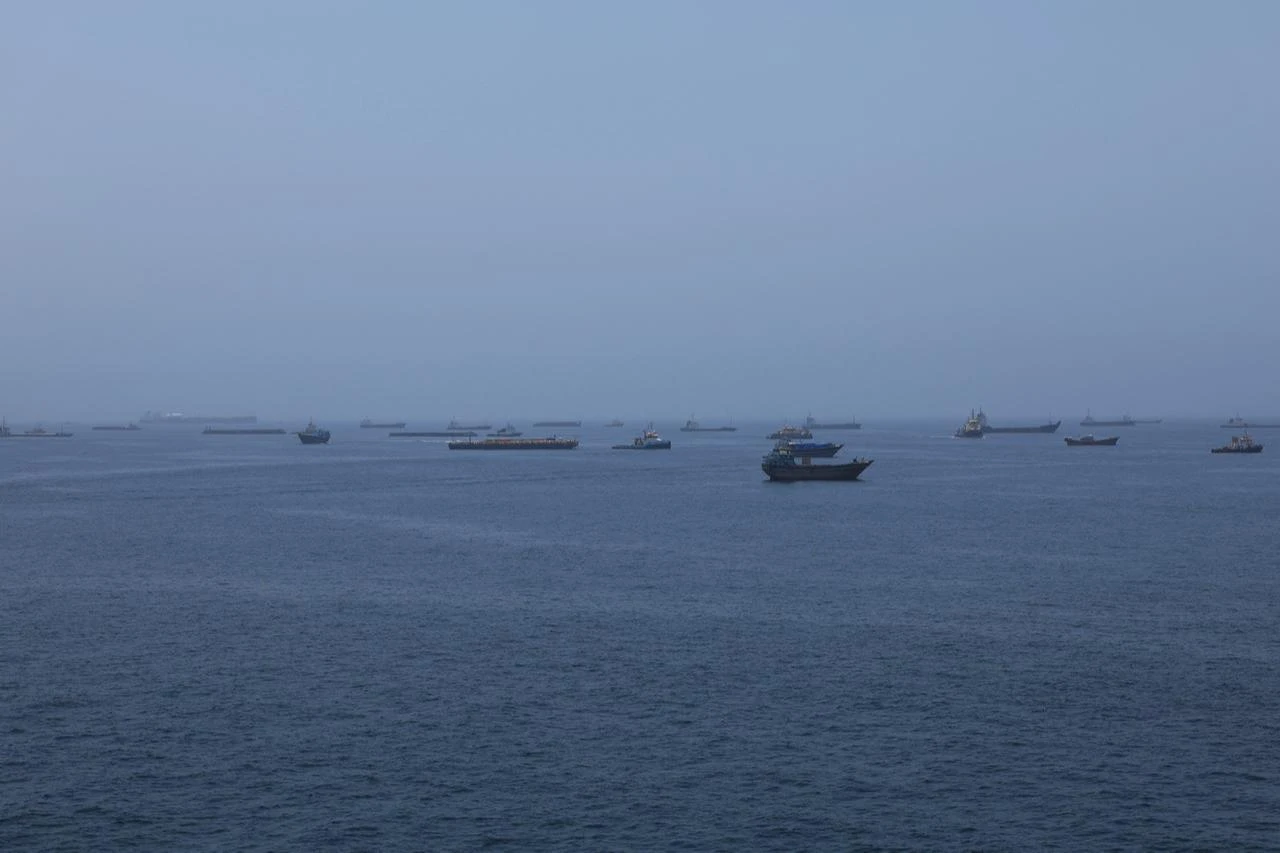

Asked whether the U.S.-Iran Memorandum of Understanding (MoU) is dead, Rubio said: "Well, they're not complying with it. I mean, the straits are supposed to be open, free of tolls, free of attacks, free of all the things they're doing against these ships. So you can't have an MoU that's alive if they're violating the terms of it."
He said Iran had been expected roughly a week earlier to declare the strait open and pledge to stop attacking shipping, but instead it struck three ships.
"Their behavior has to change in order for ours to change," he said.
Rubio said the U.S. remained open to diplomacy "if that door opens," and said Iran continued sending signals, directly and through other countries, that it wanted to negotiate.
The top U.S. diplomat said there appeared to be a growing internal split in Iran between officials who understand the country's economy is collapsing and militant factions still pursuing strikes.
"If the guys that want to do something productive for Iran win and take control of that system or take control of the negotiations, that'll be a very positive development. That's not where we are tonight, unfortunately," he noted.
Asked what would happen if diplomatic factions in Iran do not prevail, Rubio said: "I don't think it'll be good for Iran," citing what he described as 300% inflation on life-sustaining goods, dwindling government revenue, food shortages, a drought, and fuel shortages.
He argued Iran's economic troubles stemmed from the government's spending priorities.
"Every penny that this regime gets, be it in sanctions relief or through the oil they're able to get out, they invest it in Hezbollah, they invest it in Hamas ... they use it to sponsor terrorism," he said, adding that he believed awareness of this dynamic was growing both among the Iranian public and within elements of the Iranian government itself.
Asked for a message regarding killed U.S. troops, Rubio addressed both the deaths in Jordan and a separate death in Iraq.
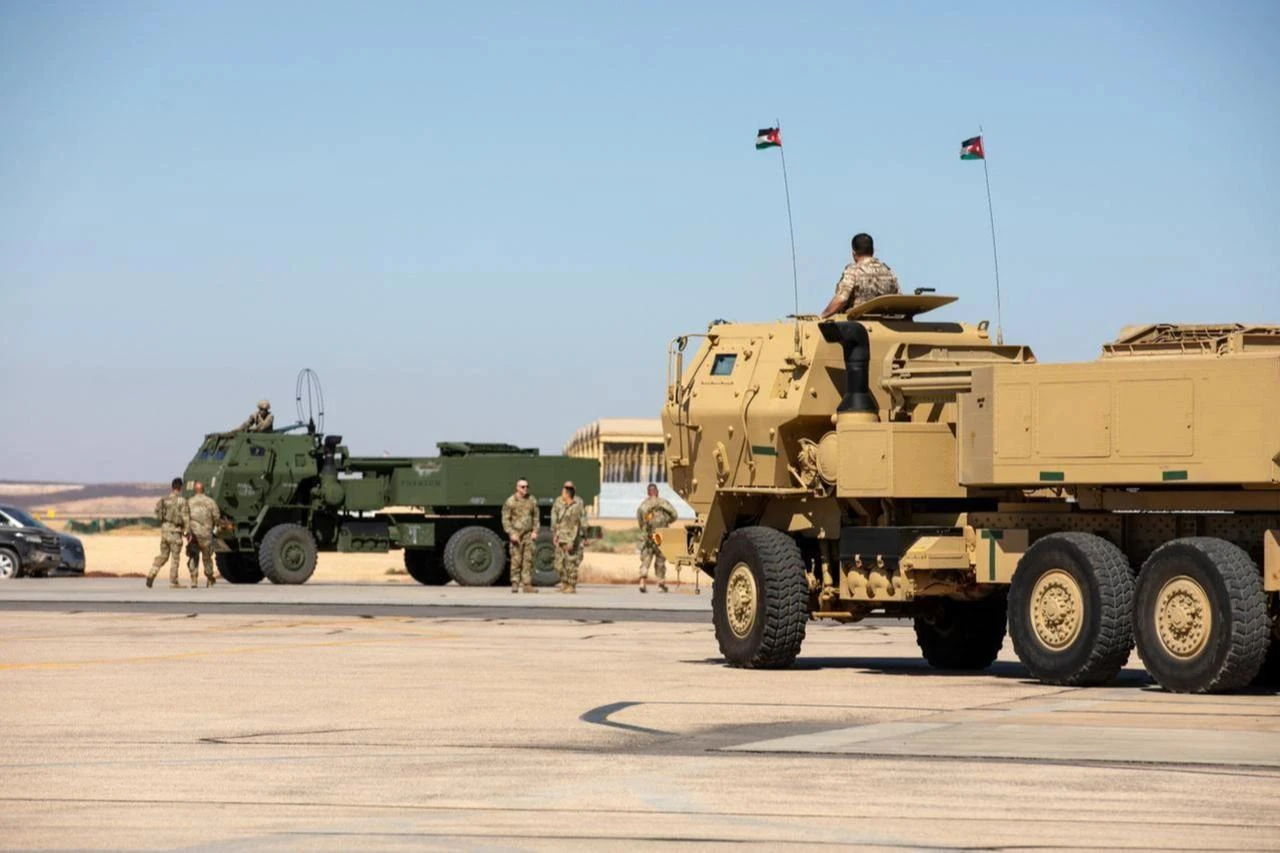
"We lost people in Jordan after there was a strike. A missile got through. We shot down almost all the missiles. One leaked through, hit the wrong place, and tragically... our hearts go out to the families of the heroes that paid the ultimate price," he said.
Regarding a U.S. service member killed Saturday in Iraq, Rubio said the death was unrelated to combat, occurring during a controlled detonation of unexploded ordnance from a downed Iranian drone.
"Nothing the military does is safe. It's all inherently dangerous. And we're just grateful to have such heroic Americans in uniform in service of our country," Rubio said.
Asked about Trump's proposal to charge a 20% toll on cargo transiting the strait, Rubio said the president's underlying point was that the U.S. is effectively subsidizing global shipping security at no cost to the countries benefiting from it.
"Virtually none of those vessels are flagged U.S. Almost none of those vessels are delivering cargo or fuel to the United States," he said.
"At some point, the countries and the nations benefitting from shipping through the straits should be able to step forward and provide at least financial assistance to the cost of providing this very valuable service," Rubio added.
He said some Gulf countries had already committed to related investments in the U.S., with more expected, though he noted such commitments depend on those countries' oil and gas reaching international markets.
Asked about a planned visit by Chinese President Xi Jinping around Sept. 24, Rubio said the trip remained on track despite Trump's recent claims of Chinese election interference.
"I have no reason to believe that they won't be coming," he said, adding that Washington and Beijing needed to maintain dialogue despite periodic "irritants."
Asked whether he might meet Chinese or Russian officials at the ASEAN summit, Rubio said such meetings had not been finalized but that he would be open to meeting them, declining to say whether Trump's election-interference claims would be raised.
On Venezuela, Rubio said the U.S. had committed more than $180 million toward earthquake reconstruction efforts, with more expected, and welcomed a recent agreement between representatives of Venezuela's last democratically elected 2015 National Assembly and the interim government to begin transition talks, with formal negotiations expected to start in early August.
On the issue of Lebanon, Rubio said he held a "very positive" meeting with Lebanese President Joseph Aoun, saying Lebanon's path forward depends on strengthening a government capable of being the country's sole legitimate armed authority, rather than Hezbollah.
"How do you defeat Hezbollah? How do you replace Hezbollah? You defeat and replace them with a government that is strong enough to be the sole force of arms in the country," Rubio said, adding that discussions also touched on attracting U.S. and international investment to Lebanon and potentially restarting direct U.S.-Lebanon flights.


 Set as preferred source
 Set as preferred source


 1 min read
 1 min read