Newsletters




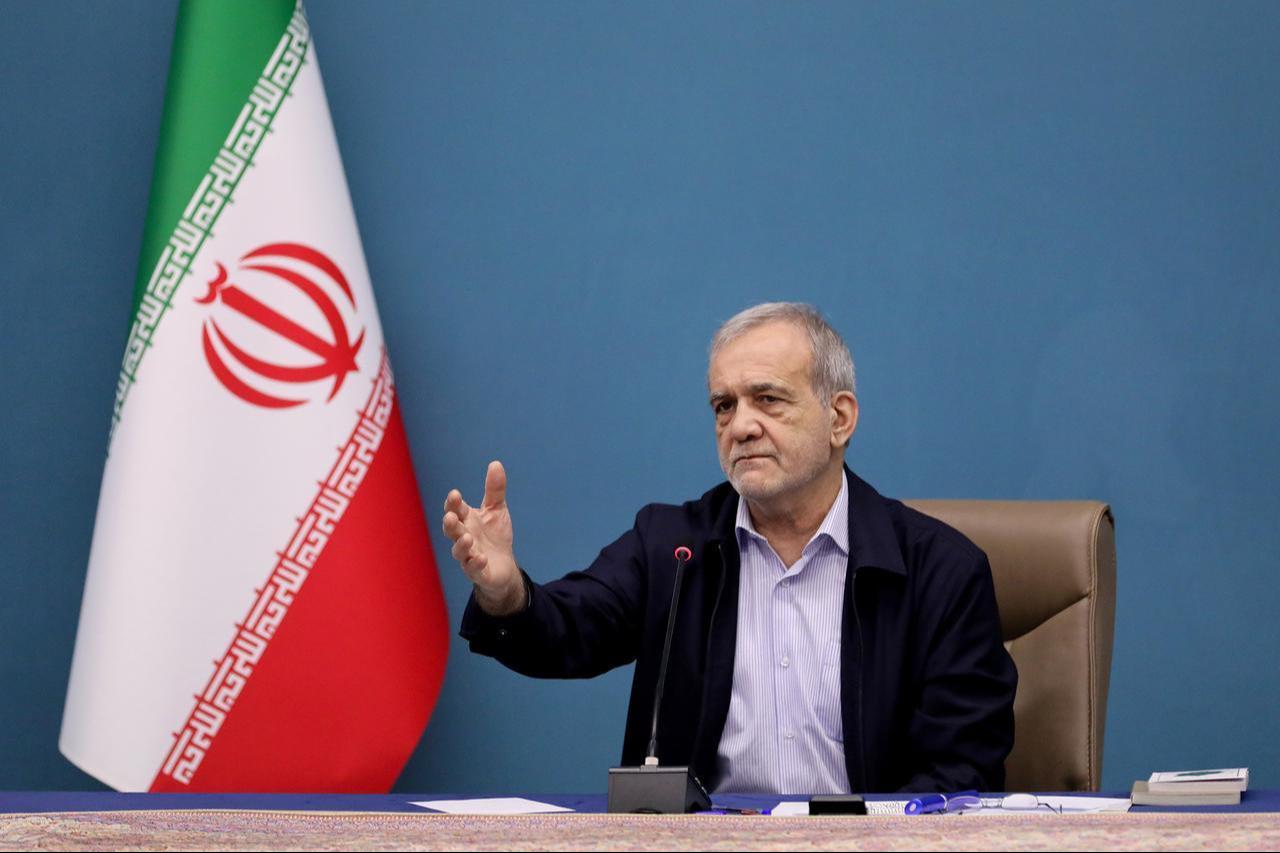
Iranian President Masoud Pezeshkian stated Friday that "some countries have begun mediation efforts," in the first public signal from Tehran of potential diplomatic movement since the U.S.-Israeli military campaign began a week ago, on Feb. 28.
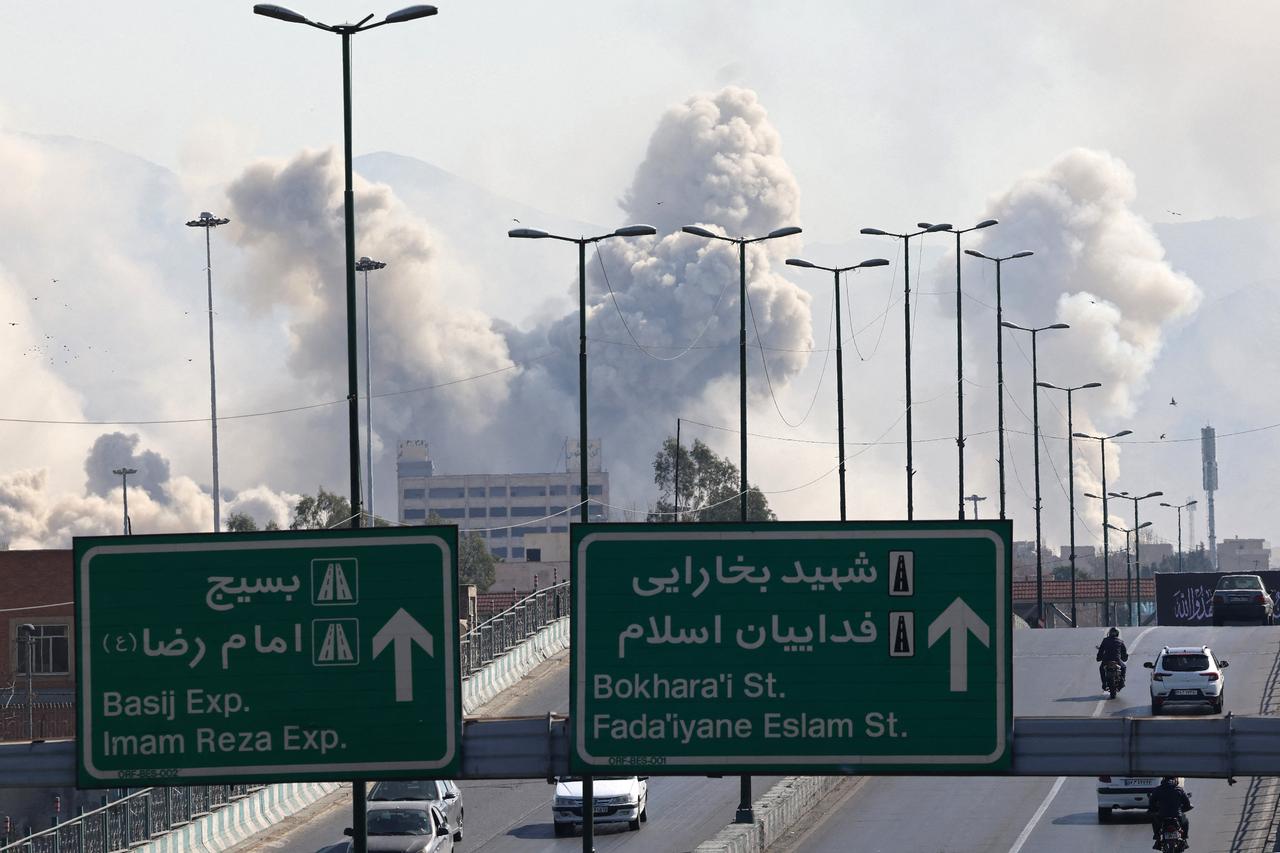
Residents of the Iranian capital, Tehran, who spoke toCNN, also described the most intense night of airstrikes since the war started.
 Breaking News, Direct to You.
 Follow Türkiye Today on WhatsApp
for real-time updates and key insights from Türkiye and beyond.
Follow Türkiye Today on WhatsApp
for real-time updates and key insights from Türkiye and beyond.
"Some countries have begun mediation efforts. Let's be clear: we are committed to lasting peace in the region yet we have no hesitation in defending our nation's dignity and sovereignty," Pezeshkian posted on X.
"Mediation should address those who underestimated the Iranian people and ignited this conflict," he added.
Pezeshkian did not identify which countries were involved in mediation or provide details on the nature of the contacts.

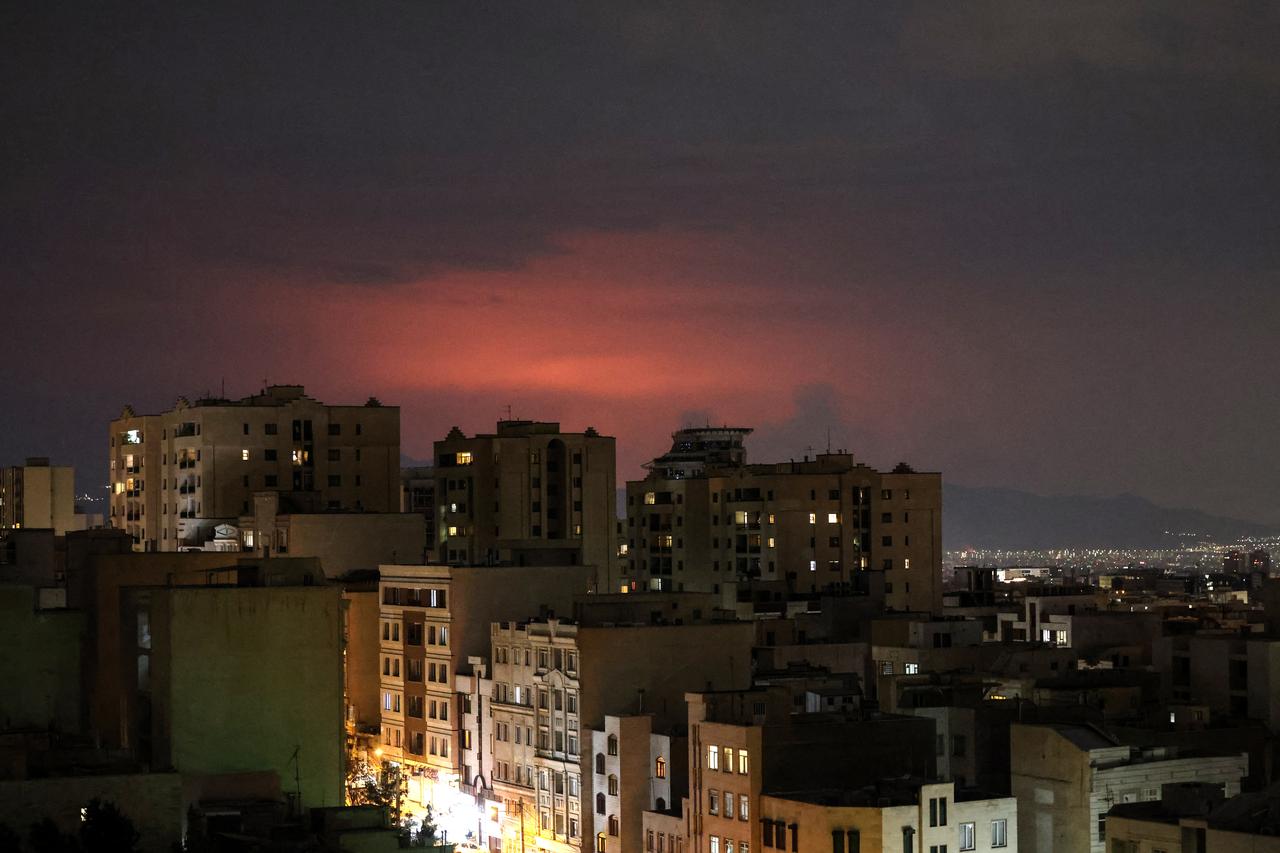
Residents in Tehran described terror and panic following what they felt was the most intense night of bombing since the conflict erupted.
"It was very late at night. People were panicking. But some were watching the jets from the windows, as if they had come to the movies," one Tehran resident told CNN.
"There are no warnings. I've been sheltering in a parking garage because my apartment building doesn't have a basement. We've been stocking canned food, water supplies, and flashlights in case power is out," the resident said, adding that people were "happy police stations are being hit" while police still checked car trunks at toll booths for those trying to leave the capital.
Another resident said she was woken by "sounds of jets and bombs." She called it "the worst night I've felt since this war started. It was more intense than anything I've ever felt before."
A 28-year-old man living in Tehran said residents were already "sensitive to sounds and get startled easily" after last summer's 12-day war with Israel. "I heard that plane, the jet, the sound was so long, so loud it was really strange," he said.
U.N. human rights chief Volker Turk said Friday the world "urgently needs" to contain the Middle East escalation, warning that instead of de-escalation, the world was witnessing "more inflammatory, bellicose rhetoric, more bombings, more destruction, killings, and escalation that fuels it further."
"The messages are, de-escalate. Go back to the negotiating table and find a way not to use methods of war and military-type actions as your means of achieving something," Turk said at a press briefing in Geneva.
"It's never going to work," he added.
He highlighted reports of the attack on a school, saying "this is clearly a civilian institution that should never be attacked," and called for "prompt, transparent, and impartial investigations."


 Set as preferred source
 Set as preferred source


 3 min read