Newsletters





Türkiye is actively working to broker a ceasefire and create space for U.S.-Iran negotiations, engaging a broad coalition of European, Gulf and regional actors to counterbalance Israeli influence over Trump's endgame, sources told Middle East Eye (MEE).
A U.S. delegation, including Steve Witkoff and Jared Kushner, is expected to arrive in Pakistan within days, though Tehran remains "still not ready" to negotiate due to deep mistrust, Pakistani Foreign Ministry sources told Türkiye's state-run Anadolu Agency (AA).
 Breaking News, Direct to You.
 Follow Türkiye Today on WhatsApp
for real-time updates and key insights from Türkiye and beyond.
Follow Türkiye Today on WhatsApp
for real-time updates and key insights from Türkiye and beyond.
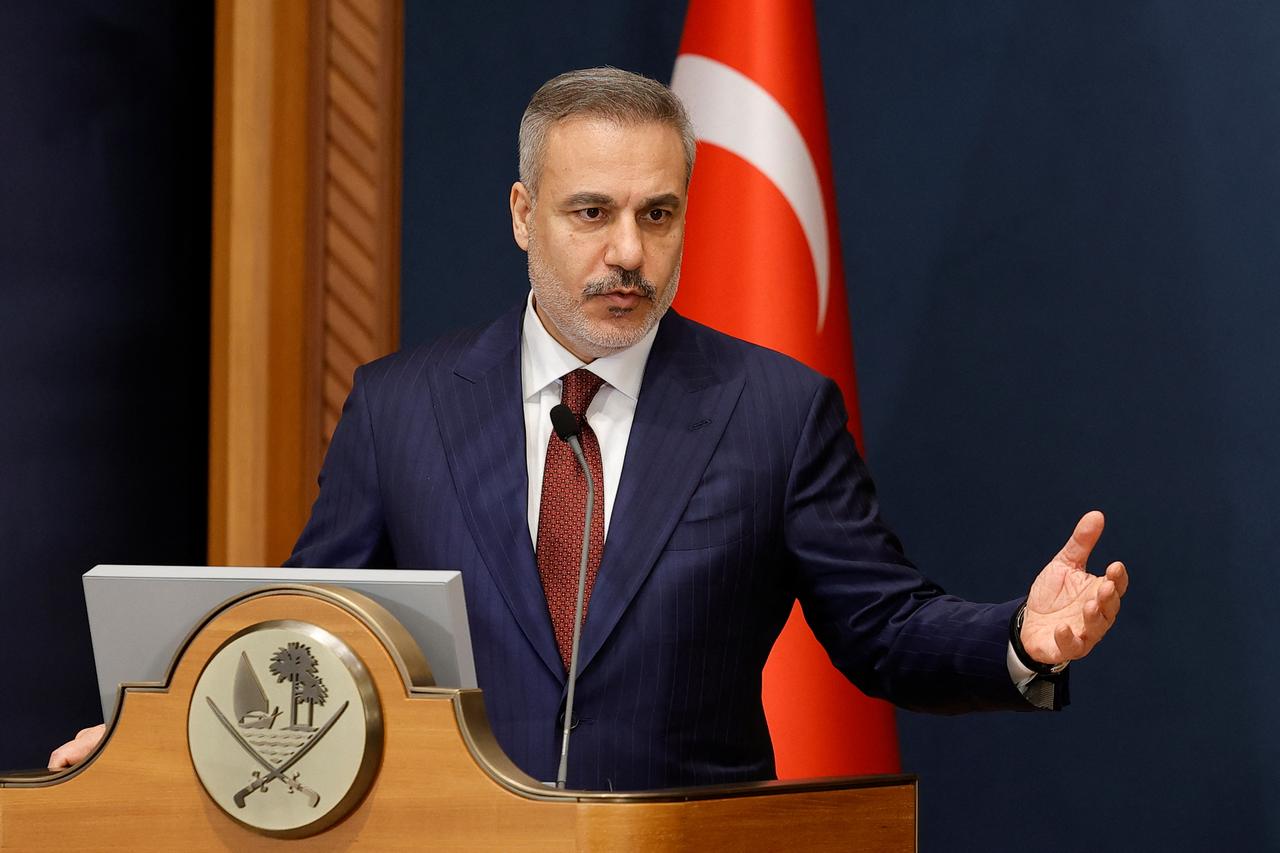
On Sunday, Turkish Foreign Minister Hakan Fidan held a series of phone calls with his Iranian, Egyptian, European and senior U.S. counterparts, including possibly Witkoff and Kushner, to discuss steps toward ending the conflict, sources in the Turkish Foreign Ministry told Middle East Eye.
Later the same day, Fidan held further discussions with his Saudi, Qatari, Iraqi and Pakistani counterparts, "evaluating initiatives" to halt the fighting.
A Turkish source told MEE that "Ankara is attempting to build a unified front in negotiations to counterbalance Israeli influence, working with European, Gulf and other regional actors."
The source added that "Iranian threats against Gulf energy infrastructure and desalination plants have alarmed countries across the region, creating an opportunity to reassess the situation."
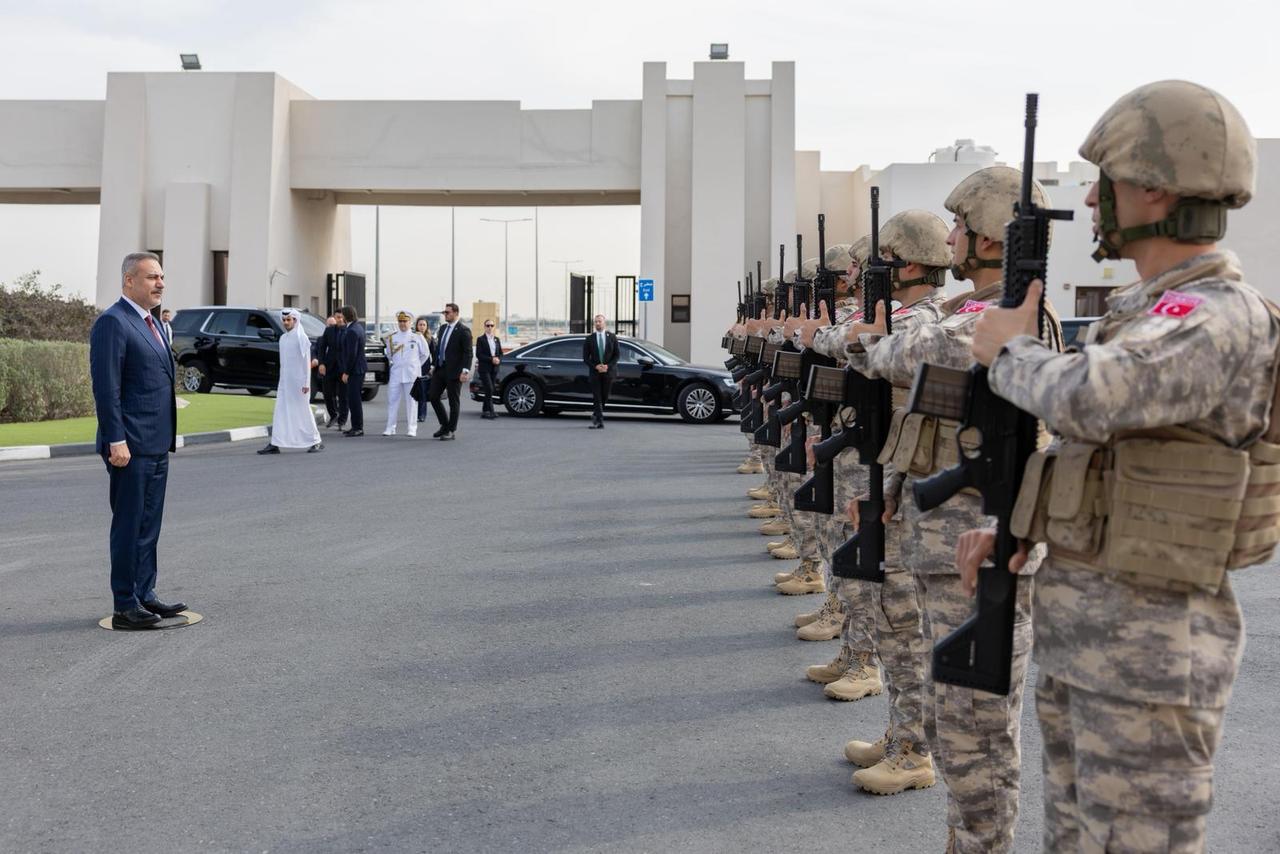

Fidan recently stated that Israel may pursue a policy of prolonging the war and inflicting greater damage on Iran, warning that Netanyahu could act as a spoiler in any peace effort.
"Israel may adopt a policy of prolonging the war as much as possible in order to inflict greater damage on Iran," the Turkish foreign minister added.
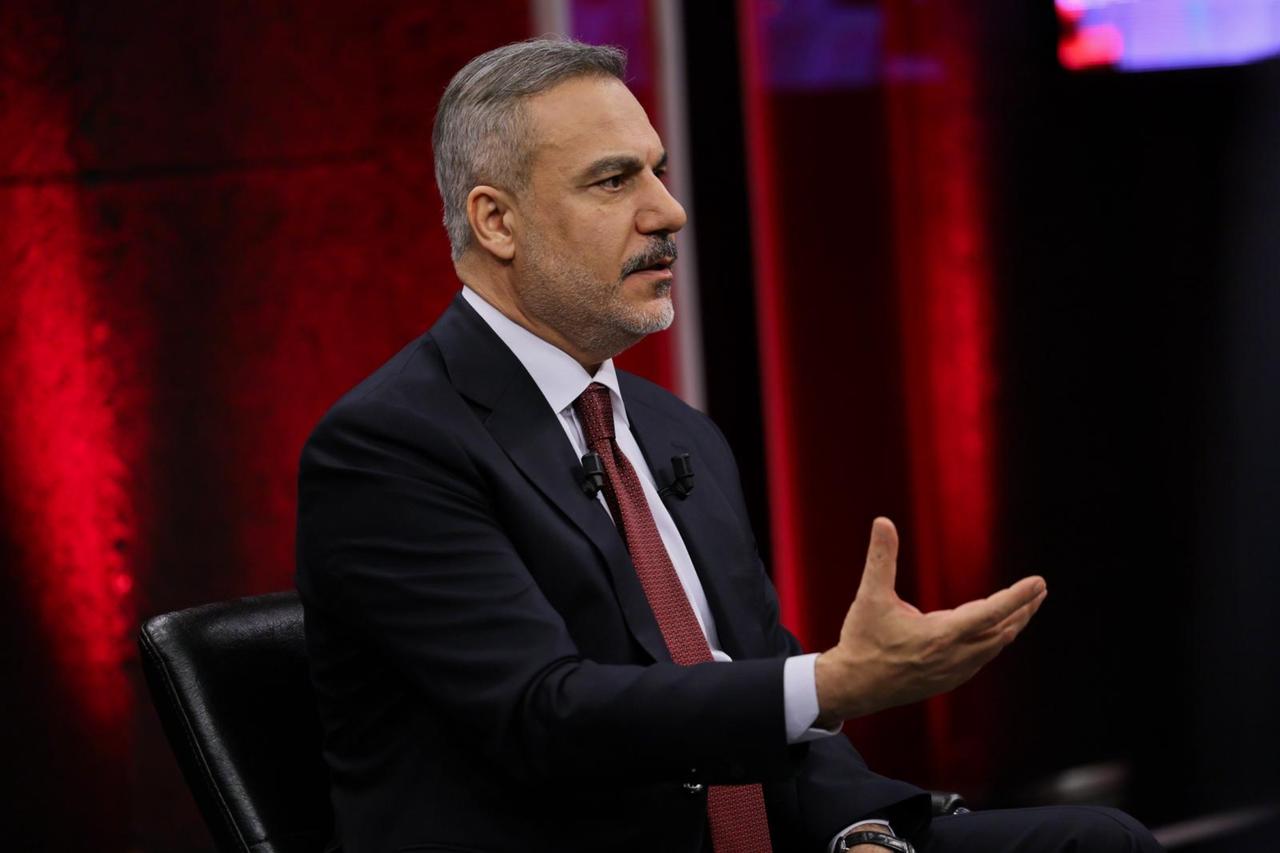
"Israel will try to influence the U.S. and will seek to prevent a ceasefire or the achievement of peace in the near term. There has been a growing assessment that the U.S. and Israel's initial positions are drifting apart. This, in turn, could lead to a longer war," he noted.
"After the war ends, Gulf countries may clearly set out their expectations of Iran, and if certain conditions are met, the focus could shift to economic cooperation. Iran, too, may come forward with certain demands regarding U.S. bases in the Gulf," Fidan said.
 1 min read
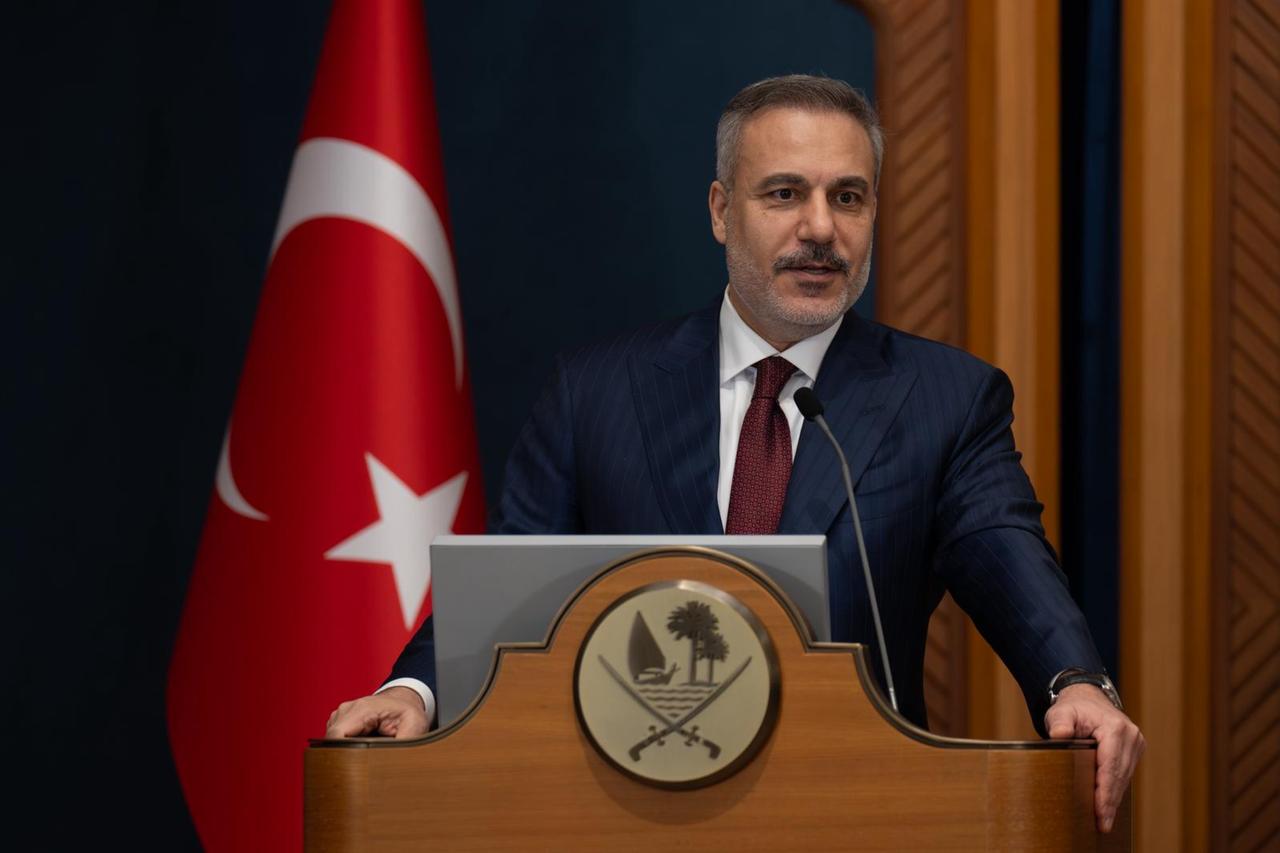
"We see that confidence in Türkiye has increased after this war. From the very beginning, we did not adopt an ambiguous stance. Everyone sees that we have clearly told all sides what was wrong. We have raised, in the strongest and clearest terms, that what was done to Iran and what was done to the Gulf countries were both wrong," he stated.
Ankara insiders remain pessimistic about prospects for a lasting agreement, doubting Israel would accept any long-term commitment not to strike Iran.
Trump's demand for zero uranium enrichment also remains a major obstacle.
One possible path forward, sources said, could involve Trump's proposal to include Russia as a guarantor in negotiations over Iran's nuclear program, particularly as Washington no longer views Oman as a viable venue for talks.
"Trump could declare victory at any time. But the Israelis appear determined to continue the attacks," a Turkish source said.
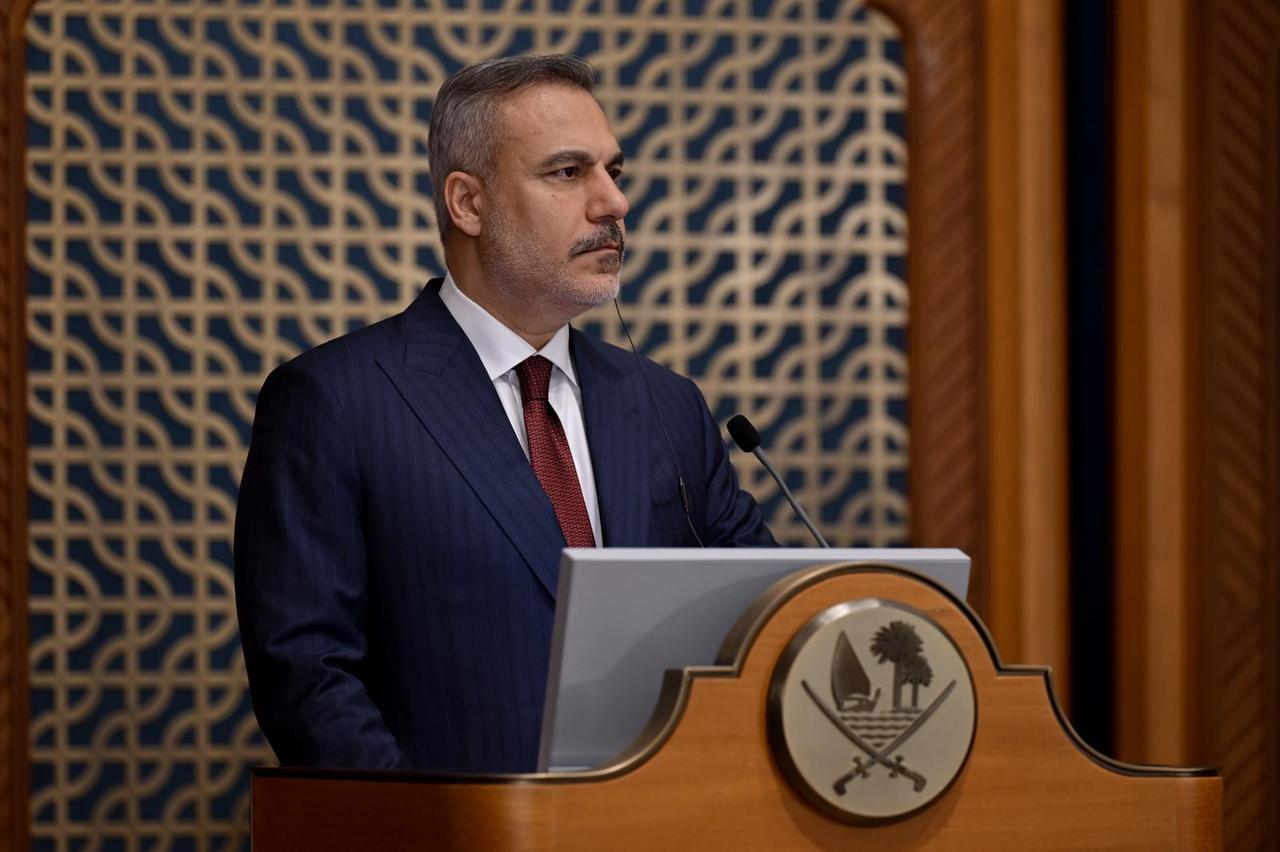
According to the Turkish source, Iran has two main demands: guarantees against future attacks and compensation for its losses.
One possible solution would be to allow Iran access to funds from its oil trade, potentially helping ensure free flow through the Strait of Hormuz. The Trump administration recently lifted sanctions on 140 million barrels of Iranian oil, freeing up an estimated $14 billion in trade.
"Some Gulf states, including the UAE and to a lesser extent Saudi Arabia, insist that Iran must not be able to impose a future chokehold on the Strait of Hormuz," the source added.

A U.S. delegation is arriving in Pakistan "in a day or two" for possible talks to end the Iran war, sources in Pakistan's Foreign Ministry confirmed to AA.
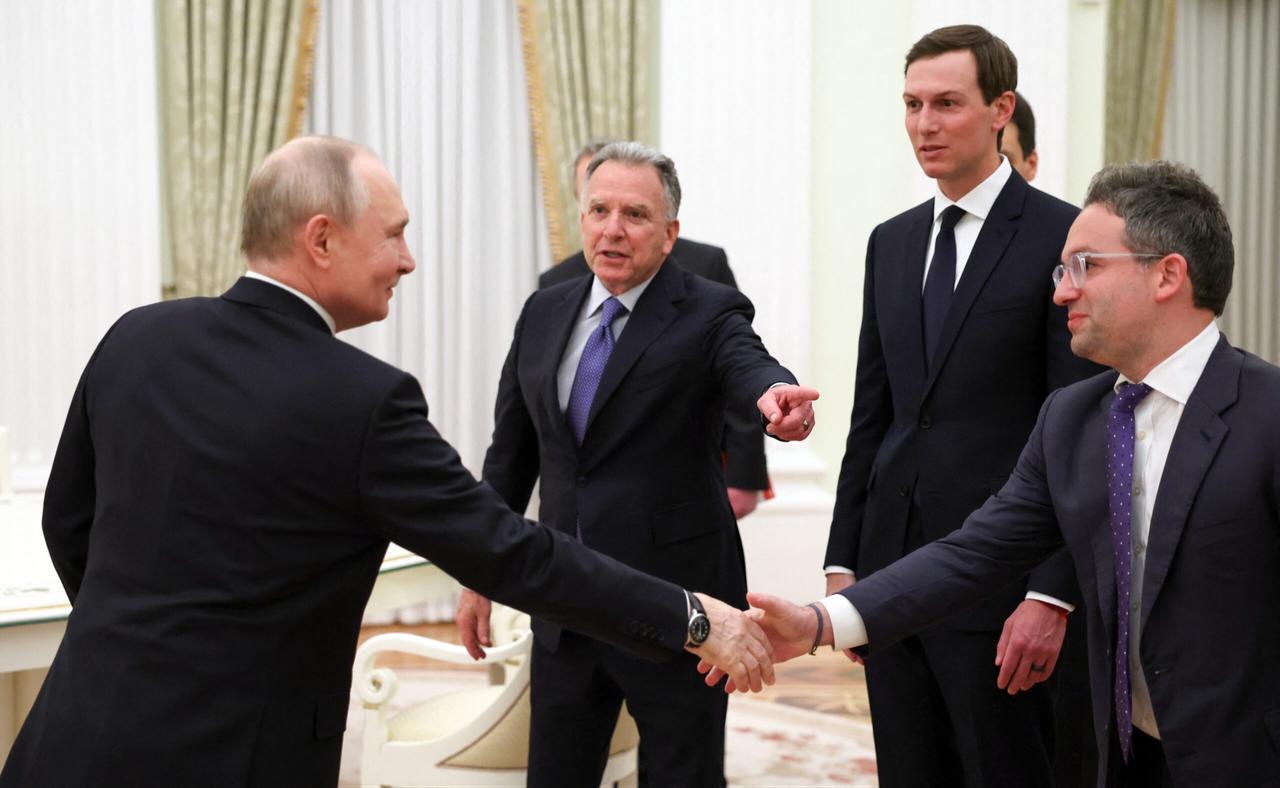
The delegation is likely to include Witkoff and Kushner.
However, Tehran is "still not ready" to hold talks with Washington due to mistrust. "Efforts are underway through back-channel diplomacy to persuade Iran to come to the negotiations," a Pakistani Foreign Ministry source said, adding that Pakistan, Türkiye and Egypt "are jointly facilitating the effort."
Pakistani Prime Minister Shehbaz Sharif spoke to Iranian President Masoud Pezeshkian by telephone on Monday in an "attempt to court Tehran."
Pakistani Army Chief General Asim Munir also spoke to Trump on Sunday about the ongoing war on Iran, the Financial Times (FT) reported.
Pakistan has proposed Islamabad as a potential venue for a summit between senior Trump administration officials and Iranian officials.
Iranian Foreign Ministry spokesman Esmaeil Baqaei recently said messages had been conveyed through "friendly countries" indicating a U.S. request for negotiations, and that Iran responded in line with its "principled positions."
Regional escalation has continued since the U.S. and Israel launched a joint offensive on Iran on Feb. 28, killing over 1,340 people, including then-Supreme Leader Ali Khamenei.
Iran has retaliated with drone and missile strikes targeting Israel, Jordan, Iraq and Gulf countries hosting U.S. military assets.


 Set as preferred source
 Set as preferred source


 1 min read