Newsletters


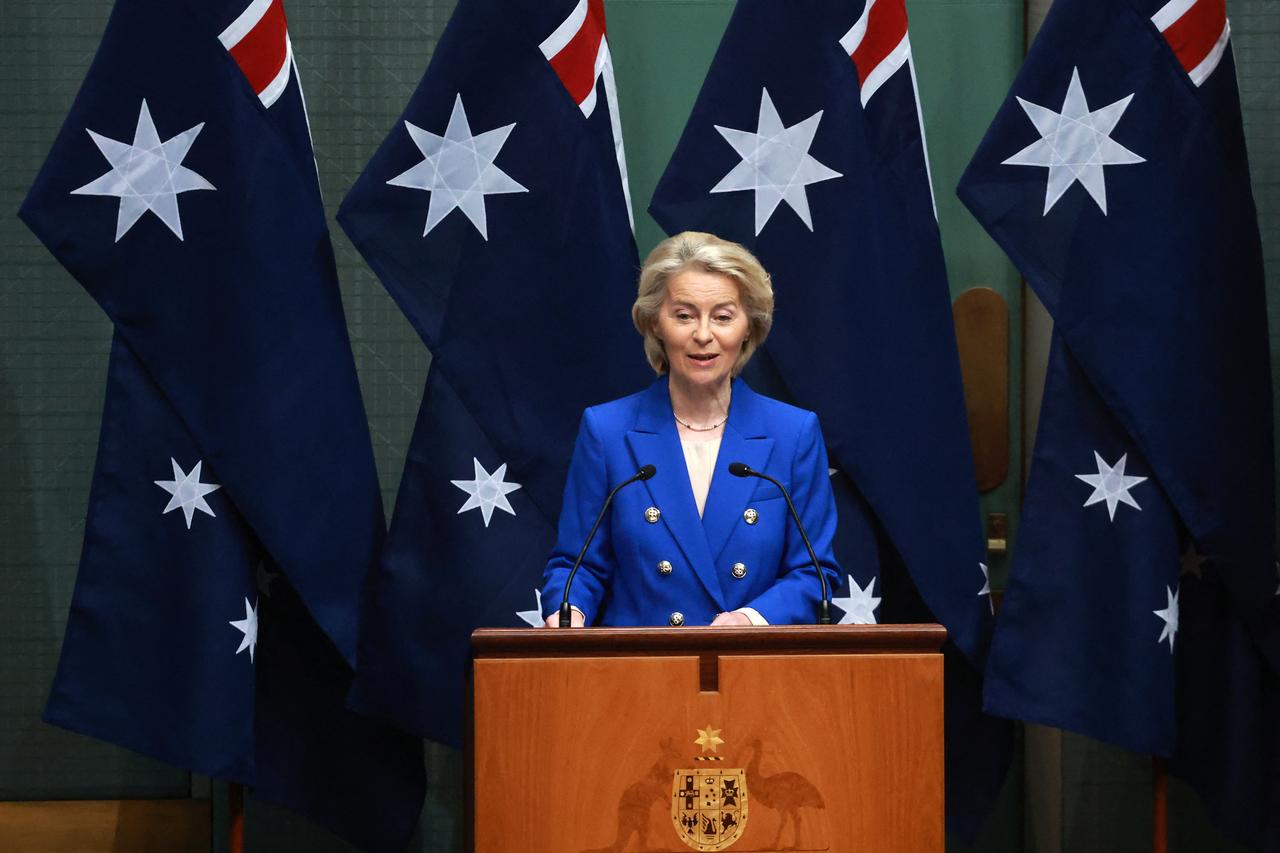


European Commission President Ursula von der Leyen called for renewed negotiations with Iran to end ongoing conflicts in the Middle East, warning of rising global energy pressures, according to statements made in Canberra.
Von der Leyen said it is time to return to the negotiating table with Iran and bring an end to the conflict in the Middle East, emphasizing the growing impact on global energy supply routes.
“We think it is time to return to the negotiating table and end the conflicts,” she said during a joint press conference with Australian Prime Minister Anthony Albanese in Canberra.
She noted that the situation in the Middle East has reached a critical point for global energy supply routes.
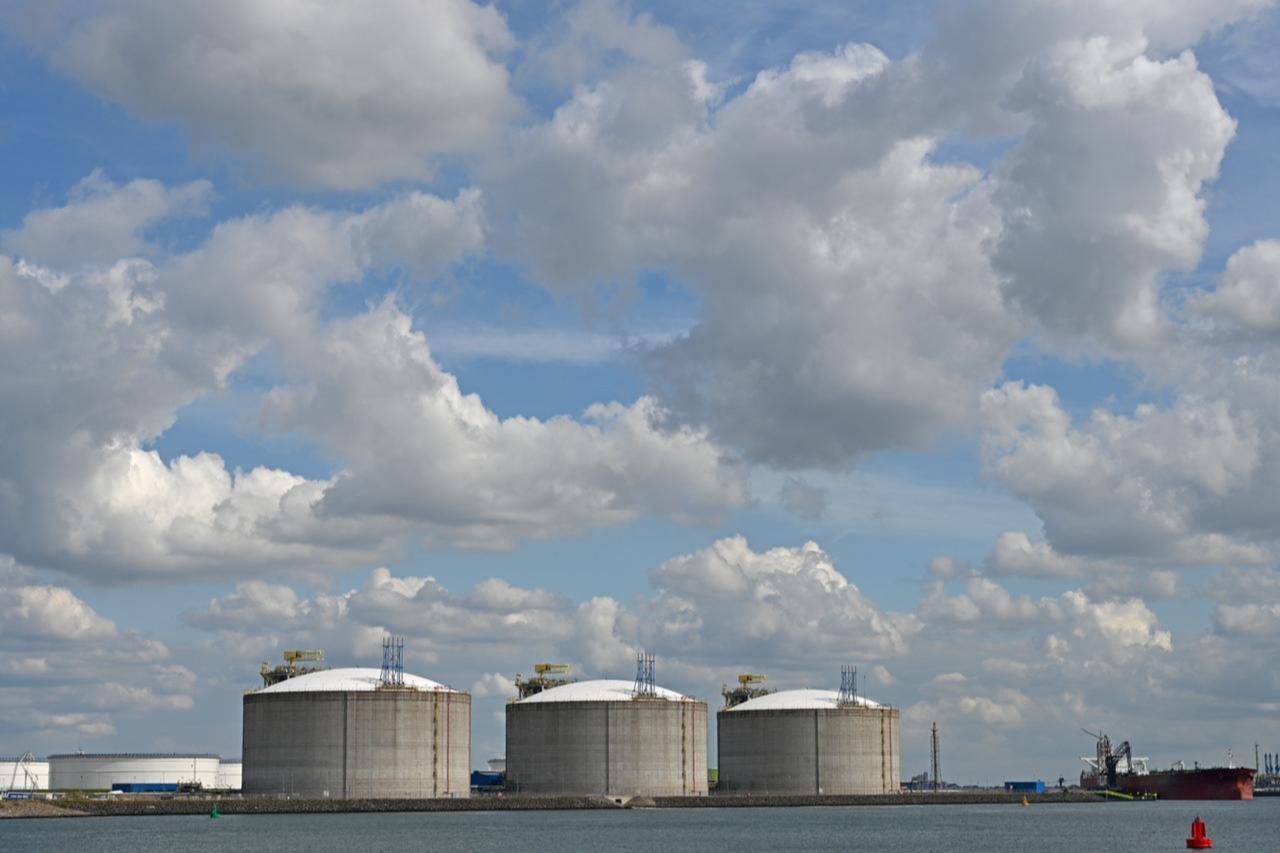
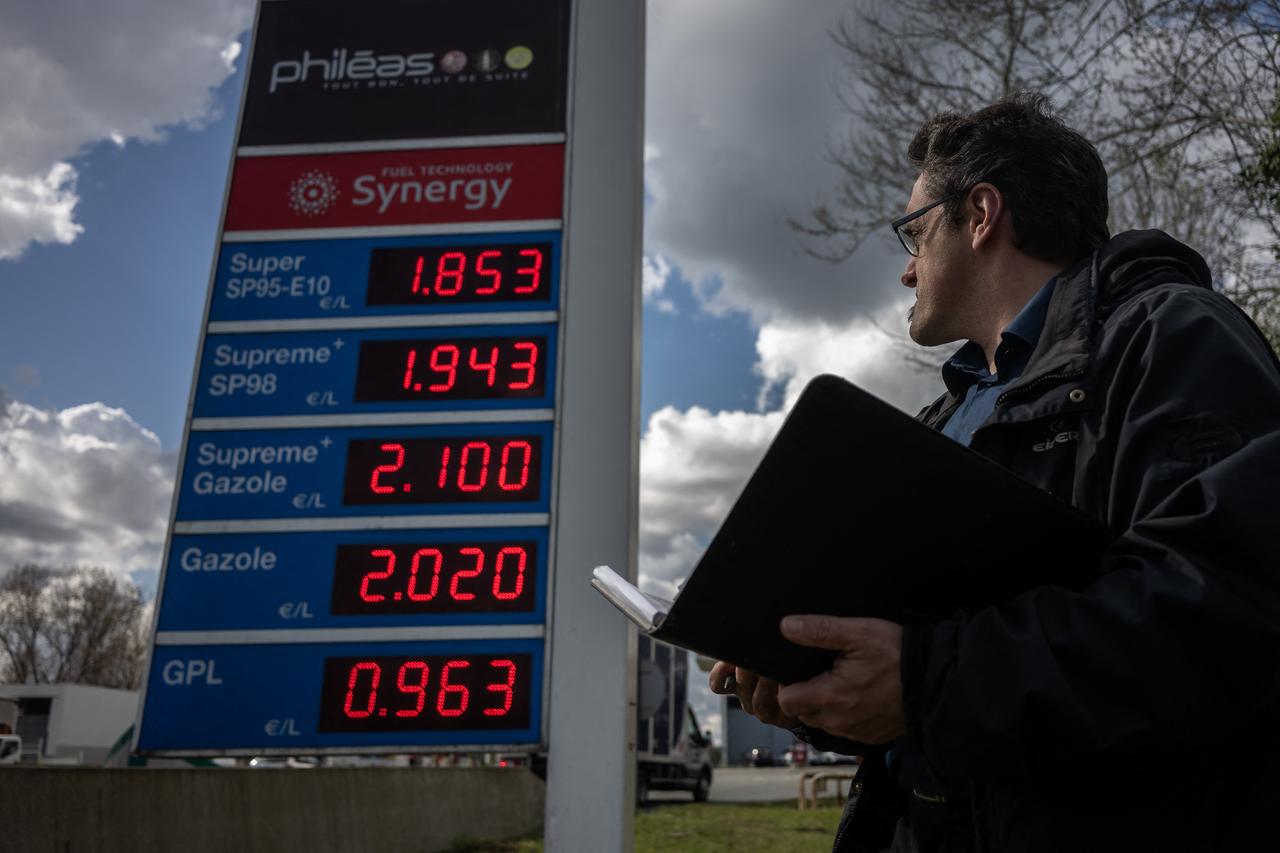
Von der Leyen also highlighted the broader economic consequences, pointing to rising natural gas and oil prices and their ripple effects.
“We all feel the chain effects of rising natural gas and oil prices. This affects our businesses and our societies,” she said, adding that reaching a negotiated solution remains the most important priority.
Von der Leyen expressed deep concern over Iran’s actions, including attacks on Gulf countries and the effective closure of the Strait of Hormuz.
“I am deeply concerned about this conflict,” she said, calling on Iran to immediately halt actions that obstruct maritime traffic.
“Iran must immediately stop laying mines, drone and missile attacks, and other attempts to block commercial shipping,” she said.
She added that attacks on unarmed commercial vessels and civilian infrastructure, including oil and gas facilities, are unacceptable and must be condemned.
Von der Leyen stressed that freedom of navigation is a fundamental principle of international law.
Responding to a question about a possible EU role in the Strait of Hormuz, she said EU leaders have indicated that a mission or operation could be considered once hostilities end, while noting that decisions on capacity deployment are not within her remit.
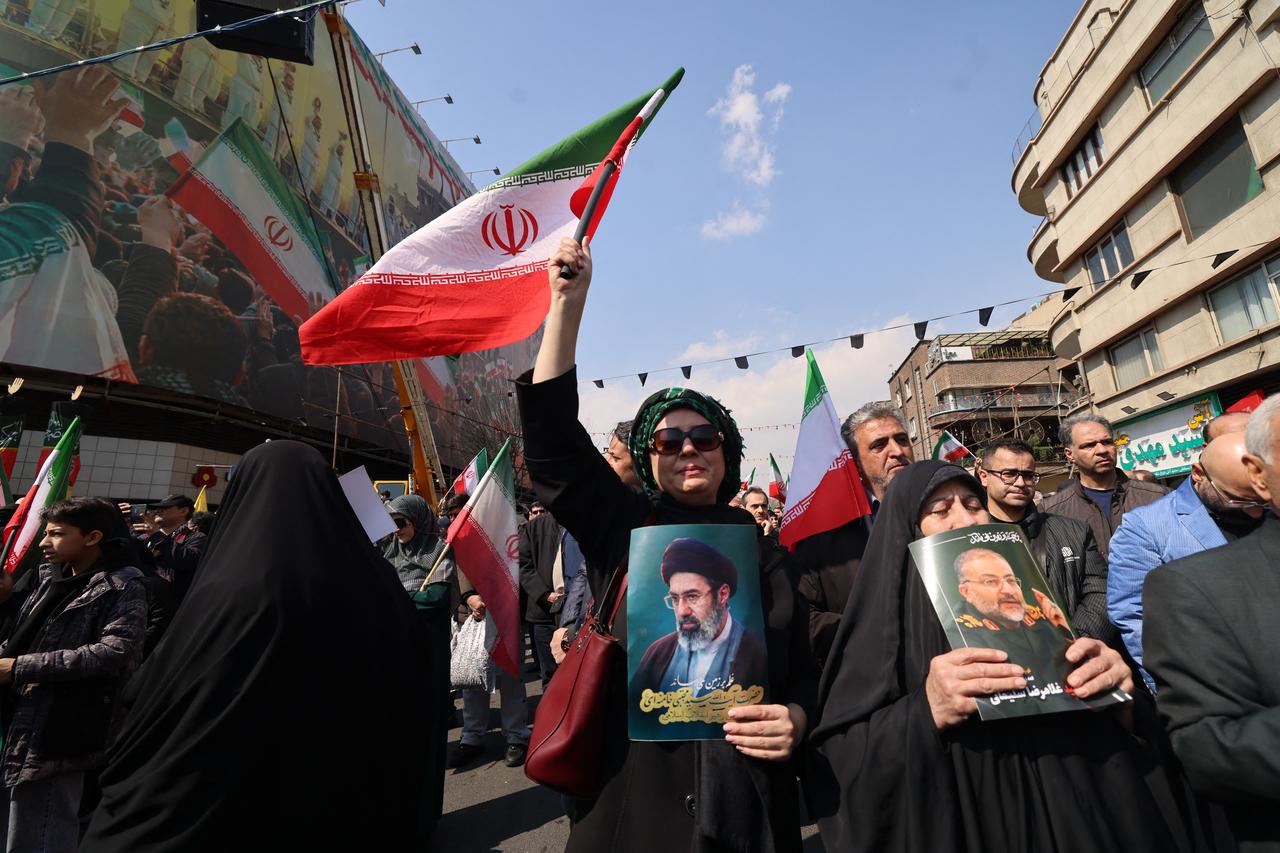

Israel and the U.S. launched military strikes against Iran on Feb. 28 while negotiations between Tehran and Washington were ongoing.
Iran responded by targeting Israel as well as locations in regional countries hosting U.S. bases, including Qatar, the United Arab Emirates and Bahrain.
According to Iranian officials, the U.S.-Israel attacks have resulted in more than 1,348 deaths and over 17,000 injuries.


 Set as preferred source
 Set as preferred source


 1 min read
 1 min read