Newsletters




The global energy landscape is likely to be redrawn within the next two to three years as countries rethink supply security, trade routes and strategic partnerships following disruptions linked to the Strait of Hormuz, International Energy Agency (IEA) Executive Director Fatih Birol said on Thursday.
Speaking at the Turkish Industry and Business Association's (TUSIAD) High Advisory Council meeting in Istanbul, Birol argued that the recent crisis has triggered changes that extend well beyond energy markets and could reshape geopolitical balances worldwide.
"Regardless of how the Hormuz issue ends, I believe the world's energy map will begin to be redrawn within the next two to three years. Partnerships will be redefined. New partnerships will emerge," he said.
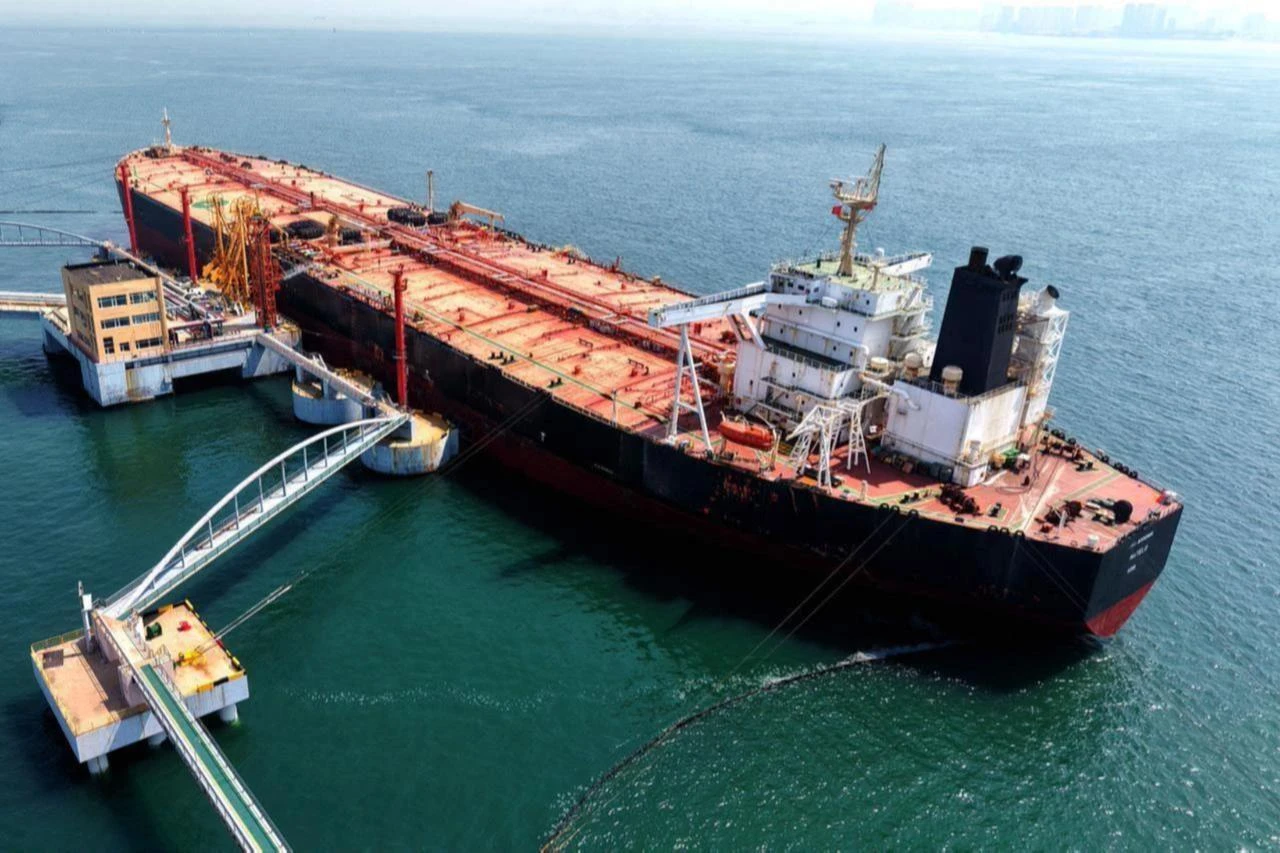
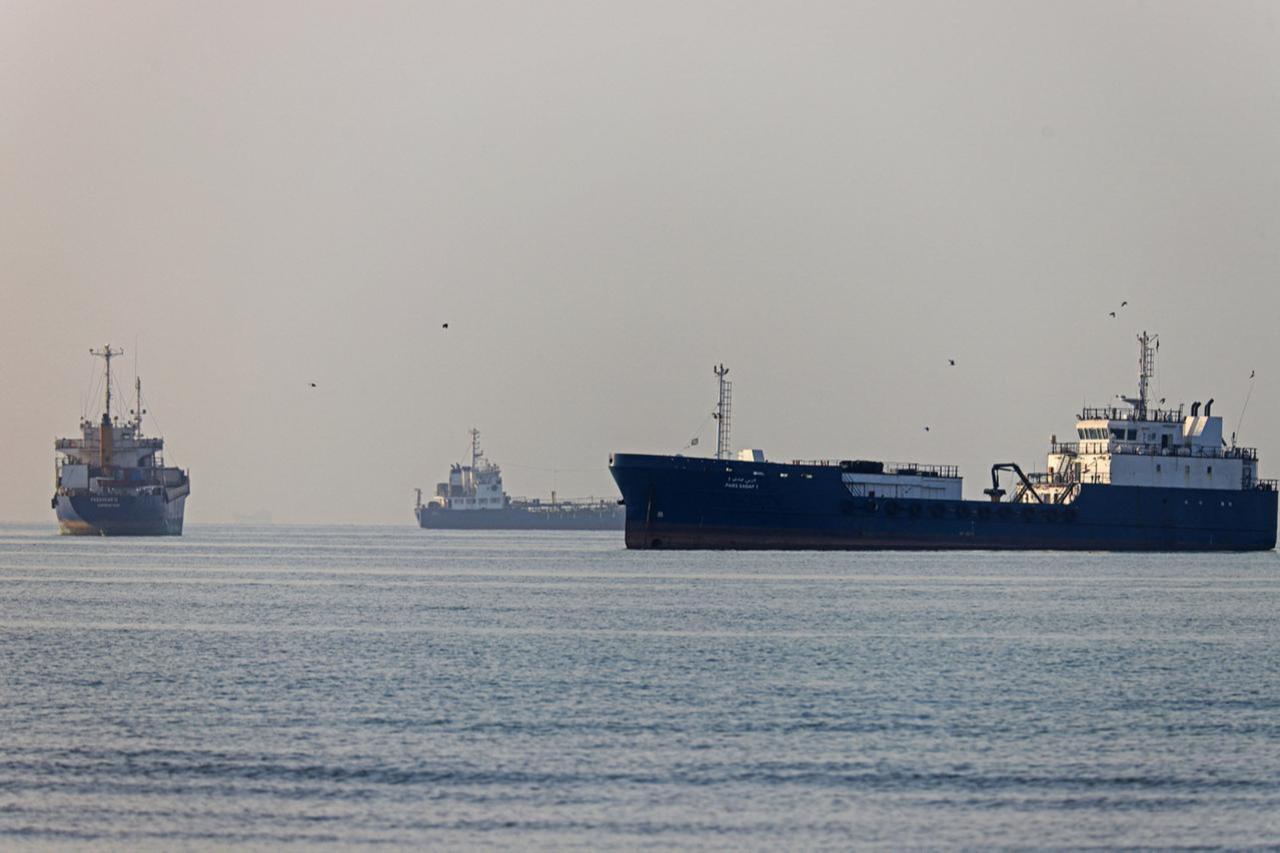
The comments come as markets continue to assess disruptions stemming from the U.S.-Israel-Iran conflict and concerns over energy flows through the Strait of Hormuz, which typically handles around one-fifth of global oil shipments.
Despite a memorandum of understanding signed by the U.S. and Iran this week to ensure the reopening of the key waterway, uncertainty persists for shipping companies and oil producers as security arrangements, including mine-sweeping operations, have yet to be finalized.
Birol noted that strong oil inventories and ample supplies before the conflict helped limit a sharper rise in energy prices, but stressed that restoring confidence remains critical.
"The only and most important solution is the unconditional reopening of the Strait of Hormuz in a way that all actors believe it is safe," he said.
Uncertainty over future energy flows has already prompted countries to review their energy strategies, diversify supply sources and strengthen energy security, according to Birol.
The crisis is also pushing regional states to explore alternative pipeline routes while encouraging some countries to revisit domestic fossil fuel resources and redirect investments.
Recent disruptions have exposed the vulnerability of major global energy corridors, he argued.
"Not only energy markets, but geopolitical balances and trade routes will change as well," Birol said, noting that two major arteries of global energy trade, Russian pipeline routes to Europe and the Strait of Hormuz, have effectively been shut down in recent years.

As countries place greater emphasis on energy security, Birol asserted that electrification will accelerate across the global economy, supported by advances in renewable energy, nuclear power, and battery storage technologies.
"Global energy demand is growing rapidly, but electricity demand is increasing three times faster," he indicated.
Comparing the current situation to previous energy crises that reshaped energy systems and investment patterns, Birol argued that the latest disruption would also leave a lasting mark on global markets.
"This crisis, like earlier ones, will contribute to drawing a new energy map for the world," he added.
Turning to COP31, the United Nations climate summit that Türkiye is set to host this year, Birol outlined three key priorities: raising the global electrification rate from 25% to 35% by 2035, cutting waste volumes by half within a decade through zero-waste initiatives, and supporting cleaner cooking solutions in Africa to reduce health risks.
Türkiye will focus on all three goals during the summit, he noted, describing COP31 as a major opportunity to highlight the country's humanitarian priorities and bring climate issues back to the forefront of the international agenda.
Birol also predicted continued growth in electricity production and consumption as countries adapt to a changing global energy landscape.


 Set as preferred source
 Set as preferred source


 1 min read
 1 min read