Newsletters





Iran's Deputy Foreign Minister Saeed Khatibzadeh told CNN exclusively on Sunday that U.S. President Trump has crossed "a very dangerous red line" by killing Supreme Leader Ayatollah Ali Khamenei.
He warned that Shiite followers worldwide "will react," as National Security Council Secretary Ali Larijani insisted Tehran is targeting only U.S. bases, not the Arab countries hosting them.
"Of course, from a religious aspect, he was a great religious leader, so many of his Shiite followers across the region and around the world are going to react to that, and this is very obvious because President Trump passed a very dangerous red line," Khatibzadeh told CNN.
"We have no option but to respond," he added.

Khatibzadeh said Iran had communicated with Gulf Arab states to shut down U.S. bases that Tehran considers a threat.
"We communicated with them: either shut down those American bases that are constantly threatening Iran and are constantly being used to attack Iran, or we have no option but to push back," he stated.
Iran "cannot reach out to American soil, so we have no option but to attack any bases that are under U.S. jurisdiction," Khatibzadeh added.
Asked whether diplomacy remains an option, the deputy foreign minister said the U.S. has "disappointed" Iran several times, and there was "no necessity to start this aggression."
"If President Trump didn't want to see Iran hitting back, President Trump should not have started this war from the beginning," he said, adding that, "It was a war of choice."
Larijani addressed Gulf countries directly on X, saying, "We do not intend to attack the countries of the region.
But when the bases in your country are used against us, and the U.S. conducts attacks from the region with these forces, we will target those bases. Because these bases are not the territory of the countries of the region, they are the territory of the United States."
Larijani revealed that Iran had warned the U.S. through the Swiss embassy—which handles American interests in Iran—that "if you attack this time, we will hit your bases."
"We had many casualties in the previous war, but yesterday the number of our martyrs was very small," Larijani claimed.
"The armed forces, with experience from the previous war, are in control," he added.
Iran's Foreign Relations Strategic Council issued a similar statement, saying, "What is unfortunate is that despite regional countries declaring they would not allow their territories to be used against Iran, they were unable to prevent the attacks because they do not have control over U.S. bases."
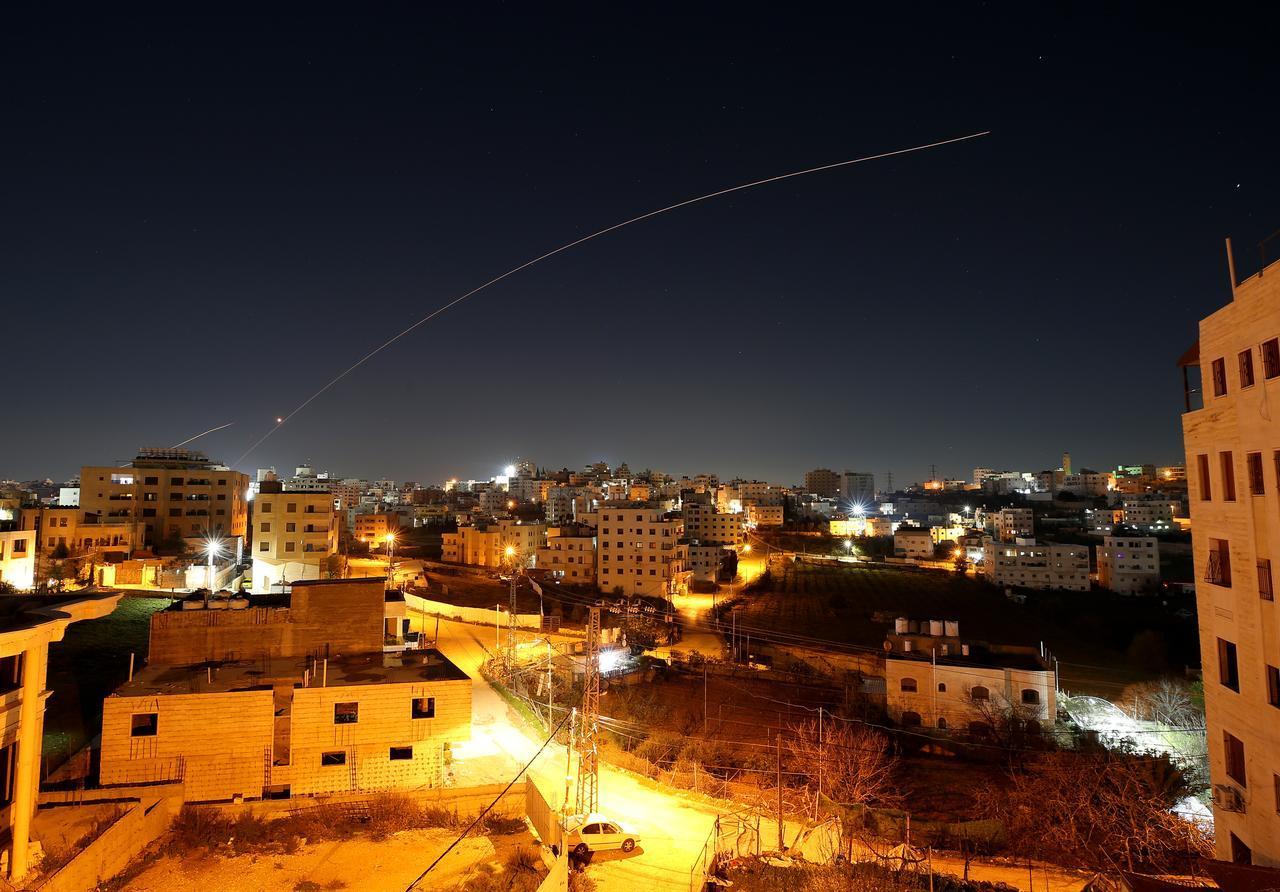
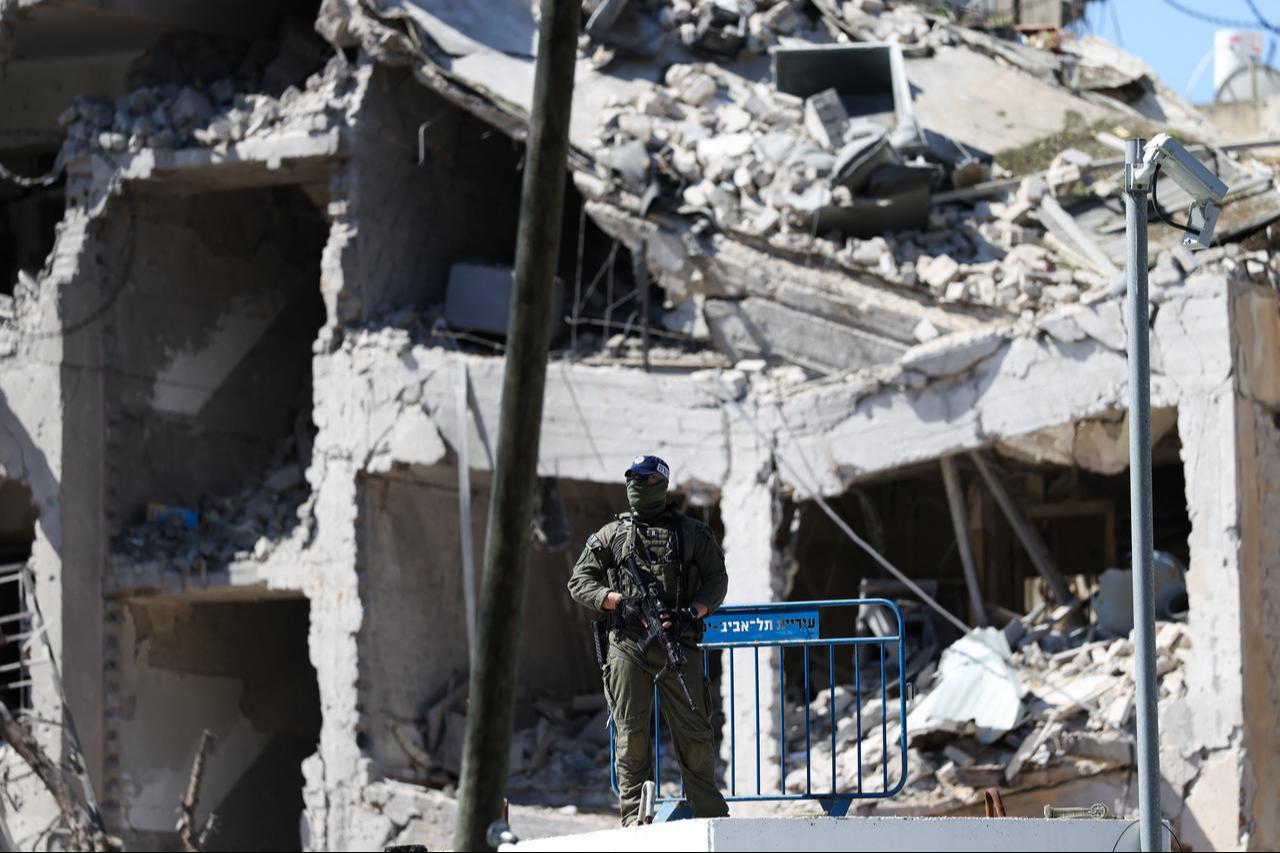
Despite Tehran's insistence that it is targeting only U.S. bases, Iranian strikes have hit civilian infrastructure across the Gulf, including airports in Dubai and Kuwait, hotels in Bahrain, and residential buildings in several countries.
The UAE reported that Iran launched 165 ballistic missiles, 541 drones, and two cruise missiles at its territory, killing three foreign workers and injuring 58.
Drone debris damaged the Etihad Towers complex in Abu Dhabi, housing the Israeli embassy.
In Qatar, 16 people were injured. In Bahrain, drones and shrapnel struck residential buildings near the Fifth Fleet headquarters. Even Oman, the key mediator, saw drones hit its Duqm port.


 Set as preferred source
 Set as preferred source


 3 min read