Newsletters




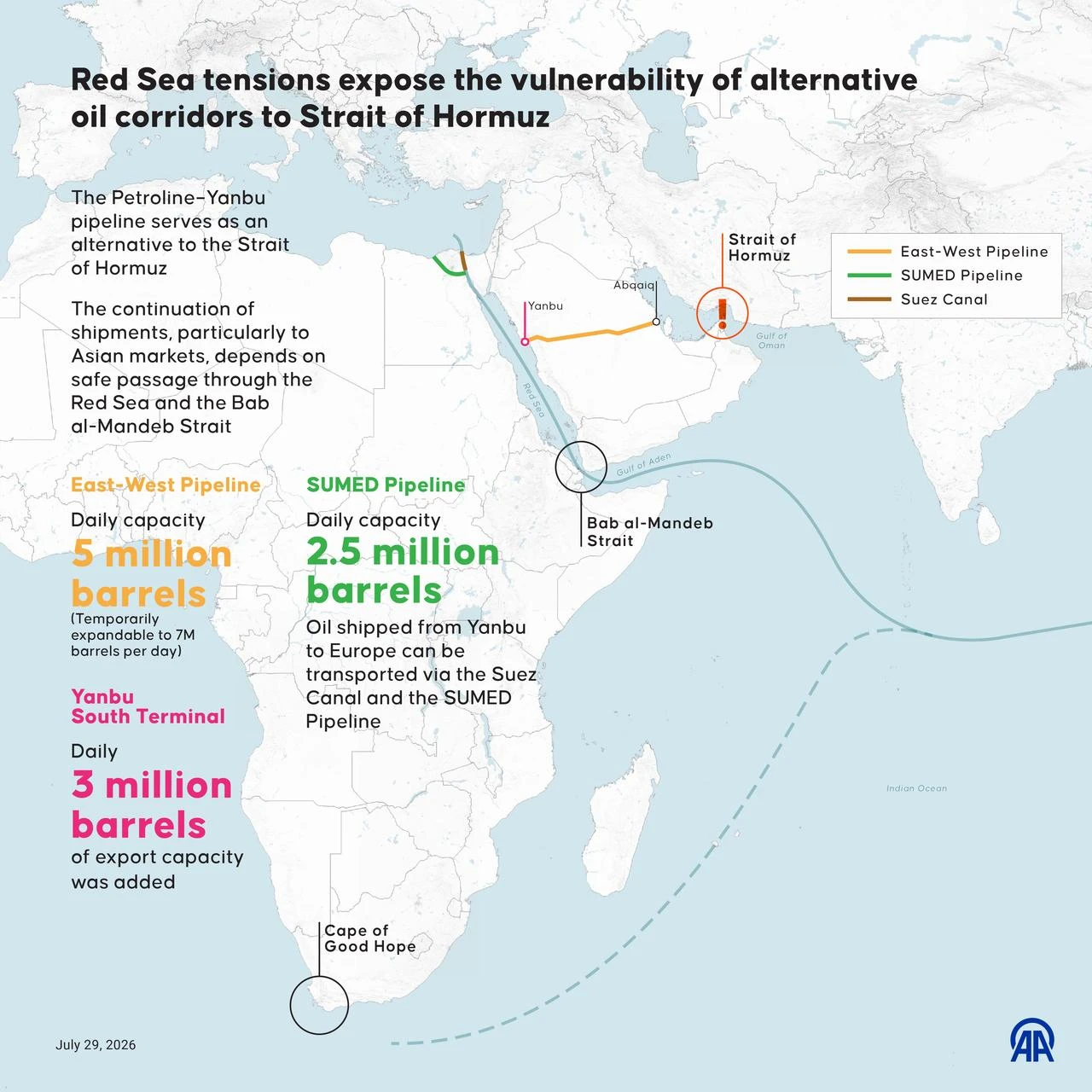
An informed Iranian source said Wednesday that "U.S. interference" and threats by President Donald Trump were the main reasons for delays in reaching an agreement with Oman over the Strait of Hormuz, according to a local media report.
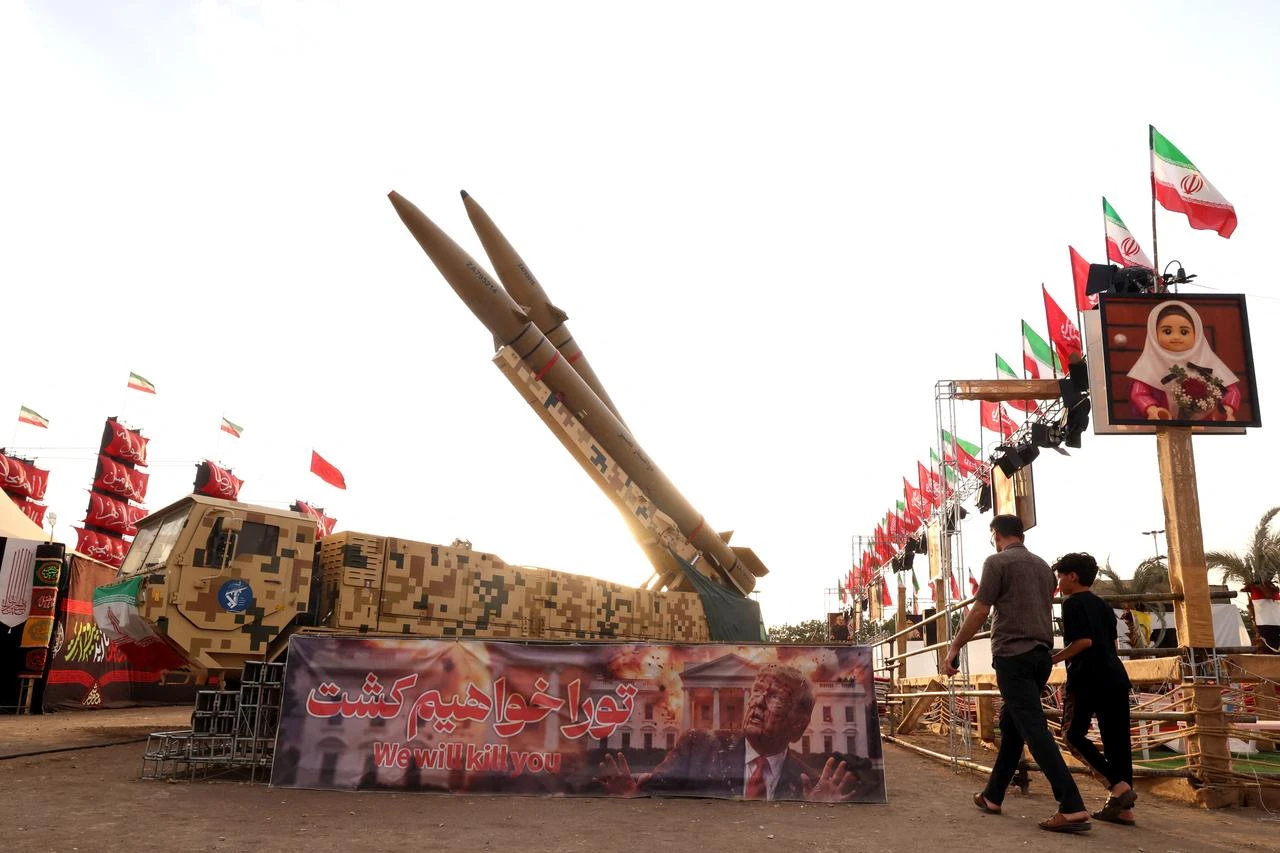
"The main reason for the delay in the agreement with Oman regarding the Strait of Hormuz is U.S. interference and Trump's threats," the source told Iran's Sepah News.
"As long as there is U.S. interference and the threat of a military attack on Iran, the agreement will be delayed," the source said.
"Iran will not reach any agreement under the shadow of threats," the source added.
The remarks came a day after Iranian Foreign Ministry spokesman Esmaeil Baqaei said Tehran's talks with Oman on the Strait of Hormuz were continuing "positively."

Trump said Tuesday that the Strait of Hormuz would reopen "very soon" as negotiations with Iran continued, while warning Tehran that the United States would take strong military action if a deal was not reached.
"The Strait is going to be open very soon—or they're gonna hit very hard, and then the Strait is going to be open," Trump told Fox News.
Trump said he had previously been prepared to launch a major attack against Iran but agreed to negotiations after Iranian officials requested talks.
"We were going to a tremendous attack, the biggest since World War II, and they called me and said, very politely, 'Please, can we talk? Can we talk?' ... I said, 'Yes, we can talk. Let's get it done. Finally, let's get it done,'" he said.
The president said Iran would face a severe response if it abandoned negotiations, reiterating that Tehran could not be allowed to develop a nuclear weapon.
"If they back out again, they're going to get hit really hard. They know that; they understand that. I have no choice. They can't have a nuclear weapon. It's very simple," he said.
Trump said U.S. and Iranian officials were engaged in "very good discussions," though he acknowledged that Tehran had not publicly confirmed progress.
"The only thing that matters is action, and they want to make a deal. We'll see what happens," Trump said. "If they don't make a deal, it's going to be too bad."
Trump also said there was an "all-day negotiation" with Iran on Tuesday.
"They had an all-day negotiation today, and it looks like things are very good," he said.
He said oil prices could fall if the Strait of Hormuz reopened fully and tensions eased.
"If we have no friction, then oil will go down to, I think it'll go down to $2.50 a gallon," Trump said, referring to retail gasoline prices.
Trump added that oil companies "have got to start lowering gas prices."
Later, speaking to reporters in California, Trump said the United States was "moving along very nicely" with Iran.
"We're moving along very nicely. We'll find out. We'll know in 48 hours," he said.
The United States, Iran and Oman are nearing an interim agreement aimed at reopening the Strait of Hormuz and restoring a ceasefire between Washington and Tehran, with a possible announcement expected as early as Wednesday, Axios reported Tuesday.
Earlier Tuesday, U.S. Secretary of State Marco Rubio said Washington and Tehran had yet to finalize talks on passage through crucial international waterways, but said he hoped an agreement would come "very shortly."
Iran has been engaged in a conflict with the United States since February, when the United States and Israel launched a joint offensive against Tehran.
Iran retaliated with drone and missile strikes on Gulf nations hosting U.S. assets.
The United States and Iran agreed to a ceasefire in April and later signed a Pakistan-mediated memorandum of understanding in June aimed at ending their military conflict and reaching a lasting peace agreement.
The deal, however, collapsed last month, with the two sides exchanging attacks for nearly two weeks before Trump abruptly halted the bombardment amid reports of talks to resolve the conflict.


 Set as preferred source
 Set as preferred source


 1 min read
 1 min read