Newsletters


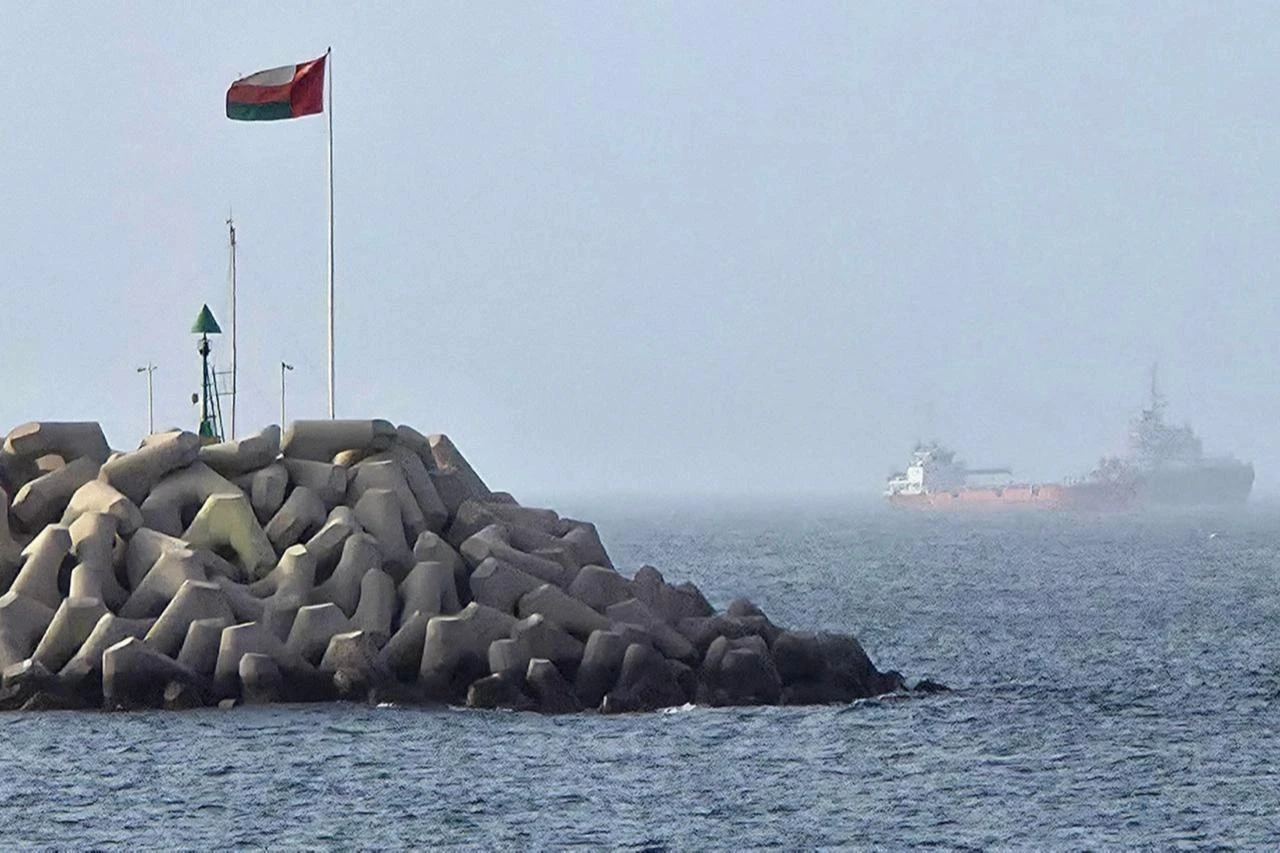


The U.S., Iran, and Oman are nearing an interim agreement to reopen the Strait of Hormuz and reinforce a ceasefire between Washington and Tehran, while Israeli officials complain they are being left out of the diplomatic process, according to multiple reports.
Axios, citing two regional sources and a U.S. official, reported Tuesday that the proposed agreement could be announced as early as Wednesday after weeks of negotiations aimed at easing tensions and paving the way for renewed talks over Iran's nuclear program.
The proposal outlines a 60-day interim arrangement between Oman and Iran to manage navigation through the Strait of Hormuz, with the option to extend the framework.
Under the plan, inbound vessels entering the Gulf would travel through northern shipping lanes in Iranian waters, while outbound traffic would pass through southern routes in Omani waters in coordination with Iran. No transit fees or tolls would be charged during the temporary period.
The proposal also includes clearing naval mines from the central shipping lane within 30 days. Once the operation is completed, the central corridor could reopen to two-way traffic under a broader long-term agreement to be negotiated by Oman and Iran.
The diplomatic push follows U.S. President Donald Trump's decision to hold off on an immediate large-scale bombing campaign against Iran in favor of giving negotiations more time this weekend. Trump has warned that major military action could still follow if diplomacy fails.
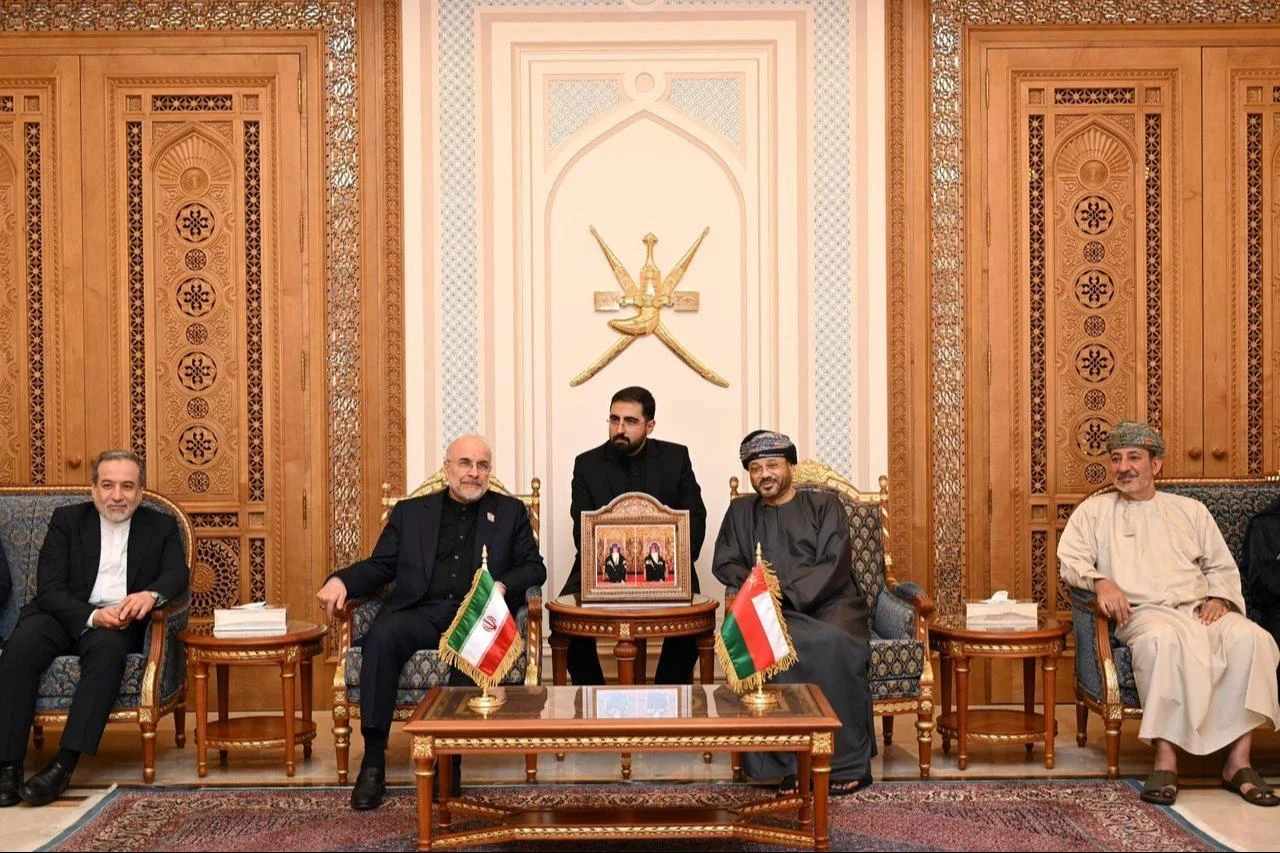
Officials from Oman, Qatar, Pakistan and Saudi Arabia have taken part in the talks, while the White House has remained actively involved. Trump's envoy Steve Witkoff has held several recent calls with Iranian Foreign Minister Abbas Araghchi and Omani Foreign Minister Badr al-Busaidi, according to the report.
Regional sources told the outlet that Araghchi accepted the framework in principle over the weekend but required approval from Iran's Supreme Leader Mojtaba Khamenei and the Supreme National Security Council. A U.S. official and a regional source indicated that the approval process was completed on Tuesday.
Earlier Tuesday, U.S. Secretary of State Marco Rubio said negotiations on passage through key international waterways had not yet been finalized but expressed hope that an agreement would be reached "very shortly."

Israeli officials have reacted skeptically to the latest diplomatic effort, arguing that Trump and his advisers are pursuing an agreement with Tehran "at any cost," according to Israeli broadcaster Mako.
A senior Israeli official told the broadcaster there is growing uncertainty in Tel Aviv over Trump's approach toward Iran.
"The distance between peace and war with Trump is the distance between the letters T, R and U on the keyboard," the official said, suggesting U.S. policy could change rapidly.
According to the report, Washington has not been directly briefing Israel on the negotiations over the Strait of Hormuz, leaving Israeli officials to rely largely on indirect channels for updates.
Mako also reported that Israeli officials privately dismissed the renewed diplomatic push, arguing that any agreement could regulate shipping through the strategic waterway while opening the door for Washington and Tehran to revive an earlier understanding.
Iran has been in conflict with the United States since February, when U.S. and Israeli forces launched a joint offensive against Tehran. Iran responded with drone and missile attacks targeting Gulf countries hosting U.S. military assets.
The two sides reached a ceasefire in April before signing a Pakistan-mediated memorandum of understanding in June aimed at ending the conflict and pursuing a lasting peace agreement.
The agreement later collapsed, leading to nearly two weeks of renewed attacks before Trump halted the bombardment amid reports that diplomatic contacts had resumed.


 Set as preferred source
 Set as preferred source


 1 min read

 1 min read