Newsletters


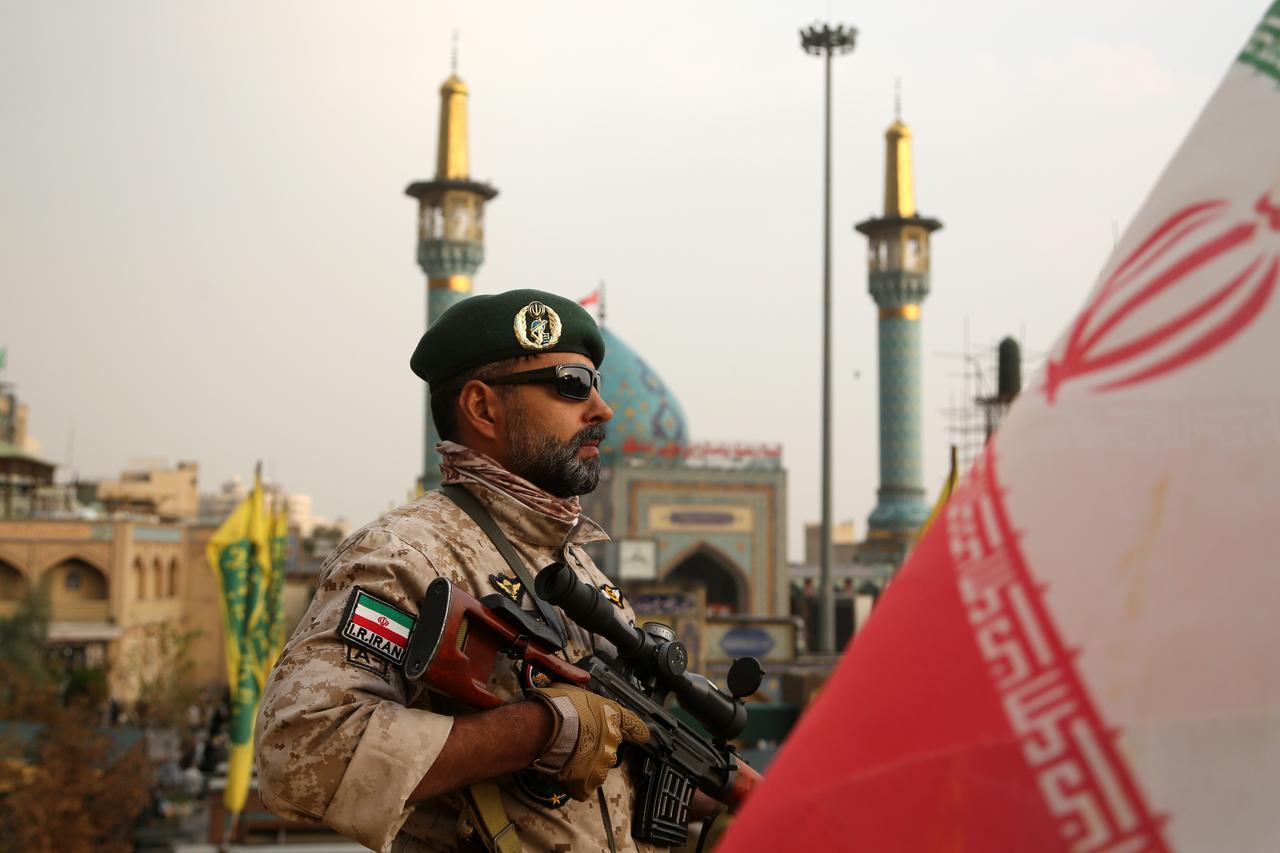


Iran and the United States are far from reaching a deal to end the war, and Tehran will not accept Washington’s "excessive demands," a senior Iranian official told Reuters on Tuesday, despite intensified mediation to prevent a return to conflict after the U.S. midterm elections.
"Mediators are working hard to narrow gaps between Tehran and Washington," the official said, after Qatari mediators traveled to Tehran on Monday night for talks on a draft Iran-U.S. deal under negotiation for eight days.
"Tehran’s conditions must be met if the U.S. wants Hormuz reopened," the official said, adding that nuclear talks could only start afterward. Iran would respond forcefully, in the region and beyond, to U.S. strikes, the official warned.
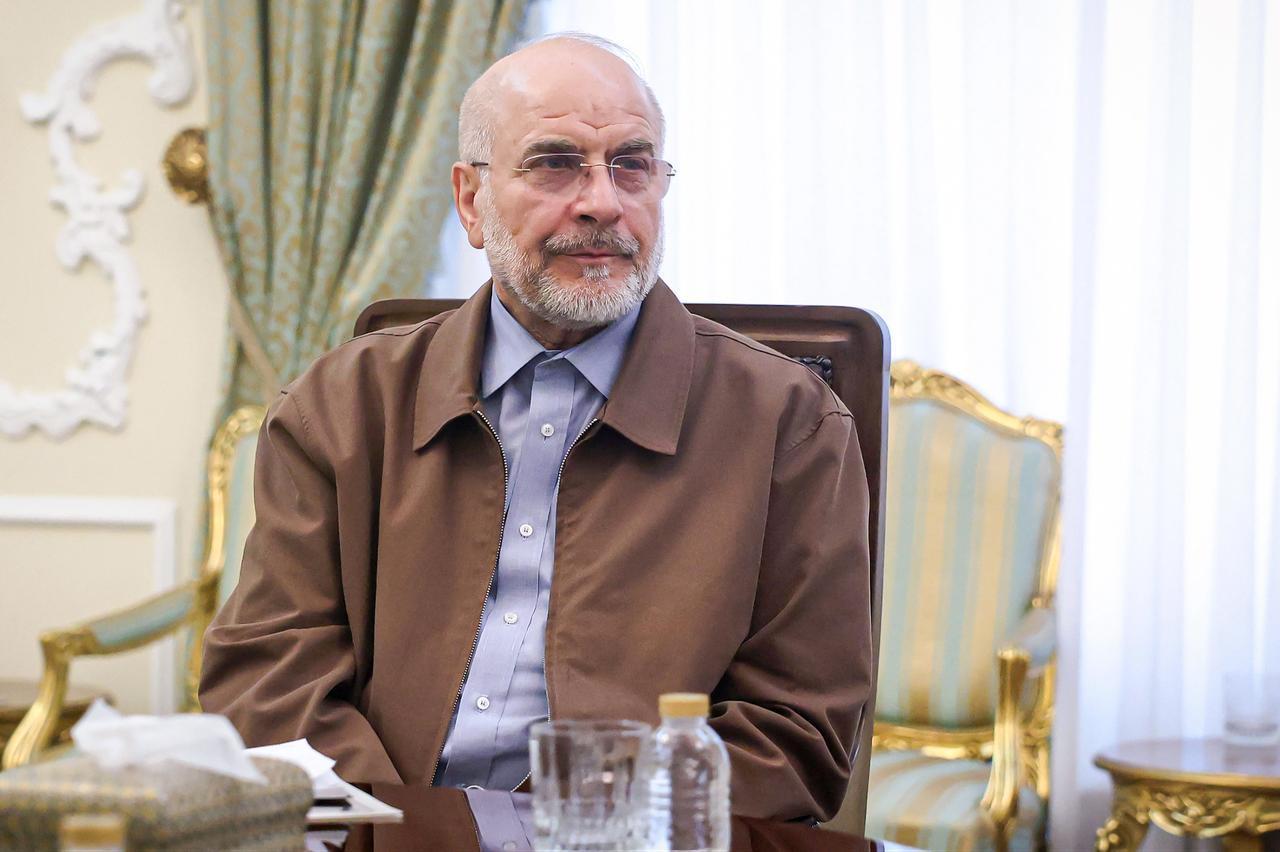
"Iran has delivered a firm and rational response to the American side, and now the ball is in America’s court to prevent war," Parliament Speaker Mohammad Bagher Ghalibaf, who leads Iran’s negotiating team, told a parliamentary session.
"If Washington makes another strategic mistake, it should know that this time it will face a new battlefield and will find itself even more desperate to seek a way out," he added.
"The enemy seeks to force the Iranian nation into submission through threats and military action, but they are sorely mistaken, Iran will not submit," Ghalibaf added.
He said any Iranian response would be unpredictable and not limited by geography.

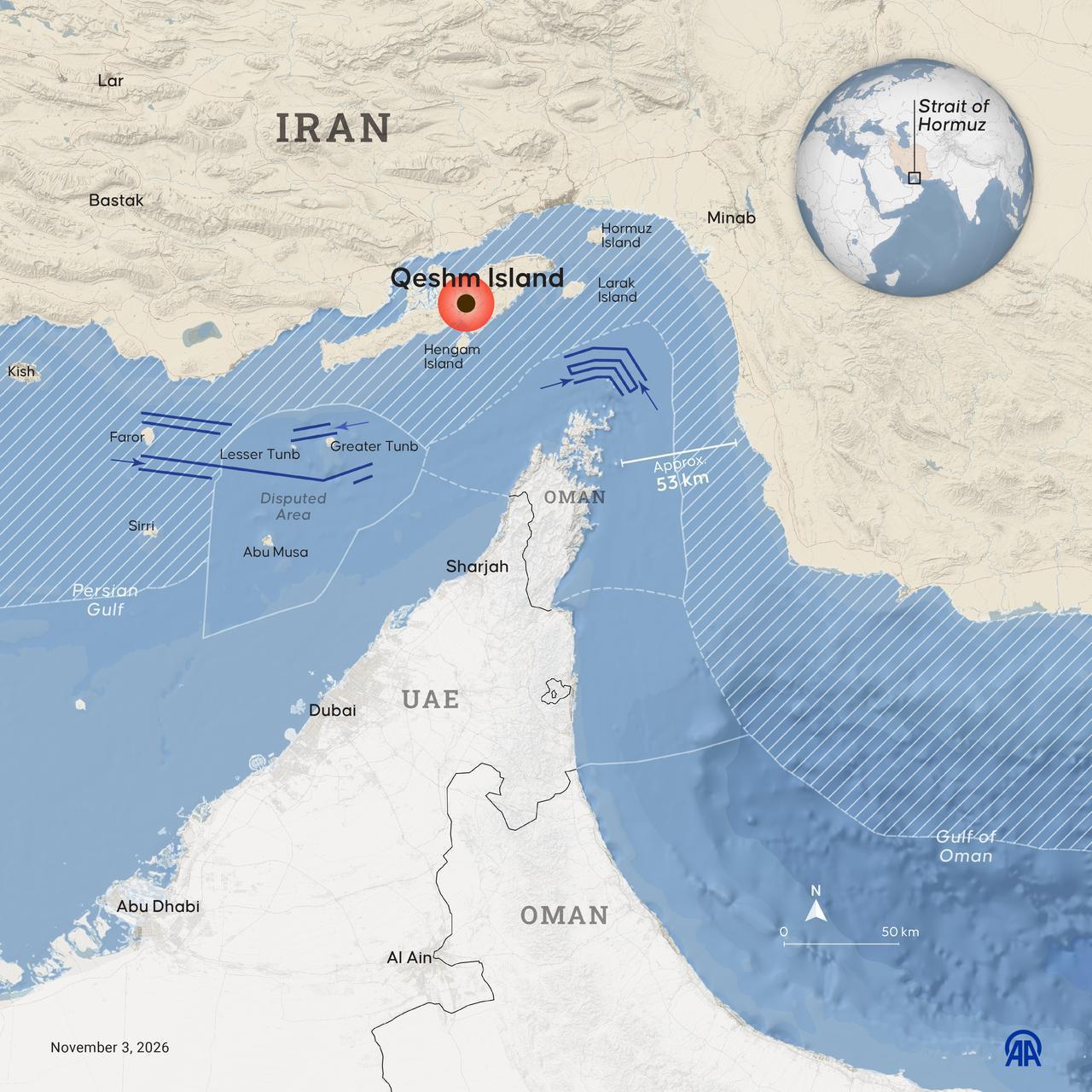
The U.S. carried out what an official called "defensive" strikes on Iran’s Qeshm Island overnight, targeting surface-to-air missiles used against U.S. assets. Iran’s Islamic Revolutionary Guard Corps (IRGC) said they downed a U.S. MQ-9 drone over the eastern Strait of Hormuz.
U.S. President Donald Trump on Monday raised doubts about whether he would resume strikes after Tuesday’s midterms, saying he believed Tehran wanted a deal as soon as possible.
Iranian Foreign Ministry spokesman Esmaeil Baghaei said Monday that Iran’s revised plan could be implemented within two days if Washington ends its naval blockade and meets Iran’s demands, including sanctions relief and the release of frozen assets.
Iran's top diplomat Abbas Araghchi commented on the issue of indirect negotiations between Iran and the United States late Monday, saying, "Given the sensitivity of the current situation, consultations and deliberations have been very intensive. Qatar and Pakistan play a very active role as mediators."
"We have stated our conditions and plan, and everything depends on Washington's political rationality; if they choose honest diplomacy, we are at work, and if they intend to deceive and carry out military operations, they will see a bitterer and heavier response than in the past," he added.
"Tehran's conditions for opening the Strait of Hormuz are completely clear and transparent; by accepting these conditions, the Strait of Hormuz will open and negotiations will resume, and otherwise, the current situation will continue and Iran will not bow down," Araghchi noted.
Araghchi also said talks between Iran and Saudi Arabia are ongoing as Tehran seeks new regional security arrangements without foreign military involvement.
Senior officials from Saudi Arabia, Türkiye and Pakistan met Iranian officials in Tehran last week, the first high-level contact between Iran and the three Mecca pact members since August.
Riyadh said the visit aimed to open channels to "prevent the return of military escalation."
Separately, Ghalibaf asked parliamentary committees to urgently examine long queues of trucks at some of Iran’s border crossings in the northwest and southeast, saying multi-week waits were hurting exports and drivers.
An Iran-U.S. deal remains elusive as Americans head to the polls.


 Set as preferred source
 Set as preferred source


 2 min read