Newsletters


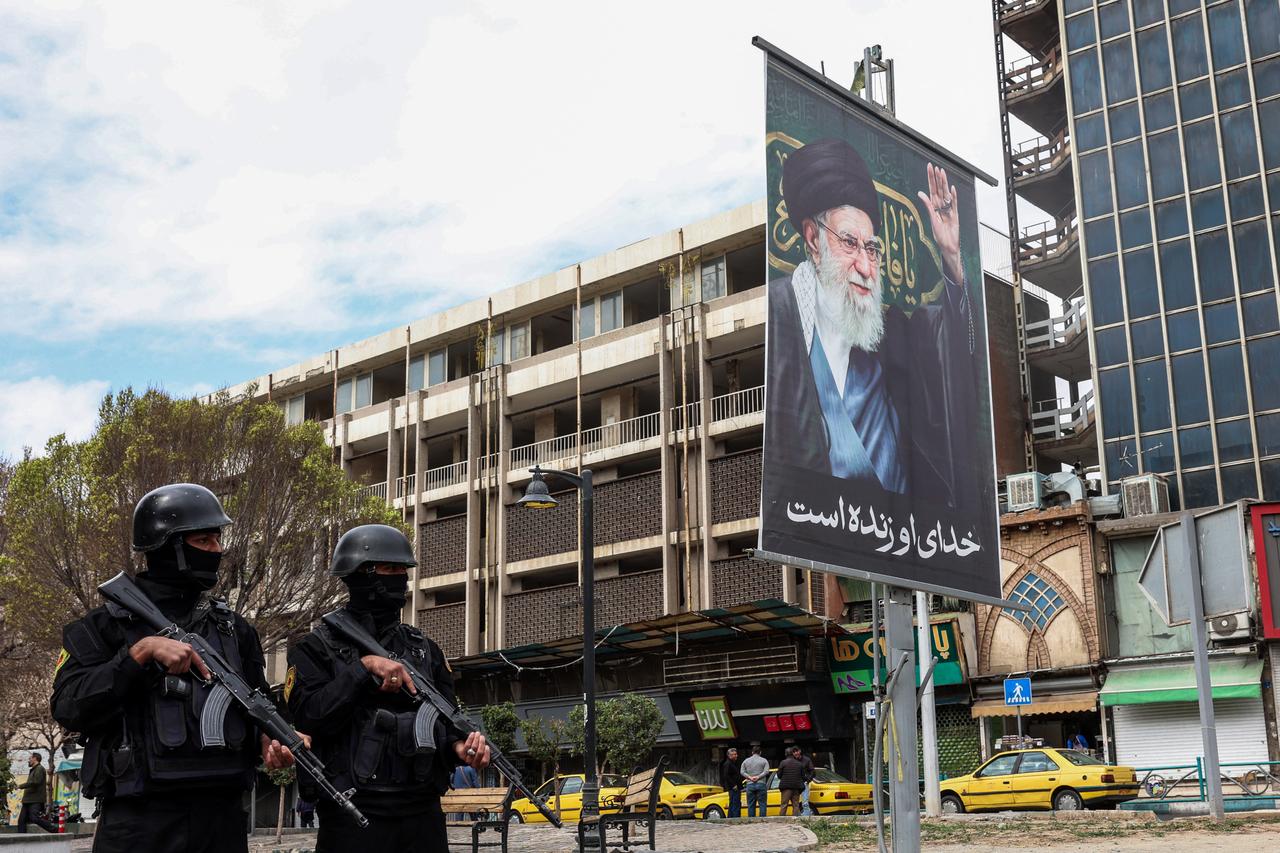


The U.S.-Iran war intensifies as Iran's foreign minister says that the United States "voluntarily entered a war on behalf of Israel," while U.S. Secretary of State Marco Rubio said "the next phase" for Iran "will be tougher than it is now."
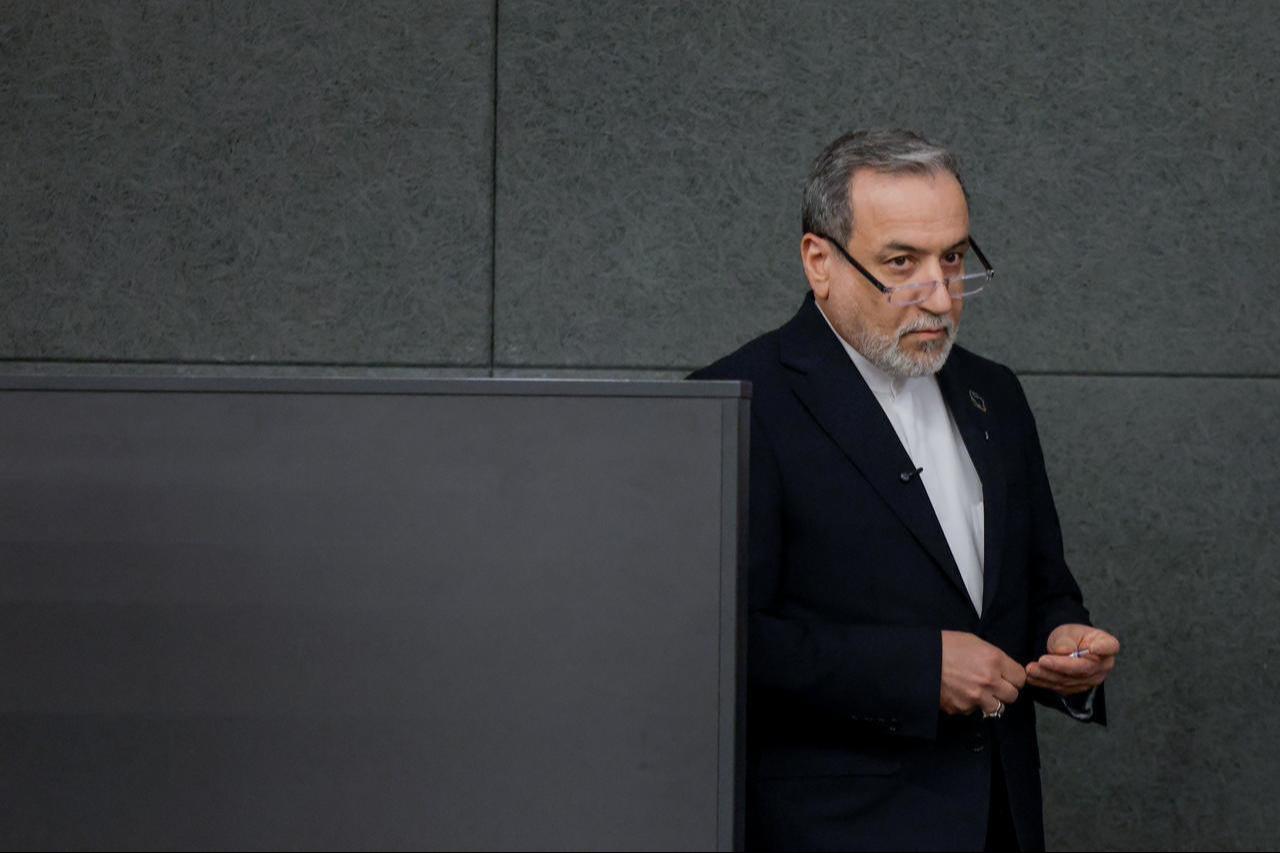
Iranian Foreign Minister Abbas Araghchi responded on X to Rubio's remarks about why the U.S. entered the war with Iran, saying Rubio had "confessed what we all know."
He stated that Iran "was never a so-called ‘threat’" to the United States and blamed bloodshed on those he described as "Israel first" voices.
"Rubio confessed what we all know: The U.S. voluntarily entered a war on behalf of Israel. There was never a so-called ‘threat’ from Iran," Araghchi said.
"Therefore, the spilling of both American and Iranian blood is the responsibility of those who say ‘Israel first.’ The American people deserve better and should take their country back," he noted.

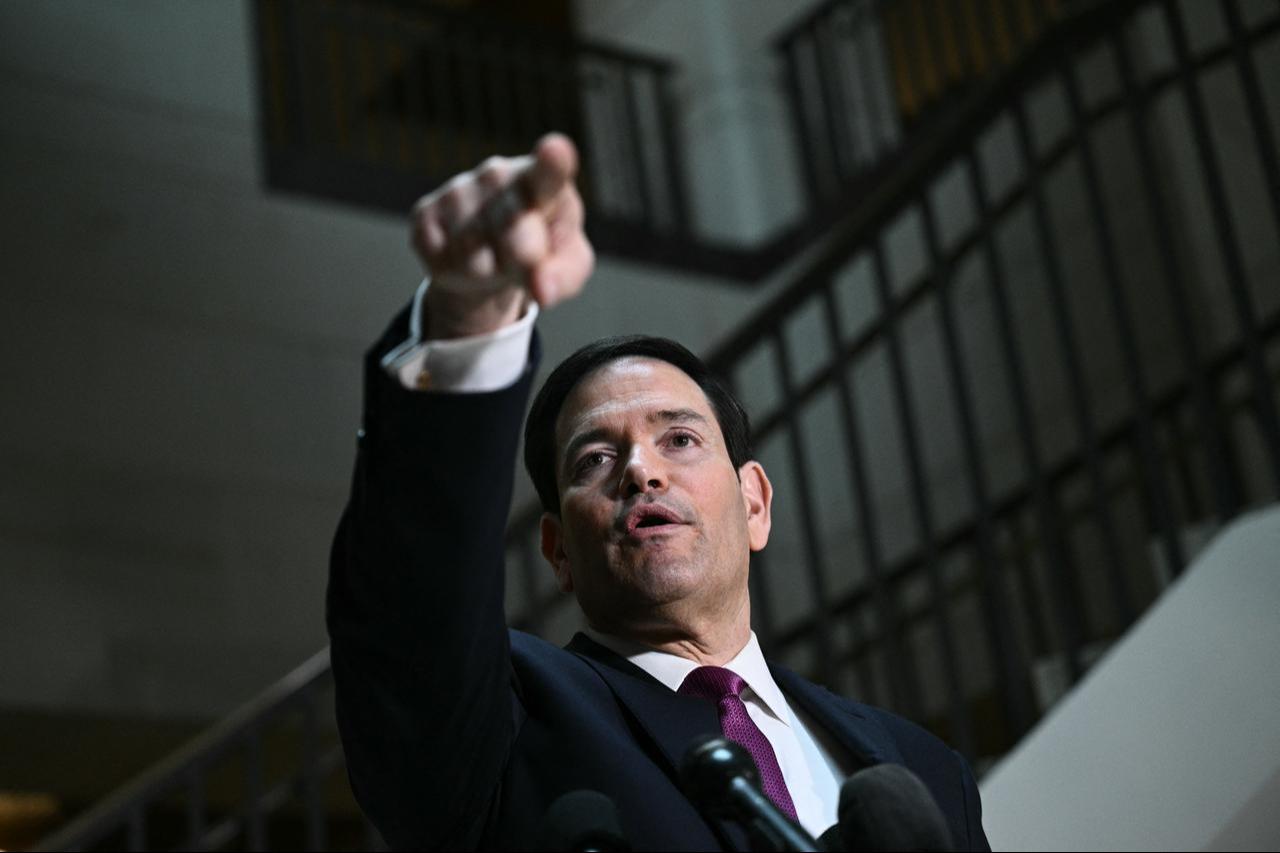
Rubio, speaking to reporters after a meeting at the U.S. Congress, said Iran was an "urgent and imminent threat" to both the United States and Israel.
"It was definitely an urgent threat," Rubio stated, adding that the U.S. believed that if Iran were attacked, which he said they believed would happen by Israel, "they would immediately come after us."
Rubio said the United States did not want to "sit" and absorb an attack before responding, and described U.S. action as a "proactive, defensive move meant to prevent additional losses."
"We could not wait for them to strike us first after they were attacked by another country," Rubio stated.
"Israel struck them, then they (Iran) struck us first, and if we had waited, we would have had more losses and deaths. We acted proactively for defensive purposes to prevent them from doing more damage to us," he added.
Rubio said the U.S. military "has not yet delivered its hardest blow," and warned that the next stage would be harder on Iran than the current phase.
"How long will it last? " I don’t know how long it will last," he said, adding, "We have targets." We want to reach those targets."
Rubio noted that one goal of the US strikes was to destroy Iran's ballistic missile capacity, arguing that Tehran has sought to build conventional capabilities "as a shield."
He also claimed Iran produces about 100 missiles per month, while only about six to seven air defense missiles can be produced monthly, pointing to Iran's missile production systems.
Asked about regime change in Iran, Rubio said, "Even though we would like to see a new regime there, the main point is this: A year from now, whoever runs the country will not have these ballistic missiles that threaten us."
Rubio also said the United States does not deliberately target civilians, while claiming Iran targets civilians, when asked about a report involving Israel striking a school in Iran.
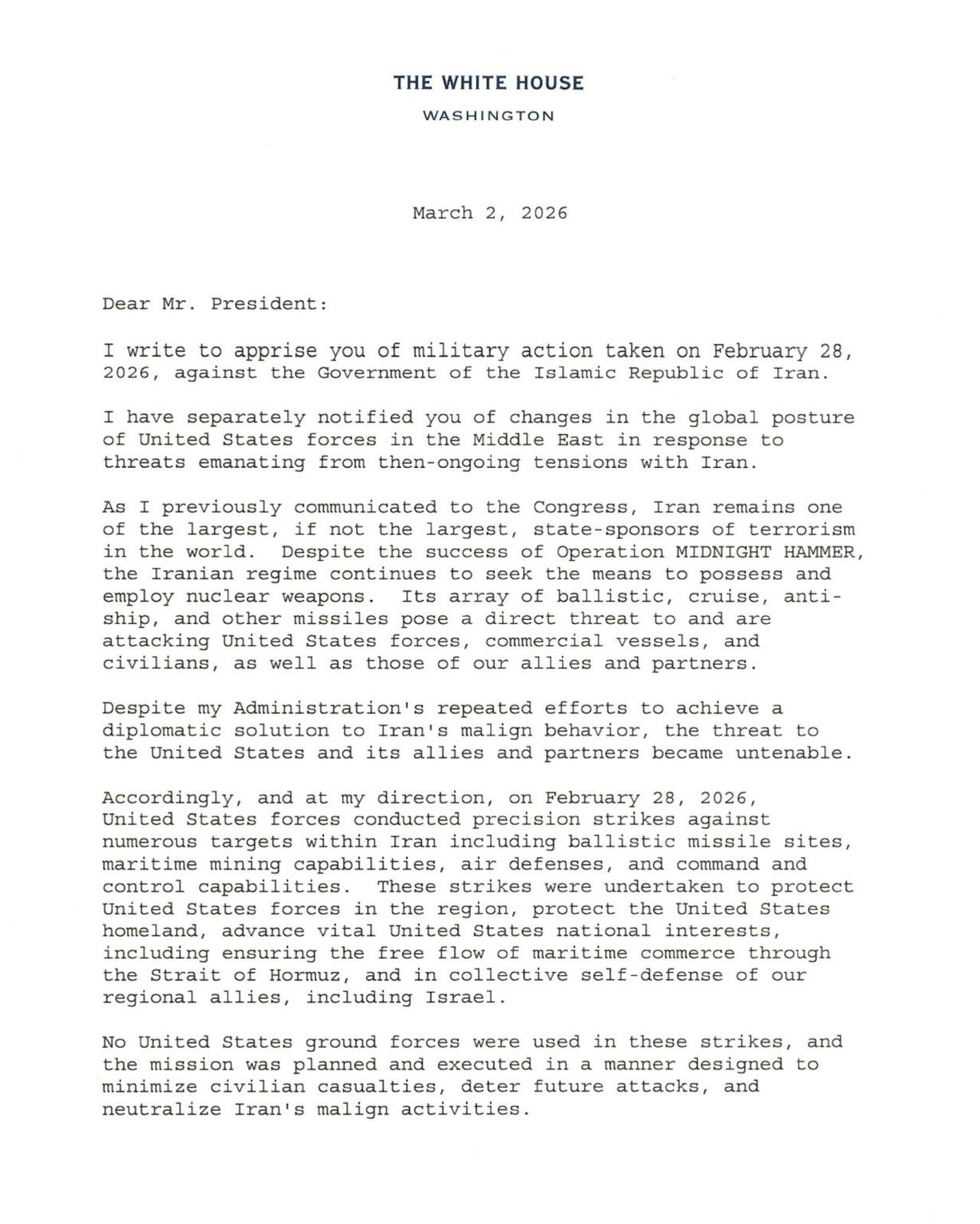
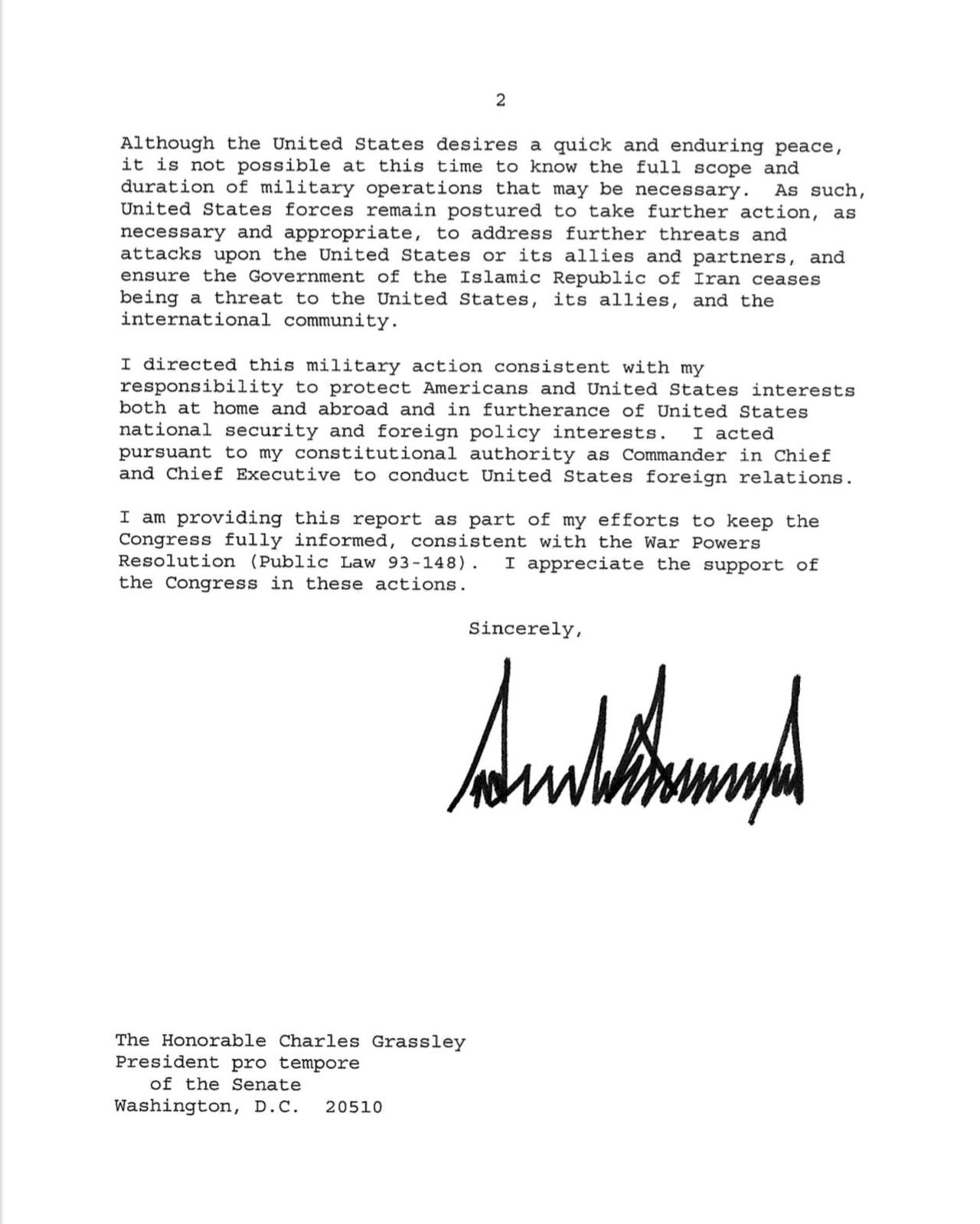
U.S. President Donald Trump formally notified Congress under the War Powers Resolution about strikes carried out on Feb. 28, 2026 against Iran, according to several U.S. media reports.
In a letter addressed to Senate President Pro Tempore Chuck Grassley, Trump said "diplomatic efforts had failed to resolve tensions."
"Despite my Administration’s repeated efforts to achieve a diplomatic solution to Iran’s malign behavior, the threat to the United States and its allies and partners became untenable," Trump wrote.
"Accordingly, and at my direction, on February 28, 2026, United States forces conducted precision strikes against numerous targets within Iran, including ballistic missile sites, maritime mining capabilities, air defenses and command and control capabilities," he wrote.
Trump said the strikes aimed to "protect U.S. forces in the region and at home, ensure the free flow of maritime commerce through the Strait of Hormuz, and act in collective self-defense of U.S. allies, including Israel. "
"It is not possible at this time to know the full scope and duration of military operations that may be necessary," he wrote, adding that further action remains possible.
The notice came as Democratic lawmakers and some Republicans called for Congress to vote on legislation that would restrict further military action without explicit authorization.
The Financial Times (FT) reported Monday, March 2, that Israel's killing of Iranian Supreme Leader Ali Khamenei on Saturday relied on years of covert surveillance, a CIA-linked human source and precision missiles fired from beyond Iran’s air defense range, citing current and former intelligence officials.
The report said Israeli jets fired about 30 precision munitions at Khamenei’s compound and that the missiles were "Sparrows," described as capable of striking small targets from more than 1,000 kilometers (621 miles) away.
The Israeli military said the daylight timing was deliberate to achieve tactical surprise, the report said.
The report also said Israel disrupted around a dozen mobile phone towers near the compound the morning of the strike, limiting warnings to Khamenei's protection detail, and that Israel had access to traffic cameras in Tehran, including cameras overlooking the compound.
The report said Israel used social network analysis to identify targets and decision-making structures within Iran's government.


 Set as preferred source
 Set as preferred source


 3 min read