

 Newsletters


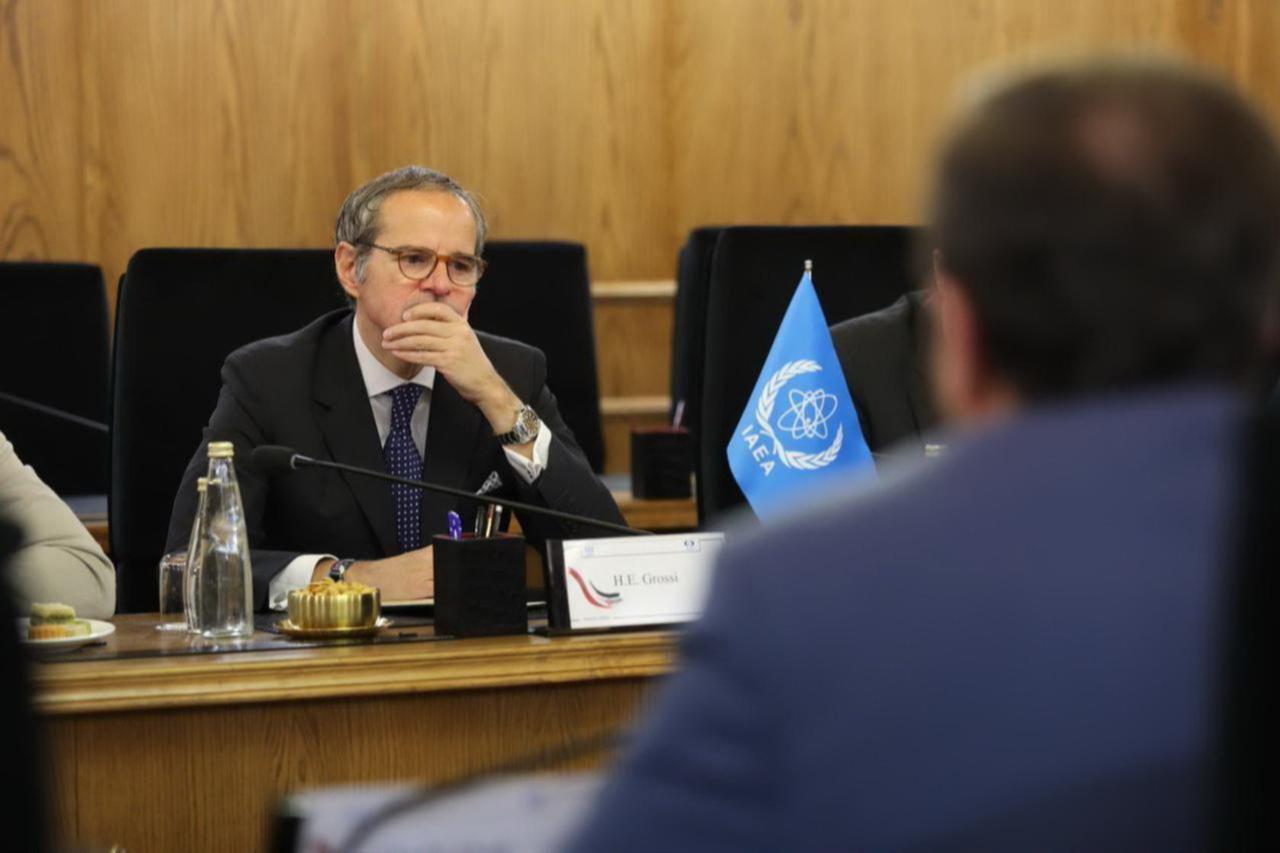


Iran's deputy foreign minister accused the United States of weaponizing the International Atomic Energy Agency against Tehran on Monday, as Washington lobbied member states to back a new resolution demanding answers about the fate of Iran's highly enriched uranium stockpiles following last year's strikes on its nuclear facilities.
Kazem Gharibabadi, Iran's deputy foreign minister, took to social media to denounce a draft resolution being circulated by the United States, France, Germany and the United Kingdom ahead of the IAEA Board of Governors' quarterly meeting. The resolution would authorize the 35-nation board to seek an accounting of the current status of Iran's highly enriched uranium.
Gharibabadi argued that the push by Washington and the three European powers was not a genuine nonproliferation measure, but a maneuver designed to shield those responsible for attacks on Iranian nuclear sites from accountability. He described the move as dangerous, warning that responsibility for internationally wrongful acts cannot be transferred to the victim.
The deputy minister pointed to the suspension of inspections at Iranian nuclear facilities, which he attributed directly to strikes carried out by the United States and Israel. With monitoring activities halted as a result of those attacks, Gharibabadi said, it was deeply contradictory for the same parties to now invoke the IAEA as an instrument of pressure against Iran.
 1 min read
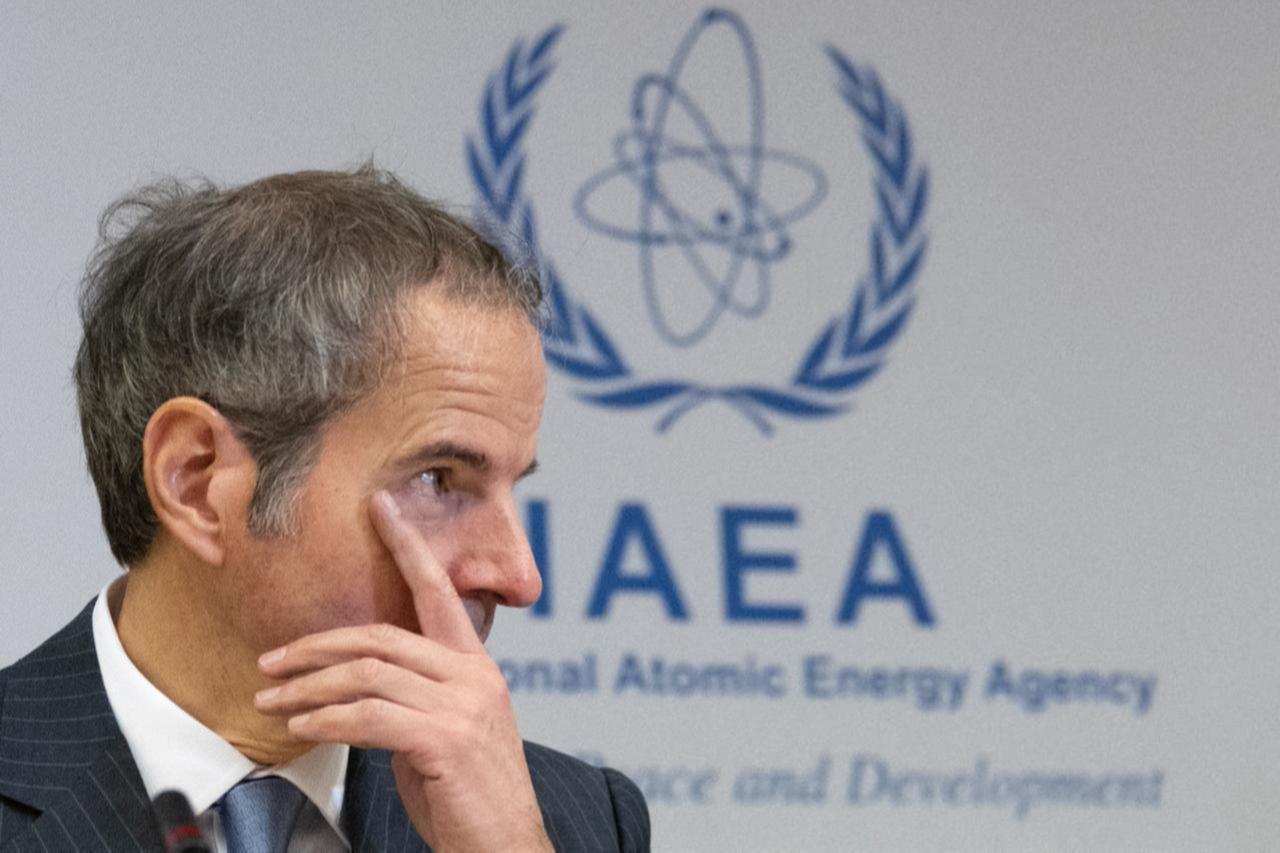
Gharibabadi called on the agency to adopt a strictly impartial posture, arguing that the IAEA could only strengthen its credibility and its oversight role if it condemned the attacks on nuclear facilities rather than acting at the behest of the states that carried them out. In his view, genuine neutrality was a precondition for any meaningful restoration of inspection activities.
The remarks echo an Iranian position that has hardened since the strikes. Iran's mission to the IAEA has previously warned the board that "coercion and confrontation do not lead to cooperation," and that such moves undermine diplomatic prospects.


 Set as preferred source
 Set as preferred source


 1 min read



