

 Newsletters


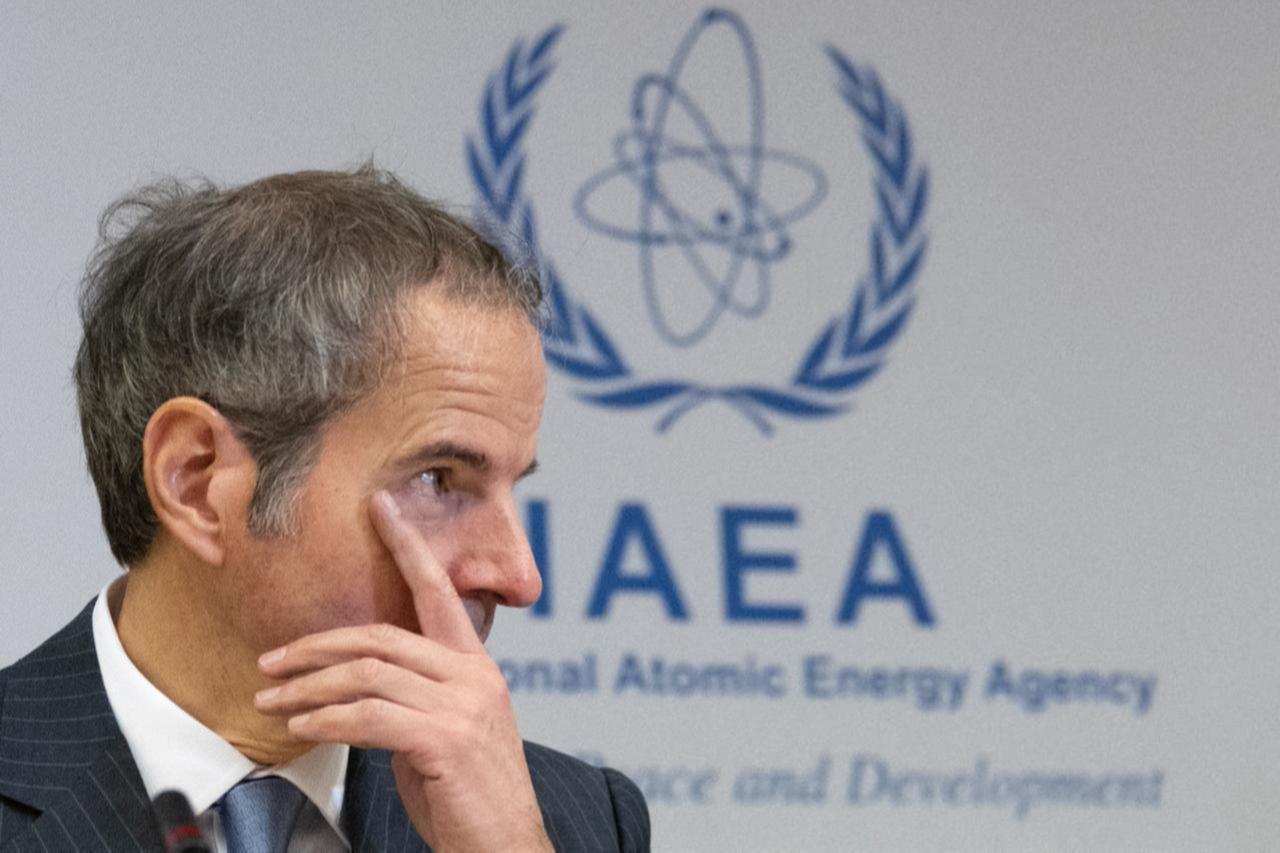


The United States is lobbying members of the International Atomic Energy Agency's Board of Governors to support a draft resolution requiring Iran to disclose what happened to its nuclear facilities after they were struck by Israeli bombs and to account for the enriched uranium stored at those sites, according to a draft text seen by Reuters.
The U.S.-drafted resolution has been circulated ahead of the board's quarterly meeting this week, where the 35-nation body is expected to take up the matter.
The draft demands that Iran provide the agency with "precise information on nuclear material accountancy and safeguarded nuclear facilities" and grant inspectors "all access it requires to verify this information," describing both steps as "essential and urgent" and to be taken "without delay."


The push for a resolution comes at a fraught moment in relations between Washington and Tehran. Current talks between the two sides aim to extend their ceasefire and lay the groundwork for broader negotiations, including on Iran's nuclear programme.
President Donald Trump has stated his goal is to ensure Iran cannot develop nuclear weapons, a position Tehran rejects, insisting it has never sought them.
Iran has historically responded to IAEA board resolutions by escalating its nuclear activities or curtailing cooperation with the agency, a pattern that could complicate the fragile diplomatic opening. While circulating a draft does not guarantee it will be formally submitted for a vote, it is widely understood as a signal of intent to do so.
The new text stops short of referring Iran to the U.N. Security Council, a move some diplomats had reportedly been considering as a follow-up to a June 12, 2025 resolution that found Iran in breach of its non-proliferation obligations, the first such finding in nearly two decades. Israel began bombing Iran's nuclear sites one day after that resolution was adopted.
A central concern driving the resolution is the fate of Iran's stockpile of near-weapons-grade uranium. The IAEA estimated Iran held 440.9 kilograms, roughly 972 pounds, of uranium enriched to up to 60 percent purity at the time Israel launched its first strikes. T
hat level of enrichment is a relatively short technical step from the approximately 90 percent purity required for weapons-grade material, and that quantity would be sufficient, if further enriched, to produce around 10 nuclear weapons, according to an IAEA benchmark figure.
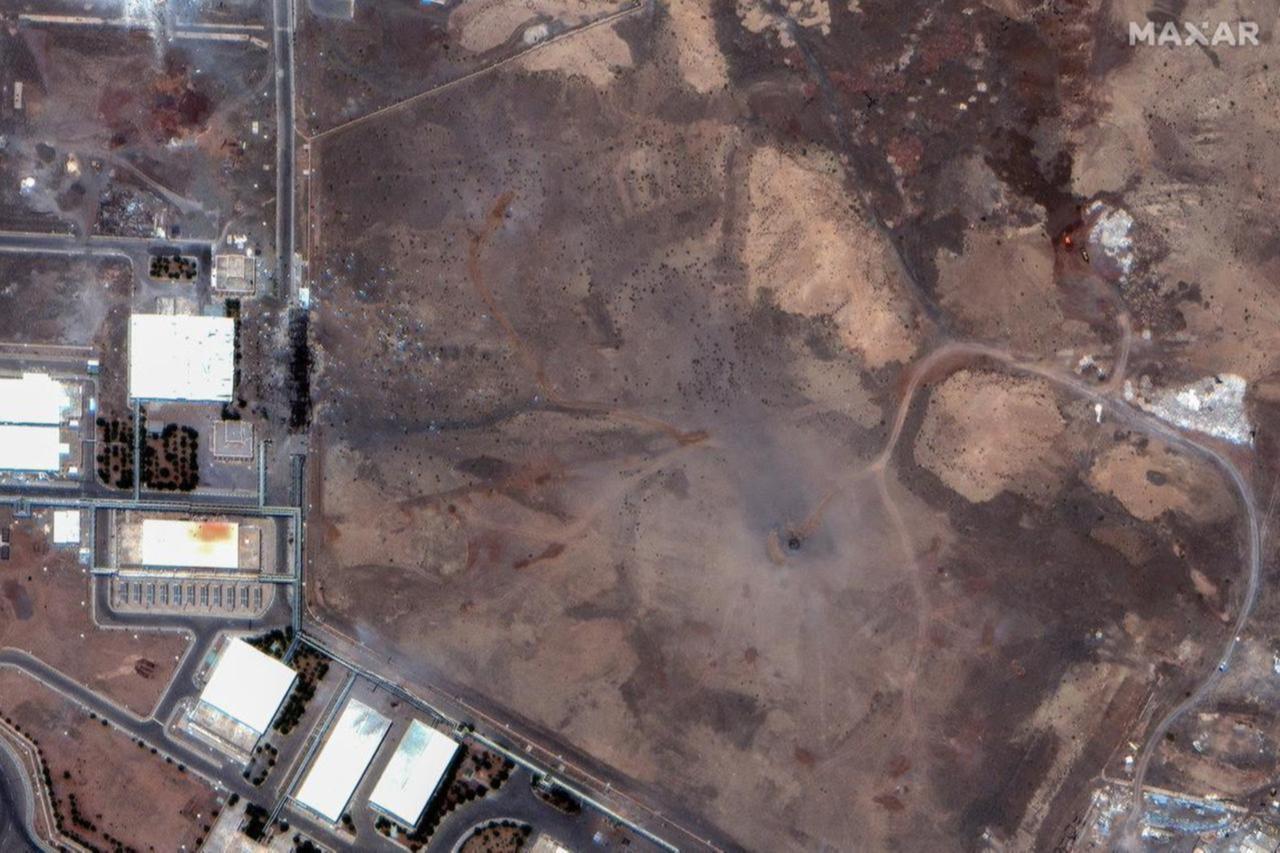
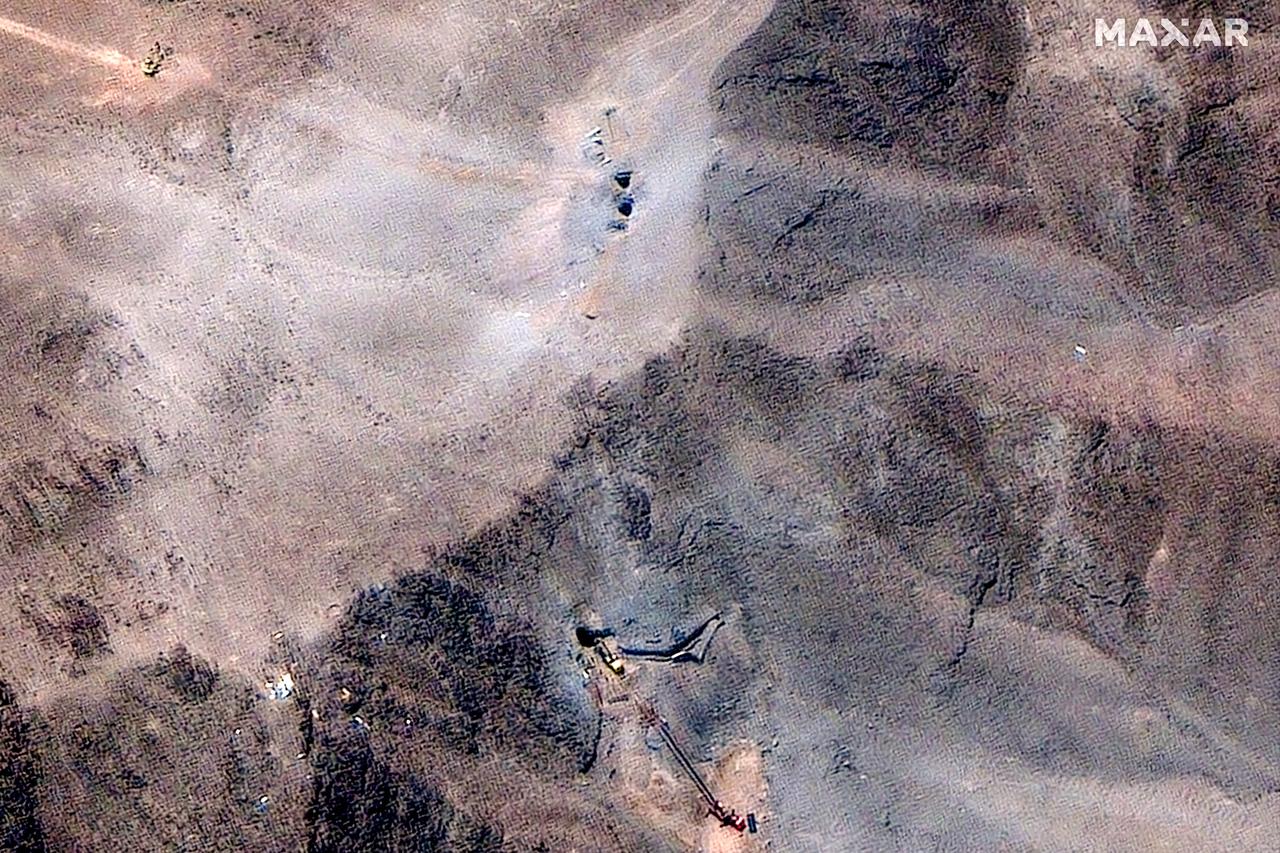
While June's strikes destroyed or severely damaged uranium-enrichment facilities, much of Iran's enriched uranium is believed to have survived. Trump has said he wants the remaining stockpile removed. A November 2025 IAEA board resolution had already demanded that Iran inform the agency "without delay" about the status of its enriched uranium and its damaged sites, a requirement Iran has yet to fulfill.
Russia's ambassador to the IAEA pushed back sharply on Friday, warning that a new resolution would only antagonise Iran. Pointing to the fact that IAEA inspectors had access to Iranian nuclear sites before the bombing campaign began, the ambassador said it was "exactly the United States who undermined this cooperation."
Russia and China have opposed all recent resolutions targeting Iran at the board. The U.S. mission to the IAEA declined to comment on the draft.
Previous resolutions on Iran submitted jointly by the United States, Britain, France and Germany have passed by wide margins, reflecting the broader composition of the 35-nation board, where Western-aligned members hold significant influence.


 Set as preferred source
 Set as preferred source


 1 min read
 1 min read


