Newsletters




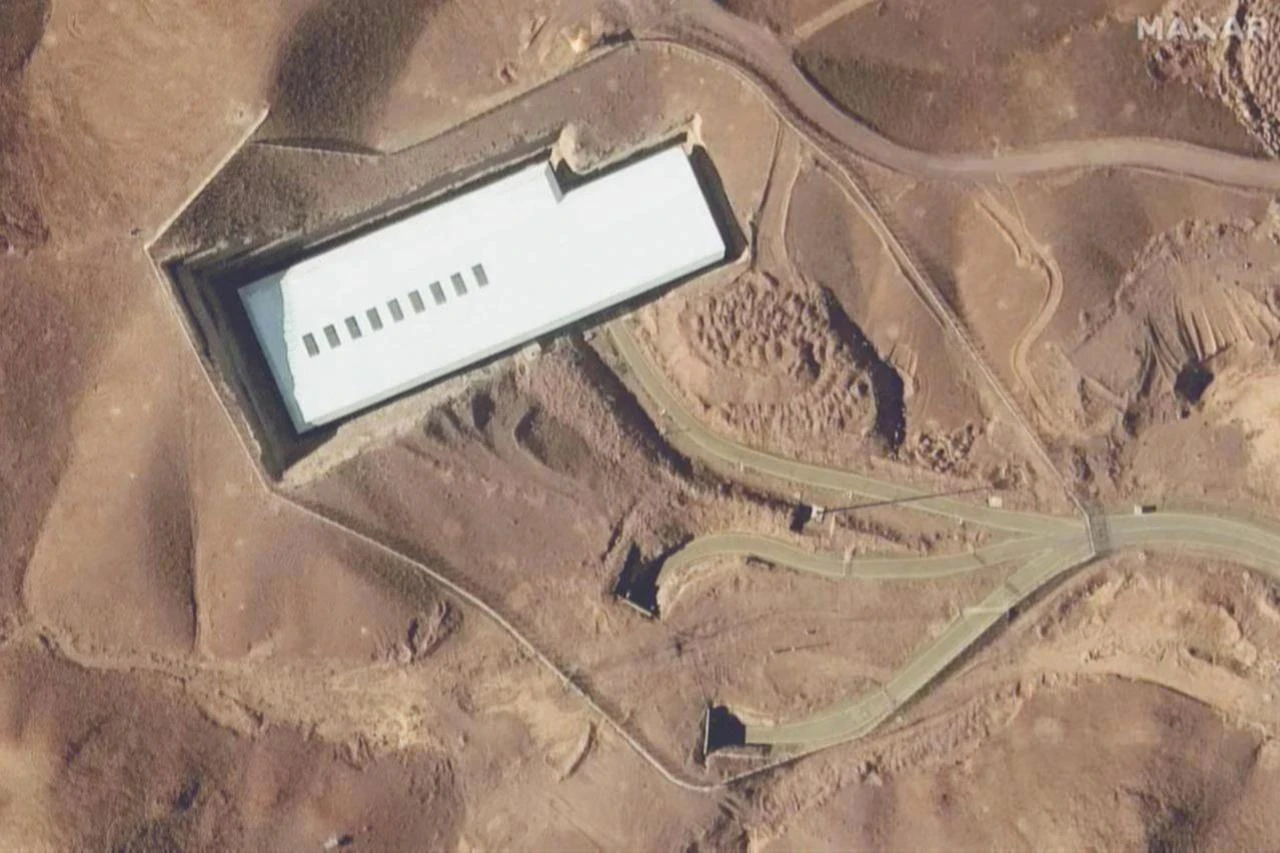
Iran has told intermediaries that Lebanon must be included in any ceasefire agreement with the U.S. and Israel, linking an end to the war with a halt to Israeli operations against Hezbollah, according to a report by Reuters.
The position was conveyed through regional channels as Tehran continues to review a U.S. proposal aimed at ending the conflict, Reuters reported, citing multiple sources.
Six regional sources familiar with Iran’s position said Tehran informed mediators as early as mid-March that any agreement must also stop Israel’s offensive against Hezbollah.
Iran’s Press TV cited an official saying Tehran wants any deal with the U.S. to end the war not only against Iran but also against other “resistance groups” in the region.
A senior Iranian official told Reuters that Tehran is still reviewing the U.S. proposal and has not rejected it outright.
There was no immediate response from Iran’s foreign ministry, Israel’s foreign ministry or the Israeli military to Reuters’ questions.

Hezbollah, founded by Iran’s Revolutionary Guards in 1982, is widely seen as a key component of Iran’s regional network of armed groups.
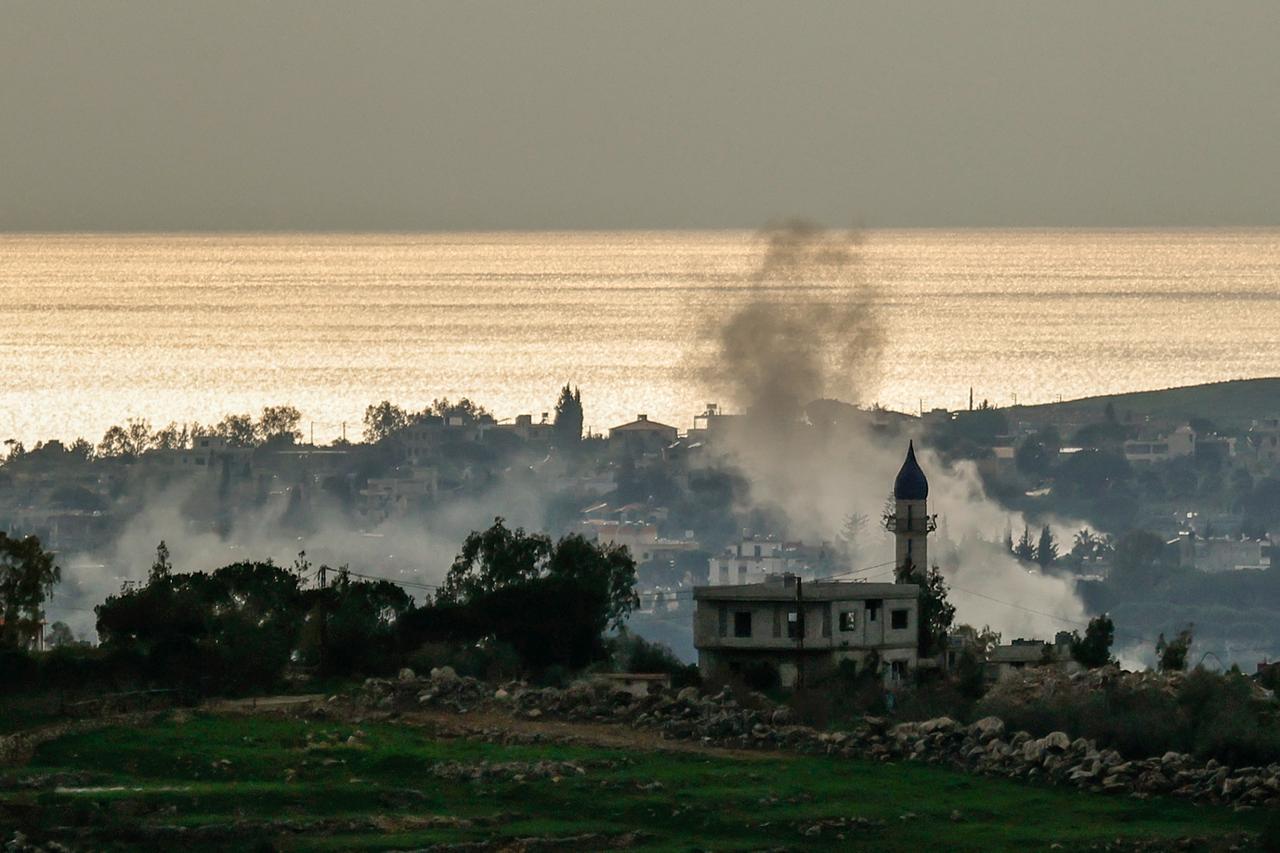
The group began firing on Israel on March 2 in solidarity with Tehran, prompting Israeli air and ground operations in Lebanon.
One regional source said Hezbollah had received “Iranian guarantees” that it would be included in any broader ceasefire agreement.
“Iran is prioritizing Lebanon - it will not accept Israeli violations in Lebanon like what happened after the 2024 ceasefire,” the source said, referring to continued Israeli strikes despite a previous truce.
A foreign official in Beirut said Hezbollah hopes an Iran-backed agreement would help strengthen its political position in Lebanon.
 1 min read
A senior Trump administration official said ending Iran’s “proxy activities” and disarming Hezbollah are key to achieving peace and stability in Lebanon and across the region.
Israel’s foreign ministry said that “Israel has not conducted and does not conduct negotiations with the Iranian terror regime.”
A source familiar with Israel’s military strategy said Israeli operations against Hezbollah are expected to continue independently of the air war with Iran.
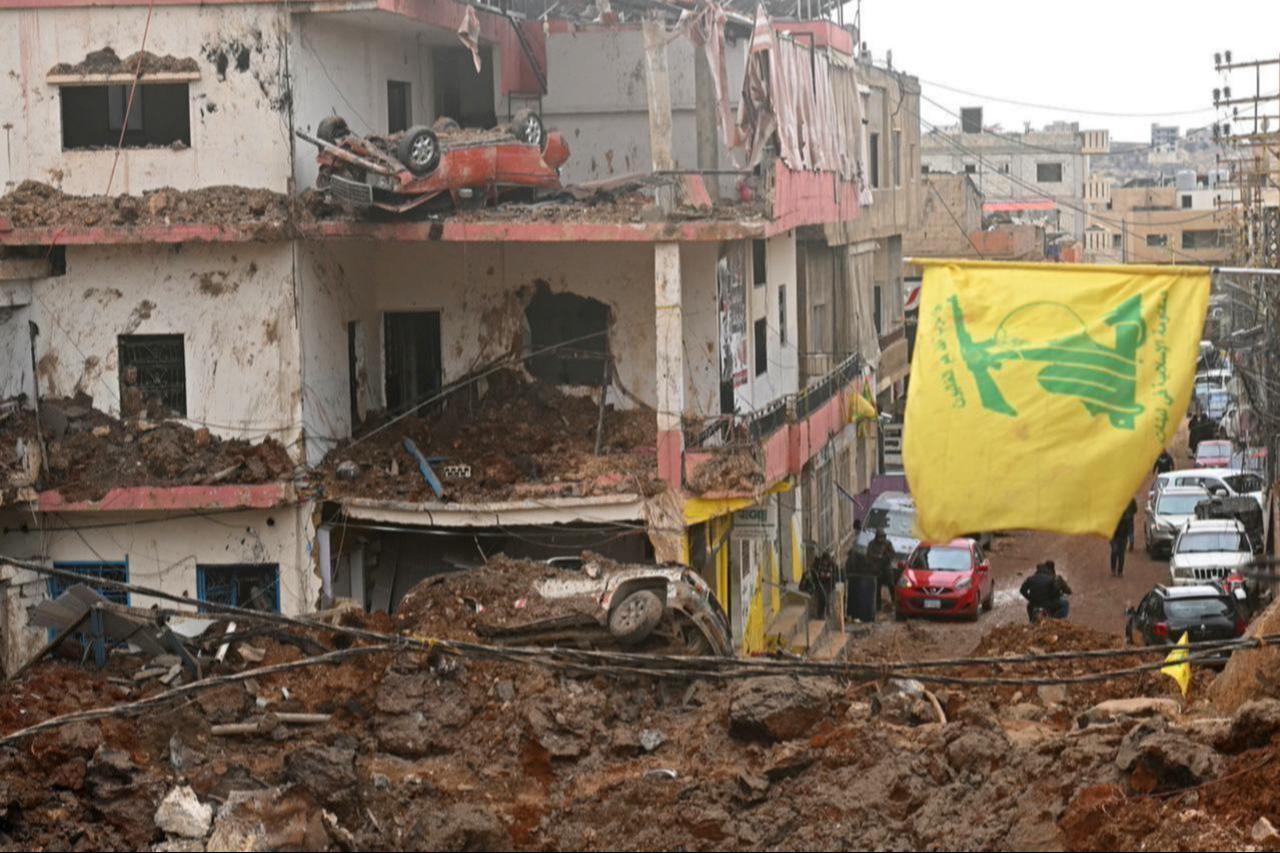
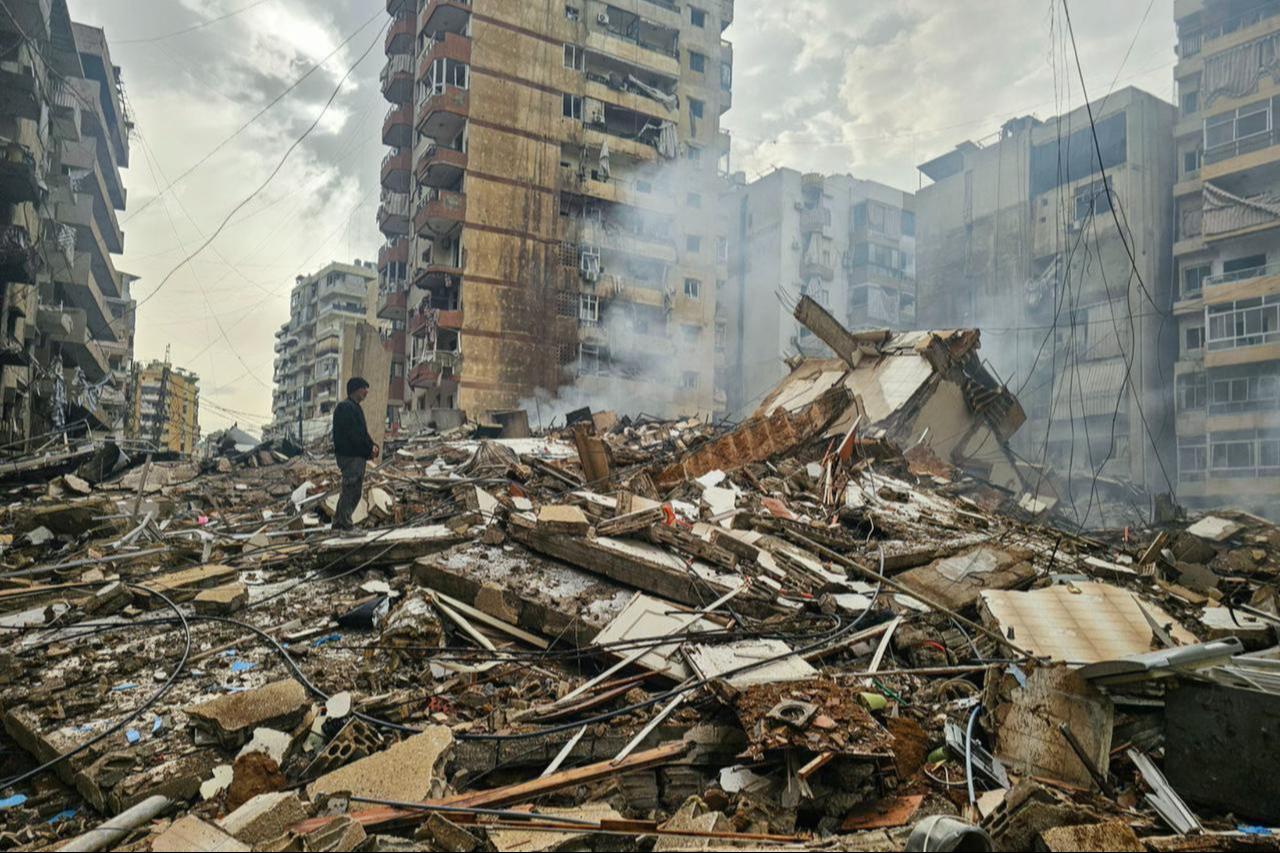
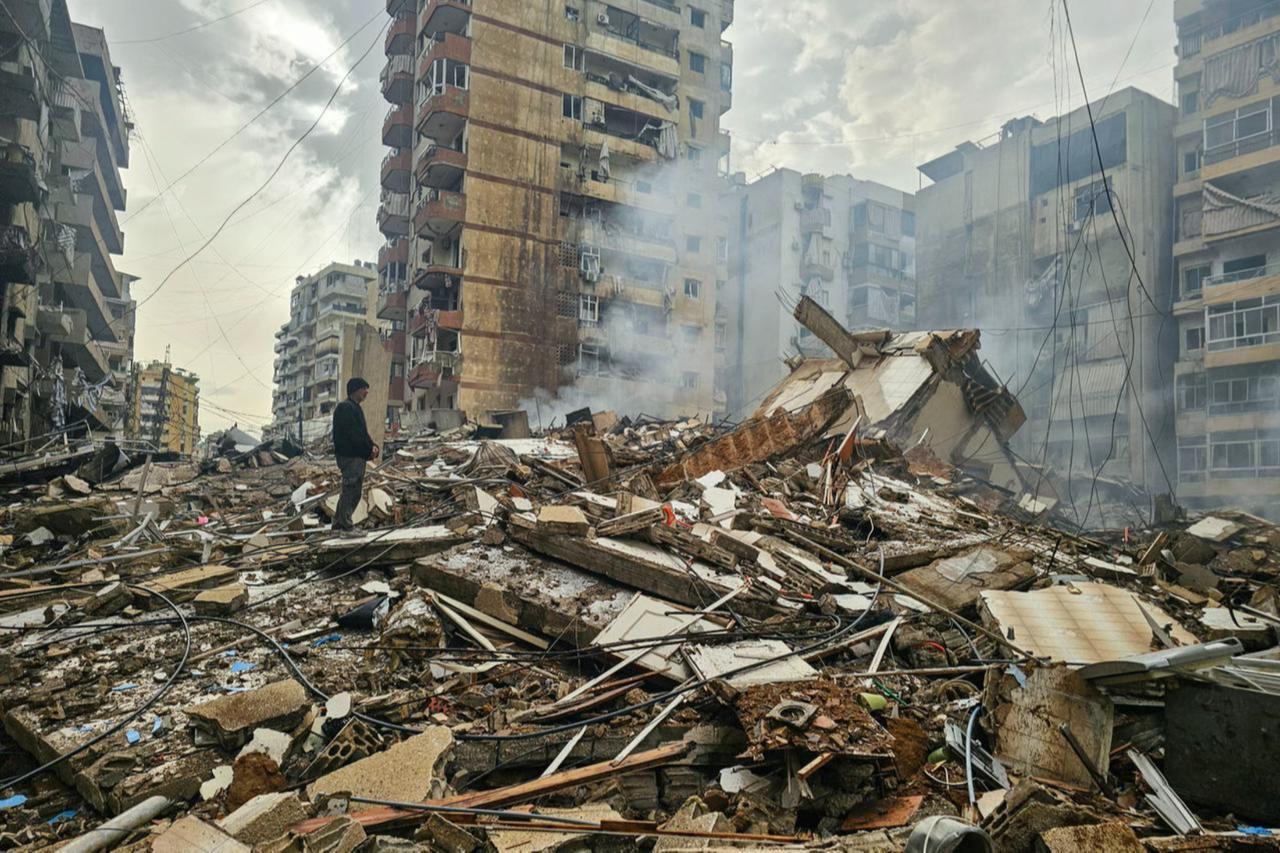
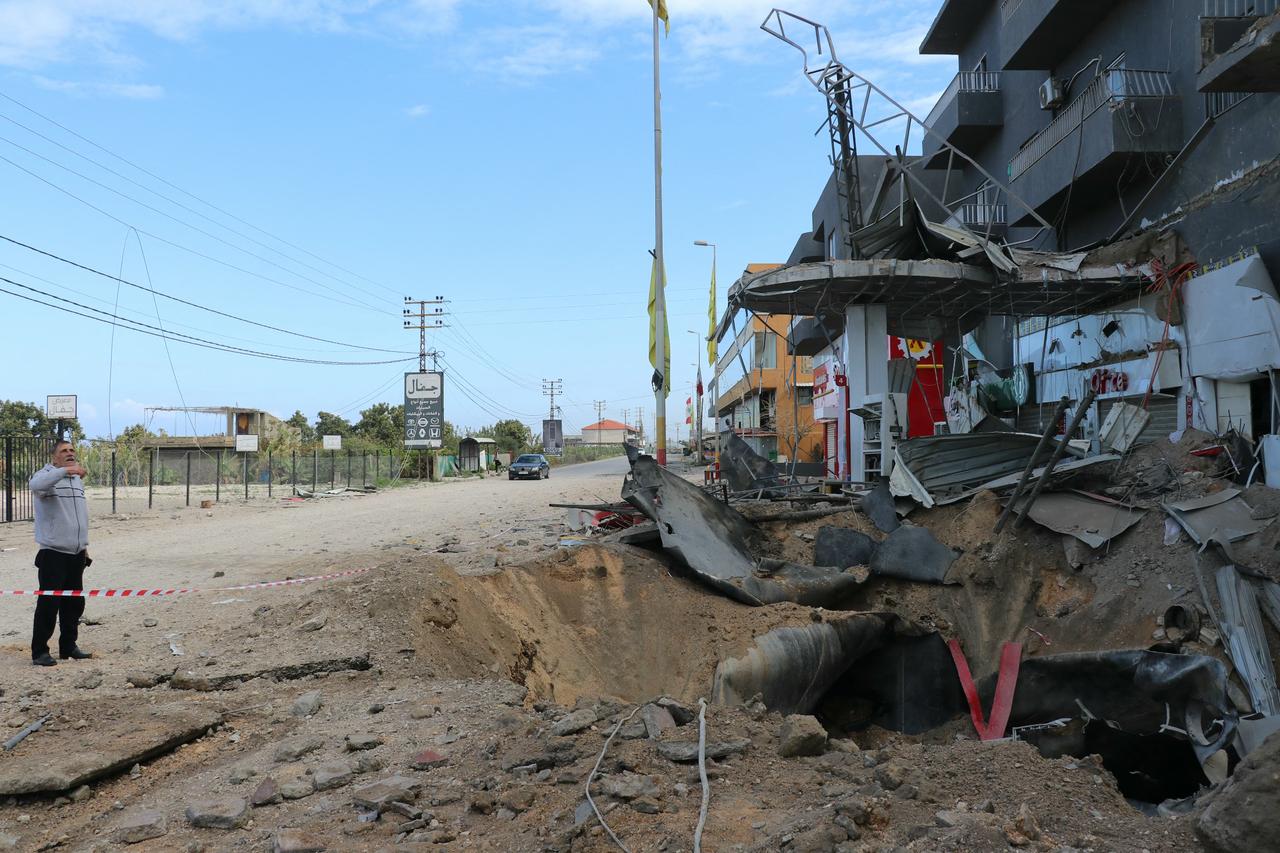
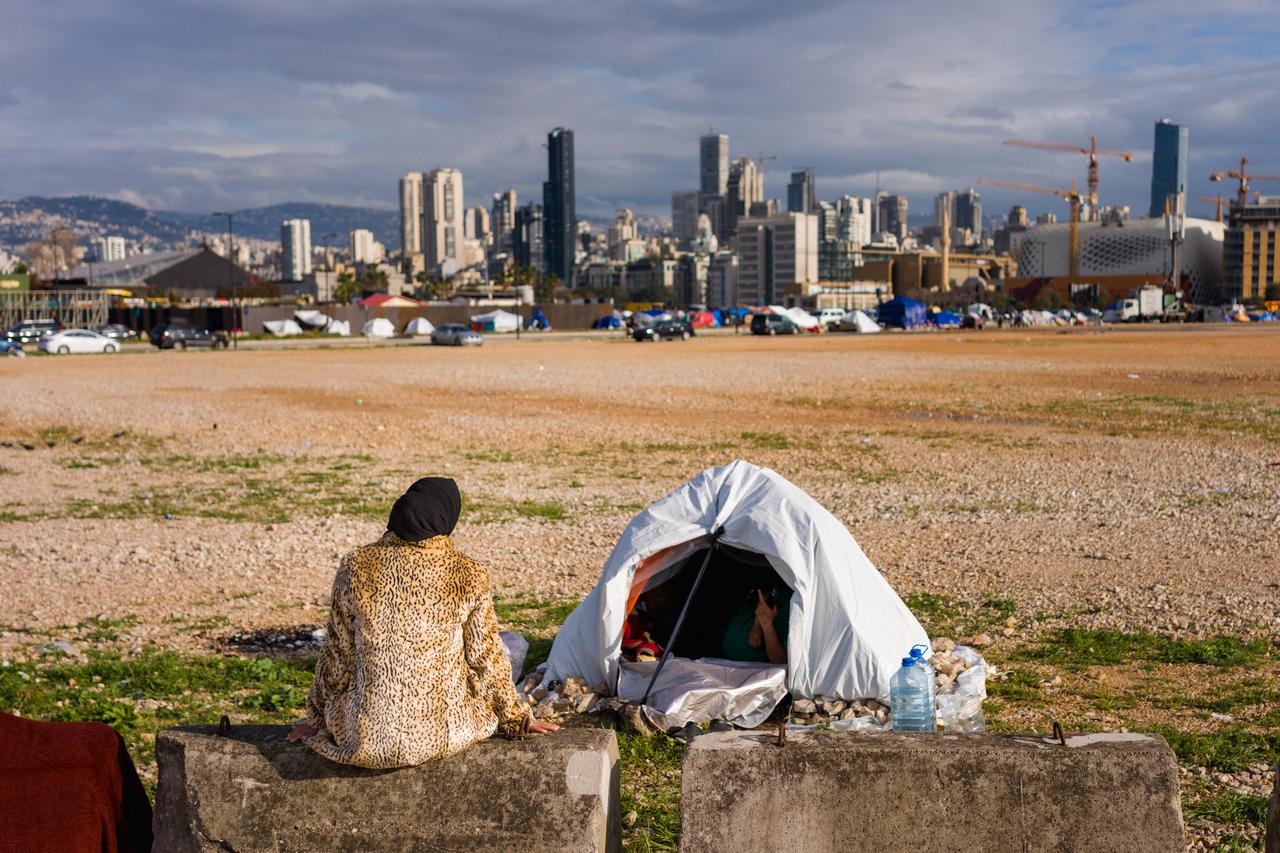
Israeli strikes since March 2 have killed more than 1,000 people in Lebanon and displaced more than one million, according to Lebanese authorities.
Hezbollah’s decision to join the conflict has intensified internal political tensions in Lebanon, where its influence has declined following heavy losses in 2024 and new government measures demanding its disarmament and banning its military activities.
Lebanon’s foreign ministry also declared the appointed Iranian ambassador persona non grata, a move condemned by Hezbollah and other Shiite political figures who said the envoy should remain.
Regional escalation has continued to flare since the U.S. and Israel launched a joint offensive on Iran on Feb. 28, killing so far over 1,340 people, including then-Supreme Leader Ali Khamenei.
Iran has retaliated with drone and missile strikes targeting Israel, along with Jordan, Iraq, and Gulf countries hosting U.S. military assets, causing casualties and damage to infrastructure while disrupting global markets and aviation.


 Set as preferred source
 Set as preferred source


 1 min read