Newsletters


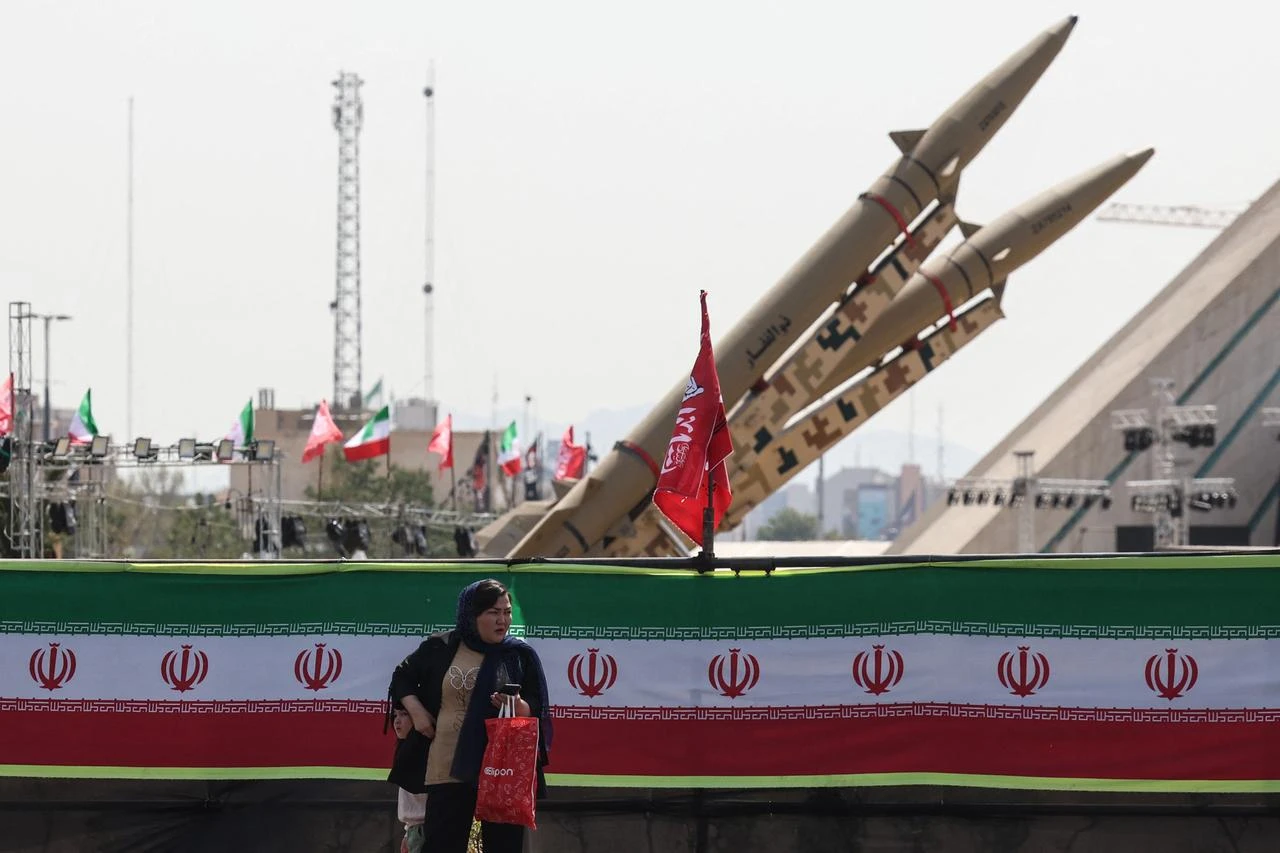


Iran has decided to shift its policy from a defensive to a "fully offensive" one, a senior Iranian official told Reuters, warning that Tehran will escalate tensions in the Strait of Hormuz and across the region if diplomacy with the United States fails within a matter of weeks.
Tehran has set a deadline of several weeks for the full implementation of its memorandum of understanding with the U.S., warning it will not tolerate an indefinite American naval blockade, according to the official, who spoke to Reuters on Monday.
If Washington does not meet that deadline and diplomacy fails, Tehran would conduct a "timely and precise" military attack to break the U.S. naval blockade on Iran, the official said.
"Within the short period of a few weeks set by Iran, all the agreement's provisions must be implemented by the U.S. This is a precondition for further negotiations with the U.S.," the official told Reuters.
"The deadline's details would be conveyed to Washington and regional states through mediators," the official said.
"Iranian entities must be prepared to escalate tensions in the Strait of Hormuz and wider region, as Iran will be ready to make decisions and take action on difficult decisions," the official said, adding that all Iranian entities are prepared to escalate tensions if diplomacy fails.
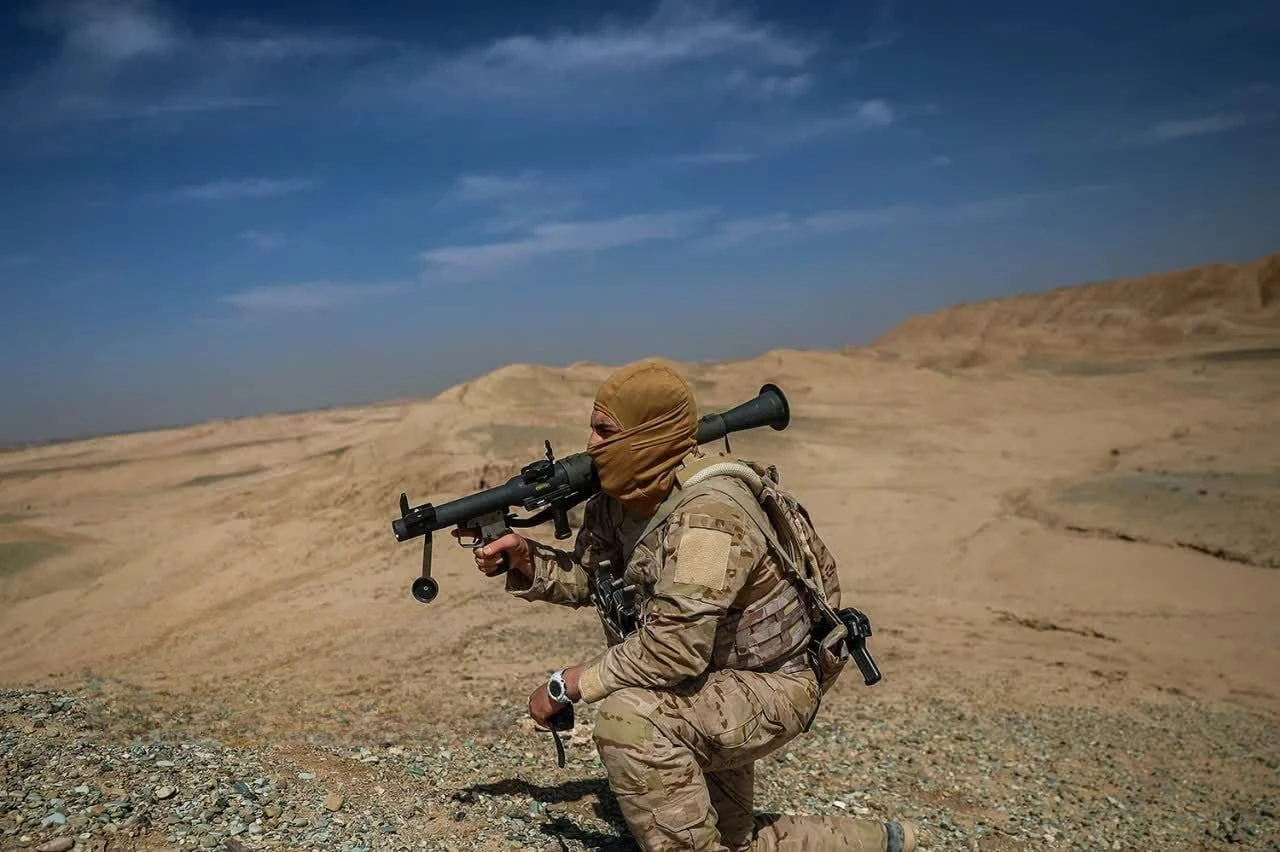

The official said Tehran was shifting its policy from defense to offense as it lost confidence in the merits of diplomacy with Washington.
"It is a proven fact that the U.S. is not serious about a ceasefire and won't commit to any, so putting pressure on the enemy or relying on mediators in the hope of reaching a permanent ceasefire is not realistic," the official told Reuters.
Diplomatic efforts to bring Tehran and Washington back to talks under the June agreement have stalled in recent weeks.
Iran's foreign minister has said the Strait of Hormuz will not reopen until the U.S. first returns to the deal, while the U.S. Treasury Secretary has warned of unprecedented economic isolation for Iran.
 1 min read
Separately, Brig. Gen. Yadollah Javani, political deputy of Iran's Islamic Revolutionary Guard Corps (IRGC), told Iran's Fars News Agency that Iran's armed forces would adopt a more "offensive form" of defense amid the war with the U.S. Javani said Iran had never initiated a war and that its actions to date had been defensive, but that "from now on, every action we take, although it has a defensive nature, must take on an offensive form."
Javani said a series of appointments and directives issued by Supreme Leader Mojtaba Khamenei last week reflected a broader effort to "reorganize, modernize, and make more effective" Iran's defense doctrine in light of recent developments and lessons from the latest war.
He said Iran's adversaries should take the new directives seriously and "learn from these decrees and their messages that our armed forces will adopt transformative approaches." "Perhaps they should expect strategic surprises," he added.
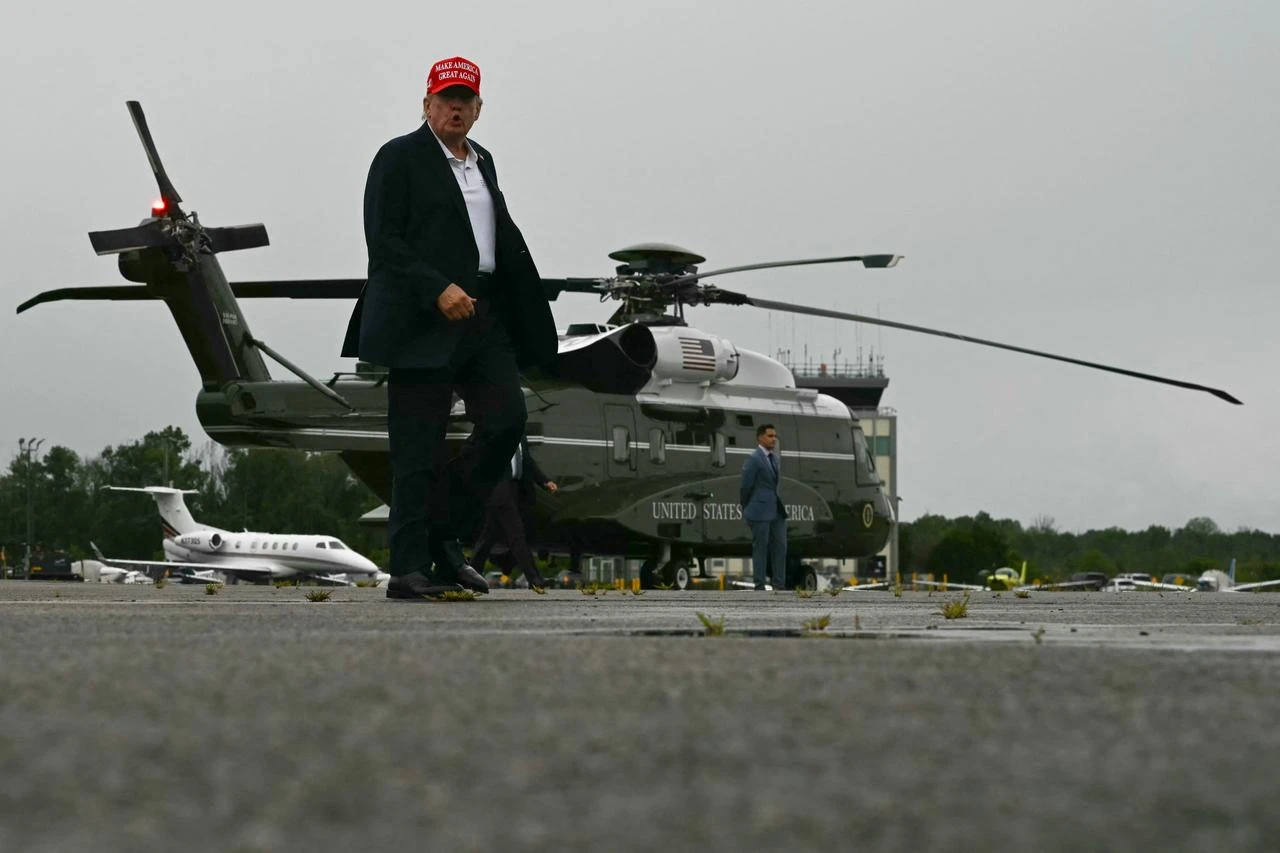
IRGC spokesperson Brig. Gen. Alimohammad Mohebbi told Tasnim News Agency that no talks are underway between IRGC officials and the United States, dismissing U.S. President Donald Trump's claim of a backchannel with the IRGC as "delusions" born of "the illusions and nightmares stemming from defeat and desperation in the war."
"No dialogue is currently taking place between IRGC officials and the Americans, and this lie from Trump is merely a fantasy that has afflicted him due to the illusions and nightmares resulting from defeat and desperation in the war," Mohebbi said.
He said the IRGC "is the arm and the tongue of the power of the Iranian nation and the Islamic Republic and speaks its word on the battlefield," while diplomatic matters fall within the purview of other branches of the Islamic Republic.
He added that, based on information from Iran's Foreign Ministry, no talks with the Americans are currently taking place in that channel either, "because of broken promises and the dark experience of repeated and continuous American violations of agreements."
Mohebbi said Trump's "mental fantasizing will not help him on the battlefield," and argued the U.S. president is trying to temporarily control global oil and energy prices through such statements.
"But he has only one real path ahead of him, and that is to accept defeat and implement the conditions Iran has set. Therefore, the sooner and faster the Americans accept their failure and make decisions based on it, the more they will spare their country from greater and larger losses," Mohebbi said.


 Set as preferred source
 Set as preferred source


 1 min read