Newsletters


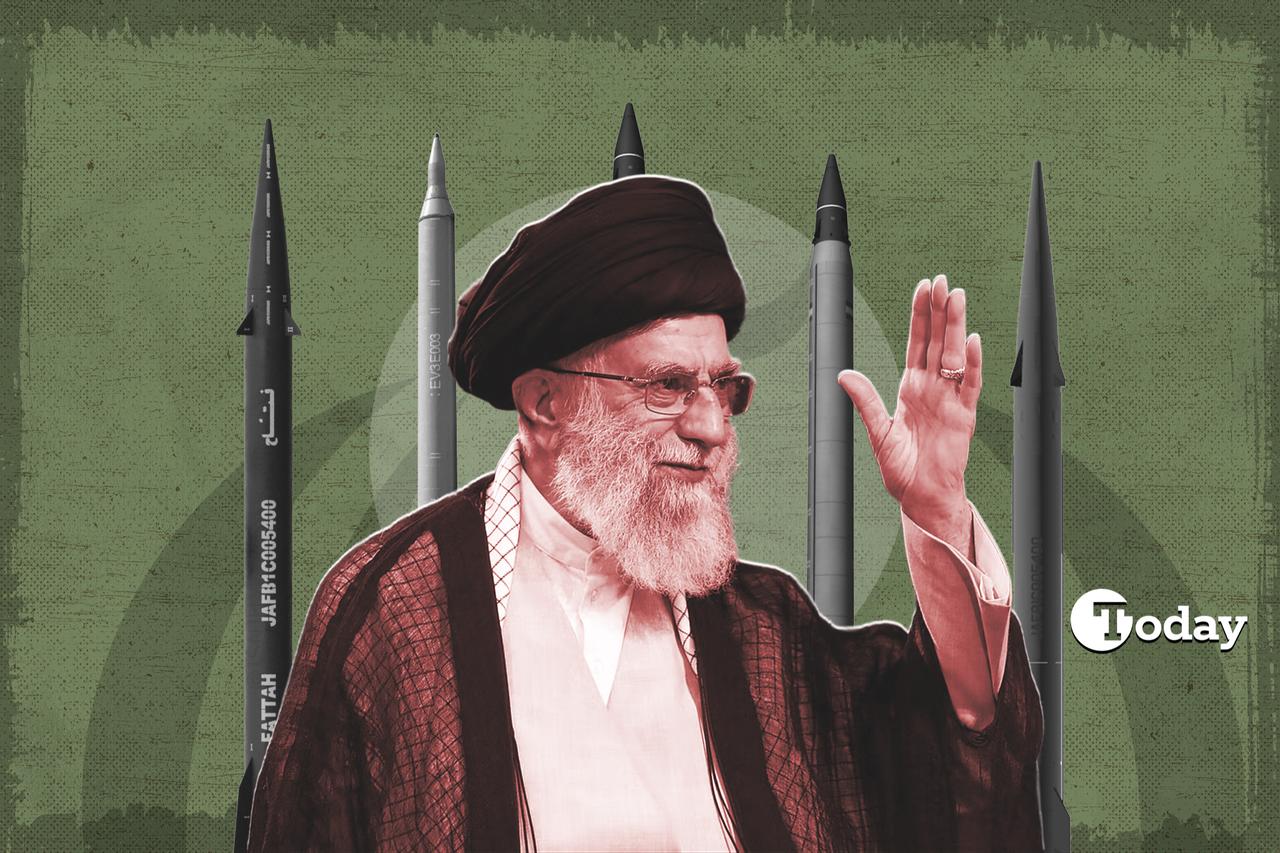


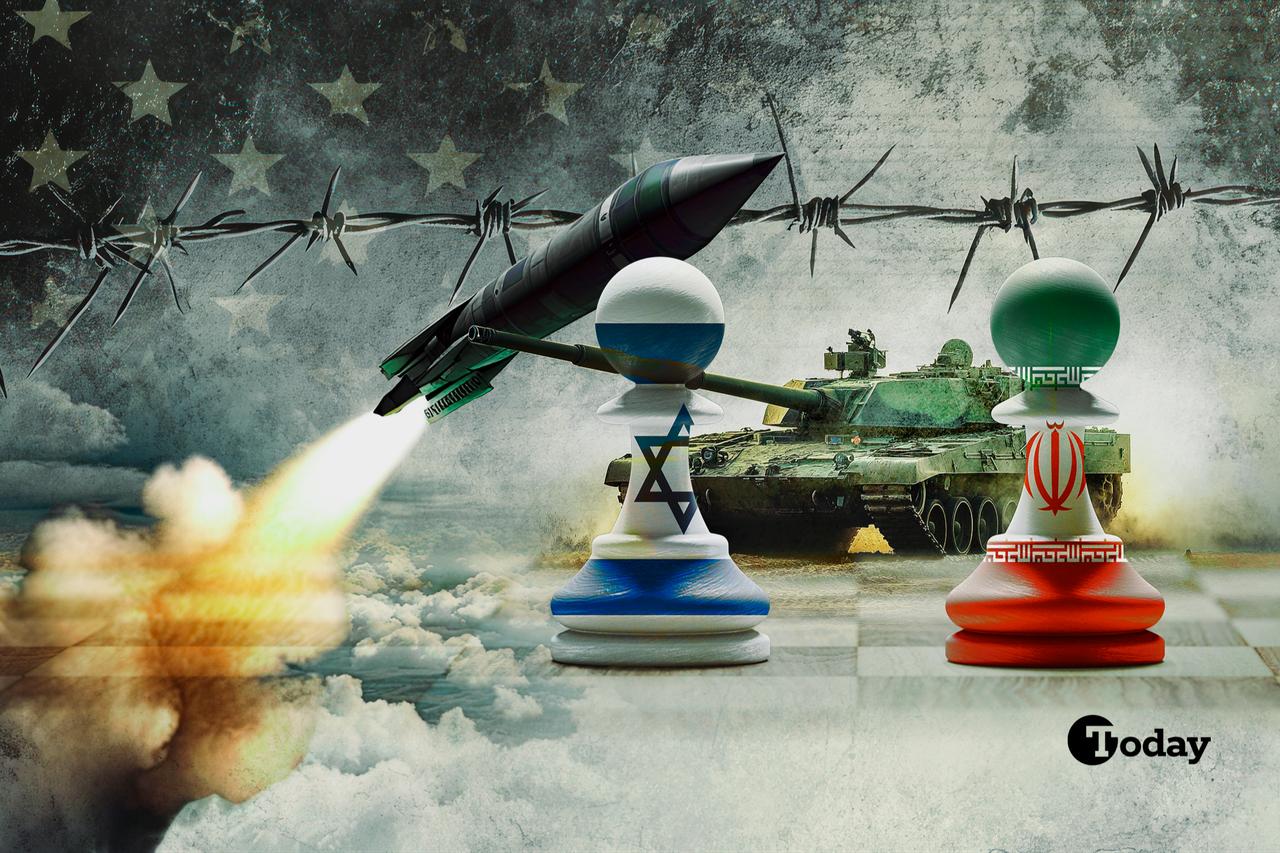
By the time this article reaches you, Washington and Tel Aviv may already be at war with Tehran.
Many expected the U.S. to launch strikes against the Islamic Republic following last month’s mass protests, which resulted in a death toll estimated between several thousand and 30,000 Iranians. At the time, President Donald Trump warned Iranian authorities that continued bloodshed and mass executions would trigger punitive airstrikes.
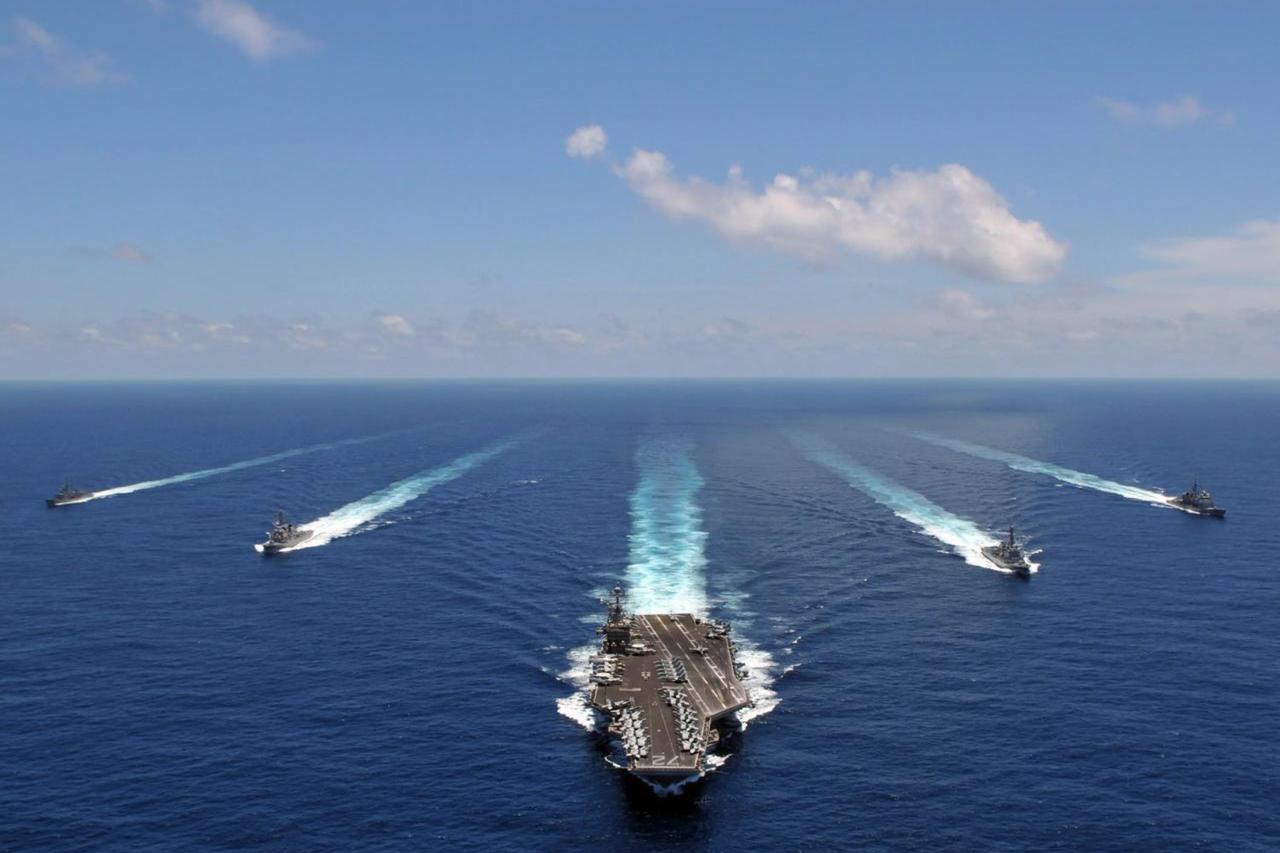
But then the protests died down and U.S. special envoy Steve Witkoff met with Iranian Foreign Minister Abbas Araghchi in Oman on Feb. 6 to discuss Tehran’s nuclear program, followed by another meeting in Geneva on Feb. 17. However, in typical Trumpian fashion, the U.S. commander-in-chief ordered the deployment of massive air and naval assets to the Persian Gulf region. Media outlets are now replete with news and analyses that the United States and Israel will attack Iran.
Yet, if a new war begins, its operational dynamics and political outcomes will undoubtedly be messy and unpredictable.
At the end of the 12-day war last June, Trump claimed that “Operation Midnight Hammer” in which US Air Force B-2 stealth bombers had destroyed Iran’s nuclear program, although leaks from his own administration denied that claim, according to CNN.
Even before Trump launches an attack on Iran, critics are likely to question whether he knew what he was talking about in June or if he can guarantee to set the Iranian nuclear program back for longer than eight months—especially if Iran retaliates against U.S. assets and Israel.
Attacking Iran’s nuclear industry is one thing, but what if the United States and Israel have decided that they have a realistic chance at toppling the Islamic Republic regime? After all, Trump said regime change in Iran “would be the best thing that could happen” on Feb. 13.
We can expect that, besides nuclear facilities, communication nodes, transportation networks, and energy infrastructure, U.S. and Israeli airstrikes will target Iranian leaders as well as bases of the Revolutionary Guards and Basij militias and instruments of public control to give the protestors another shot to take out the regime.
Some Iranian generals and politicos will probably get offers of money and promises to be “exfiltrated” to another country with their families in exchange for their cooperation.
But what if all that fails in toppling the Islamic Republic? Any “regime-change-by-airstrikes” approach is bound to get messy. Still, we can expect that, should the regime in Iran survive, no matter what shape the Iranian military is in, it will declare political victory.
And that’s the problem. If both the regime and the armed rebels survive—including minority Kurds and Balochs—the focus will shift from changing Iran’s regime to managing its prolonged chaos, a prospect that virtually all other US allies in the region oppose.
If the U.S. (though not Israeli) aim is not the disintegration of Iran, then Washington might go for keeping the Iranian domestic scene and economic situation so busy that it would not be able to develop nuclear weapons for the foreseeable future.
But the assumption that the Iranian regime could be kept busy by forcing it to focus its attention on perpetual mass uprisings might not work, or at least not without huge costs to the American and Israeli sides.
U.S. Marine Gen. James Mattis, who served as Trump’s secretary of defense, is known for the phrase “the enemy gets a vote.” This reflects the reality that military plans seldom survive contact with the enemy, as a determined adversary can disrupt even a well-executed operation.
While it is unlikely for Tehran to fare better than it did compared to last June, the 12-day War may have convinced Iranian leaders that they can no longer remain coy or naive about weaponizing their nuclear program. A sad fact of the post-9/11 world is that countries that have developed nuclear weapons, such as Pakistan and North Korea, have been spared invasion. Those who did not go for nukes or gave up on their nuclear weapons programs, such as Iraq and Libya, were attacked.
If the 12-day War did not convince Iran’s leaders to develop nukes, the new war will do just that.
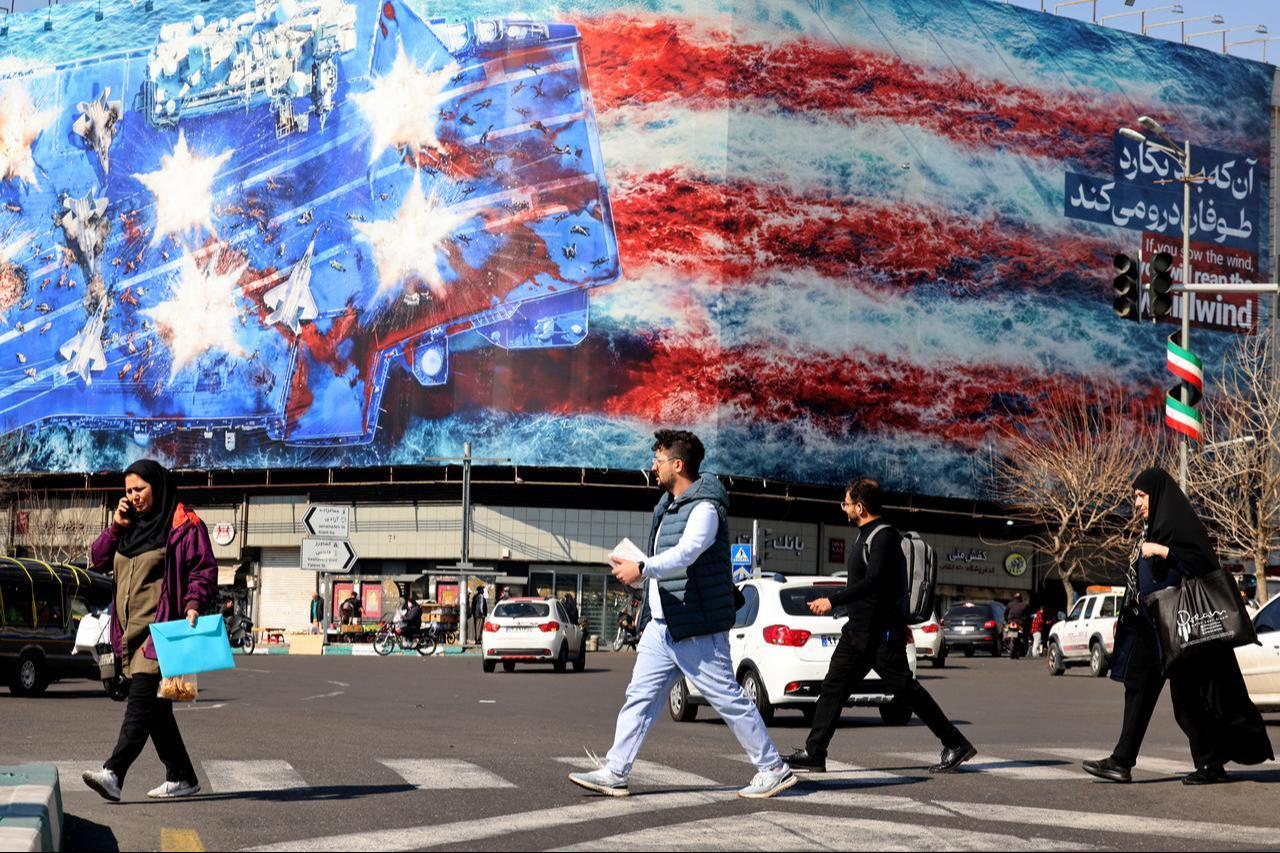

The Iranian people also get a vote here, of course. One problem for the leaders of the Islamic Republic is that a small but growing minority of Iranians seems to be open to the idea of foreign intervention to overthrow the regime. The bloody clampdown during last month’s protests showed that Iran’s internal dynamics are insufficient to force the likes of Supreme Leader Ali Khamenei to budge.
That is a far cry from the last time Iran's viability was challenged from without: When Iraqi dictator Saddam Hussein attacked Iran in 1980, hoping to conquer the country’s oil-rich regions, Iranians set aside their unresolved differences from the 1979 Revolution and focused on expelling the enemy.
While we do not have reliable data, the fact that many Iranians within the country and almost everyone in the diaspora oppose the regime suggests that enough of them will welcome some form of meddling by what the regime still calls “Great Satan.”
Tehran is not the only one with a domestic political problem. Washington, too, might become more chaotic even if the attack on Iran does not create secondary or tertiary problems for the United States—“asymmetric” attacks overseas or even at home.
What probably worries Trump most is the U.S. midterm elections in November. After all, he made headway in the Republican primaries for the first time in 2015-2016 by attacking America’s “forever wars” and many Republican candidates for supporting those wars.
Trump ultimately secured the Republican nomination and then the White House in 2016 by criticizing the wars in Afghanistan, Iraq and Syria, America’s worst addiction after opioids. He also successfully boxed in Joe Biden and Kamala Harris as warmongers in 2024, swearing off regime-change wars.
While Trump’s capture of Venezuelan leader Nicolas Maduro in early January damaged that claim, at least the U.S. operation did not lead to an all-out war in the Caribbean. A prolonged war with Iran—be it to knock out “nukes” or for regime change—will be anything but clean or contained like the standoff with Venezuela.
According to the Quinnipiac University National Poll, 70% of American voters—including a small majority of Republicans—oppose U.S. military intervention in Iran. So do U.S. allies, which might end up footing the social and geopolitical bill if Iran enters a prolonged period of chaos.


 Set as preferred source
 Set as preferred source


 2 min read
 1 min read