Newsletters


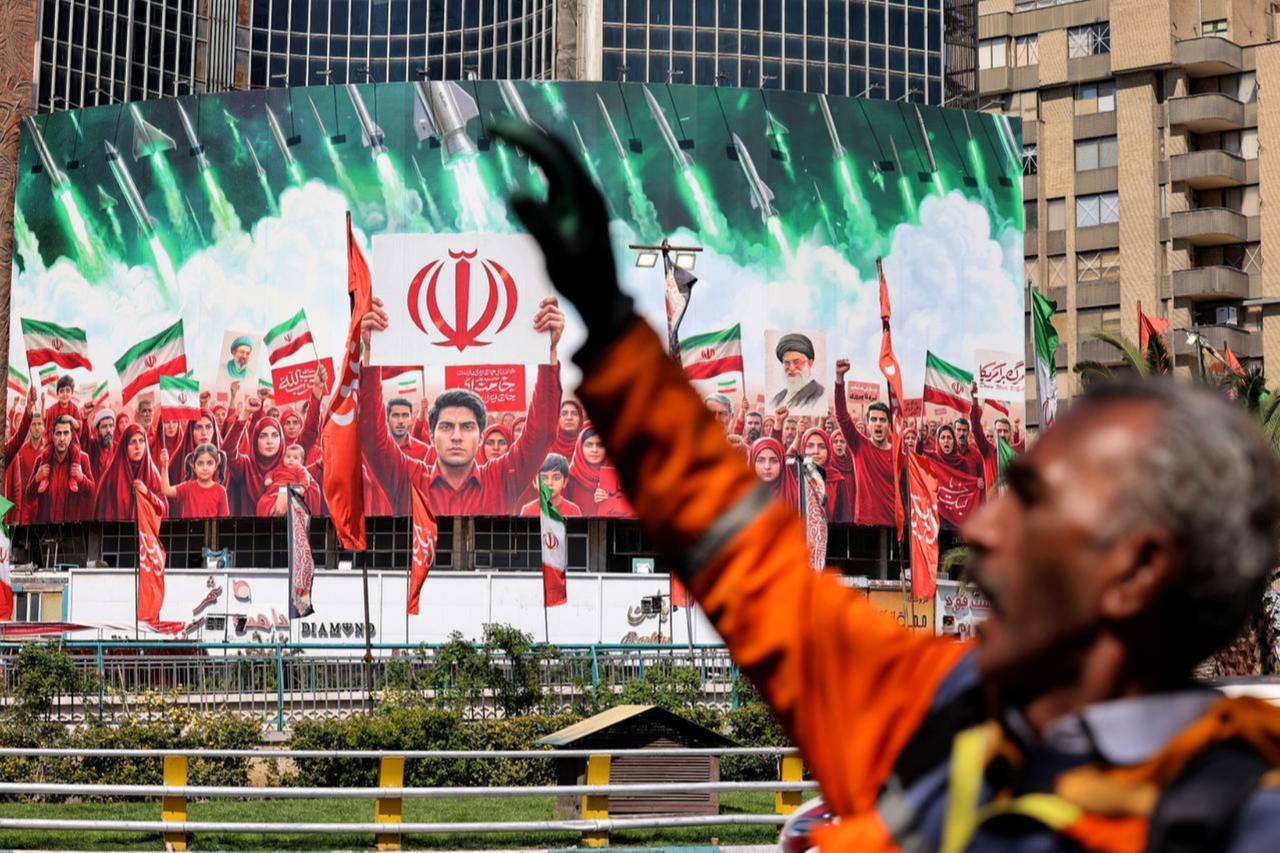


An Iranian source told the London-based outlet Al-Araby Al-Jadeed on Tuesday that Tehran is inclined to agree to a two-week ceasefire, a disclosure that landed hours before a deadline set by US President Donald Trump and was echoed almost simultaneously by Zalmay Khalilzad, the former US ambassador to the United Nations, Afghanistan and Iraq, who wrote on X that there were "rumors that Iran and the Trump Administration have agreed to a 2 week long ceasefire," adding, "Fingers crossed." A senior Iranian official separately told Reuters that Tehran was "positively reviewing" a Pakistani proposal along the same lines.
The convergence of signals, unconfirmed by either government, injected a rare note of cautious optimism into an otherwise catastrophic day, as US and Israeli forces struck railway bridges, a major highway, oil infrastructure on Kharg Island and other sites across Iran, Trump warned of the annihilation of an entire civilization, and Iran briefly severed all backchannel communication with Washington.
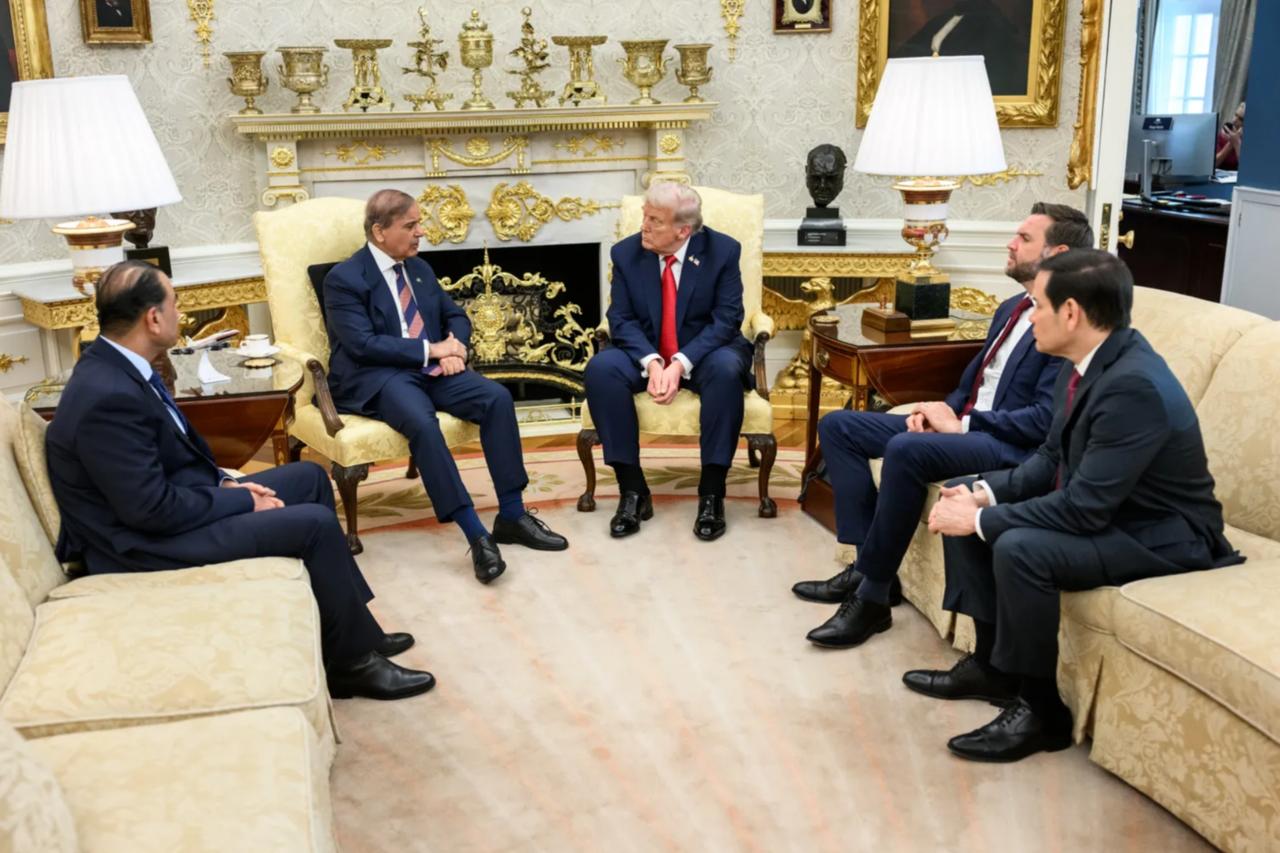
Pakistani Prime Minister Shehbaz Sharif had framed the two-week window as an explicit proposal earlier Tuesday, appealing directly to Trump to extend his 8:00 PM Washington deadline by that same period while simultaneously asking Iran to commit to reopening the Strait of Hormuz for the same duration. "Diplomatic efforts for peaceful settlement of the ongoing war in the Middle East are progressing steadily, strongly and powerfully with the potential to lead to substantive results in near future," Sharif wrote on X. White House Press Secretary Karoline Leavitt confirmed Trump had been briefed on the proposal and that "a response will come."
Sharif added a direct call to all warring parties to "observe a ceasefire everywhere for two weeks to allow diplomacy to achieve conclusive termination of war, in the interest of long-term peace and stability in the region."
The two-week framework dovetailed with a broader multilateral push led by Pakistan alongside Türkiye and Egypt, which had been circulating a longer 45-day phased arrangement, involving an initial confidence-building stage followed by a formal ceasefire, sometimes referred to in diplomatic circles as the "Islamabad Accord." A shorter stopgap, focused purely on halting hostilities long enough to build minimal trust, was also under consideration. Pakistan's army chief, Field Marshal Asim Munir, led much of the hands-on mediation, spending much of the previous weekend on the phone with US Vice President JD Vance, Trump envoy Steve Witkoff and Iranian Foreign Minister Abbas Araghchi.
Iran's ambassador to Pakistan, Reza Amiri Moghadam, signaled on X that the mediation was entering a "critical, sensitive stage," the clearest indication yet from an Iranian official that Pakistan's effort had moved beyond preliminary exchanges.


 Set as preferred source
 Set as preferred source


 1 min read
 1 min read