Newsletters


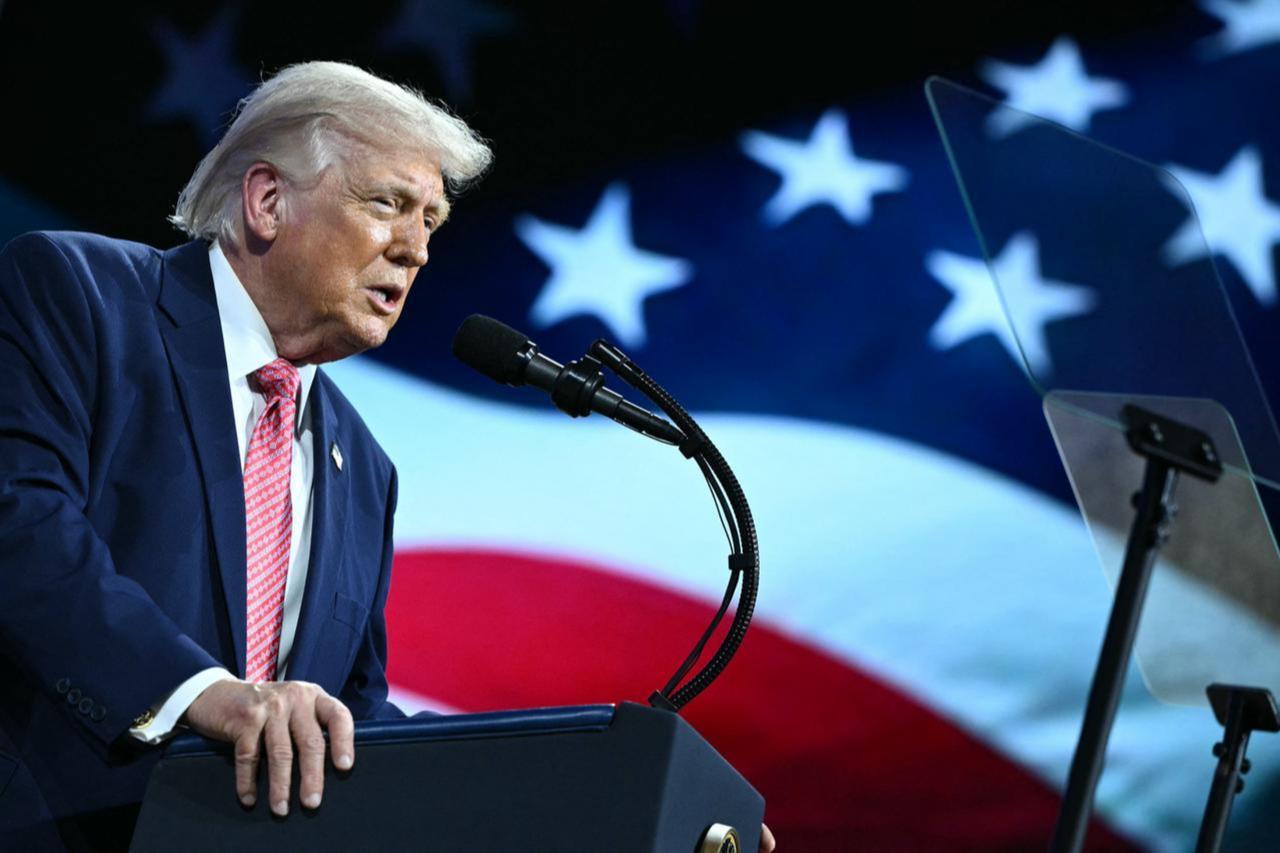


Iran severed direct communications with the United States in a show of defiance Tuesday, even as President Trump confirmed a military strike remains on track for 8 p.m. Eastern time — while leaving one conditional on the table that has become the last thread keeping diplomacy alive.
"8 p.m. is happening," Trump told Fox News anchor Bret Baier in a phone call Tuesday morning. "There is going to be an attack on Iran like they have not seen." Then came the qualifier: "If negotiations move forward today and there is something concrete, the deadline could change."
That single clause, set against the backdrop of severed direct contact between the two governments, now defines the entire stakes of the day.

Iran's decision to cut off direct communications followed Trump's threat to destroy the country's "whole civilization," a move one Middle Eastern official described as a calculated signal of disapproval and defiance rather than a full withdrawal from the peace process. Indirect channels through mediators, the official said, remain open.
Pakistan, Egypt and Türkiye are coordinating the diplomatic effort, serving as the sole connective tissue between Washington and Tehran. Pakistan's army chief, Field Marshal Asim Munir, was reportedly in contact through the night with U.S. Vice President JD Vance, special envoy Steve Witkoff and Iranian Foreign Minister Abbas Araghchi. It is unclear whether direct communications between the U.S. and Iran will resume before the deadline. The White House did not immediately respond to a request for comment.
Iran's foreign ministry said negotiations were "incompatible with ultimatums and threats to commit war crimes," while adding that Tehran's demands "should not be interpreted as a sign of compromise, but rather as a reflection of its confidence in defending its positions."
Even as Trump held the door open, his public language left little ambiguity about the military posture. On Truth Social, he warned that "a whole civilization will die tonight" if Iran did not reopen the Strait of Hormuz by his deadline. At a White House press conference Monday, he described a four-hour operational window in which "every bridge in Iran will be decimated" and every power plant destroyed, "complete demolition by 12 o'clock."
When pressed by reporters on whether the war was escalating or winding down, Trump said: "I don't know. It depends what they do. This is a critical period."
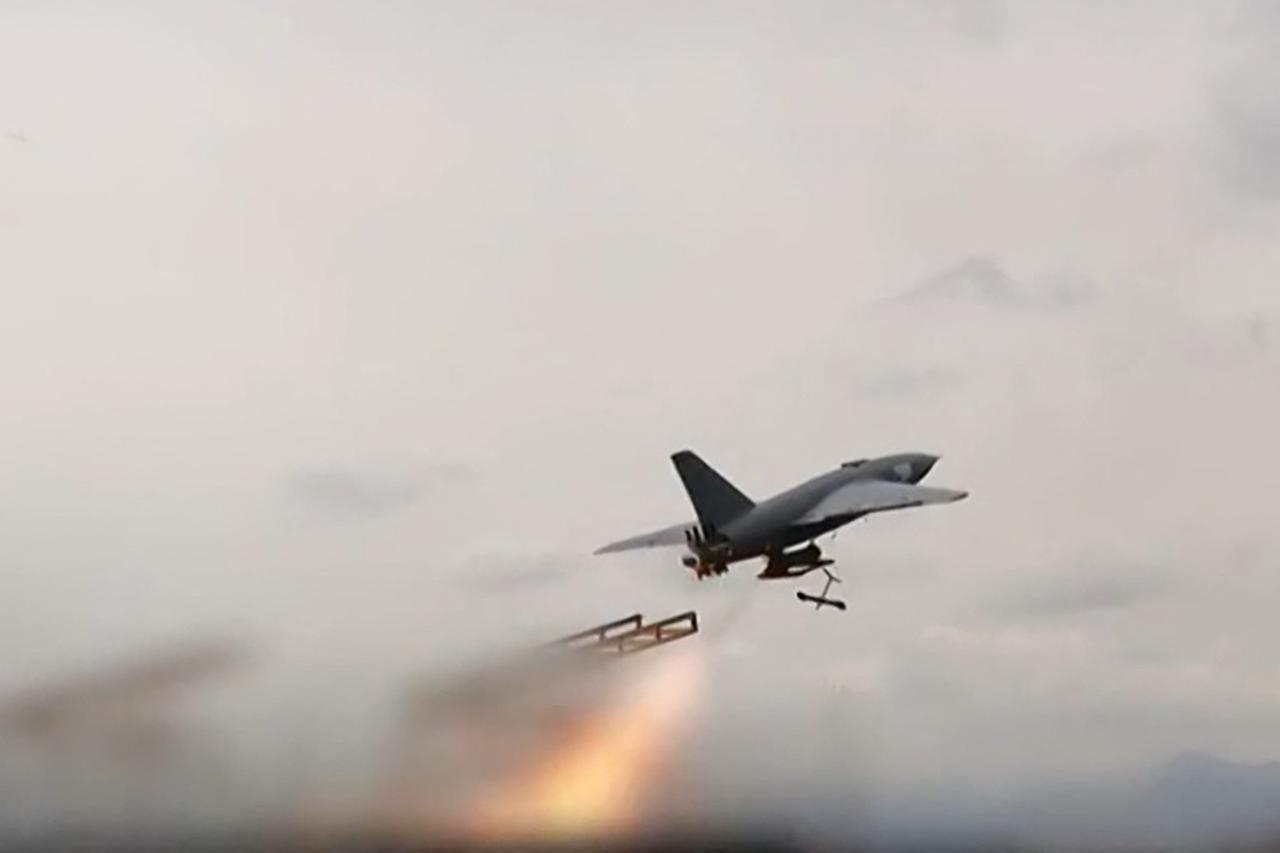
Strikes had already begun before Tuesday's deadline. U.S. forces struck Kharg Island, Iran's primary oil export hub, as well as bridges across the country. Iran retaliated by firing missiles at Israel, Saudi Arabia and Bahrain, forcing the temporary closure of the King Fahd causeway. Air defense systems in the United Arab Emirates also intercepted incoming missiles and drones.
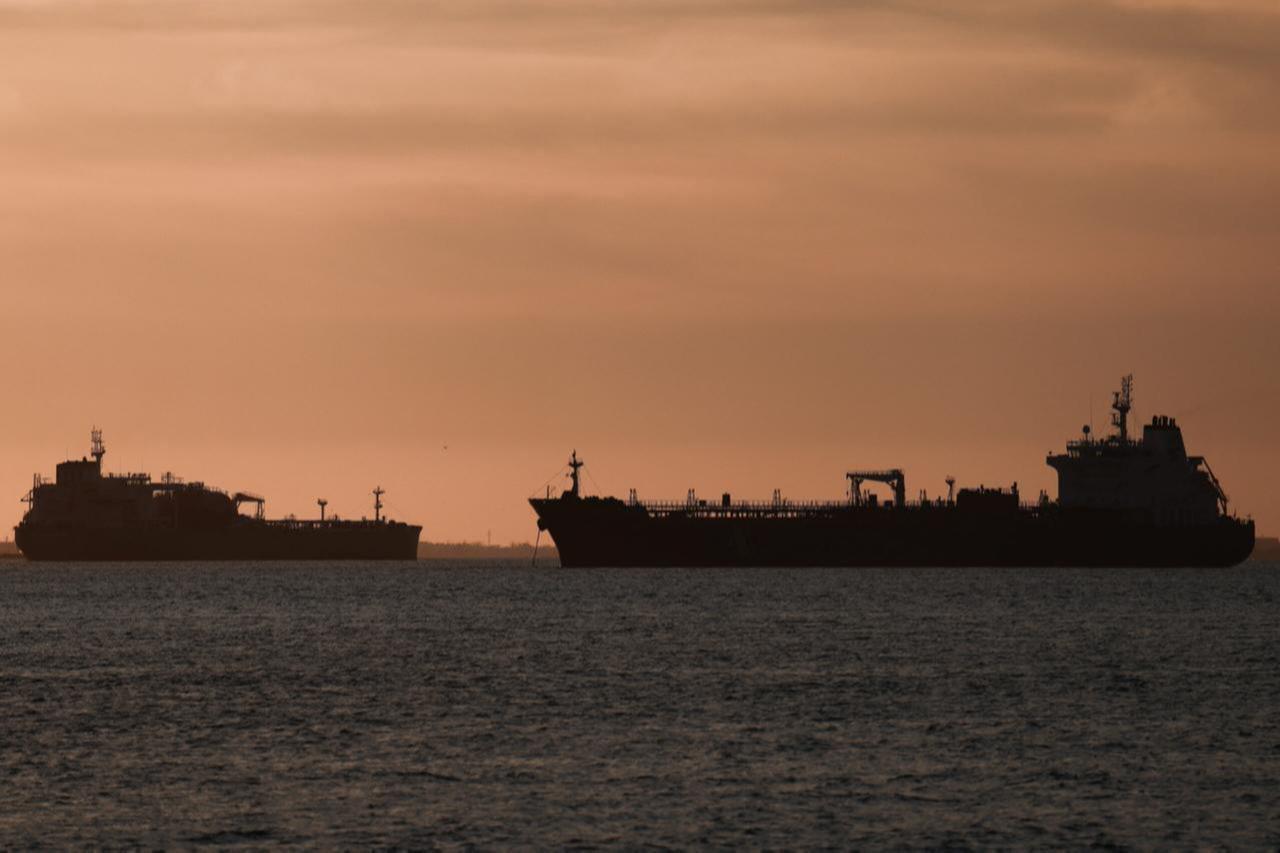
The Strait of Hormuz, through which roughly a fifth of the world's oil and natural gas passes, has been effectively closed by Iran since the U.S. and Israel launched joint military operations in late February. Reopening it, along with Iran's full surrender of its highly enriched uranium stockpile, remains Trump's central condition for any agreement.
The phrase Trump used, "something concrete," carries no publicly defined threshold. The framework under active discussion calls for a two-phase arrangement: a 45-day ceasefire during which a permanent settlement would be negotiated, followed by a comprehensive agreement to end the war. Mediators have proposed that both the reopening of the strait and a resolution to Iran's uranium stockpile could be deferred to the second phase, giving Tehran partial cover on its two main points of leverage.
Iran rejected the 45-day proposal outright, conveying through Pakistani intermediaries a 10-point counterproposal that U.S. officials described privately as maximalist. Among Tehran's demands: a permanent and guaranteed end to all hostilities, compensation for reconstruction, the lifting of all sanctions, and a resolution to conflicts across the broader region, including Lebanon.
Trump acknowledged the Iranian counterproposal Monday, calling it "a significant step" while insisting it was "not good enough." He added that the U.S. has "an active, willing participant on the other side" of negotiations, a notably restrained characterization given the severing of direct contact.
Behind the scenes, Israeli Prime Minister Benjamin Netanyahu called Trump over the weekend to express concern about the prospect of a ceasefire deal, according to an Israeli official. Trump stressed in response that he would not relinquish his core demand: Iran must surrender all enriched uranium and agree not to resume enrichment.


 Set as preferred source
 Set as preferred source


 1 min read
 1 min read