Newsletters


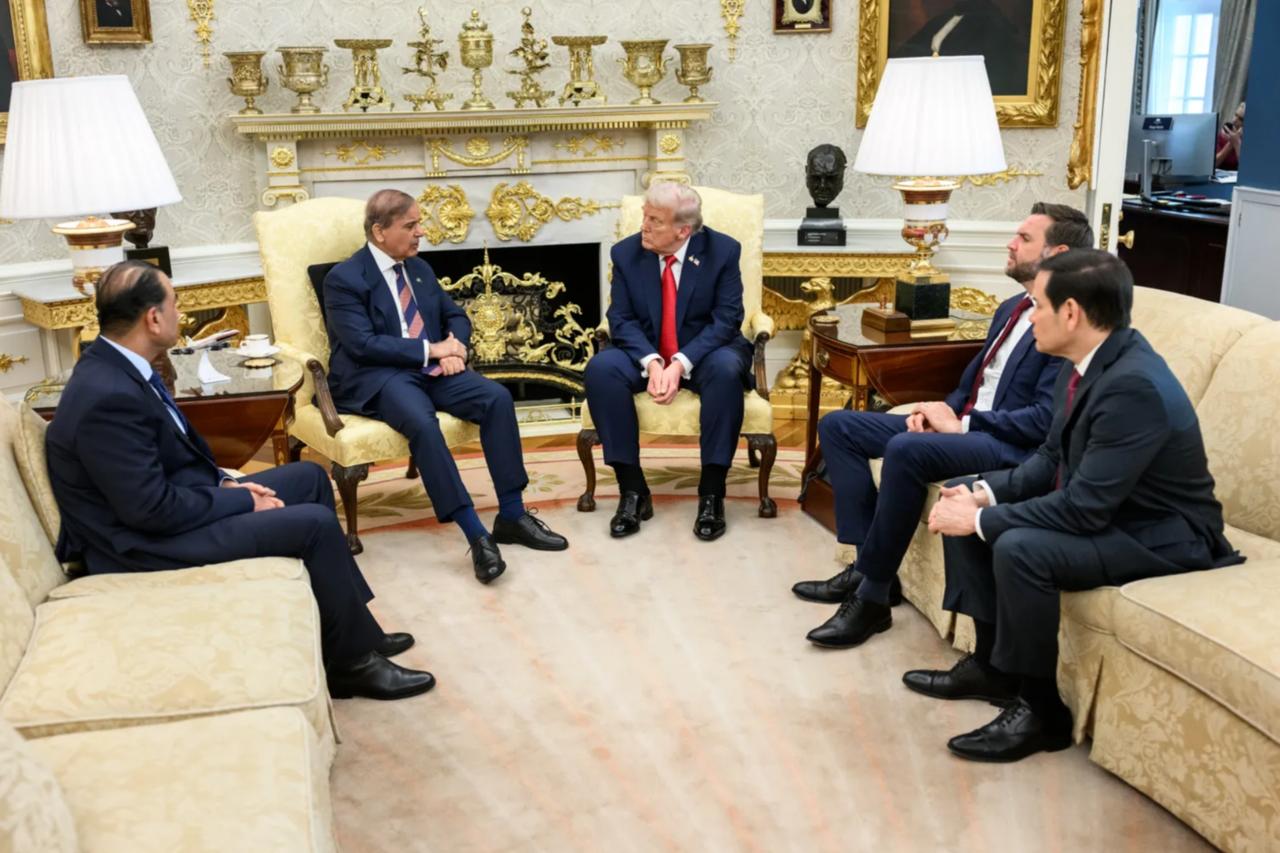


Pakistani Prime Minister Shahbaz Sharif appealed directly to U.S. President Donald Trump on Tuesday to grant a two-week extension to his Iran deadline, while simultaneously urging Tehran to reopen the Strait of Hormuz for the same period as a goodwill gesture, posting his plea on X less than five hours before Trump's 8 p.m. EDT ultimatum was set to expire.
In the post, Sharif said diplomatic efforts for a peaceful settlement were "progressing steadily, strongly and powerfully" and carried the potential to produce "substantive results in the near future."
He asked Trump to "allow diplomacy to run its course" and called on "Iranian brothers" to open the strait for a corresponding two-week window. He also urged all warring parties to observe a two-week ceasefire, describing such a pause as essential to achieving "conclusive termination of war, in the interest of long-term peace and stability in the region."
The appeal landed on the most dangerous day of the six-week-old conflict. Trump, who set and revised numerous deadlines for Iran to reopen the waterway, had made Tuesday evening his firmest cutoff yet, threatening on Truth Social that morning to rain destruction on Iranian infrastructure.
"A whole civilization will die tonight, never to be brought back again," he wrote, adding he did not want that outcome "but it probably will" happen. Secretary of State Marco Rubio separately characterized Iran's ongoing blockade as state-sponsored terrorism.
Pakistan has emerged as the primary communication channel between Washington and Tehran since the war began on February 28, when joint U.S.-Israeli airstrikes killed Iran's Supreme Leader Ayatollah Ali Khamenei. Iran retaliated by blockading the Strait of Hormuz, a critical chokepoint through which more than 20 percent of the world's oil and gas passes in peacetime, and launched missile and drone strikes on Israel and Gulf states.
Pakistan, which shares a 900-kilometer border with Iran while bound by a strategic mutual defense agreement with Saudi Arabia signed in September 2025, has pursued what analysts describe as "limited alignment without military entanglements," engaging both sides without committing militarily to either.
 1 min read
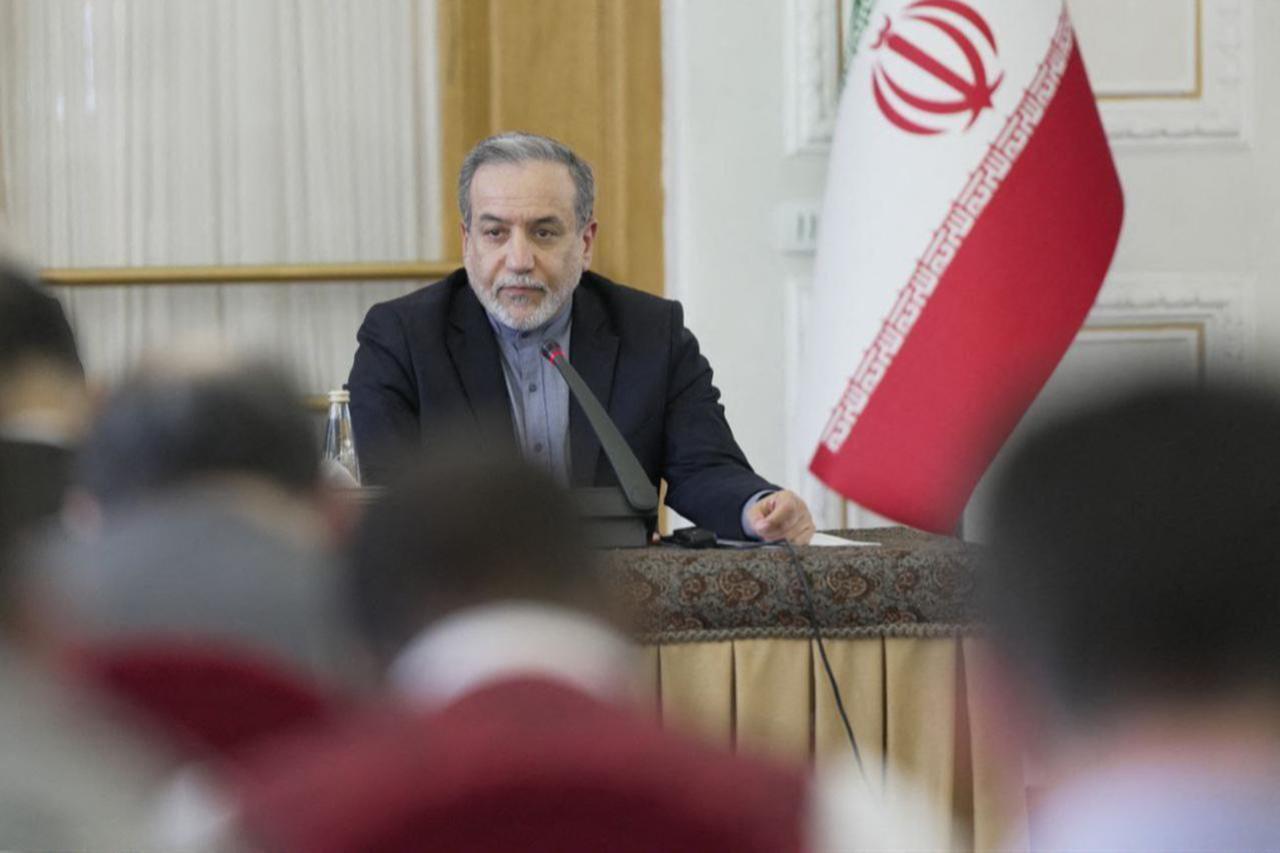
Field Marshal Asim Munir, Pakistan's army chief, reportedly maintained overnight contact with U.S. Vice President JD Vance, special envoy Steve Witkoff and Iranian Foreign Minister Abbas Araghchi as the latest ceasefire framework was exchanged. Al Jazeera's correspondent in Islamabad described Pakistan's diplomatic posture as "frantic," a word Pakistani officials themselves used.
Islamabad had hosted senior ministers from Saudi Arabia, Türkiye and Egypt and relayed messages between the two capitals throughout the conflict. Pakistan and China jointly unveiled a five-point proposal on March 31 calling for a ceasefire and resumption of normal navigation.
A plan tentatively called the "Islamabad Accord" has since taken shape, envisioning an immediate cessation of hostilities followed by in-person final negotiations in the Pakistani capital.


 Set as preferred source
 Set as preferred source



 1 min read