Newsletters


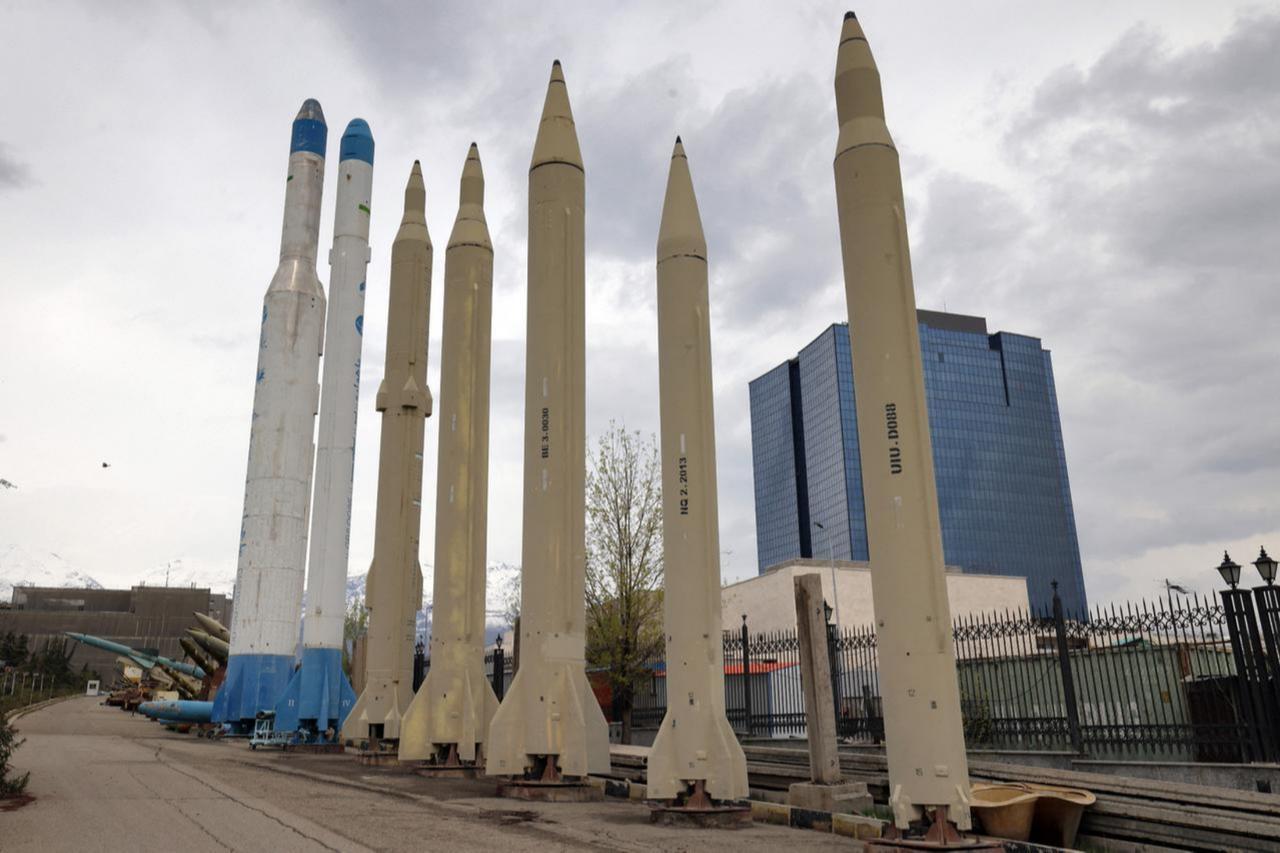


U.S. intelligence assessments show Iran still controls up to 70% of its prewar missile stockpiles and more than 60% of its launchers despite weeks of U.S. and Israeli strikes, according to the report.
Figures cited in a The New York Times report indicate Tehran retains about 40% of its drone arsenal, while recovery efforts since the April 8 ceasefire continue to rebuild its operational strength.
More than 100 missile launchers, previously hidden in caves and underground bunkers, have been restored since the truce took effect, lifting Iran’s active launcher capacity to prewar levels, the report said.
Efforts are also underway to extract missiles buried under rubble following strikes on storage depots and underground facilities. Once completed, U.S. officials assess that Iran could recover as much as 70% of its original missile inventory.
Despite damage to manufacturing infrastructure, officials believe Iran retains enough capability to threaten maritime traffic, particularly in the Strait of Hormuz.
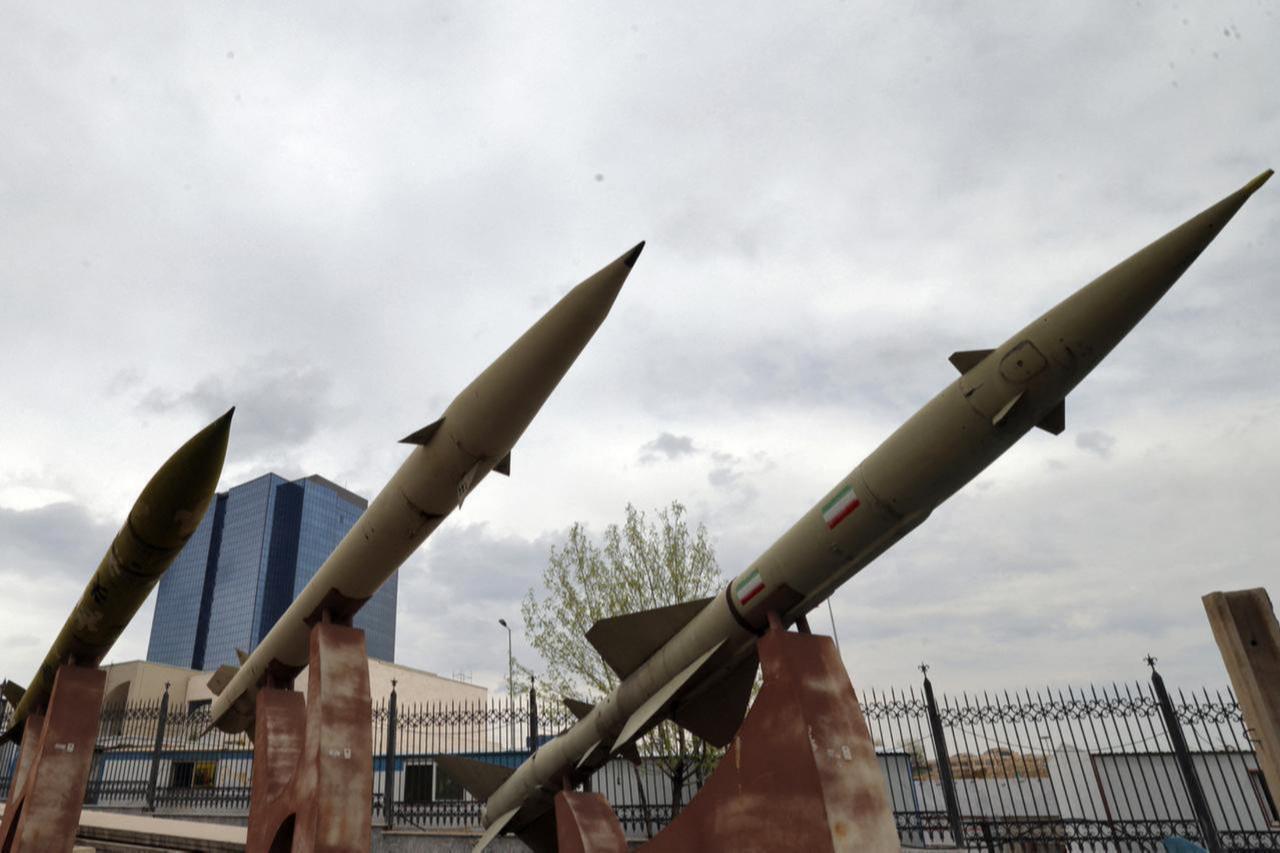

Iran’s strategy increasingly leans on geographic advantage and asymmetric tools rather than conventional force. Closing the Strait of Hormuz remains a likely first move in any future escalation, former Israeli intelligence official Danny Citrinowicz noted.
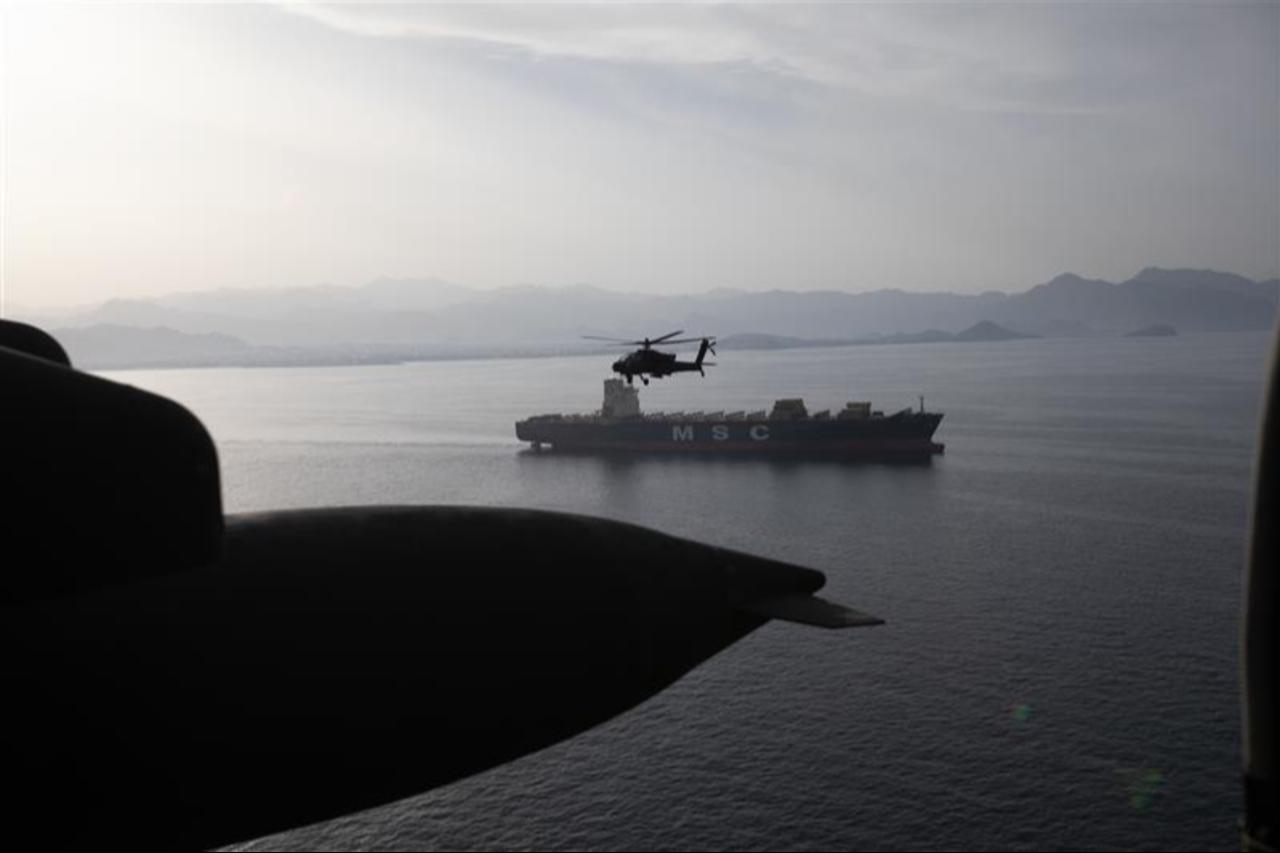
U.S. warships can intercept some threats, but officials point out that commercial vessels have limited protection.
Iran has avoided direct escalation against U.S naval measures, including a blockade that has disrupted its trade.
Seaborne trade accounts for roughly 90% of Iran’s economic activity, estimated at $340 million per day, much of which has been halted in recent days.
In response, Iran declared the closure of the strait again on Saturday after a short relief, demanding that the U.S. lift its naval blockade.


 Set as preferred source
 Set as preferred source


 1 min read
 1 min read